27 Best Math Board Games In 2026

What I look for in a math board game: the math has to be structural, not cosmetic. The operations, number relationships, or probability have to be why you’re making decisions, not just a side effect of them.
I also care about age-appropriate targeting — a game covering single-digit addition won’t help a kid who needs fraction work — and whether the game holds interest past a few sessions for players who claim to hate math. The good news is that strong options exist across every age range and skill level.
One thing upfront: this list leaves out digital-hybrid games where an app handles the computation for you, and it skips pure logic puzzles with no numerical content. Every game here puts the numbers in your hands. Here’s what made the cut.
27 Best Math Board Games In 2026
1. Monopoly
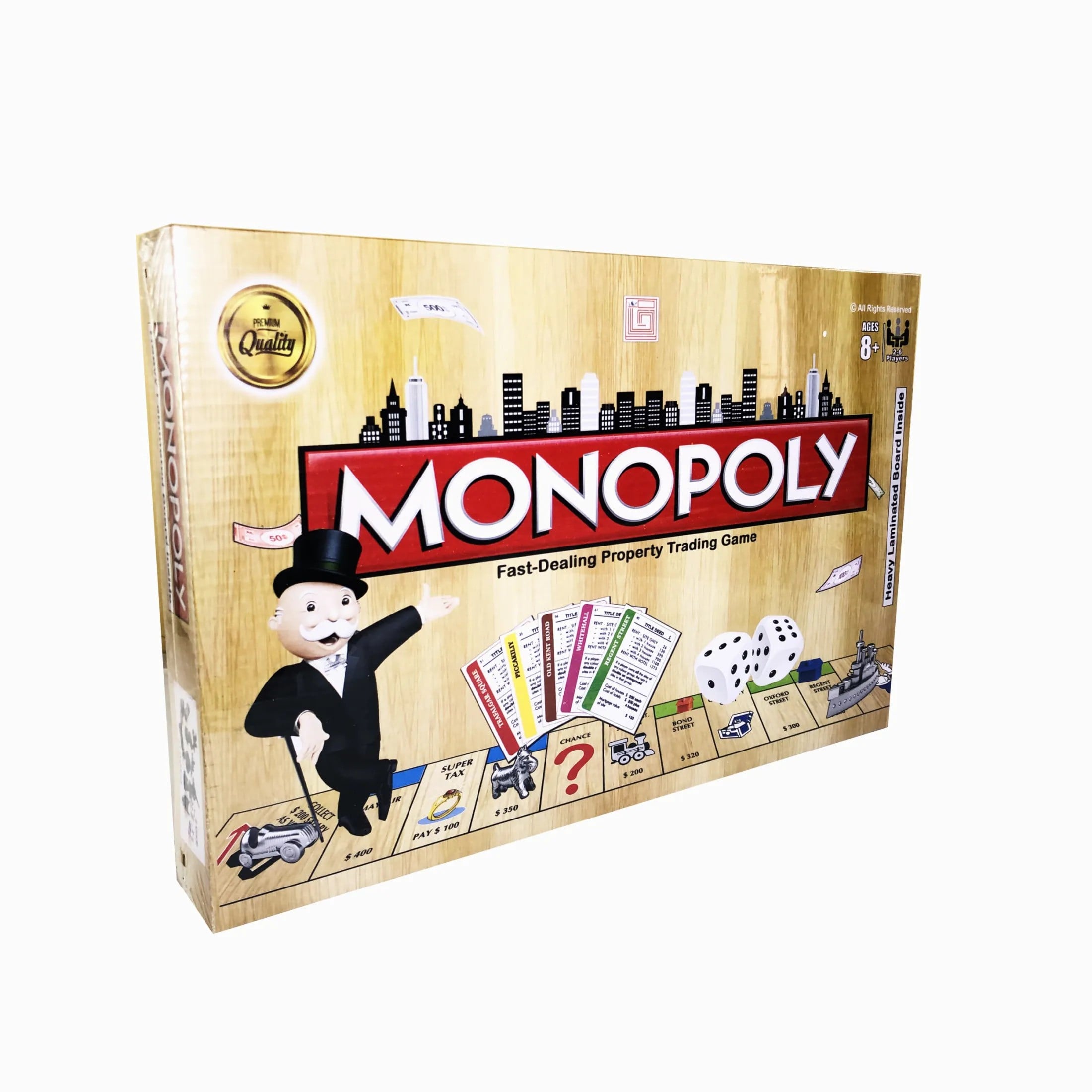
Players: 2-8 | Ages: 8+
Monopoly is the best-selling board game in history with over 275 million copies sold worldwide. Players buy properties, charge rent, pay taxes, manage mortgages, and make change from the bank on every turn. The math is constant: calculating rent multiplied by house count, tracking net worth, and deciding whether a property purchase leaves you enough cash to survive a bad dice streak.
Most people learn Monopoly before they realize it’s a math game. Every negotiation involves mental arithmetic, and bankruptcy happens because of bad budgeting, not bad luck. Kids who play regularly pick up percentages and financial reasoning without anyone teaching them.
Monopoly suits any group that wants a long-session game with real economic math. The Junior version works for ages 5 and up.
2. Yahtzee
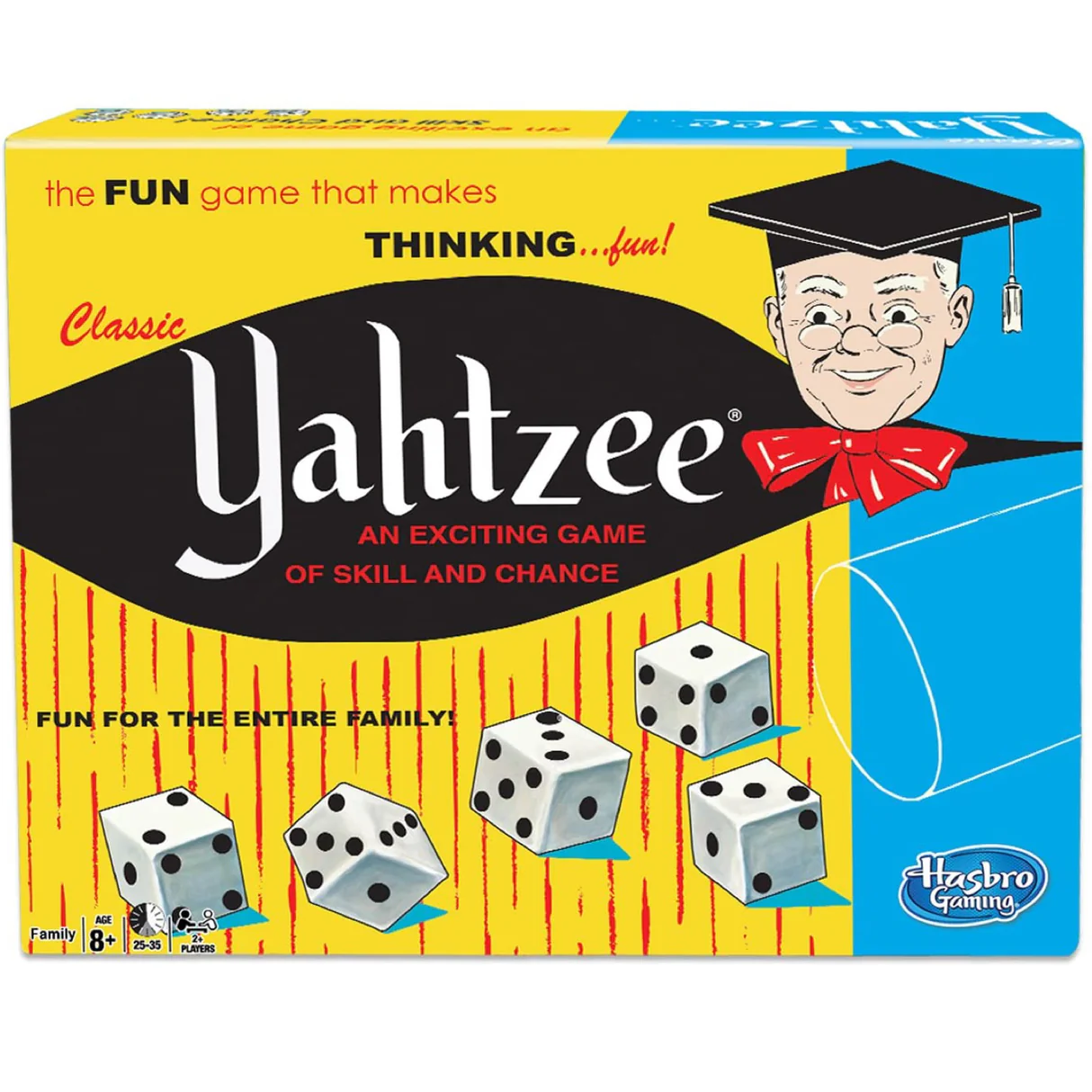
Players: 2-8 | Ages: 8+
Yahtzee has been around since 1956 and has sold over 50 million copies. You roll five dice up to three times per turn, set aside keepers, and score combinations on a fixed sheet. The strategy is entirely about understanding dice probability and expected value — when to chase a full house versus taking a safe three-of-a-kind.
I’ve played more Yahtzee in airports and hotel rooms than any other game on this list. Nobody thinks of it as educational, but every turn is a probability problem. Knowing that filling your Ones column early with a low score is sometimes the right expected-value move takes real math intuition.
Yahtzee works for families, travelers, and anyone who wants a cheap board game that trains probabilistic thinking through repetition.
3. Catan
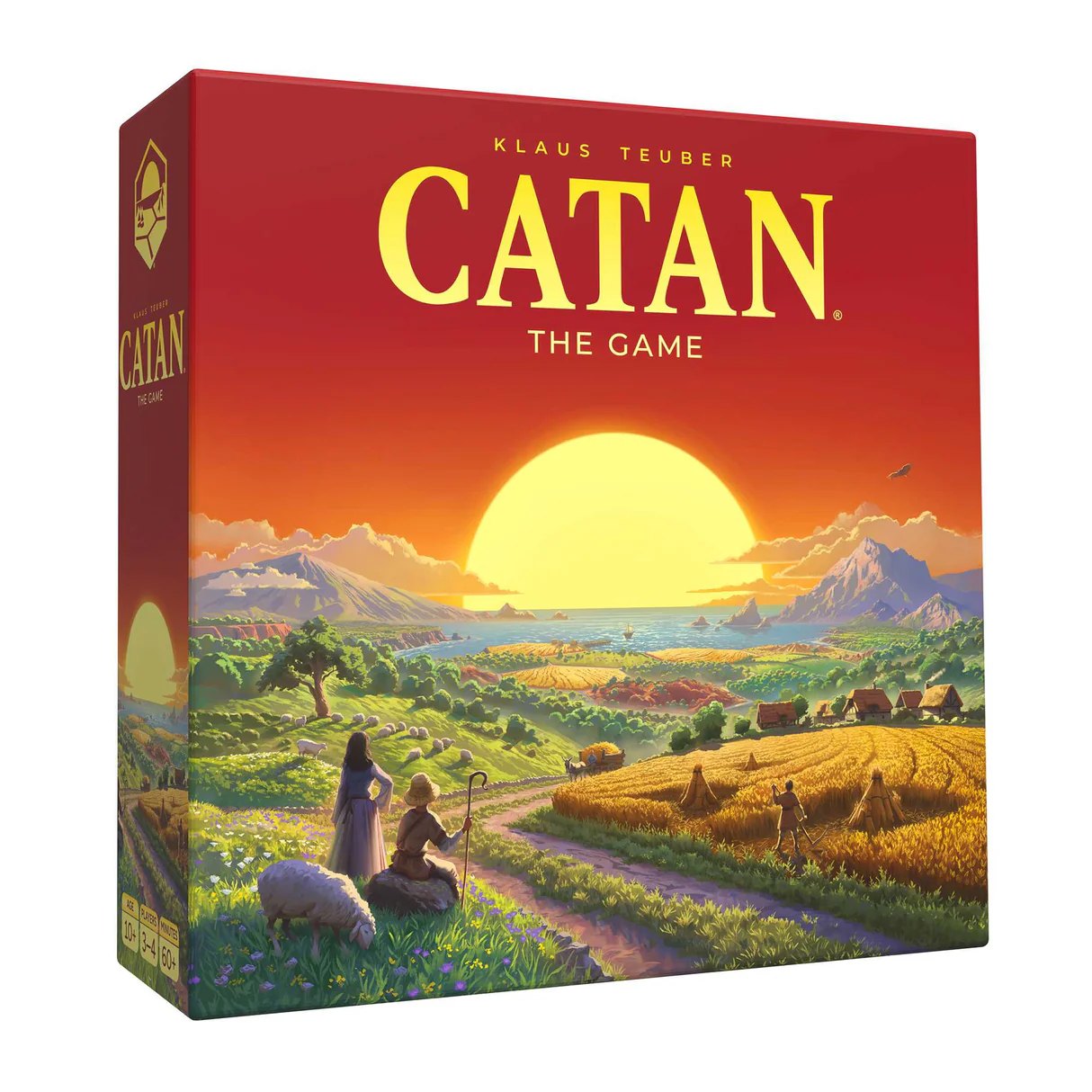
Players: 3-4 | Ages: 10+
Catan has sold over 32 million copies since its 1995 release. Players collect and trade resources based on dice outcomes tied to numbered hexes. Placement decisions hinge on understanding which numbers appear most often on two dice — settling near 6 and 8 hexes gives you statistically better odds than 2 or 12.
The probability math here is implicit but constant. Good Catan players know the distribution curve for two six-sided dice and use it to guide every settlement and road placement. Trading adds ratio math: is two wheat for one ore a fair deal given your production rates?
Catan works for older kids and adults who enjoy strategy. The 5-6 player expansion and the Seafarers and Cities & Knights expansions add more complexity for experienced groups.
4. Ticket to Ride
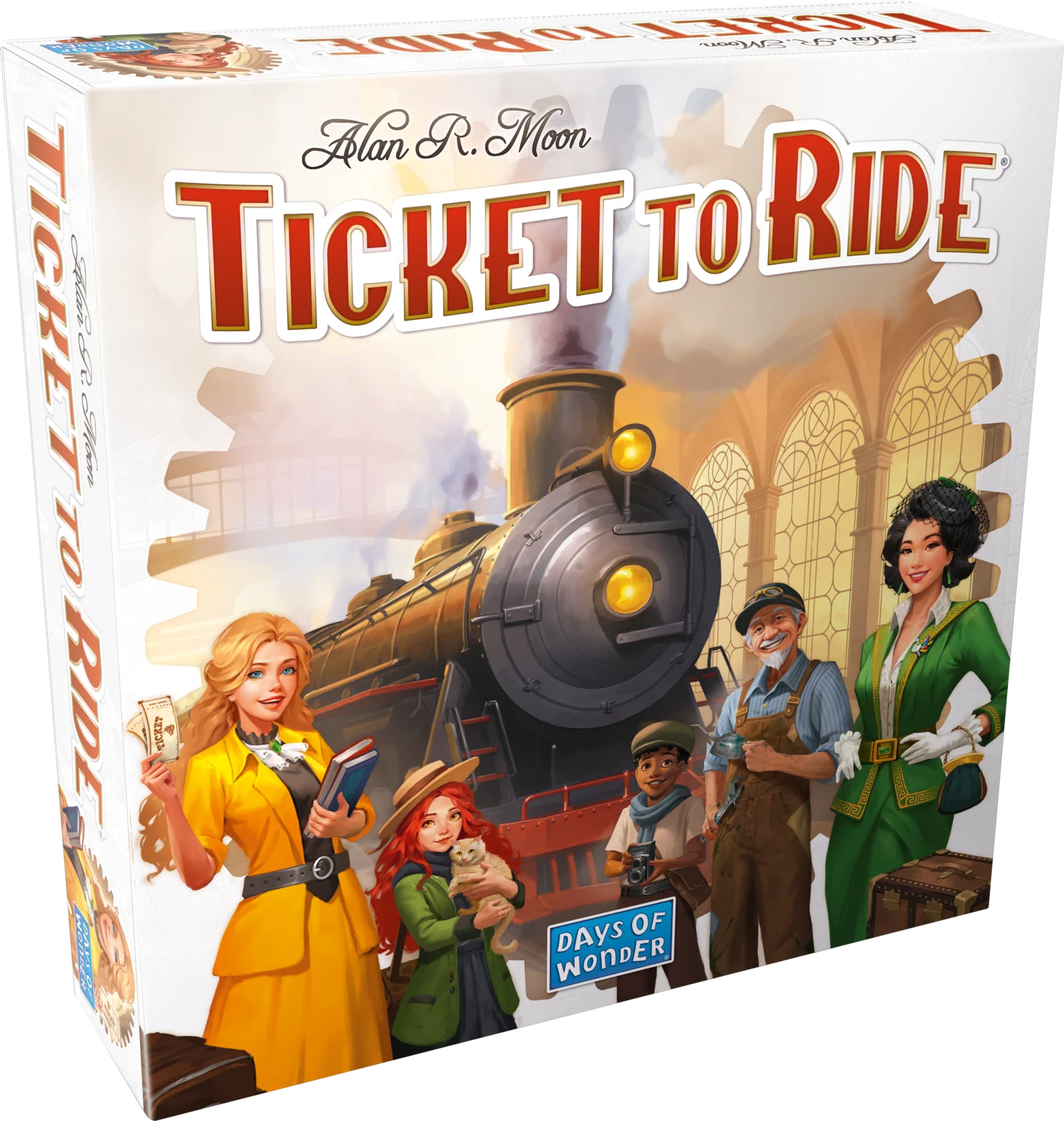
Players: 2-5 | Ages: 8+
With over 15 million copies sold, Ticket to Ride has players collecting colored train cards and claiming railway routes across a map. Every route costs a set number of matching cards, so you’re constantly counting your hand, comparing it to what’s available, and calculating how many turns you need to complete a ticket.
The math is counting and set collection, paired with risk assessment about whether another player will claim the route you need. My group treats it as a gateway game, and the addition practice is gentle enough that younger players don’t notice it.
Ticket to Ride suits families and mixed-age groups. The Europe, Nordic Countries, and First Journey editions adjust difficulty for different ages.
5. Qwirkle
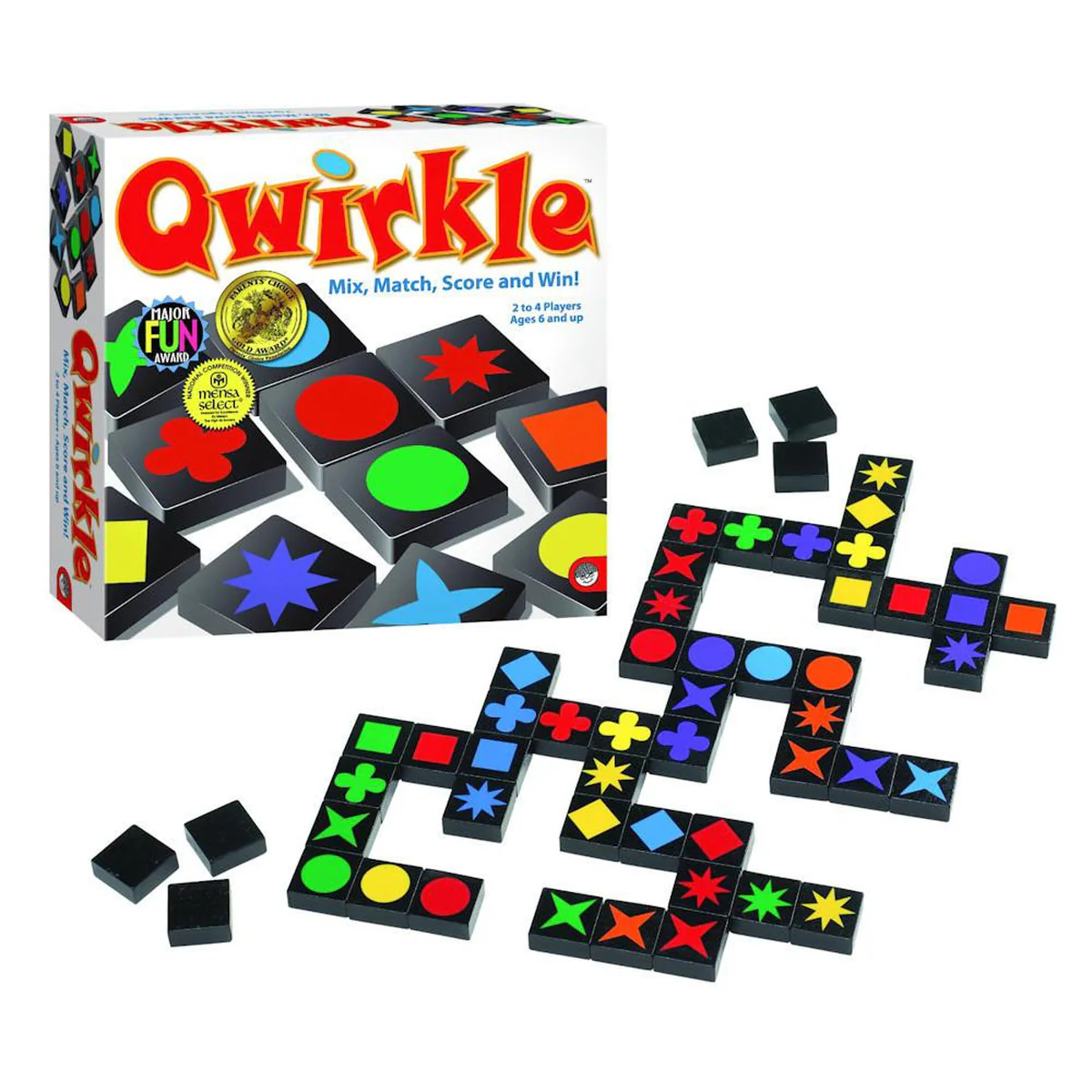
Players: 2-4 | Ages: 6+
Qwirkle won the 2011 Spiel des Jahres and has sold millions since. Players place tiles to build rows and columns that share either color or shape, scoring points equal to line length. Completing a line of six — a “Qwirkle” — scores a bonus. The constraint: no line can repeat any color-shape combination.
Scoring requires addition on every turn, and strong play means thinking ahead about set completion and blocking opponents. My family has played Qwirkle with ages ranging from 6 to 70, and it holds up across all of them. The chunky tiles feel good in your hands.
Qwirkle suits anyone looking for a game that covers combinatorial thinking and basic addition for a wide age range. Qwirkle Cubes adds a dice-rolling variant.
6. Blokus
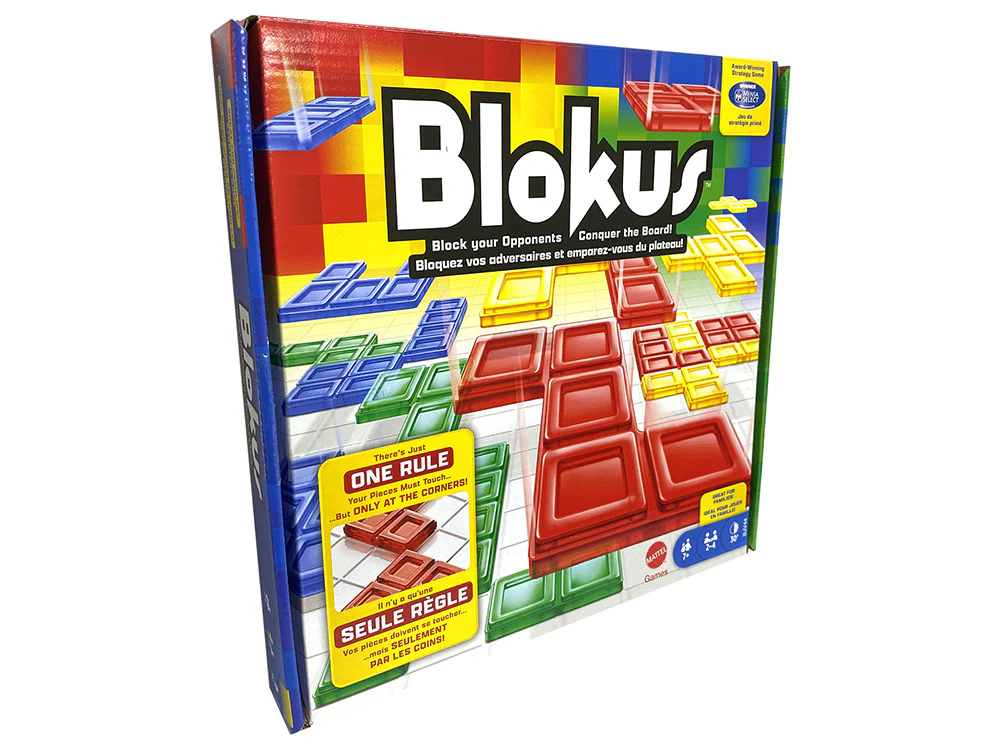
Players: 2-4 | Ages: 7+
Blokus is an abstract tile-placement game from Mattel where each player fits polyomino pieces onto a shared board. Your pieces can only touch corners — never edges — of your own color. The math is spatial geometry: visualizing how shapes fill area under strict adjacency rules.
Rules fit on a single card, but strong play requires real geometric intuition. Blokus is one of the few games here that works for players who struggle with number-based math but have strong visual-spatial skills. My kids gravitated to it long before they liked arithmetic games.
Blokus suits families and classrooms looking for puzzle-style games that build spatial reasoning. Blokus Duo is a two-player version with a smaller board.
7. SET
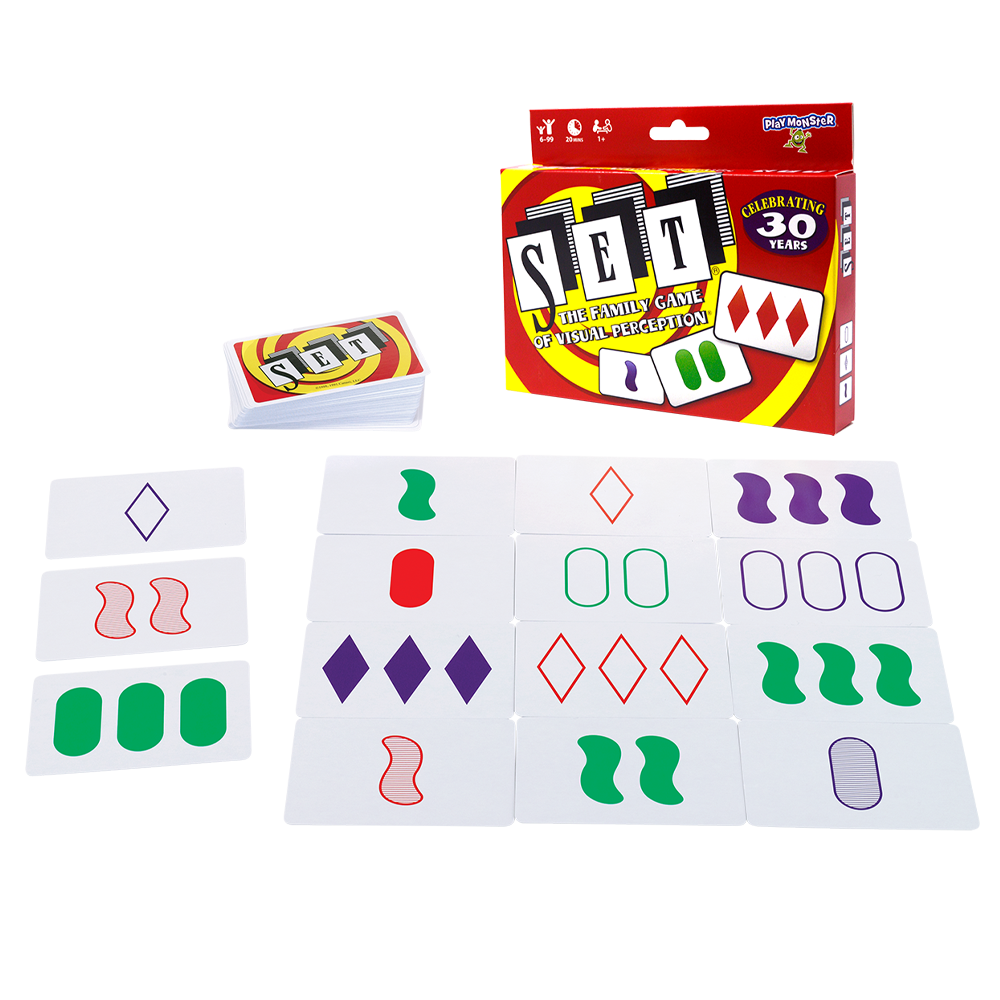
Players: 1-8 | Ages: 6+
SET from PlayMonster is a pattern-recognition card game where players race to find groups of three cards that satisfy a specific rule: for each of four attributes (color, shape, number, shading), the three cards must be all identical or all different. There are 81 cards total, and the combinatorial math behind valid sets is nontrivial.
SET scales well across skill levels. A beginner can occasionally spot a valid set before an expert. The underlying math — combinatorics and modular arithmetic — is advanced, but you don’t need to know that vocabulary to enjoy playing. My family reaches for SET more than most things on this list.
SET suits all ages from about 6 through adulthood. The Daily SET Puzzle is free online for between-session practice.
8. Prime Climb
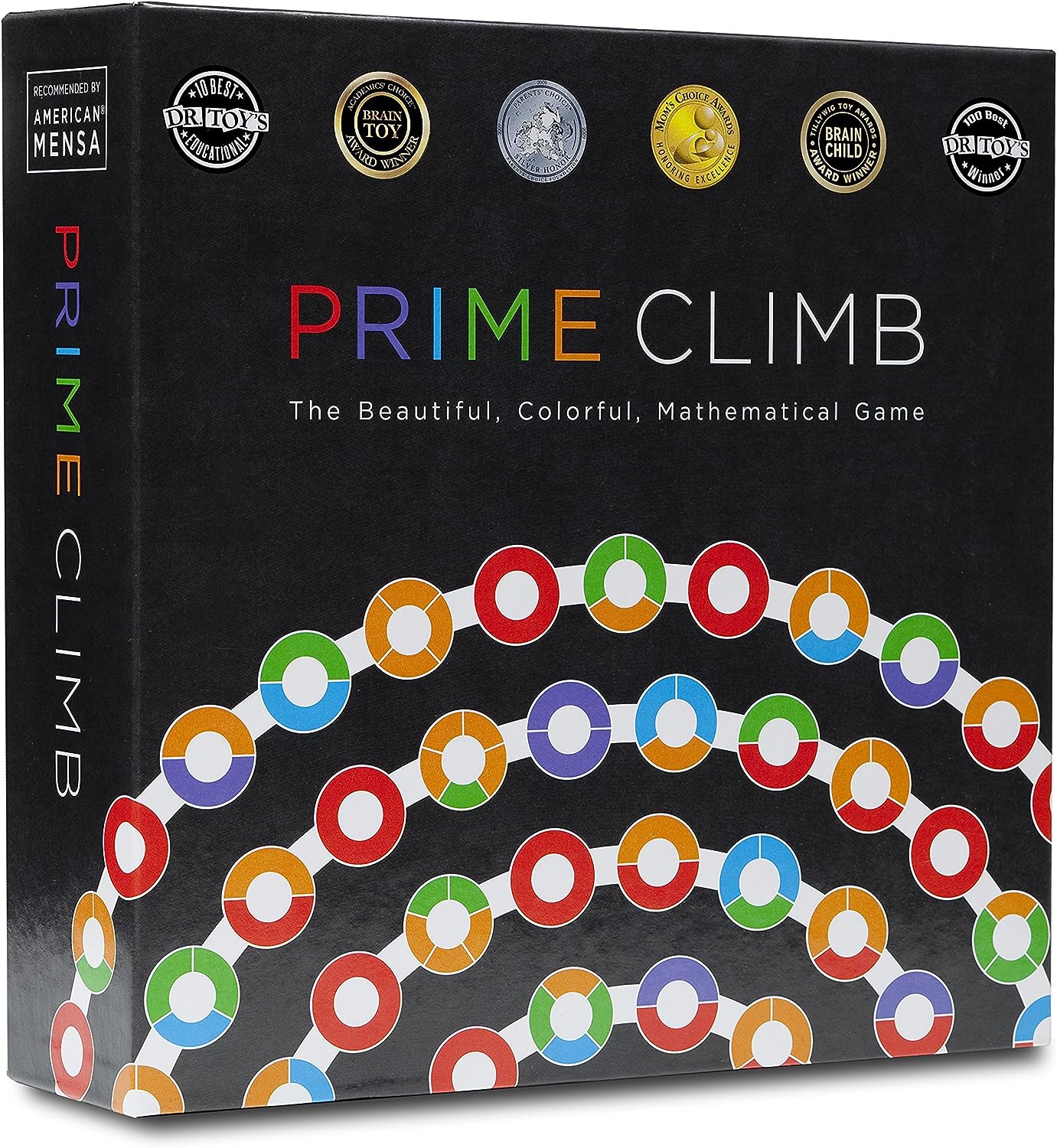
Players: 2-4 | Ages: 10+
Prime Climb from Math for Love has players racing two pawns from 0 to 101 by applying addition, subtraction, multiplication, or division to dice rolls. Each number on the board is color-coded by its prime factorization — 2 is always orange, 3 always green, 5 always blue. Composite numbers show combined colors.
That color system is the best design choice in any math game I’ve seen. Without explicit teaching, players start recognizing that 6 (orange and green) is 2 × 3. My group’s multiplication speed improved after a month of regular play in a way I can’t credit to anything else here.
Prime Climb suits families with kids 10 and up, homeschool groups, and adults who don’t mind a competitive race. It is the most-recommended dedicated math board game in most reviewer circles.
9. Sagrada
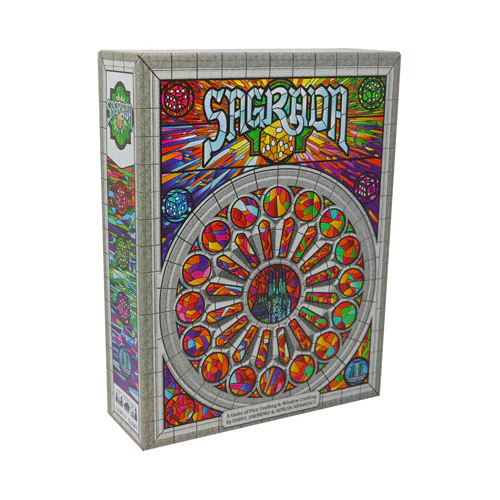
Players: 1-4 | Ages: 10+
Sagrada is a dice-drafting game where players build stained-glass windows on a 4×5 personal board. Each die has a color and a number (1-6), and placement rules prevent matching colors or numbers from sitting next to each other. Scoring comes from meeting public and private objectives tied to specific number patterns and color arrangements.
The number constraint math sneaks up on you. Every placement changes what can go in every adjacent space, so you’re constantly running “if I put a 4 here, can I still fit a 5 there?” calculations. Sessions run about 30 minutes and the translucent dice look great on the table.
Sagrada suits couples and small groups who enjoy spatial puzzles with a number layer. The 5-6 player expansion exists for bigger tables.
10. Can’t Stop
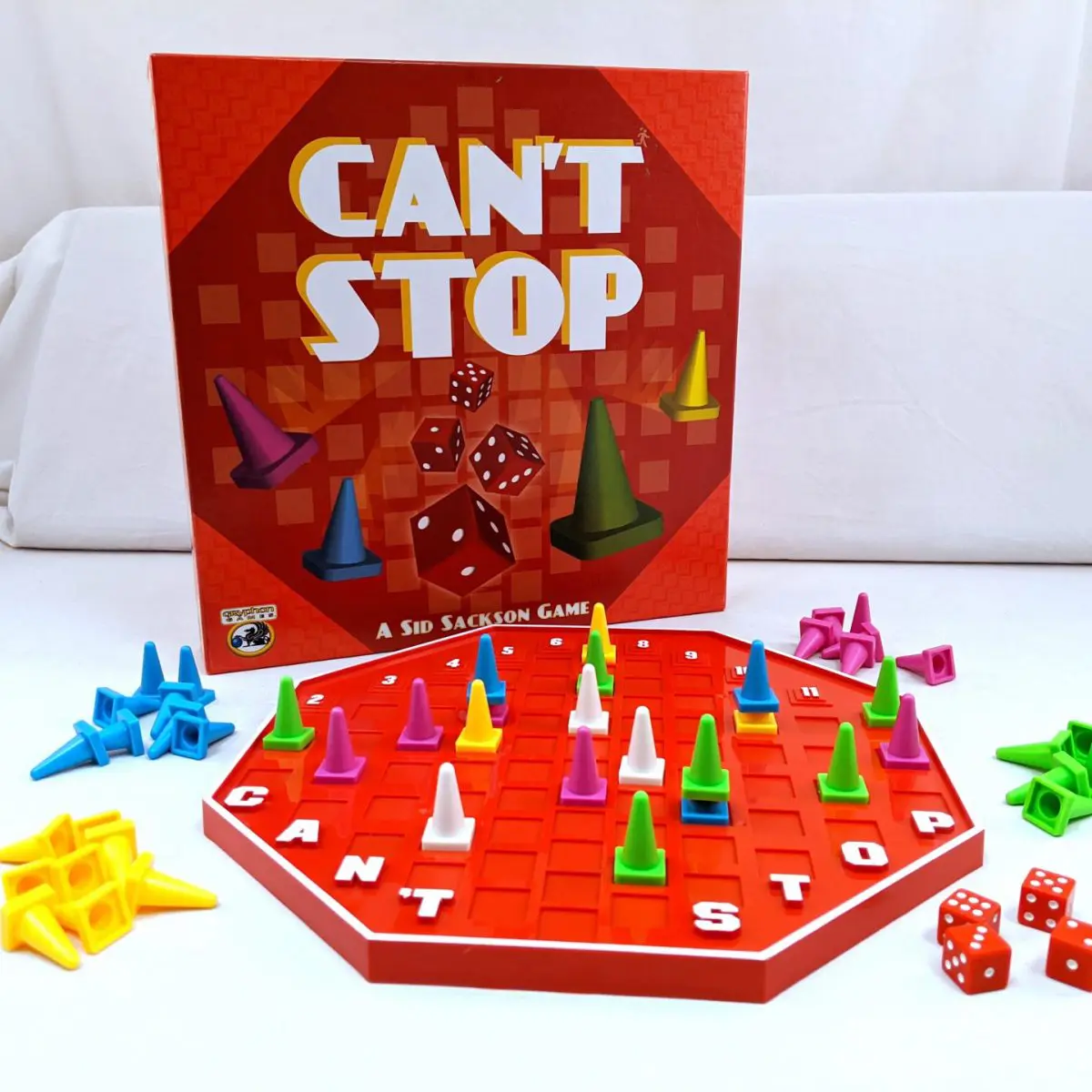
Players: 2-4 | Ages: 9+
Can’t Stop is Sid Sackson’s 1980 push-your-luck classic. Players roll four dice, pair them into two sums, and advance markers up columns numbered 2 through 12. Column width reflects how probable each sum is — column 7 is widest because 7 has the most two-dice combinations.
Probability is the entire game, not a background element. The “just one more roll” tension keeps sessions gripping, and you develop genuine intuition for dice distributions through play. I’ve owned three copies because I keep wearing them out.
Can’t Stop suits anyone who wants a light, endlessly replayable game that builds probabilistic thinking. Good for families, classrooms, and game nights where you want something fast between heavier titles.
11. Wits & Wagers
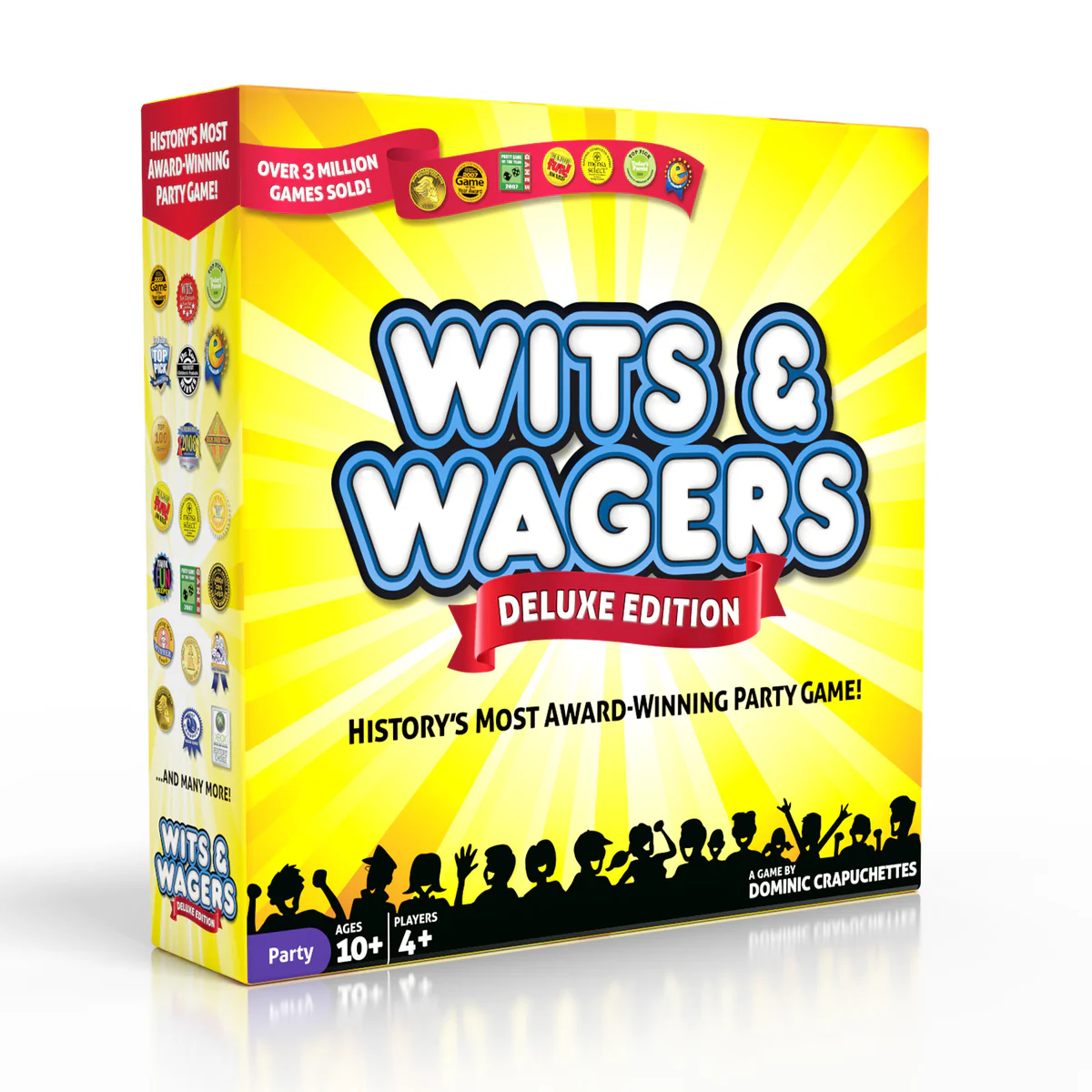
Players: 3-7 | Ages: 10+
Wits & Wagers from North Star Games asks trivia questions that always have a numerical answer. Everyone writes a guess, all answers go face up, and then players bet on whose answer is closest. You don’t need to know the right answer — you just need to estimate who’s closest.
The math here is estimation and confidence calibration. Deciding whether to bet on the highest guess or the median one requires informal statistical reasoning. My family uses it at holiday gatherings with relatives who would never agree to anything that sounds educational.
Wits & Wagers suits party settings and mixed groups who want numerical reasoning wrapped in a social experience. The Family Edition lowers the complexity for younger players.
12. That’s Pretty Clever
Players: 1-4 | Ages: 8+
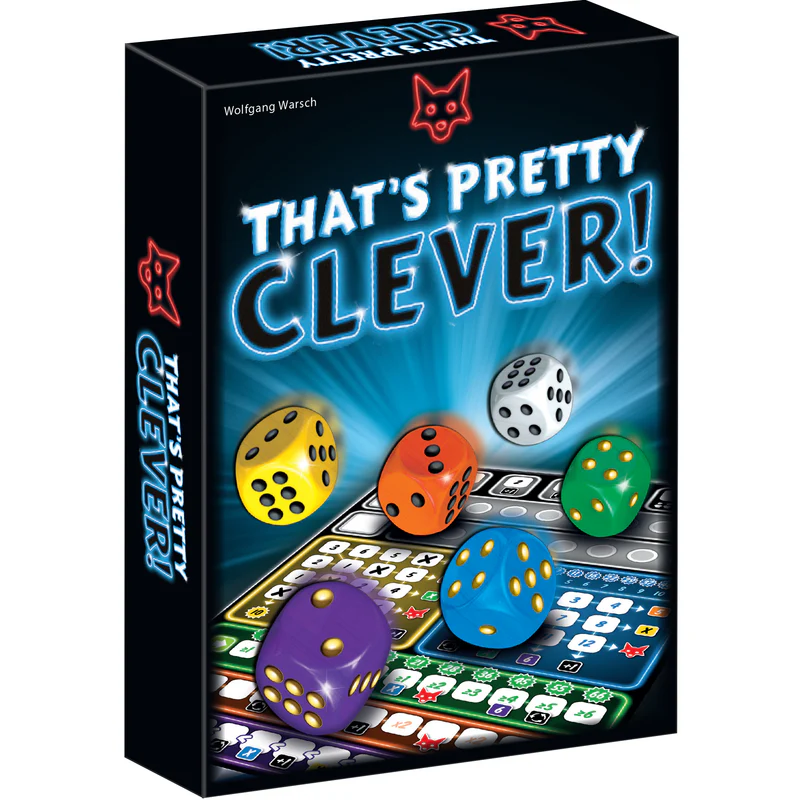
That’s Pretty Clever (Ganz Schön Clever) from Schmidt Spiele is a roll-and-write where players assign dice across six colored scoring categories with different mathematical payoff curves. Scoring chains between categories create compound effects you have to calculate across the sheet every turn.
The math is genuinely demanding — you’re evaluating expected value, spotting scoring chains, and deciding whether a 6 in one category outperforms a 3 in another given your current state. My group found it more engaging than games at twice the price. The solo mode is excellent.
That’s Pretty Clever suits players who enjoy optimization puzzles. Two sequels (Twice As Clever and Clever Cubed) add new scoring grids without changing the core system.
13. Quixx
Players: 2-5 | Ages: 8+
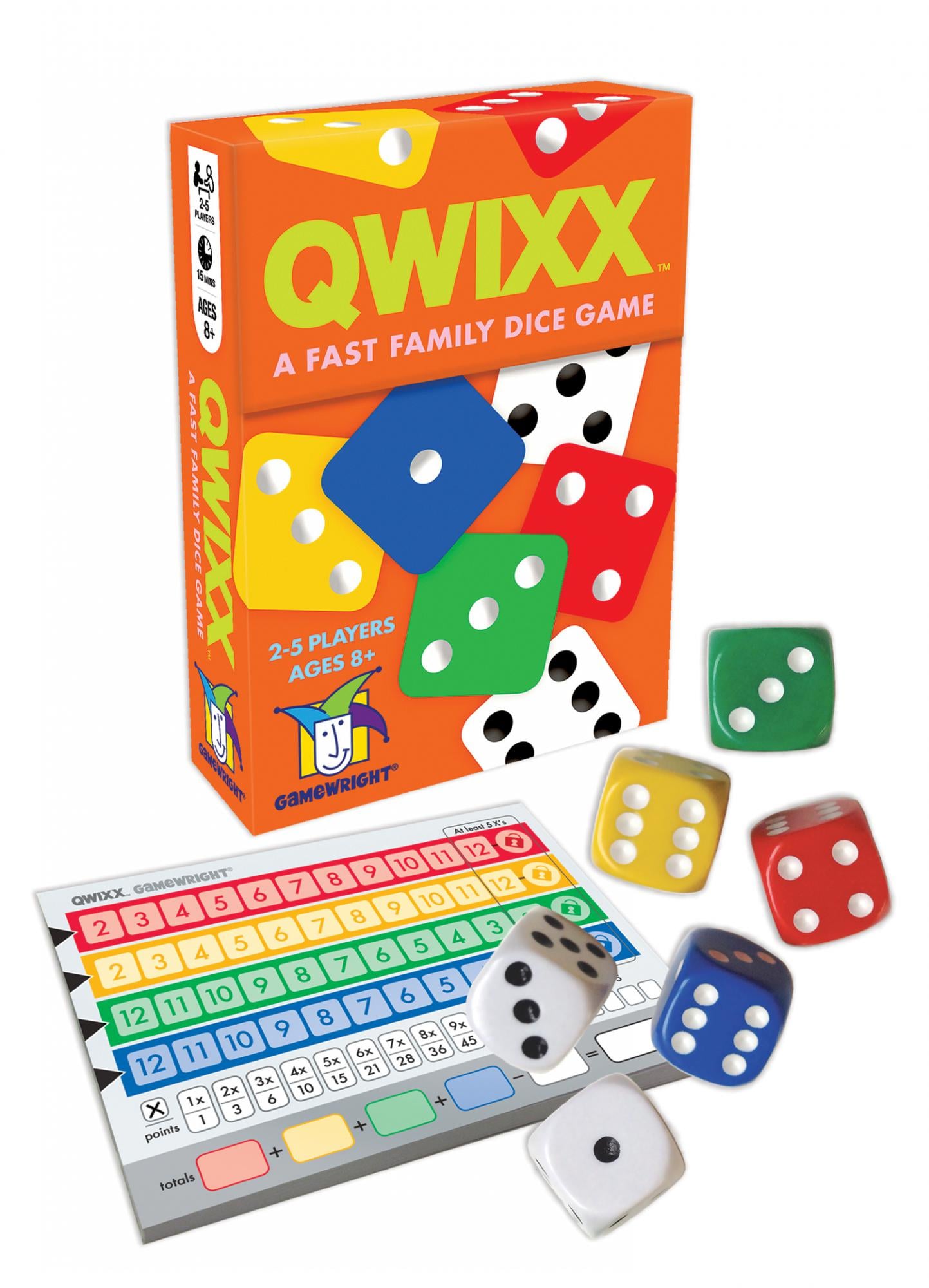
Quixx is a roll-and-write from Gamewright where players mark off numbers on four colored rows. Rows ascend or descend in strict order, and you can only mark numbers to the right of your last mark. Each turn, you calculate which dice sums apply to your current sheet.
The arithmetic is simple, but the constraint structure forces planning across future turns. It’s closer to algebraic thinking than it looks at first glance. My group has played over a hundred sessions and still reaches for it regularly. The Deluxe version with dry-erase boards is worth the upgrade.
Quixx suits families and groups who want an inexpensive, fast game pairing addition with forward-planning. A solid pick if you enjoy simple gateway games.
14. Sleeping Queens
Players: 2-5 | Ages: 8+
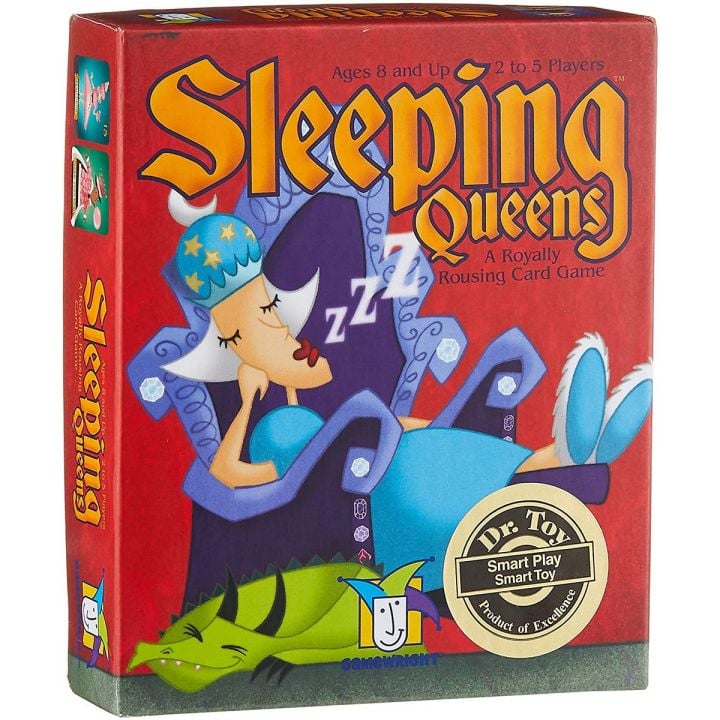
Sleeping Queens from Gamewright has players waking queens using number cards and special actions. The key mechanic: when you can’t play a single card, you discard two or more cards that add up to another card in your hand. Addition practice is baked into every turn rather than bolted on as an afterthought.
The card art draws in younger kids who might resist anything labeled “math.” My niece played this for over a year straight without anyone prompting her. The ceiling is low for older players, but it bridges the gap for kids who find number games intimidating.
Sleeping Queens suits children between 5 and 9 who need addition reps and respond better to card games than worksheets.
15. 24 Game
Players: 1-4 | Ages: 9+
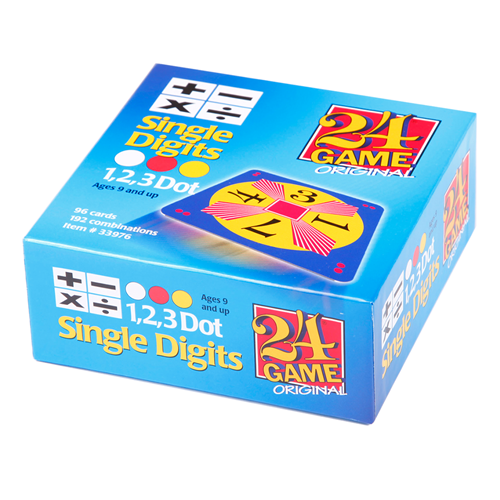
The 24 Game from Suntex International gives players four numbers and asks them to combine all four using any operations to reach exactly 24. Cards come in three difficulty tiers. No board, no theme — just pure mental math under competitive pressure.
Using all four numbers forces flexible thinking about operation order and when parentheses matter. My son’s teacher ran classroom competitions with it, and his comfort with multi-step arithmetic improved fast. It’s unglamorous but effective at what it does.
The 24 Game suits classrooms, homeschool settings, and families who want focused mental math practice for kids who already know their four operations.
16. Mastermind
Players: 2 | Ages: 8+
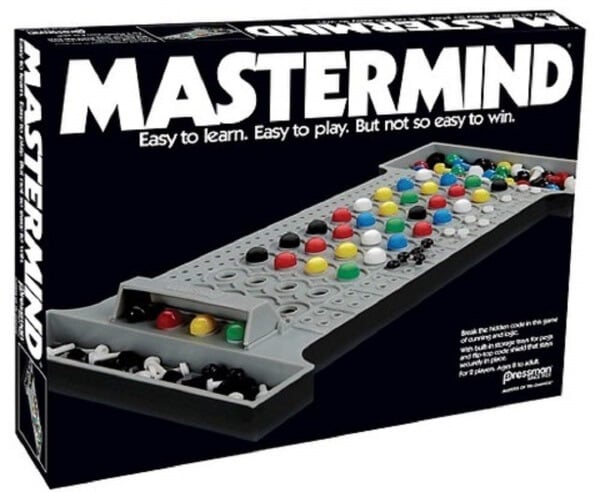
Mastermind from Hasbro is a code-breaking game. One player sets a hidden sequence of colored pegs; the other uses feedback from each guess to deduce the code. The math is combinatorial logic — systematically narrowing the possibility space based on what each round of feedback reveals.
This isn’t arithmetic, but it’s real mathematics. Strong play means tracking what’s been ruled out and adjusting your remaining search space, which is the same reasoning behind set theory and conditional probability. The two-player face-off makes it tense.
Mastermind suits pairs who enjoy deduction games and want to build systematic logical reasoning. Cheap and available almost everywhere.
17. Equate
Players: 2-4 | Ages: 8+
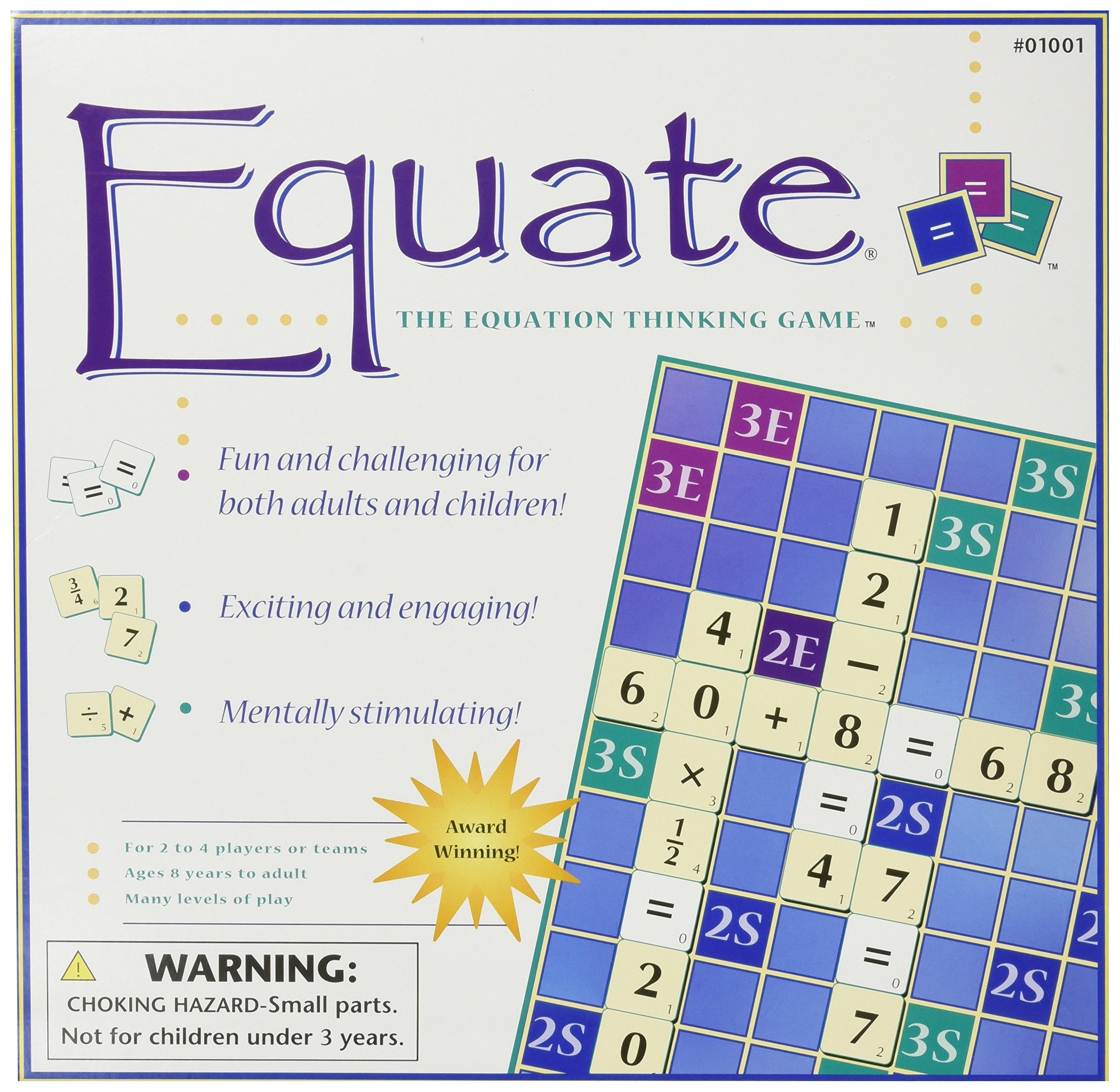
Equate is a Scrabble-style game where players lay number and operation tiles on a grid to form valid equations, scoring based on tile values and bonus squares. The Deluxe version includes fraction tiles, which adds real complexity.
My family found the fraction version more interesting than the base game by a wide margin. Setup is slow given the tile count, and the equation-balancing constraint is harder than it looks. For middle-schoolers bored by drill games, the strategic layer keeps them at the table.
Equate suits older kids and adults who want equation practice wrapped in a game with actual decision-making. The fraction tiles make it especially useful during that tricky school unit.
18. Sum Swamp
Players: 2-4 | Ages: 5+
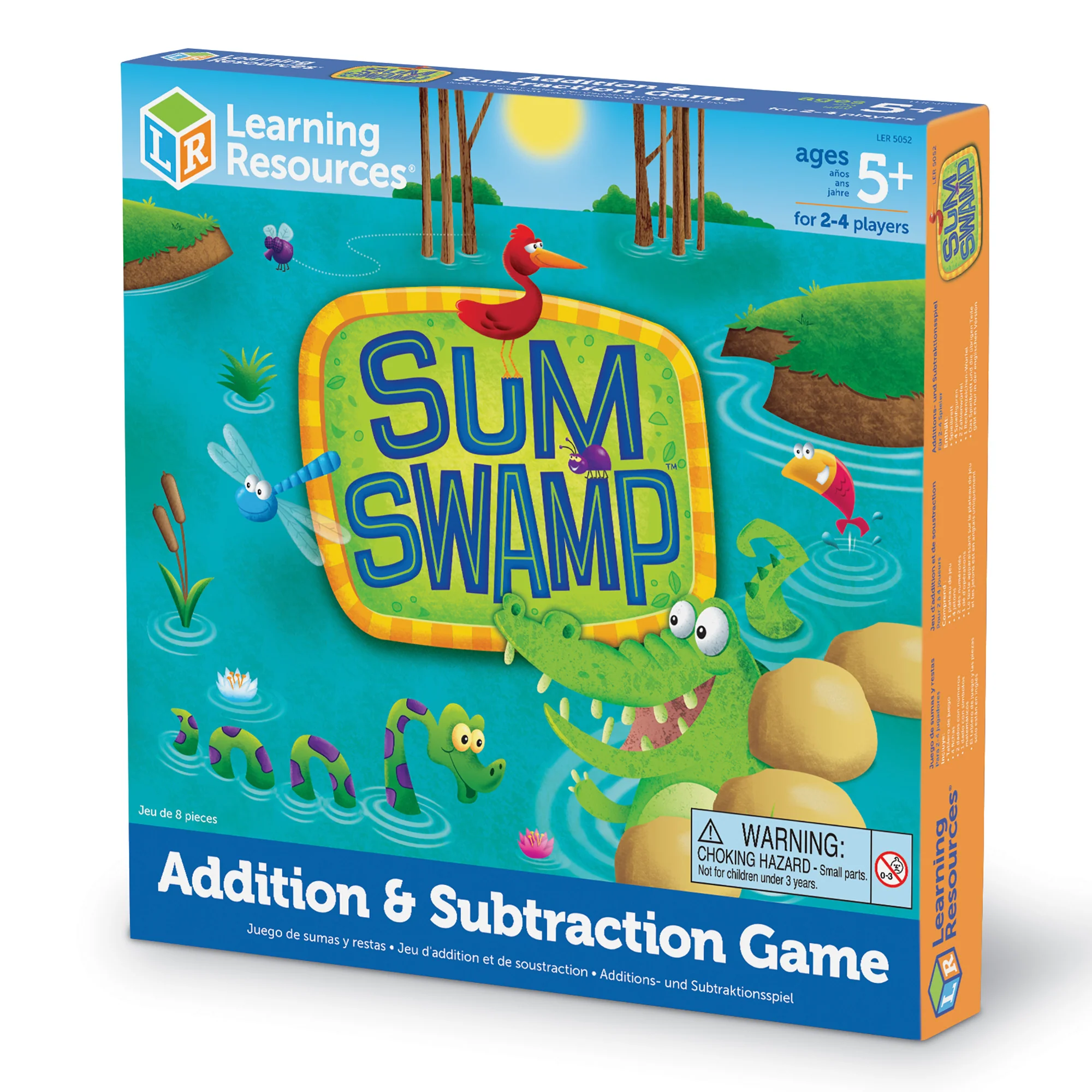
Sum Swamp from Learning Resources is an addition and subtraction path game for early learners. Players roll two number dice and one operation die, solve the equation, and move through a creature-themed swamp. Equations stay in single-digit territory throughout.
My kids played this hard between ages 5 and 7. The physical path gave it enough of a game feel to hold their attention, and every roll required an actual answer. No auto-solving, no shortcuts. It won’t hold anyone past second grade, but within that window it works well.
Sum Swamp suits children just learning single-digit addition and subtraction who need practice that doesn’t feel like homework. It’s a common pick for kids’ board games in that age bracket.
19. Proof!
Players: 2-6 | Ages: 9+
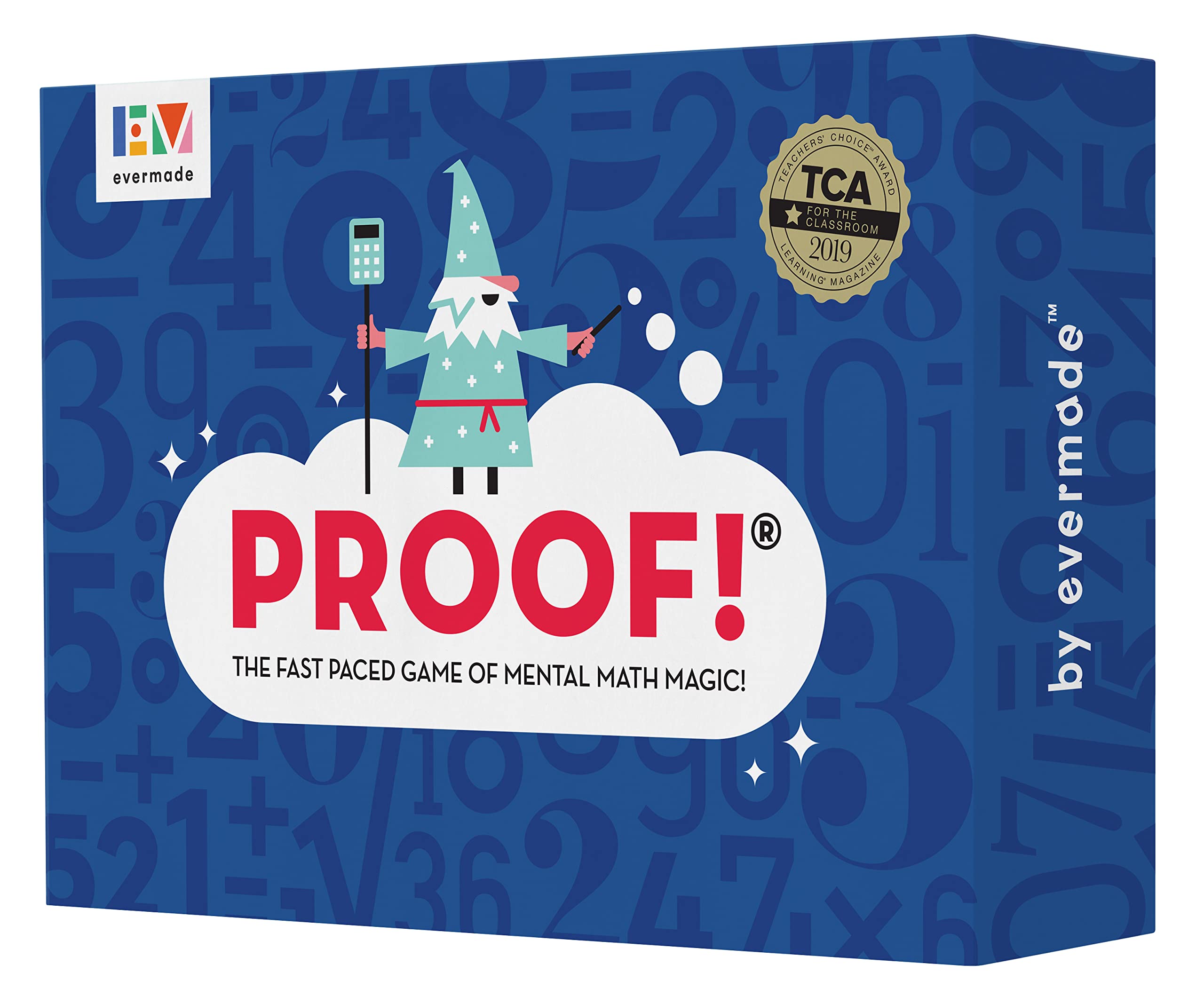
Proof! from The Op gives players a grid of nine number cards and asks them to spot three cards forming a valid equation using any operations. Prime number cards create interesting edge cases since primes can’t be factored, which forces different paths to solutions.
Speed is part of the mechanic, but difficulty self-adjusts — a harder equation counts as much as a simple one, so quick players don’t automatically dominate. My family has mixed math abilities and Proof! is one of the few games where everyone stays engaged throughout.
Proof! suits mixed-age groups wanting a quick math game with genuine problem-solving depth. Good for classrooms as a warm-up activity.
20. Math Dice
Players: 1-8 | Ages: 8+
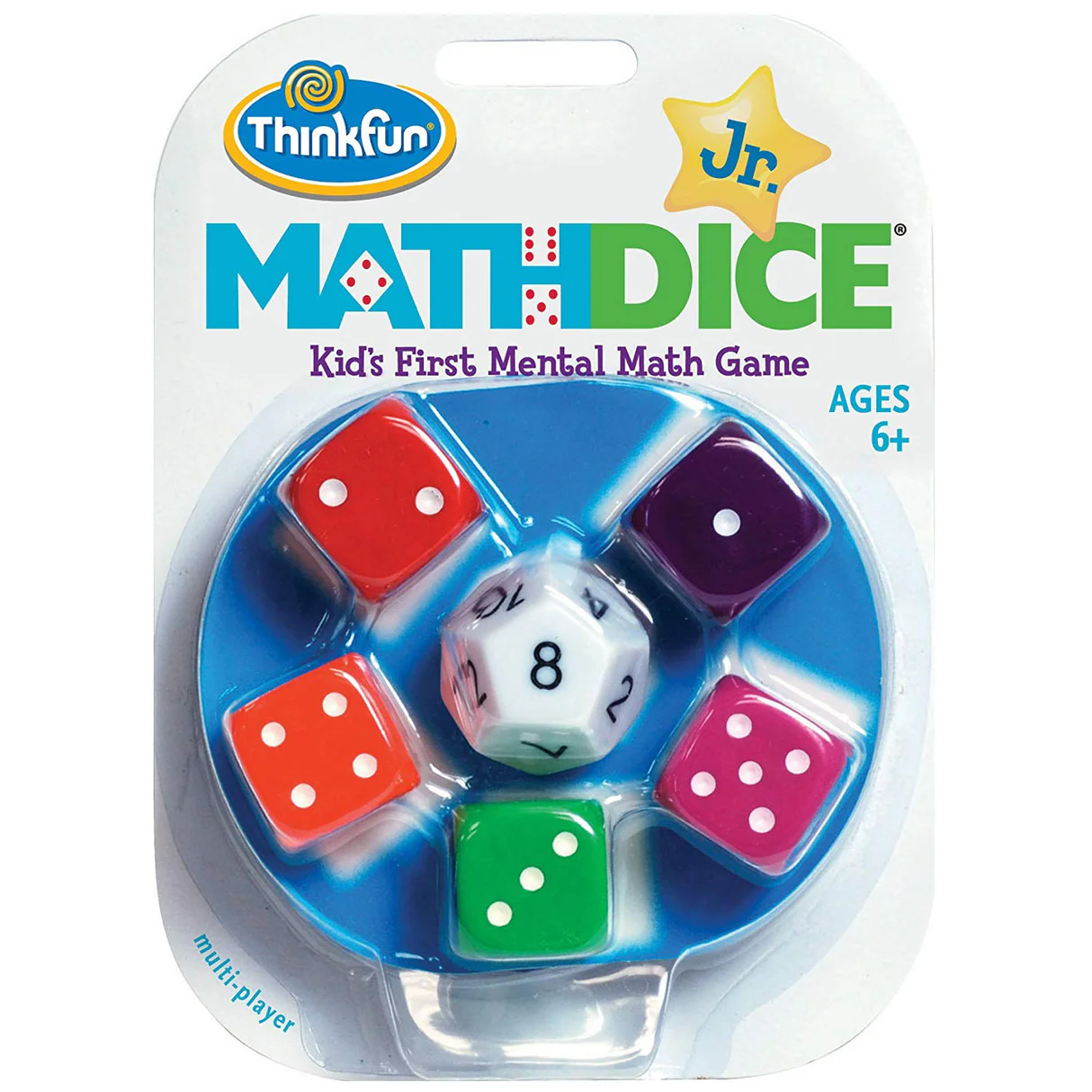
Math Dice from ThinkFun gives players a target number on two 12-sided dice and three scoring dice to combine using any operations. Rules take under a minute to explain. A Junior version exists for younger players working with smaller numbers.
It works best as a quick mental math warm-up. The lack of a board makes it more portable than most things here — my family uses it in the car more than at a table. It’s closer to a drill wrapped in competition than a full game, but for arithmetic fluency it’s efficient.
Math Dice suits anyone who wants something fast, cheap, and travel-friendly for mental math practice with kids who already know their four operations.
21. Tiny Polka Dot
Players: 2-4 | Ages: 3-8
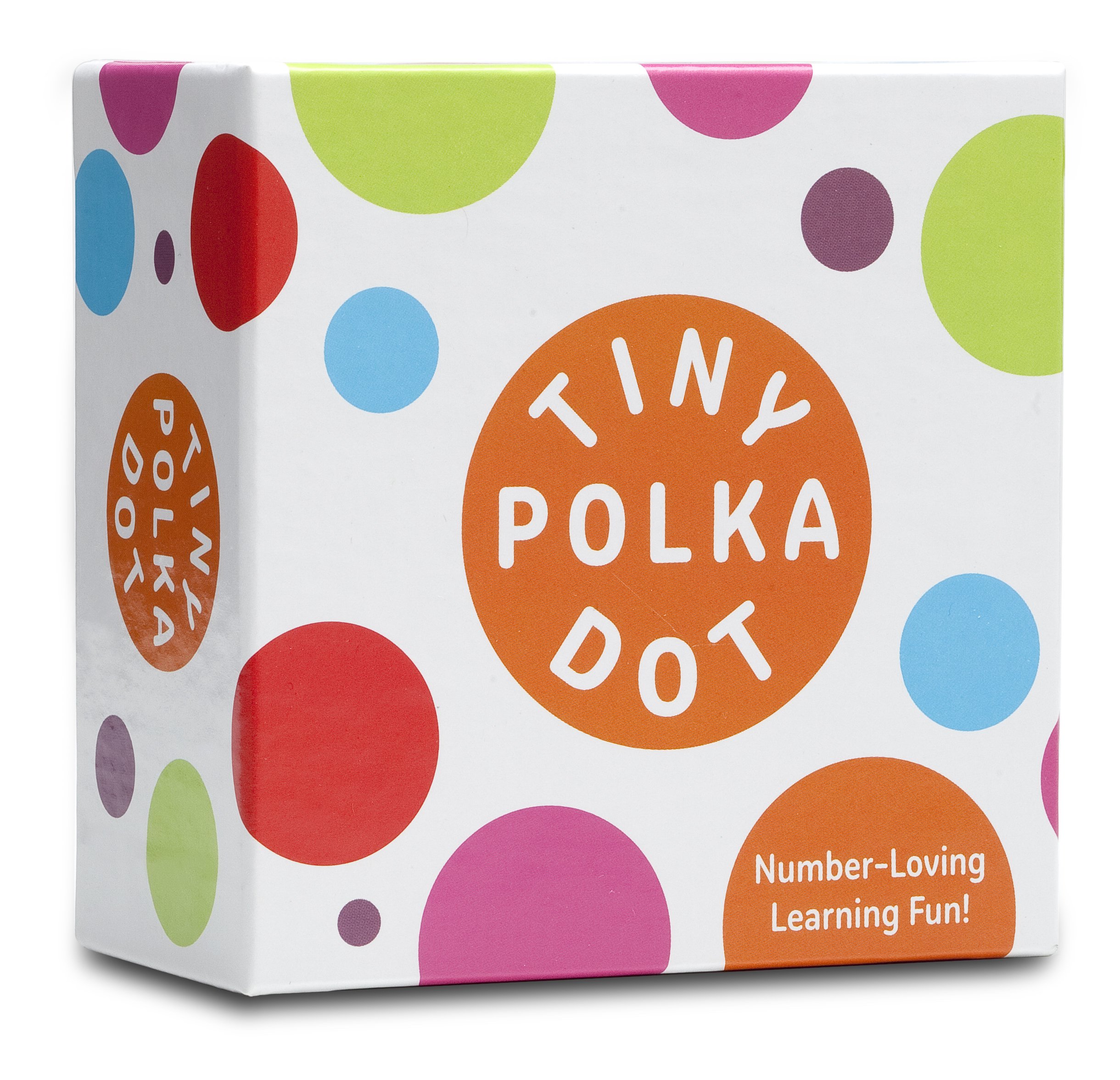
Tiny Polka Dot from Math for Love is a card system with six built-in games at varying difficulty, covering number recognition, counting, addition, and comparison. Cards show numbers as dots, numerals, dice faces, and tallies — so children connect the same value across different formats.
The multi-game structure is what sets it apart. You start with simple matching and add harder variants as the child grows. My youngest worked through four of the six games over about eight months. For pre-K through second grade, it covers more developmental ground than anything else at this price point.
Tiny Polka Dot suits parents or teachers who want a single purchase that grows with a child from basic counting through early addition.
22. Clumsy Thief
Players: 2-6 | Ages: 8+
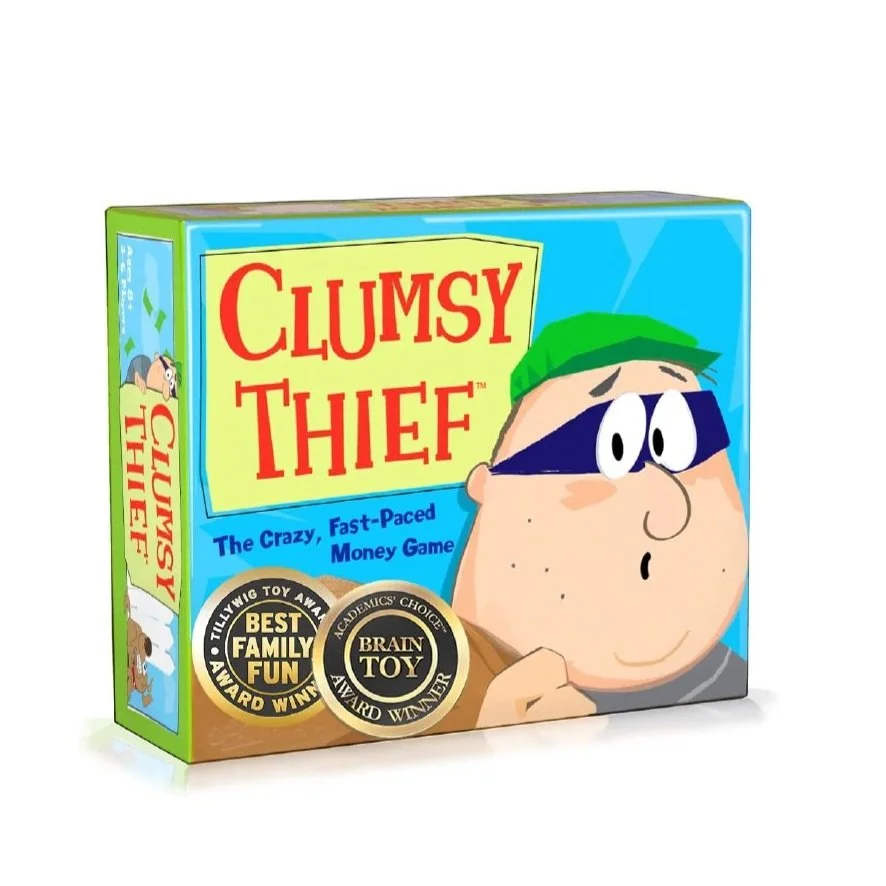
Clumsy Thief from Melon Rind is built entirely around adding numbers to 100. Players build card stacks summing to exactly 100 and steal each other’s completed piles. Every turn requires quick mental addition, and the theft mechanic creates real stakes around protecting your work.
Clumsy Thief does one thing — addition to 100 — and does it well. My son played it constantly at 9 and his mental arithmetic speed improved over several weeks. Older kids will outgrow it, but for its target range it’s more efficient than fancier alternatives.
Clumsy Thief suits kids who need repetitions adding to 100 and you’d rather they ask for more practice instead of avoiding it.
23. Primo
Players: 2-4 | Ages: 10+
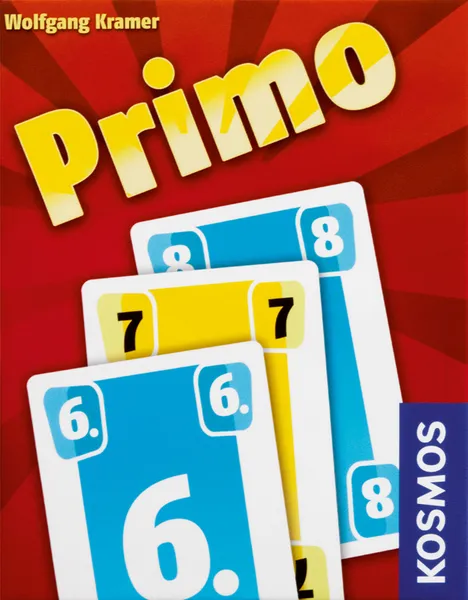
Primo from Math for Love is built around prime factorization. Players move by multiplying their position by a prime number, navigating through composites using factor chains. Every move requires reasoning about divisibility and prime structure.
Prime factorization is one of those concepts most students find abstract and pointless. Primo makes it mechanical and competitive. My son’s reaction after his first session: “Oh — that’s why prime numbers matter.” Math for Love’s design quality is consistently high across their catalog.
Primo suits middle-school-age players or advanced younger learners who need hands-on work with divisibility and primes. Pairs well with Prime Climb for a math-focused game shelf.
24. Zeus on the Loose
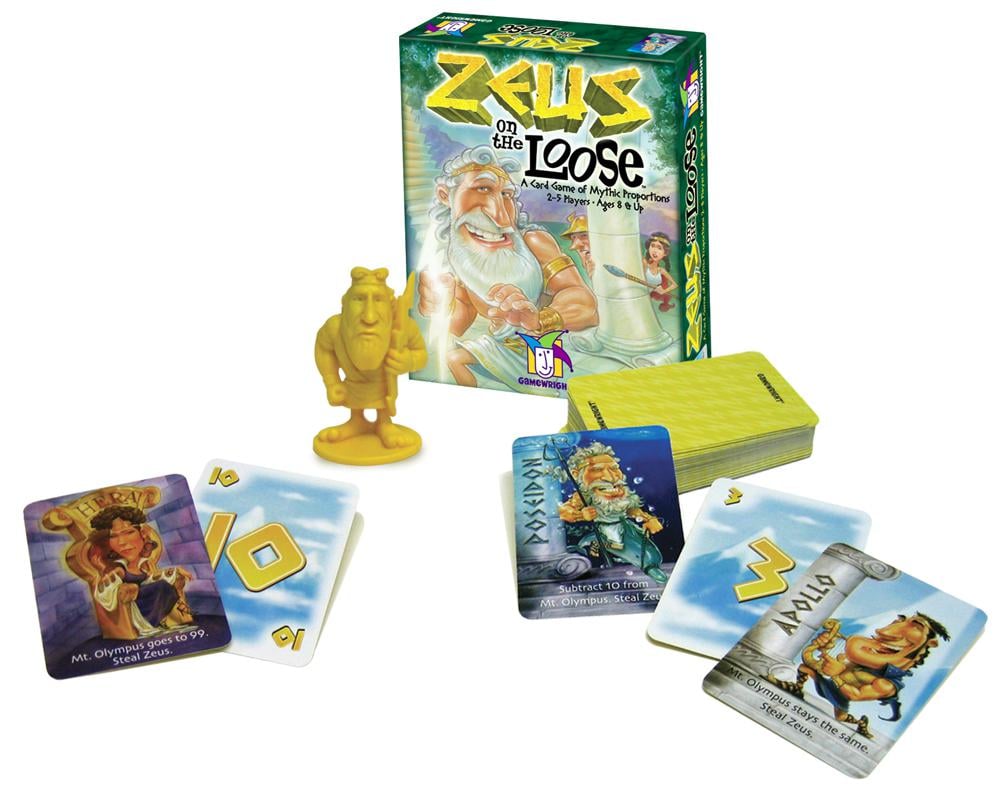
Players: 2-5 | Ages: 8+
Zeus on the Loose from Gamewright is a card game where a running total climbs toward 100. Players try to capture Zeus when the total hits a multiple of 10 or meets other specific conditions. You add each card’s value to a shared running total in your head, which requires sustained mental arithmetic across an entire hand.
The running total makes the math purposeful — you’re tracking a number because it matters for your strategy, not because someone asked you to. Teacher friends of mine use it as a classroom warm-up. Sessions run about 15 minutes and the price is low.
Zeus on the Loose suits anyone who wants something cheap and portable for mental addition practice without the flashcard feeling.
25. Money Bags
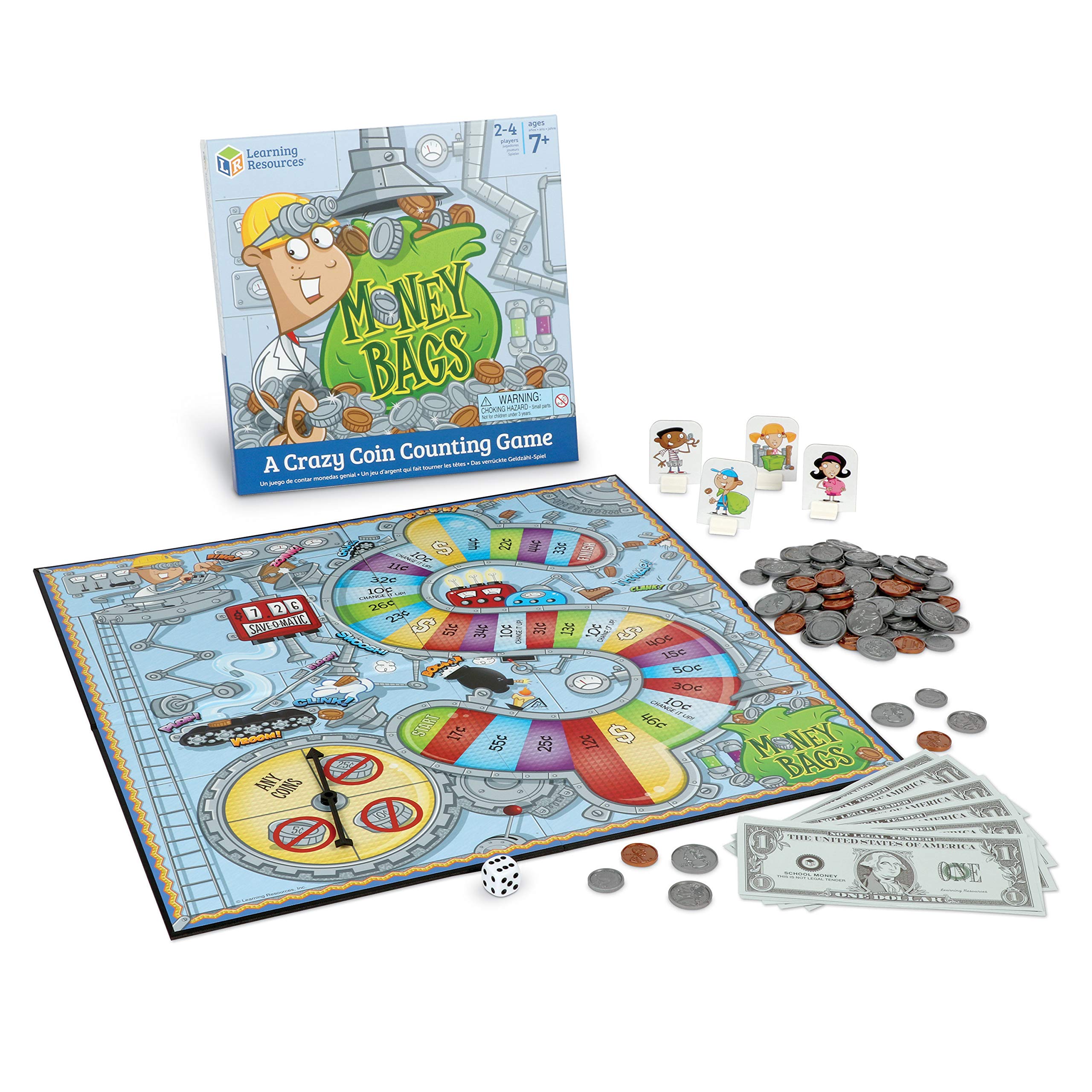
Players: 2-4 | Ages: 7+
Money Bags from Learning Resources is a coin-counting game where players move around a board collecting different denominations and make change as part of regular play. It includes physical plastic coins, which matters — handling actual coin combinations is different from doing it on a screen.
My daughter found this more useful than money-counting apps because she had to physically work through each combination. The board is simple and play gets repetitive once the relationships click, but for its target age it covers a specific and often-underdeveloped skill.
Money Bags suits kids in the 7-10 range who need focused work on coin values and making change. Currency math is genuinely hard to find in board game form.
26. Swish
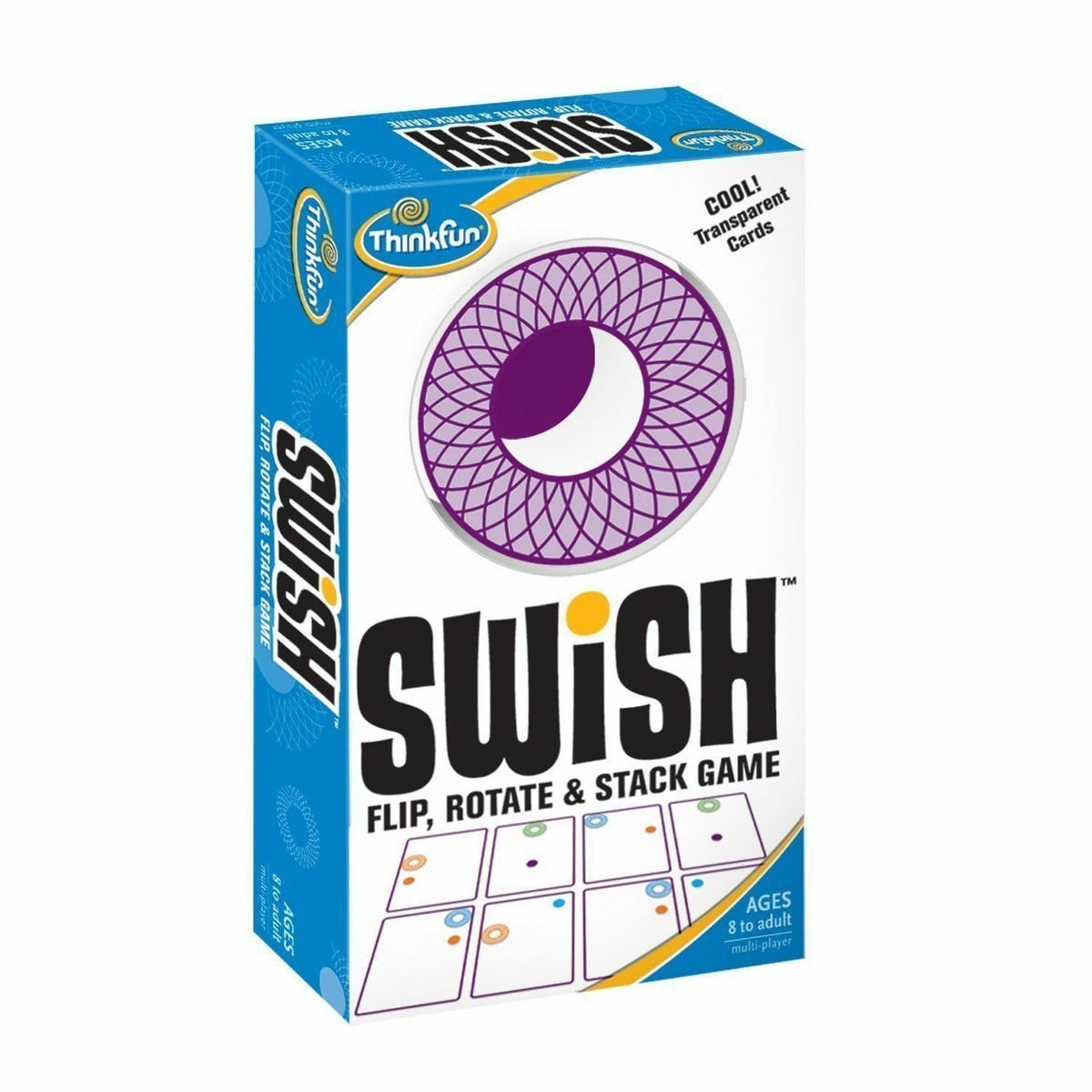
Players: 1-4 | Ages: 9+
Swish from ThinkFun is a spatial reasoning card game where players spot which transparent cards can be overlaid and rotated to make balls land in hoops. The skill is geometric visualization — mentally flipping and rotating shapes to find valid combinations.
Spatial reasoning is increasingly recognized as a core math skill, and Swish is one of the cleaner implementations in card form. My older kids still reach for it occasionally, and it covers a type of math thinking that most games on this list ignore entirely. The speed element adds pressure that some players love.
Swish suits visual learners who aren’t naturally drawn to arithmetic games and want to build geometric thinking alongside number skills.
27. Blink
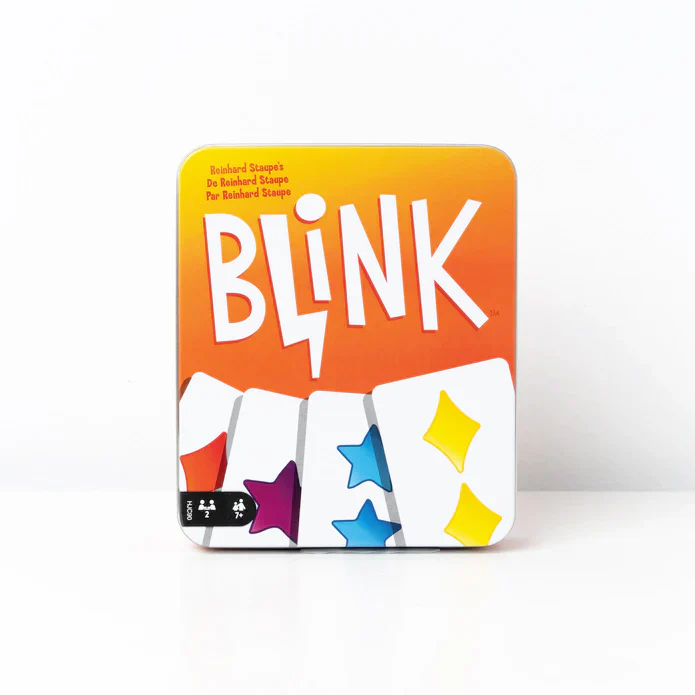
Players: 2 | Ages: 7+
Blink from Mattel is a two-player speed card game where players match cards by color, count, or shape. The math is lightweight — fast number recognition and pattern matching — but the speed element forces quick visual processing that builds number fluency over time.
Blink isn’t a deep math game. But for young players building number recognition and pattern processing speed, it works. My kids went through a heavy phase with it around ages 7-8. Sessions last under five minutes, making it easy to fit anywhere.
Blink suits early elementary kids who need number recognition and pattern matching practice. Good as a quick warm-up game before something heavier on the table. For more two-player board game options, plenty of cooperative picks exist too.
Our Verdict
Prime Climb earns the top spot because its visual design and its mathematical structure are the same thing — you’re not using math to play the game, you’re playing with the math itself.
Most of these games work best for specific age ranges and skill gaps, so if you’re shopping for one, the entry notes should point you to the right fit faster than trying to find a single all-ages answer.
If you want to extend your game nights into cooperative territory that still rewards numerical thinking, our top 40 cooperative board games has crossover picks worth considering, and the cooperative board games for two players list narrows it down if you’re buying for a pair.
FAQs
What is the best math board game for young kids?
Sum Swamp and Tiny Polka Dot are the strongest picks for ages 3-7. Sum Swamp covers addition and subtraction through dice rolling, while Tiny Polka Dot includes six games that grow with your child from counting through early arithmetic.
Are math board games effective for learning?
Yes. A 23-year research review published in Early Years found that children aged 3-9 who play number-based board games show measurable improvement in counting, addition, and numerical recognition compared to peers who don’t.
Which math board game works best for adults?
Prime Climb, Catan, and That’s Pretty Clever all hold adult attention well. Prime Climb covers arithmetic with genuine competition, Catan involves probability and resource trading, and That’s Pretty Clever rewards mathematical optimization in a compact format.
Can board games replace math worksheets?
Board games work best as a supplement, not a full replacement. They build fluency, speed, and intuition through repetition in a low-stress setting. Worksheets still cover structured skill progression that games can’t fully replicate on their own.
How many players do most math board games support?
Most math board games support 2-4 players. Party-weight options like Wits & Wagers handle up to 7. Solo play is available in games like That’s Pretty Clever, SET, and Math Dice for individual practice sessions.
