Top 20 Cooperative Adventure Board Games In 2026

Co-op adventure board games are some of my favorite games to play because they usually require good teamwork to beat and the best ones are very replayable. They’re the games that I find easier to get lost in since there’s usually some sort of story playing out and a lot of character customization. Plus, they’re often also the best campaign board games out there, and my group loves a great campaign game.
There are a lot of fun adventure card games and board games to choose from right now, so this was a pretty tough list to make. Co-op exploration games, survival games, role-playing games, and quite a few other types of board games can all fall under the “adventure games” umbrella. Rather than just picking the best games with adventure themes, I chose games that consistently make my group feel like we’re going on adventures.
This is one of those lists that I’ll need to update regularly since there are plenty of adventure games that come out each year. I’ll update this page early if we play a great one before the next scheduled update.
Let’s get to it! Below you’ll find some of the best cooperative adventure board games!
Top 20 Cooperative Adventure Board Games In 2026
20. Escape: The Curse of the Temple

Players: 1-5 | Ages: 8+
Escape is a real-time dice game where everyone rolls simultaneously for ten minutes straight, racing to explore rooms and flee a crumbling temple before time runs out. A soundtrack CD acts as the timer, and when the gong sounds, you’d better be back at the start or you’re locked in forever. There’s zero downtime — every second counts.
My group treats this one like a warm-up act before heavier games, and it never fails to get everyone laughing and panicking. The frantic pace makes quarterbacking impossible because nobody has time to tell anyone else what to do. It’s pure cooperative chaos.
Escape works best with families, new gamers, or any group that wants a real-time cooperative game without a long rules teach. The Big Box edition bundles in several expansion modules that add curses and new room tiles.
19. Aftermath
Players: 1-4 | Ages: 14+
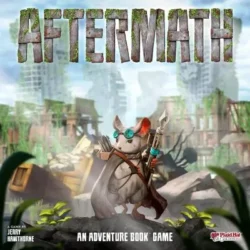
Aftermath puts you in control of a colony of rodents surviving a post-apocalyptic world. It’s part of Jerry Hawthorne’s Adventure Book Game series, using an actual book as the game board — you flip to different pages as you explore new areas, fight threats, and make story decisions that carry forward across sessions.
The campaign system is what sells Aftermath. Your choices stick. Resources you gather or lose carry over, and the world map changes based on what you’ve done. My group played the full campaign over a few months and kept talking about it between sessions. That doesn’t happen with most games.
Aftermath fits families and adult groups equally well. If you liked Stuffed Fables, this is the stronger follow-up from the same designer.
18. Roll Player Adventures
Players: 1-4 | Ages: 12+
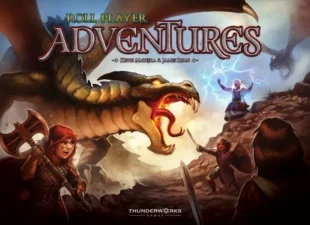
Roll Player Adventures is a storybook game where you take pre-built or custom characters on branching quests. Each scenario has you reading from a large adventure book, making narrative choices, and solving encounters through dice placement puzzles rather than traditional combat. It feels like a tabletop RPG without needing a game master.
The dice puzzle system here is unusually satisfying. You’re placing your rolled dice into slots on encounter cards, trying to match thresholds for different outcomes. Nearly everything you do branches the story, and replaying with different decisions gives you a completely different campaign.
Best for groups who want storytelling board games with a strong RPG feel but don’t want to spend hours learning rules. Pairs well with the original Roll Player if you want to import custom characters.
17. Champions of Hara
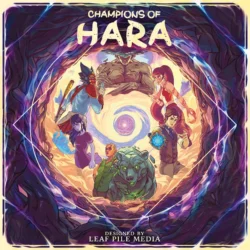
Players: 1-4 | Ages: 14+
Champions of Hara drops you into a shifting fantasy world where the map tiles physically rearrange between rounds. You pick a unique champion, explore the board, fight monsters, gather energy, and try to defeat a final villain. The world literally moves under your feet, so plans you made two turns ago may no longer work.
This one flies under the radar, but the shifting-world mechanic alone makes it worth trying. Each character plays differently enough that swapping champions between games keeps things fresh for a long time. My group prefers it at three players, where the map feels tight and decisions get tense.
Champions of Hara suits anyone looking for a fantasy adventure that doesn’t follow the standard dungeon-crawl formula. It has both competitive and cooperative modes, but the co-op scenarios are the stronger experience.
16. The 7th Continent
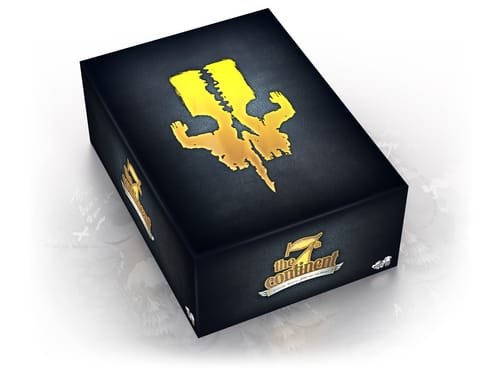
Players: 1-4 | Ages: 14+
The 7th Continent is a massive exploration card game where you wander an uncharted landmass, flipping terrain cards to reveal new locations, events, and threats. Your action deck doubles as your health — every action costs cards, so pushing too far without resting can kill you. It plays out over multiple sessions that you can save and resume, much like a video game save file.
Few cooperative games capture the feeling of genuine discovery this well. When you flip a new terrain card and find something strange or dangerous, the whole table leans in. The curse system gives you several standalone campaigns to play through, each with its own mystery to solve.
This game is best for patient explorers who enjoy slow-burn survival. It originally launched on Kickstarter and reached over $7 million across its two campaigns. If the time commitment feels too long, the “What Goes Up, Must Come Down” curse is a shorter introductory scenario.
15. Sleeping Gods
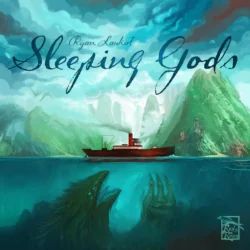
Players: 1-4 | Ages: 13+
Sleeping Gods puts your crew on a ship lost in a strange world, and you sail around an atlas-style map book making choices about where to go and what to investigate. Combat uses a grid-based targeting system where you assign tokens to hit specific enemy weak points. The campaign spans roughly 20 hours and tracks every discovery on a persistent log sheet.
The open-world structure is what sets Sleeping Gods apart from most campaign games. There’s no fixed mission order. You pick a direction on the map and follow whatever story threads you stumble into. One playthrough won’t reveal everything — my group missed entire storylines that we only found on a second run.
Sleeping Gods is ideal for groups who want a long cooperative campaign with genuine freedom. The Distant Skies standalone sequel adds a new map and story if you finish the first box and want more.
14. Mice and Mystics
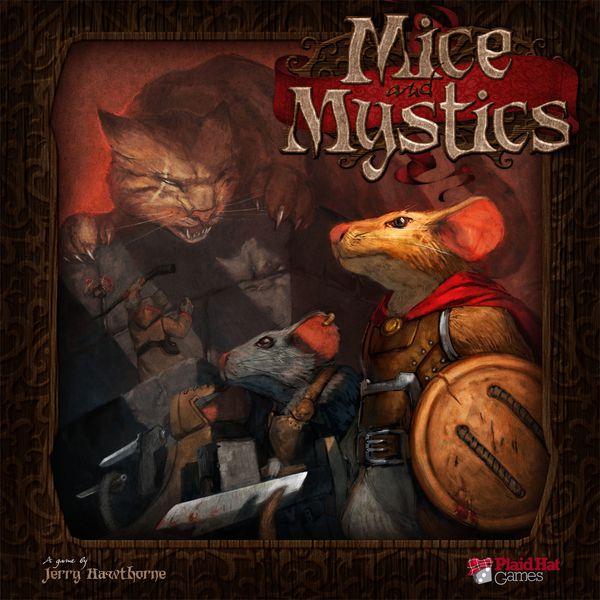
Players: 1-4 | Ages: 7+
In Mice and Mystics, you play as humans cursed into mouse form, fighting your way through a castle that’s now a massive and dangerous world. Each chapter of the storybook campaign takes you through rooms crawling with roaches, rats, and a house cat that acts as a recurring boss. Combat is dice-based and straightforward, and the scenarios link together into a fairy-tale narrative.
This is still one of the best gateway adventure games out there. The theme clicks with kids and adults alike, and the story has enough charm that people actually care about the characters. My group’s youngest player was eight when we first ran through it, and she still asks to replay it.
Mice and Mystics is a top pick for family cooperative games and groups new to dungeon-crawl style campaigns. The Heart of Glorm and Downwood Tales expansions add full new story arcs.
13. Paleo
Players: 2-4 | Ages: 10+
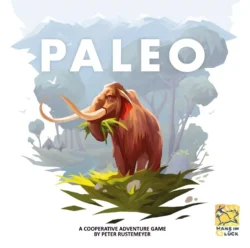
Paleo is a Stone Age survival game where your tribe works together to gather food, craft tools, and eventually paint a cave painting — your win condition. Each turn, players simultaneously choose cards from their personal decks without seeing the full details, making every round a push-your-luck exercise. The module system swaps in different card sets for each scenario, changing the challenges you face.
The exploration mechanic in Paleo just works. You see the back of a card and decide whether to risk it based on limited information. It’s tense, it rewards cooperation, and the modular scenarios keep it from getting stale. It won the 2021 Kennerspiel des Jahres for good reason.
Paleo is a strong choice for mid-weight gamers who want something thematic without a three-hour time commitment. Each game runs about 45-60 minutes. The expansion, A New Beginning, adds a full campaign mode.
12. Legends of Andor
Players: 2-4 | Ages: 10+
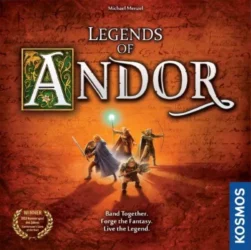
Legends of Andor is a fantasy adventure where heroes defend a castle from waves of invading creatures. Each scenario is a tightly designed puzzle — you have a limited number of turns before the narrator track advances and enemies breach the walls. Combat is dice-based, but the real challenge is time management and deciding what to fight versus what to ignore.
Andor surprised me when I first played it. It looks like a standard fantasy dungeon game, but it’s more like a cooperative puzzle with a fantasy skin. Rushing into every fight is a trap. The game rewards groups that communicate and plan routes together, and the scenarios in the base box ramp up in difficulty at a satisfying pace.
The artwork alone makes Andor worth checking out — it’s among the best-looking cooperative board games on the market. Several expansions add new legends and a second board with new map regions.
11. Descent: Legends of the Dark
Players: 1-4 | Ages: 14+
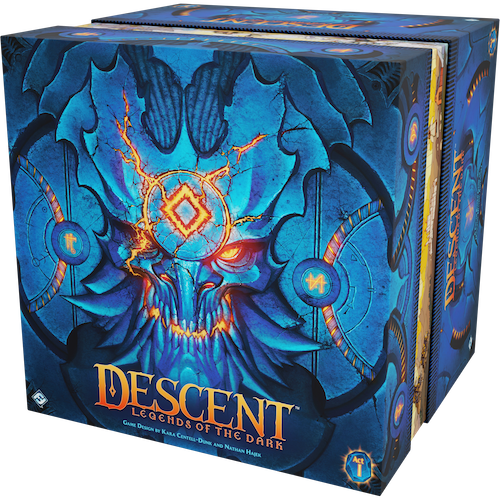
Descent: Legends of the Dark is a fully cooperative app-driven dungeon crawler. The companion app handles enemy AI, map building, story branching, and campaign tracking. You pick a hero, equip weapons, and dive into a 16-act campaign that runs roughly 40-50 hours. The 3D terrain pieces snap together to form multi-level dungeon layouts.
The production quality is hard to beat. Multi-level terrain with staircases and ledges you actually move figures around on — it looks impressive on the table. The app removes the need for one player to run monsters, which means everyone gets to be a hero. Combat is card-based with crafting and upgrade paths between missions.
Descent: Legends of the Dark fits groups who want a dungeon crawling campaign and don’t mind using an app. If you prefer a non-digital dungeon crawler, look at Gloomhaven instead.
10. Mechs vs. Minions
Players: 2-4 | Ages: 14+
Published by Riot Games, Mechs vs. Minions is a programming game where you draft command cards into a line of slots to control your mech. Move, turn, attack — it all gets queued up in your command line, and then your mech executes the sequence. Minions swarm the board, and the missions get harder as you work through the ten-mission campaign.
The component quality in this box is absurd for its price. Over 100 miniatures, painted mech figures, metal gear tokens, and thick cardboard tiles — Riot did not cut corners. The programming mechanic creates hilarious moments when your mech does something you didn’t intend because a minion damaged one of your command slots.
Mechs vs. Minions is great for groups of 2-4 who enjoy light strategy with a lot of physical comedy. The campaign structure means missions build on each other, and it’s one of the best values in the hobby per dollar.
9. Aeon’s End
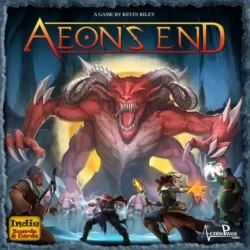
Players: 1-4 | Ages: 14+
Aeon’s End is a cooperative deck-building game where you play as breach mages defending the last human city against a massive boss creature called a Nemesis. The catch: you never shuffle your deck. You choose the order your discard pile goes back, which means every purchase and every spell you cast has long-term consequences.
That no-shuffle rule changes everything about how deck building feels. Instead of hoping your combo shows up, you engineer it. The variable turn order adds tension — sometimes the Nemesis gets two turns in a row, and your carefully planned defense crumbles. Each Nemesis plays differently, and there are dozens of them across the game’s many expansions.
Aeon’s End is one of the top cooperative card games at two players, and the Legacy and New Age standalone boxes add full campaign modes with persistent upgrades.
8. The Lord of the Rings: The Card Game
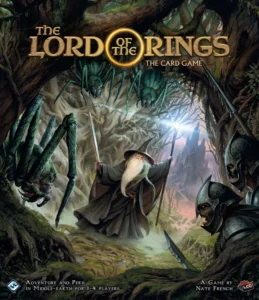
Players: 1-4 | Ages: 14+
This living card game from Fantasy Flight sends you on quests through Middle-earth. Each player builds a deck of heroes, allies, and events, then you tackle scenario packs that simulate encounters from Tolkien’s world. You’re managing threat, questing, and fighting enemies simultaneously, all while the encounter deck throws obstacles at you every round.
The deck construction aspect is what kept my group coming back to this one for years. Building a deck around a specific fellowship of heroes and then testing it against a brutal scenario is deeply rewarding. The sheer volume of content — hundreds of player cards and dozens of scenario packs — means you’ll never run out of things to play.
Best for Tolkien fans and players who enjoy customizable card games. If you want a two-player cooperative game with long legs, this one delivers. The revised core set streamlined the entry point for new players.
7. Robinson Crusoe: Adventures on the Cursed Island
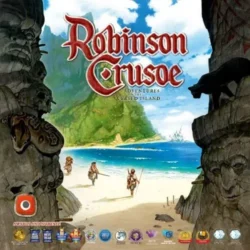
Players: 1-4 | Ages: 14+
Robinson Crusoe is a survival game where you’re stranded on an island and need to gather food, build shelter, explore, and complete a specific scenario objective before time runs out. Every action has risk — you can commit one worker for a guaranteed result or split your efforts for more output but with a chance of failure and consequences. Weather, wild animals, and dwindling resources punish poor planning.
This is one of the hardest cooperative games I’ve played, and also one of the most satisfying to win. Losses feel earned, not random. The decision space is wide every single turn, and the scenario variety — from surviving a volcanic island to building a signal fire — keeps replay value high.
Robinson Crusoe is made for groups that want a tough, thematic survival experience. The Collector’s Edition upgraded components and bundled in promo scenarios. Not recommended for players who get frustrated by losing — you will lose often here.
6. Mansions of Madness (Second Edition)
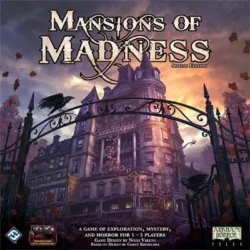
Players: 1-5 | Ages: 14+
Mansions of Madness uses a companion app to run Lovecraftian horror investigations. You explore haunted buildings, solve puzzles, fight monsters, and piece together what’s happening before your investigators go insane. The app generates the map as you explore, handles enemy AI, and tracks the evolving story, so every player gets to be on the same team.
The app integration here is the best I’ve seen in any board game. It builds atmosphere with sound effects and music while keeping the investigative elements — reading clues, solving combination puzzles — feeling hands-on. No two runs of the same scenario play identically because the app randomizes layouts and clue locations.
Mansions of Madness is perfect for groups who love cooperative horror games and mysteries. Several DLC scenarios are available through the app, and the physical expansion boxes add new investigators, monsters, and map tiles.
5. Forbidden Desert
Players: 2-5 | Ages: 10+
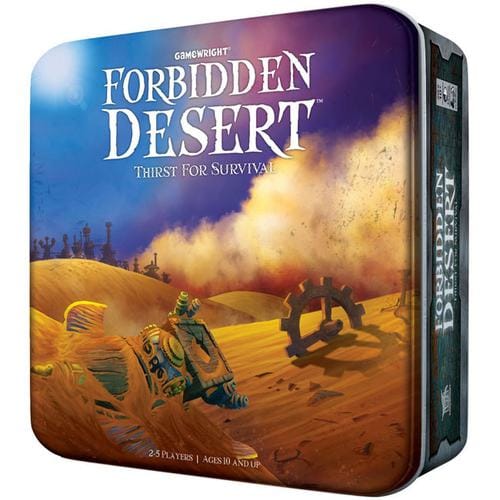
Forbidden Desert is a survival game where your team crash-lands in a desert and must excavate parts of a buried flying machine before the sand buries you alive. The desert board shifts every turn as storm cards move sand tiles around, covering locations and cutting off access. Water is scarce, and the storm intensity ramps up as you play.
Matt Leacock designed this as a follow-up to Forbidden Island, and the shifting sand mechanic makes it a much tighter, more tense experience. The physical sand tiles that stack on the board give you a real sense of being overwhelmed. It’s easy to teach in five minutes, and games run about 45 minutes.
Forbidden Desert is one of the best entry points for anyone new to cooperative tabletop games. It scales well from two to five players and is family-friendly at ages 10 and up.
4. Arkham Horror: The Card Game
Players: 1-4 | Ages: 14+
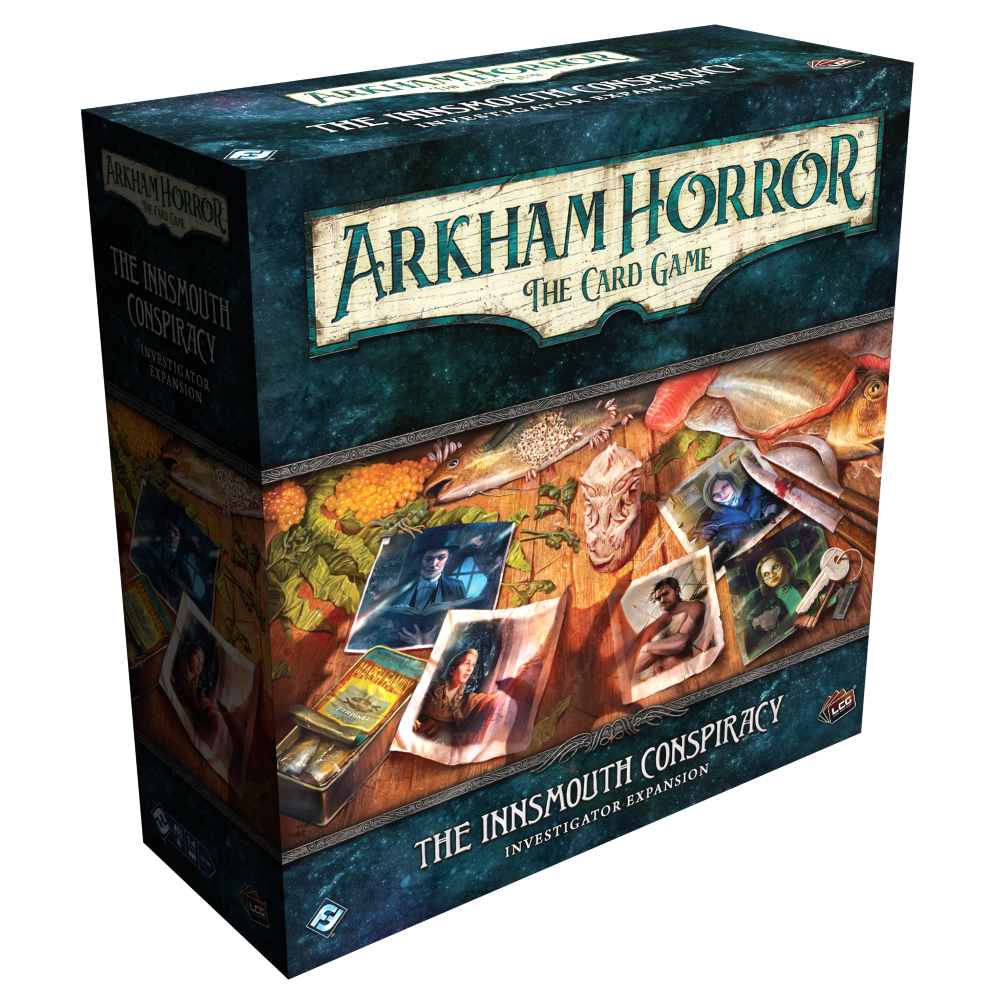
Arkham Horror: The Card Game is a campaign-driven living card game set in H.P. Lovecraft’s universe. You build a deck for your investigator and play through multi-scenario campaigns where your choices, successes, and failures carry forward. Each scenario is a self-contained mystery with its own map, enemies, and win conditions. The chaos bag mechanic — where you draw random tokens to modify skill checks — keeps outcomes unpredictable.
The campaign structure here is the gold standard for cooperative card games. Trauma, madness, and story consequences persist between sessions. Investigators who go insane are retired. Decisions from scenario one can lock you out of options in scenario five. It creates stakes that most board games can’t match.
Arkham Horror: The Card Game is best for players who want a long-term campaign with deep deckbuilding. The revised core set is the right starting point, and the campaign expansions (Dunwich Legacy, Path to Carcosa, and others) each add roughly 8 scenarios.
3. Spirit Island
Players: 1-4 | Ages: 13+
Spirit Island flips the colonization narrative. You play as spirits defending your island from invaders. Each spirit has a completely different power set, card deck, and growth path. Spirits start weak and build toward devastating combos. You’re placing presence on the map, playing power cards, and coordinating with other spirits to push back colonists before they ravage your land.
The asymmetry here is exceptional. Playing Lightning’s Swift Strike feels nothing like playing Vital Strength of the Earth. Every spirit pairing creates a different puzzle, and the difficulty scales through adversary nations and scenario cards. My group has played this well over a hundred times and we’re still finding new combos.
Spirit Island is built for mid-to-heavy weight gamers who enjoy strategic planning and asymmetric powers. The Branch and Claw and Jagged Earth expansions add new spirits and mechanics. If the complexity feels high, start with the lower-complexity spirits (River Surges in Sunlight, for example) for your first few games.
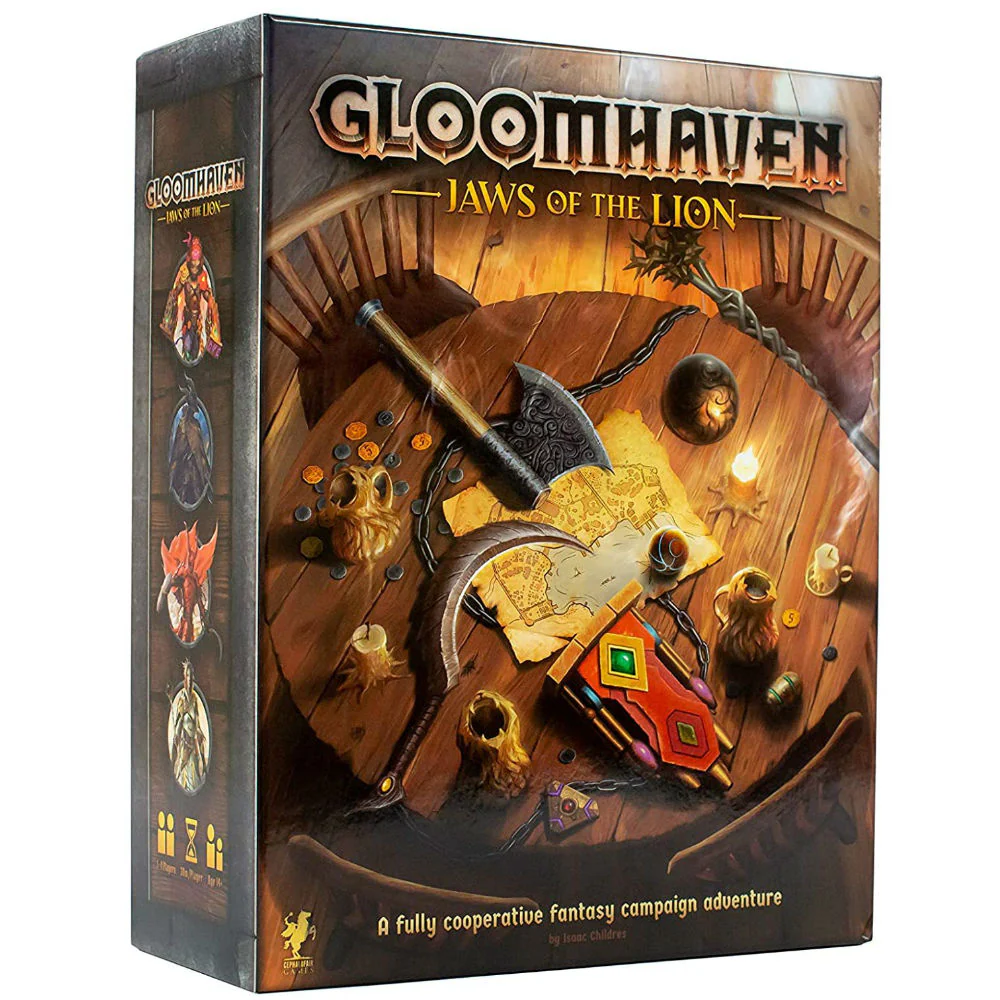
2. Gloomhaven: Jaws of the Lion
Players: 1-4 | Ages: 14+
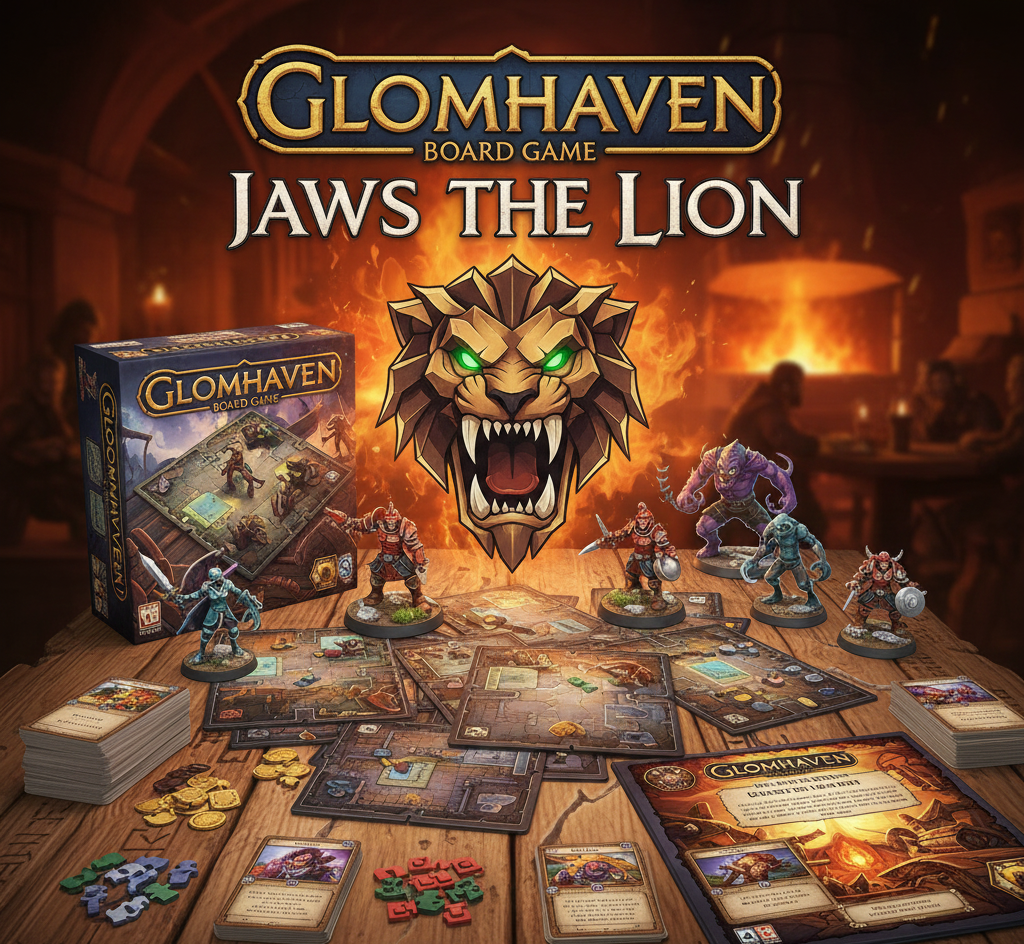
Jaws of the Lion is a standalone entry point into the Gloomhaven system. Four new mercenary classes battle through 25 scenarios using the same card-driven tactical combat as the original. The tutorial system is the real star — the first five scenarios teach you the rules progressively, so you’re playing within minutes instead of reading a 50-page rulebook. The map is printed directly into the scenario book, which cuts setup time in half.
For my money, Jaws of the Lion is the best way to experience Gloomhaven. It has 90% of what makes the system great at a fraction of the cost, table space, and setup time. The four classes are well-designed, and the campaign is tight without overstaying its welcome. If your group bounced off the original because of the setup burden, this solves that problem.
Jaws of the Lion is the right starting point for anyone curious about RPG board games or the Gloomhaven series. At its price point, it’s one of the best deals in tabletop gaming.
1. Gloomhaven
Players: 1-4 | Ages: 14+
Gloomhaven is a tactical combat campaign game with 95 scenarios, 17 playable classes (six unlockable through the campaign), and roughly 150-200 hours of content in a single box. Combat is card-driven — each turn you pick two cards from your hand and use the top action of one and the bottom of the other. Cards also serve as your health, so every round you get weaker. No dice rolling. Over 500,000 copies sold globally, with estimated revenue past $80 million.
It held the number one spot on BoardGameGeek for years, and that ranking wasn’t a fluke. The card combat system eliminates luck-based frustration while keeping decisions tense. Retiring characters and unlocking new classes keeps the campaign moving. My group spent a full year completing the campaign, and the final few scenarios were some of the best board gaming I’ve experienced.
Gloomhaven is for committed groups willing to invest serious time. Setup runs 15-20 minutes per session, and the rules are dense. If that sounds like too much, start with Jaws of the Lion. If you want more after the main campaign, Frosthaven — the standalone sequel — adds another 100+ scenarios with new mechanics.
What are your favorite cooperative adventure board games? Any that didn’t make this list?
Be sure to also take a look at our Best Cooperative Board Games list and our other board game rankings.
FAQs
What is the best cooperative adventure board game for beginners?
Forbidden Desert is the easiest to learn and teach. It plays in 45 minutes, works for ages 10+, and the rules take about five minutes to explain. Mice and Mystics is another strong option for families with younger players.
How many players do most cooperative adventure games support?
Most support 1-4 players. A few, like Forbidden Desert and Mansions of Madness, go up to five. Spirit Island and Gloomhaven both play well solo and scale smoothly to four.
Are app-driven cooperative board games worth buying?
Yes, if you don’t mind screens at the table. Mansions of Madness and Descent: Legends of the Dark use apps to handle enemy AI and map building, which removes the need for a game master and lets everyone play cooperatively.
What is the longest cooperative adventure board game campaign?
Gloomhaven’s main campaign runs 150-200 hours across 95 scenarios. Frosthaven, its sequel, is similarly sized. The 7th Continent and Sleeping Gods both run 20-40 hours depending on how thoroughly you explore.
Which cooperative adventure board game has sold the most copies?
Gloomhaven has sold over 500,000 copies with estimated revenue exceeding $80 million. Pandemic is the best-selling cooperative game overall, but among adventure-focused titles, Gloomhaven leads global sales by a wide margin.
