Top 25 Cooperative Deduction Board Games 2026

It seems like every time a cooperative deduction game hits the table, someone in my group ends up loving it. I think that’s because these types of games generally make you feel like you’ve really accomplished something when you’re able to solve whatever you needed to solve.
For the most part, cooperative deduction games are about finding or giving clues, so chances are you’ll like most of them if you enjoy puzzles. There are some deduction games that are perfect for people who enjoy whodunit-type detective stories, and there are others that are great for folks who like the idea of giving their teammates clues about some type of hidden information.
I realized when making this list with my group that there really aren’t that many good cooperative deduction games out there right now. A bunch more have popped up over the last year or so, though, so maybe designers are starting to realize that deduction is a fantastic mechanic to include in games. Since more of these games are coming out at a rapid pace, you can expect this list to get quite a few updates.
You’re not going to find semi-cooperative games with traitors such as Dead of Winter here, but we might post those rankings soon!
Let’s get to the list! Here are our current Top 25 Best Cooperative Deduction Board Games:
Top 25 Cooperative Deduction Board Games 2026
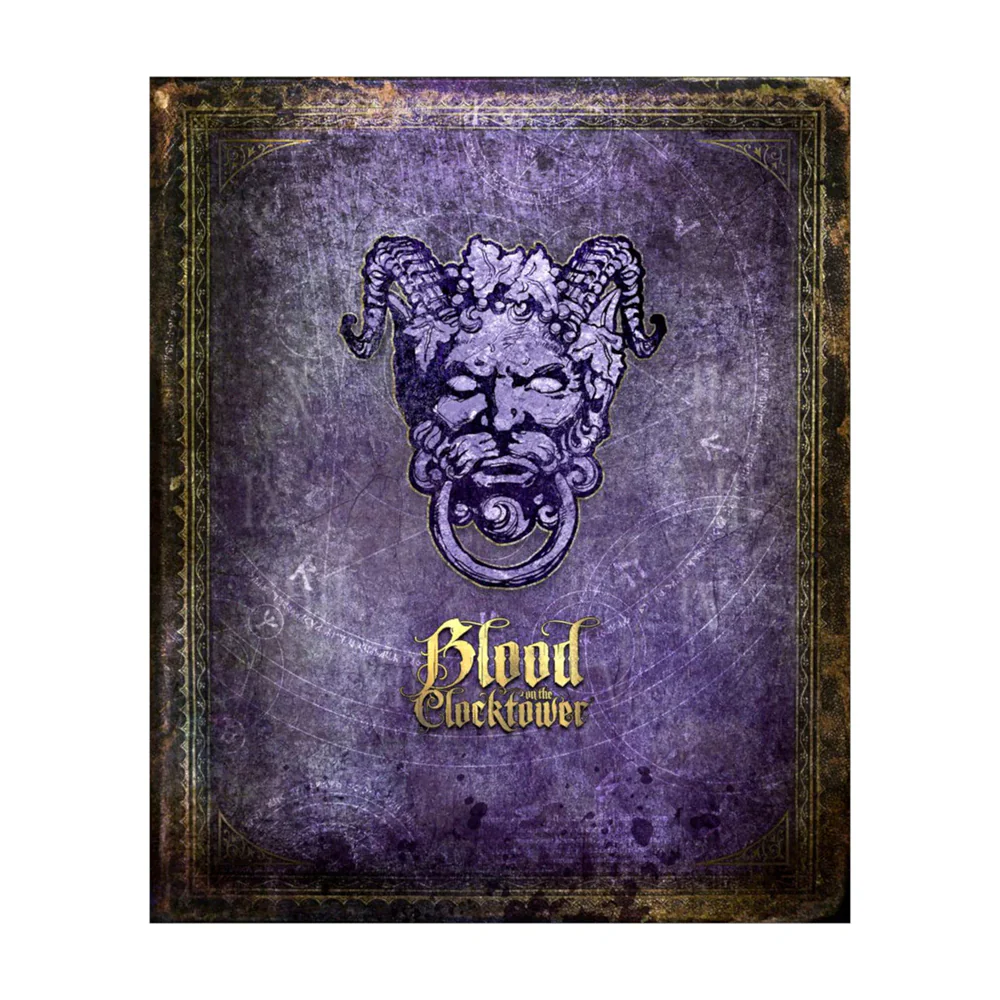
1. Blood on the Clocktower
Players: 5–20 | Ages: 15+
Blood on the Clocktower is a social deduction game set in a cursed village where a demon and their minions secretly murder townsfolk each night. The good team uses unique character abilities, private conversations, and public debate to figure out who the demon is before the village is wiped out. Dead players stay involved and even get a final vote, which solves one of the genre’s oldest problems.
This is the gold standard for social deduction board games right now. The Storyteller role gives the game a human game master who can adjust pacing on the fly, and the sheer number of character scripts means no two sessions feel alike. My group played through all three official scripts and still finds new interactions every session.
Best for large groups who want a deep, all-evening social deduction experience. Three official scripts scale from beginner to expert. If you’re looking for cooperative board games for five or more players, this belongs on your radar.
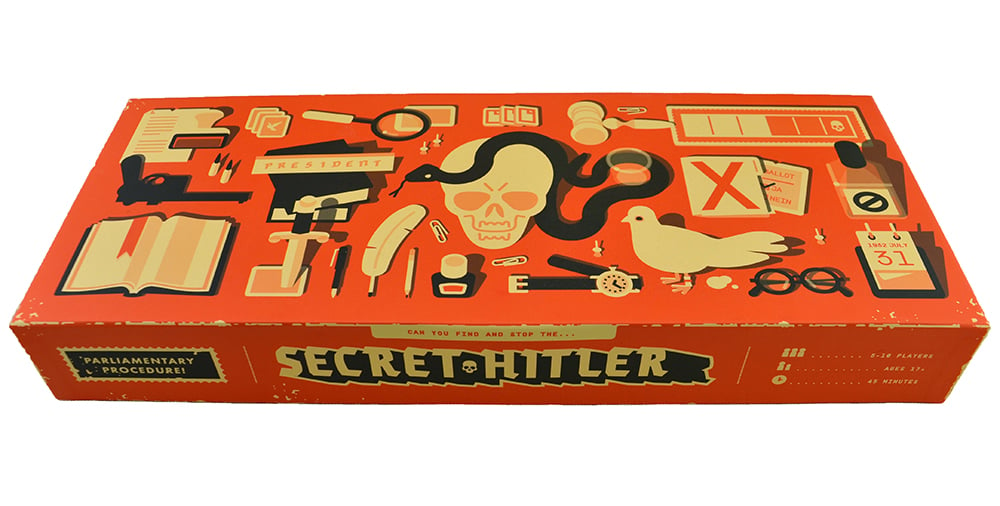
2. Secret Hitler
Players: 5–10 | Ages: 17+
Secret Hitler splits players into Liberals and Fascists in 1930s Germany. Liberals outnumber the Fascists but don’t know who anyone is. Each round, a President nominates a Chancellor, the group votes, and then the elected pair draws and passes policy tiles. Fascists try to pass their policies or get Hitler elected as Chancellor.
The policy-passing mechanism creates real information. You can watch who discards what, track voting patterns, and build a case over multiple rounds. That makes it more grounded than pure bluffing games, and discussions get heated in the best way. It’s one of the best social deduction games for groups that like arguing with evidence rather than gut feelings.
Works best at 7–8 players. If you enjoy this style, games similar to Secret Hitler include The Resistance: Avalon and Deception: Murder in Hong Kong. A solid secret hitler alternative for younger groups is One Night Ultimate Werewolf. Among secret hitler similar games, Avalon remains the closest match in feel and complexity.
3. One Night Ultimate Werewolf
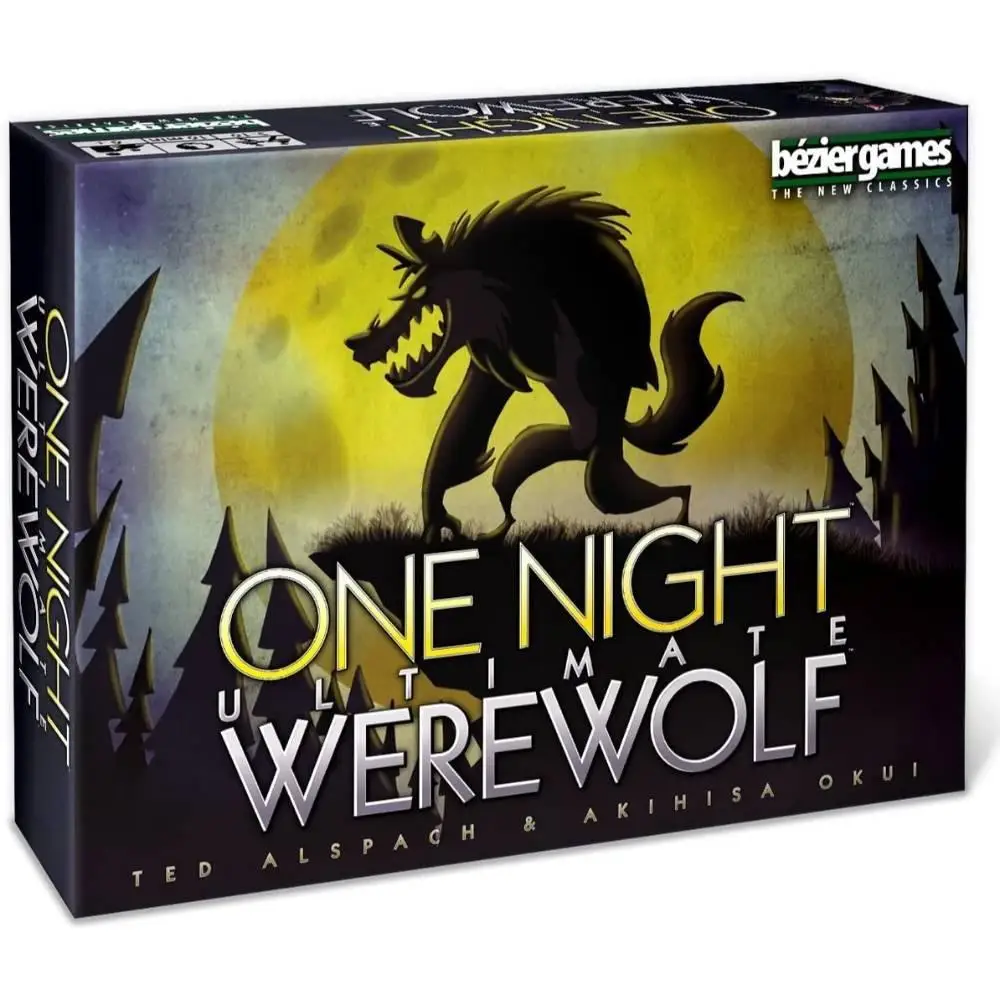
Players: 3–10 | Ages: 8+
One Night Ultimate Werewolf condenses the classic Werewolf format into a single ten-minute round. Everyone gets a role, a companion app runs the night phase, and some roles secretly swap cards around. When morning comes, players have about five minutes of frantic discussion before a single vote decides everything.
The speed is the whole point. You can play five or six rounds in an hour, and the role-swapping means you might not even be the role you started as. It creates genuine confusion and wild accusations, even among experienced players. If you’re after games like werewolf that don’t drag on, this is the one.
Great for parties and mixed groups. Several expansions (Daybreak, Vampire, Alien) add new roles. Games like one night werewolf include games like one night ultimate werewolf variants and Werewords.
4. The Shipwreck Arcana
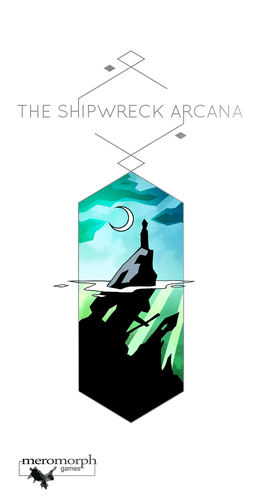
The Shipwreck Arcana is a clever cooperative deduction game where players silently communicate hidden numbers by strategically placing fate tiles on mystical cards with strict placement rules. It’s essentially a logic puzzle wrapped in a dark fantasy theme — compact enough to finish in 20 minutes, yet mentally satisfying in the way it forces you to think about what your tile placement reveals to teammates. A great pick for small groups who enjoy games like Hanabi but want something with more visual structure and a gothic atmosphere.
5. Codenames Duet
Players: 2+ | Ages: 11+
Codenames Duet takes the original Codenames formula and makes it fully cooperative. Two players (or two teams) each see a different key card showing which words on the grid are agents, bystanders, or assassins. You take turns giving one-word clues to help your partner identify the right words without hitting an assassin.
It’s a tighter puzzle than competitive Codenames because both sides have assassin words the other person can’t see. Giving a broad clue that covers three words feels great until your partner picks the one word that ends the game. The campaign mode with a world map adds replayability on top of an already solid cooperative deduction board game.
One of the best two-player deduction games available. Also works well with four players in two teams.
6. Mysterium
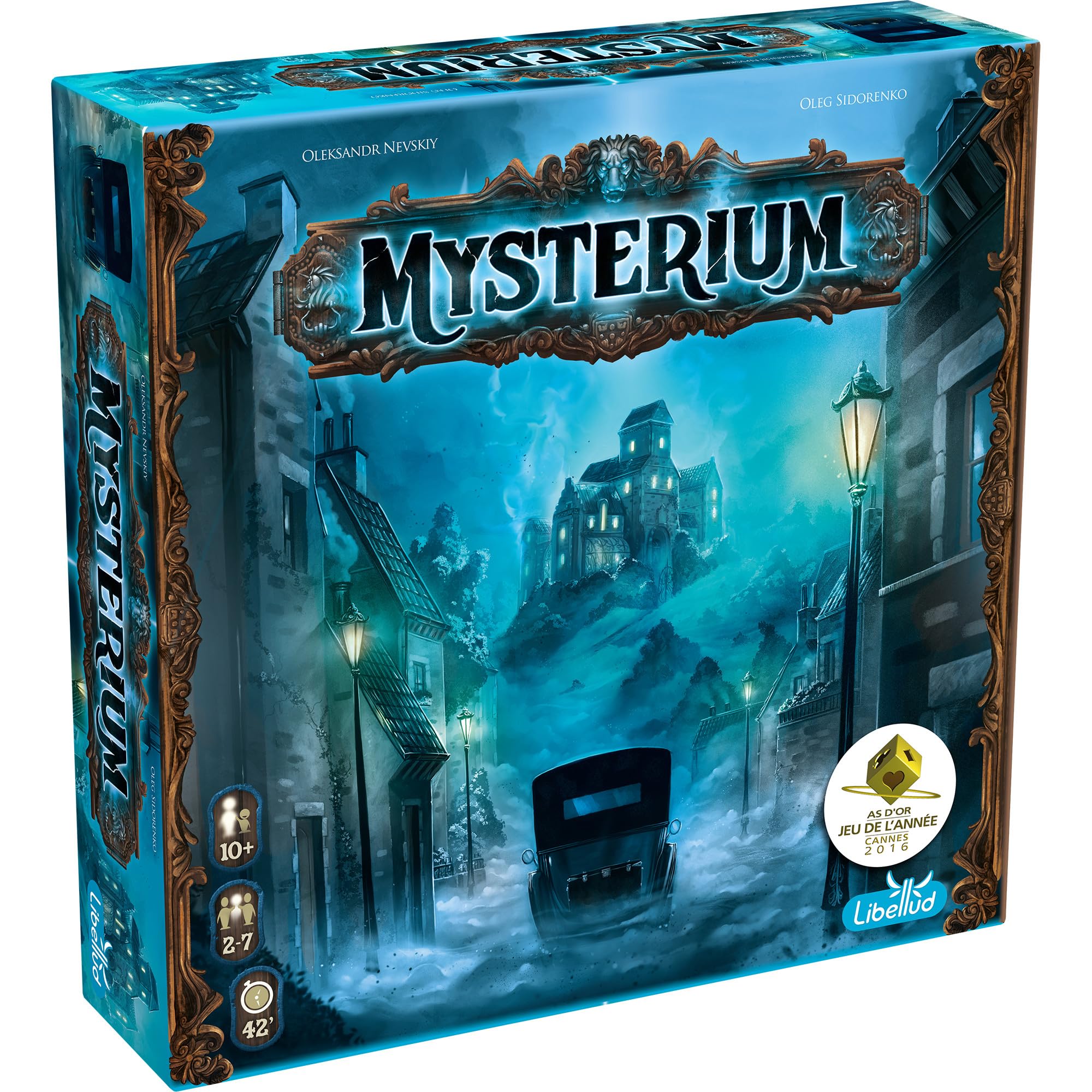
Players: 2–7 | Ages: 10+
Mysterium is a cooperative whodunit where one player is a ghost who can only communicate through surreal dream cards. The other players are psychic investigators trying to figure out which suspect, location, and weapon match their assigned set. The ghost hands out illustrated vision cards each round, and investigators discuss what they think the images mean.
The artwork does so much heavy lifting here. Vision cards are packed with tiny details, so every group interprets them differently. Playing as the ghost is a unique challenge — you’re desperately trying to find a card that vaguely resembles a kitchen or a mustache, and sometimes the best you’ve got is abstract nonsense. It’s funny and tense in equal measure.
Mysterium Park is a streamlined version if you want quicker setup. Both rank among the top cooperative board games for groups of any size.
7. Coup
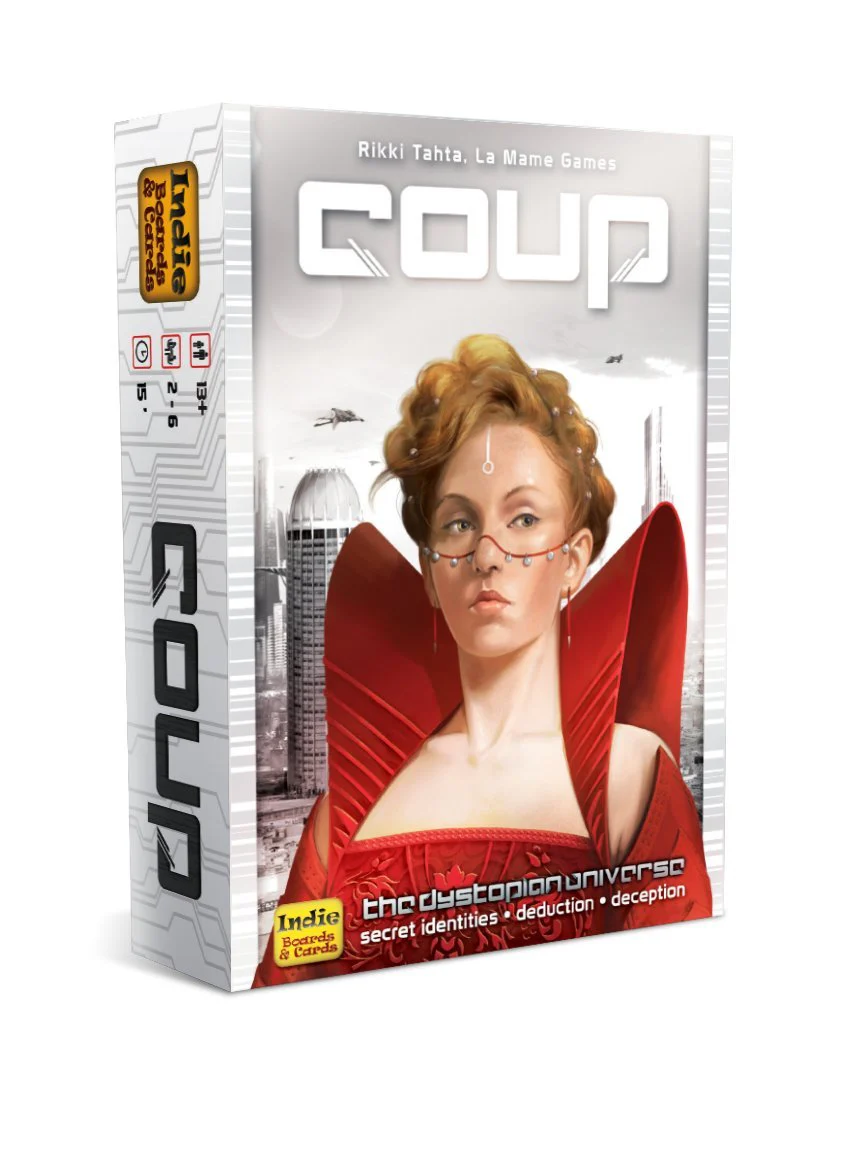
Players: 2–6 | Ages: 13+
Coup gives each player two face-down influence cards from a small deck of five character types. On your turn, you claim to have any character and use their ability — but you might be lying. Other players can challenge you, and if they’re right, you lose a card. Lose both cards and you’re out.
Games last maybe ten minutes. The whole thing is reading people and pushing your luck. Do you believe someone claiming Duke when you also have a Duke? Coup is pure bluffing with just enough structure to make it a real deduction game. If you want games like coup, try Love Letter for a similar pocket-sized social deception experience.
Best for quick rounds between bigger games. The Reformation expansion adds team play for up to 10.
8. Ultimate Werewolf
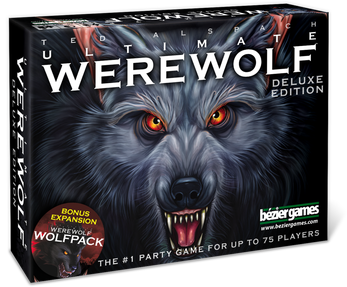
Players: 5–75 | Ages: 13+
Ultimate Werewolf is the full-length version of the classic Mafia format. Players are villagers or werewolves, and the game runs through day and night phases. Werewolves secretly pick a victim each night, and during the day, the village debates and votes to eliminate a suspect. Special roles like the Seer and Bodyguard add strategic depth.
There’s a reason board games like mafia have been around since the 1980s. The multi-round format lets you build suspicion across an entire evening. Watching someone’s story unravel over four or five rounds is deeply satisfying. It’s still one of the best lying board games for big groups who want extended play.
Best at 10+ players with a dedicated moderator. Dozens of role cards let you tailor the experience to your group.
9. Hanabi

Players: 2–5 | Ages: 8+
Hanabi is a cooperative card game where you hold your cards facing away from you, so everyone can see your hand except you. Players give limited clues to help each other play numbered cards in the correct ascending order across five colored suits. You’re trying to build the perfect fireworks display together.
After 60-plus plays, my group still finds Hanabi tricky. The limited clue tokens force hard choices about what information matters most right now. Different groups develop different clue-giving conventions, which makes it feel personal. It won the Spiel des Jahres in 2013 and remains one of the best cooperative deduction games in any collection.
Perfect for anyone who likes puzzles and constrained communication. Also a great cooperative filler game at 20–30 minutes per session.
10. Deception: Murder in Hong Kong
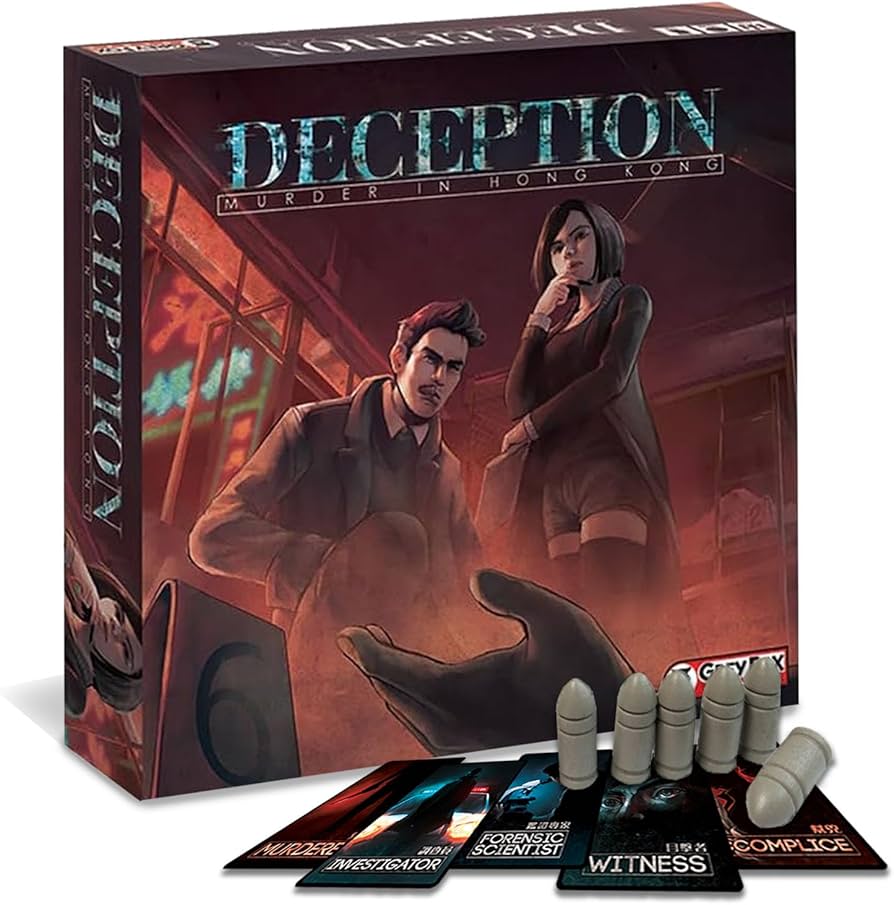
Players: 4–12 | Ages: 14+
One player is the Forensic Scientist who knows everything about a murder but can only communicate through scene tiles showing categories like cause of death, weather, and location. Another player is the secret Murderer hiding among the Investigators. Everyone has evidence and weapon cards in front of them, and the group must identify which specific cards belong to the killer.
Deception gives you more to work with than most social deduction games. Instead of just reading body language, you’re interpreting the Forensic Scientist’s tile placements and cross-referencing them with everyone’s cards. It’s a brilliant middle ground between pure social deception games and logic-based deduction board games. Games can swing wildly — sometimes you crack it in five minutes, sometimes you’re stumped for an hour.
Best at 6–8 players. One of the best deception board games you can buy for groups that want evidence-based discussion.
11. Decrypto
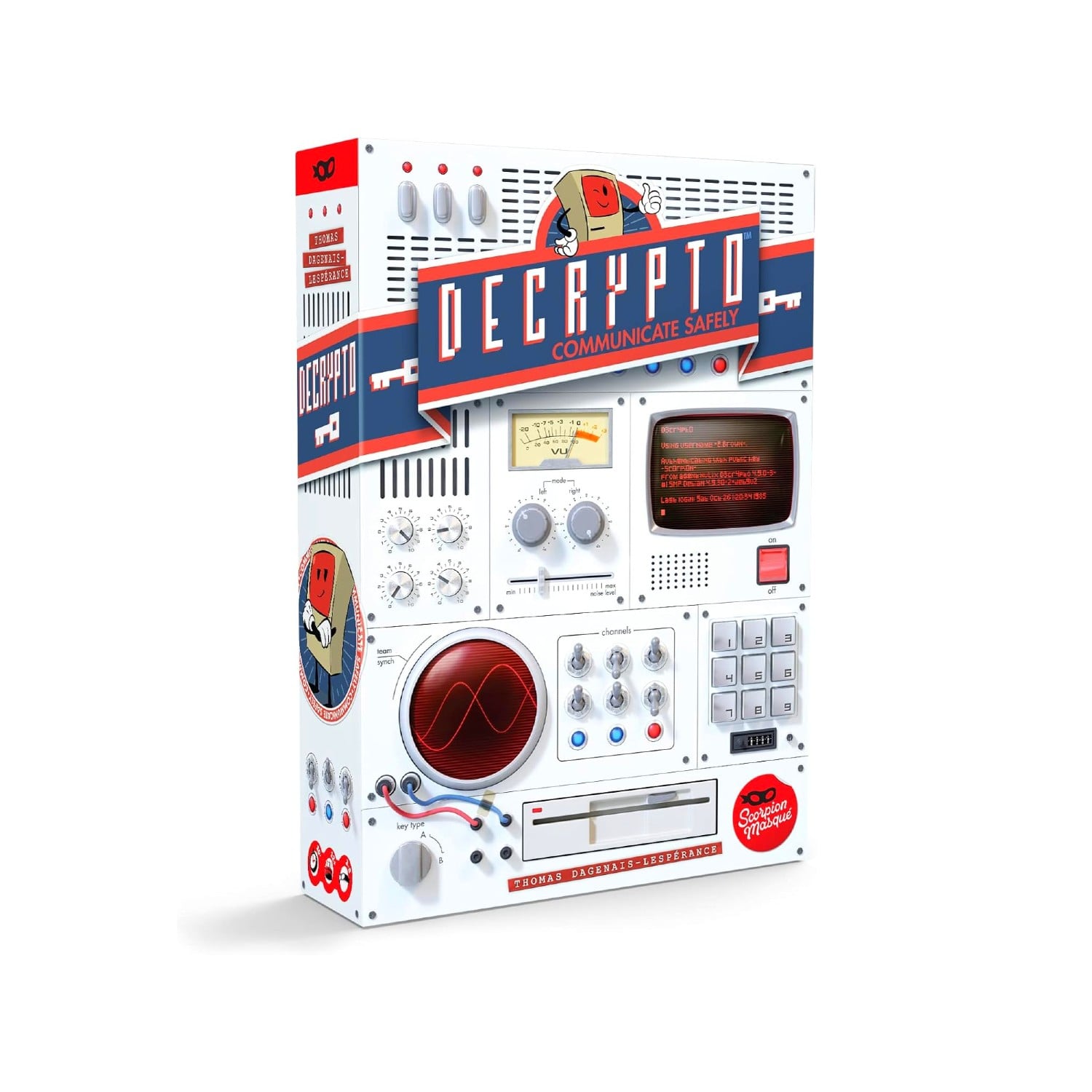
Players: 3–8 | Ages: 12+
Two teams each have a screen with four secret words. Each round, one team member gives three clues — each clue pointing to one of their team’s words by number — and their teammates must correctly identify which number matches which clue. The catch: the opposing team is also listening and trying to intercept your code.
Decrypto rewards multi-round thinking. Early clues are safe but generic. As the game progresses, the other team starts recognizing your patterns, so you need increasingly creative clues that your team will get but opponents won’t. It’s more of a brain-burner than Codenames and scratches a different itch among deduction games.
Won seven awards since release. Best at 6 players (three per team) for balanced play.
12. The Crew: Mission Deep Sea

Players: 2–5 | Ages: 10+
The Crew: Mission Deep Sea is a cooperative trick-taking game where players must win specific tricks containing certain cards, but communication is extremely limited. You can share one card from your hand per mission to hint at what you’re holding. Each of the 32 missions introduces new rules and constraints.
Trick-taking meets cooperative deduction in a way nobody expected to work this well. Figuring out what your teammates are holding based on what they play (and don’t play) is the core puzzle. Missions ramp in difficulty, and some of the later ones had my group retrying six or seven times. Won the Kennerspiel des Jahres in 2021 and earned it.
Suits players who enjoy card games and logical thinking. The original The Crew: Quest for Planet Nine is also excellent.
13. Spyfall

Players: 3–8 | Ages: 12+
Everyone receives a card showing the same location — a submarine, a casino, a space station — except one player who is the Spy. Players take turns asking each other questions, trying to figure out who the Spy is. The Spy, meanwhile, is trying to figure out the location from everyone’s answers without getting caught.
Spyfall turns every question into a tightrope walk. Ask something too specific and the Spy learns the location. Ask something too vague and you look suspicious yourself. The Spy has to act natural while fishing for clues, which leads to hilariously awkward answers. It’s one of the purest social deduction game experiences in a small box.
Spyfall 2 adds more locations and supports up to 12 players. A quick pick among the best social deduction games for casual groups.
14. Bang! The Dice Game
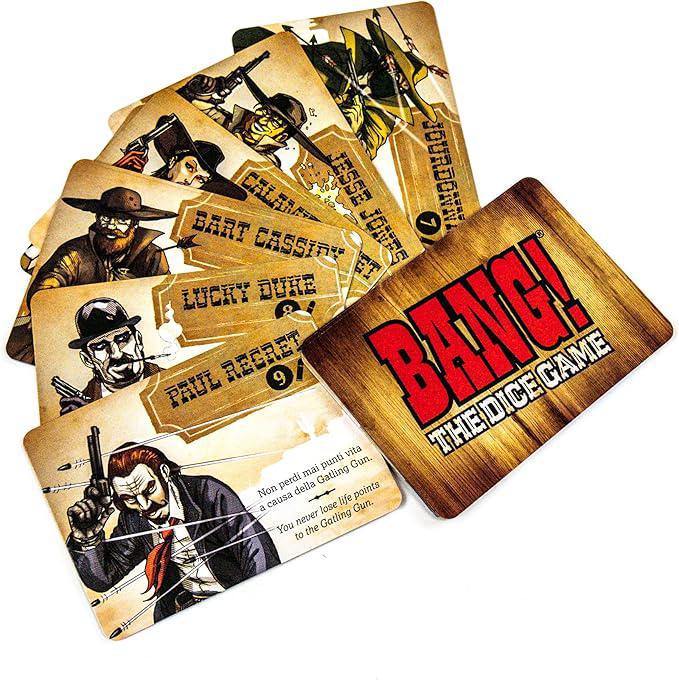
Players: 3–8 | Ages: 8+
Set in the Wild West, Bang! The Dice Game gives each player a secret role: Sheriff, Deputy, Outlaw, or Renegade. The Sheriff’s identity is public, but everyone else is hidden. Players roll dice Yahtzee-style to shoot, heal, or trigger special effects, trying to eliminate the opposing faction before their own side falls.
Rounds move fast because the dice keep things unpredictable. You can’t just calculate your way through — you have to read who’s shooting at whom and piece together alliances. It’s lighter than most deduction board games on this list, but the hidden role element creates real tension, especially when an Outlaw tries to play innocent for a few rounds.
Great for families and mixed-experience groups. The Old Saloon expansion adds new characters and items.
15. Love Letter

Players: 2–6 | Ages: 10+
Love Letter is a micro-game with just 21 cards. You start with one card, draw one on your turn, and play one. Each card has a different power — the Guard lets you guess another player’s card to knock them out, the Priest lets you peek at someone’s hand, and so on. Last player standing wins the round.
Don’t let the size fool you. There’s genuine deduction packed into those 21 cards. Tracking which cards have been played and eliminated narrows down what everyone else is holding. Rounds last two minutes, so you can play a dozen in one sitting. It sits comfortably alongside games like chameleon and Coup as a go-to pocket deduction game.
Dozens of themed versions exist (Batman, Lovecraft, Adventure Time). The 2019 edition supports up to 6 players.
16. Sherlock Holmes Consulting Detective

Players: 1–8 | Ages: 14+
Sherlock Holmes Consulting Detective gives your group a casebook, a map of London, a newspaper, and a directory. You read the case introduction, then decide which leads to follow by visiting locations around the city. Each visit reveals new information, and eventually you have to answer questions about who did it, how, and why.
This is the most pure deduction board game on this list. There’s no dice, no cards, no randomness — just reading, discussing, and reasoning. Cases can take two to three hours and reward careful attention to throwaway details in newspaper articles. My group has argued about suspects for longer than we actually spent investigating. Still one of the best deduction board games after 40 years in print.
Multiple standalone sets with 10 cases each. Best for groups who enjoy cooperative adventure board games with a literary bent.
17. Chronicles of Crime
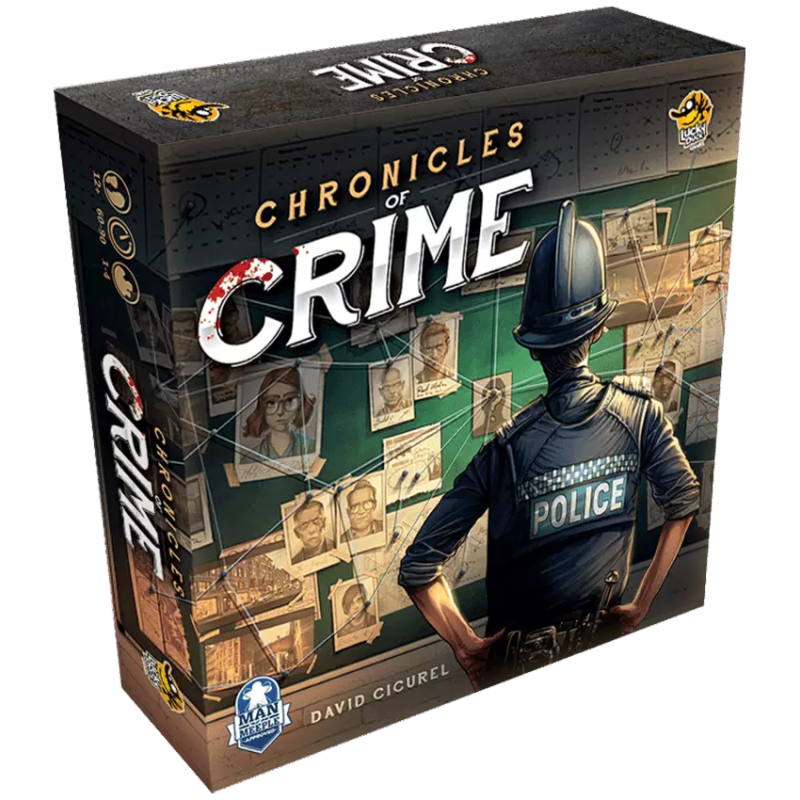
Players: 1–4 | Ages: 14+
Chronicles of Crime uses a companion app and QR-code-based cards to run cooperative detective scenarios. You scan suspect cards to interrogate witnesses, scan evidence to examine clues, and can even use your phone’s camera in VR mode to search crime scenes for hidden details. The app tracks your time and penalizes excessive investigating.
The QR system feels gimmicky on paper but works well in practice. Scanning a suspect while holding a piece of evidence prompts different dialogue than scanning them empty-handed, so there’s real logic to how you approach each interview. Cases are well-written and the time pressure stops you from exhaustively checking everything.
Multiple expansion sets (Noir, Welcome to Redview, 1400, 2400) add new settings and cases. A strong pick for fans of detective-themed deduction games.
18. Cryptid
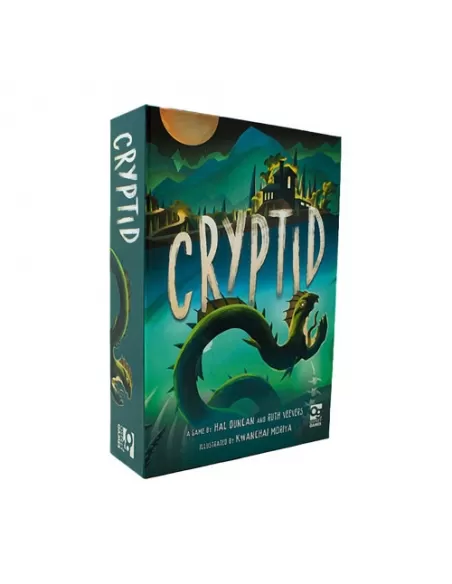
Players: 3–5 | Ages: 10+
Cryptid is a competitive deduction game played on a modular hex map with different terrain types. Each player holds one secret clue about where the cryptid is hiding — something like “within two spaces of a swamp” or “not in a forest.” On your turn, you ask another player if the cryptid could be in a specific hex, and they place a yes or no marker.
The twist is that placing a “no” for someone else forces you to also reveal a “no” about your own clue. Information flows both ways, and the puzzle tightens with every question. A game can end in 20 minutes or stretch to 45 depending on how cagey players get. It’s one of the tightest logic-based deduction board games around.
Nominated for the Kennerspiel des Jahres. Best for players who like pure logic over bluffing.
19. MicroMacro: Crime City
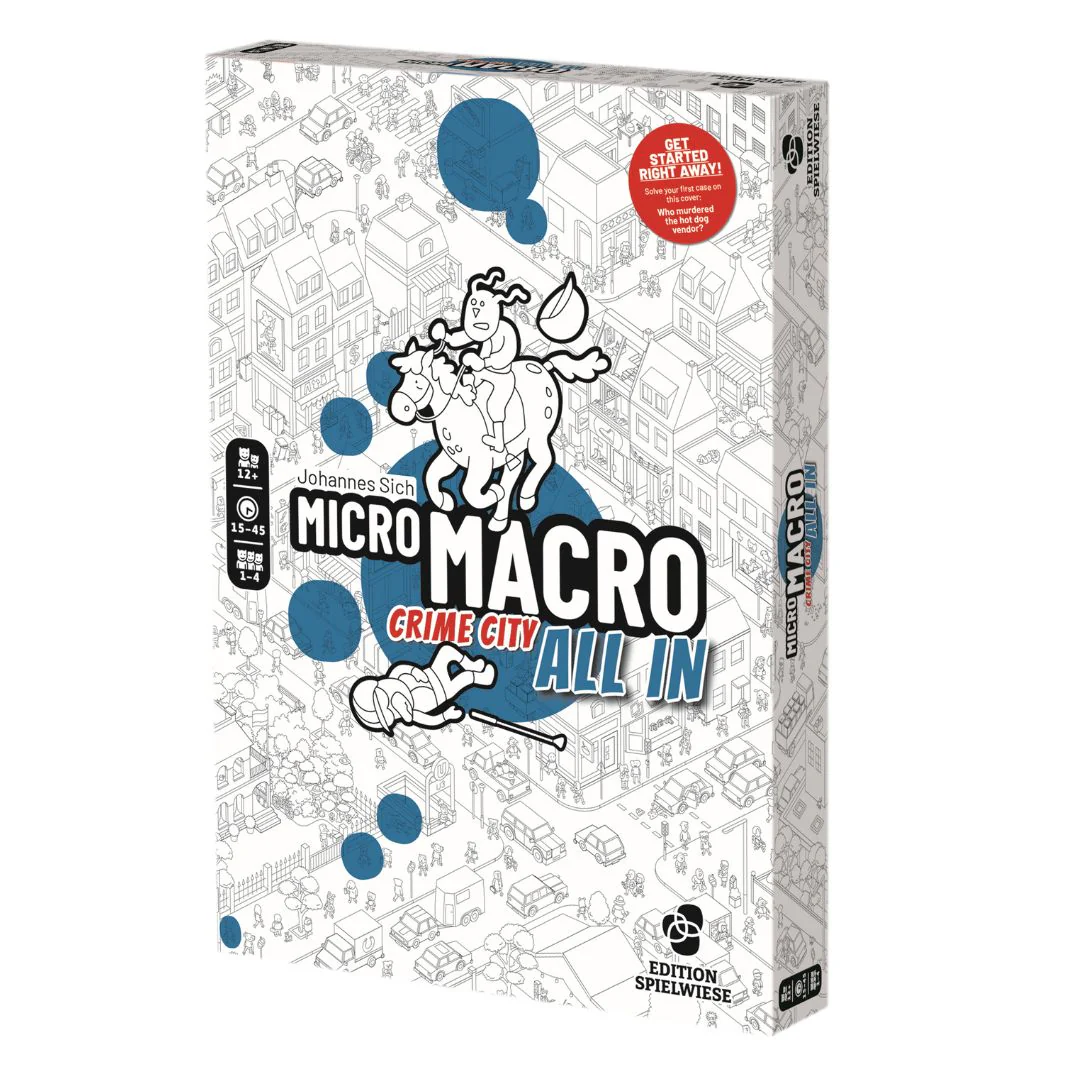
Players: 1–4 | Ages: 8+
MicroMacro: Crime City comes with a massive foldout city map drawn in a Where’s Waldo style. The map shows events happening across different points in time, all at once. Players pick a case card, read the crime, and then search the map to trace suspects’ movements, find weapons, and piece together what happened.
It’s cooperative deduction in its most literal form — you’re all huddled around a table scanning a giant illustration for tiny details. The time-layered map is clever because you can follow a character backward or forward to see where they came from and where they went. Won the Spiel des Jahres in 2021. My group finished the base set in three sittings and immediately grabbed the sequel.
Three standalone boxes available (Crime City, Full House, All In). Great for cooperative family game nights.
20. A Fake Artist Goes to New York

Players: 5–10 | Ages: 8+
One player picks a word, and every other player receives a card with that word written on it — except the Fake Artist, who gets a blank card. Everyone draws on a shared canvas, one line at a time, contributing to a picture of the secret word. After two rounds of drawing, the group votes on who they think the Fake Artist is.
The Fake Artist has to draw something convincing without knowing what they’re drawing, which leads to hilariously vague lines and suspicious straight edges. Real artists, meanwhile, have to be specific enough to prove they know the word but vague enough not to give it away. It’s social deduction through art, and it works with all ages and skill levels.
A quick party game from Oink Games. Pairs well with other lightweight deception games on game night.
21. The Search for Planet X

Players: 1–4 | Ages: 13+
Players are astronomers scanning sectors of the night sky to locate a hidden planet. A companion app holds the secret arrangement of objects (asteroids, comets, gas clouds, Planet X), and each survey or research action gives you partial information. You log findings on a personal note sheet and race to pinpoint Planet X before anyone else.
The deduction here is methodical and satisfying. You’re essentially running a logic grid puzzle where each new scan eliminates possibilities. Publishing a theory about an object’s location scores points, so there’s a push-pull between gathering more data and making an early claim. It plays like a solo puzzle where you’re aware that others are closing in too.
Works well solo or with a group. A favorite among fans of pure logic deduction games who prefer minimal player interaction.
22. Just One
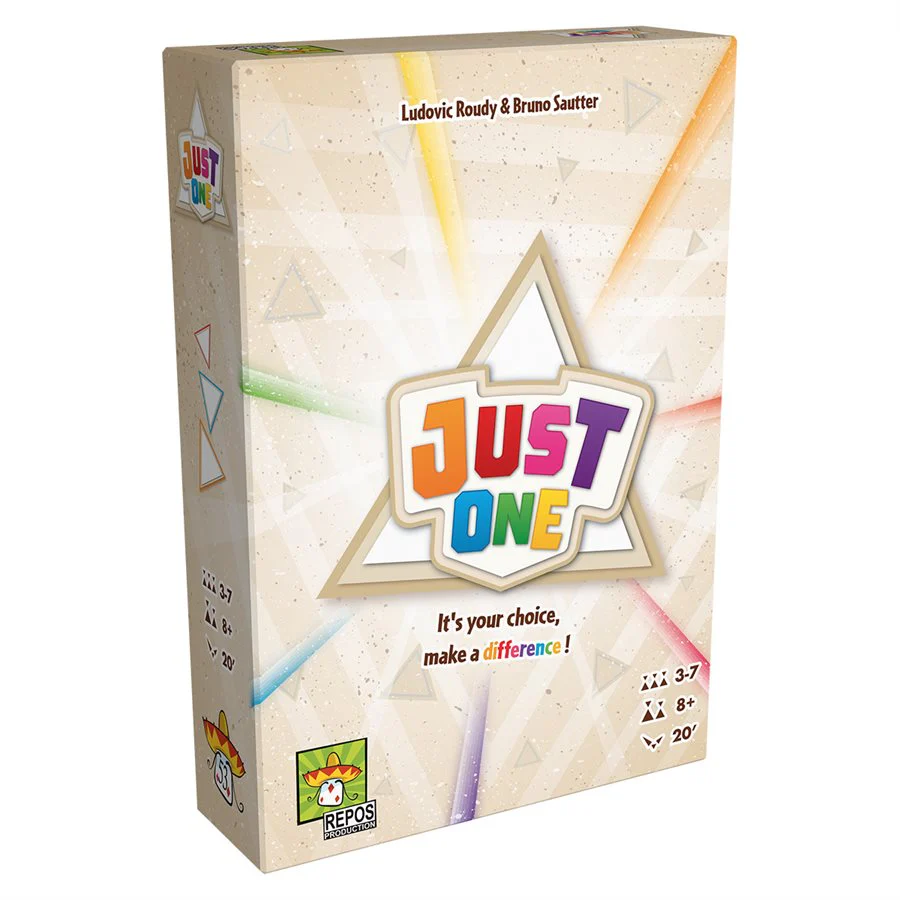
Players: 3–7 | Ages: 8+
Just One is a cooperative word game where one player has to guess a mystery word. Everyone else writes a one-word clue on their easel, but before revealing them, players compare clues and remove any duplicates. The guesser only sees the remaining unique clues.
The duplicate removal is what makes this a deduction game at heart. You’re trying to think of a clue that’s helpful but not so obvious that someone else writes it too. When three people all independently write “yellow” for “banana” and the guesser sees nothing, it’s equal parts painful and hilarious. Won the Spiel des Jahres in 2019 and still hits our table constantly.
One of the best cooperative limited communication games available. Perfect for mixed groups and non-gamers.
23. Saboteur
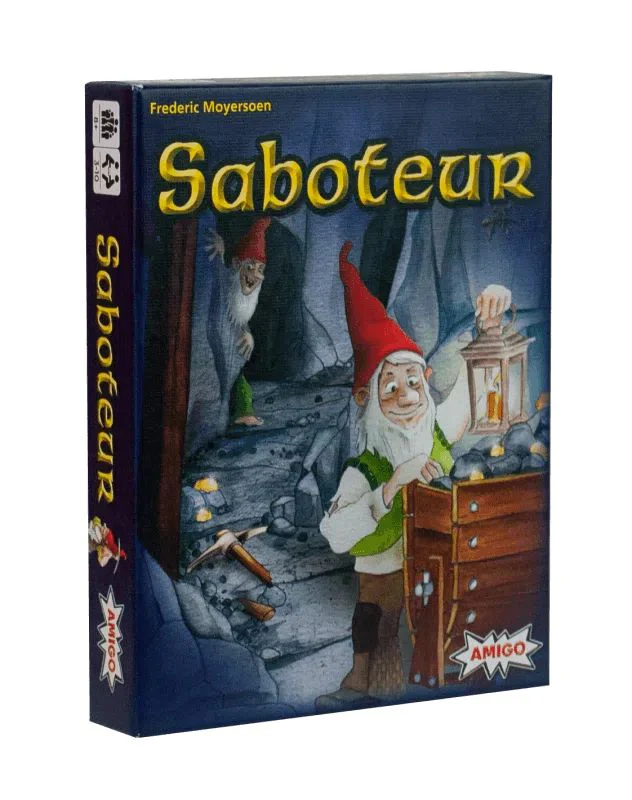
Players: 3–10 | Ages: 8+
Players are dwarves digging tunnels toward gold. Most players are honest miners, but some are secretly saboteurs trying to block the path. On each turn, you play a tunnel card to extend the network, a broken tool card to hinder someone, or a map card to peek at one of the goal cards. The identity reveal at the end determines who gets the gold.
Saboteur is dead simple to teach and plays in about 30 minutes. The tunnel-building mechanism gives concrete evidence to work with — you can see who placed dead ends and who repaired tools — which makes accusations feel grounded rather than random. It’s an accessible entry point for social deduction board games and mixes well with both casual and experienced players.
Saboteur 2 expansion adds new roles and team mechanics. One of the most widely sold deduction games worldwide.
24. Shadows Over Camelot
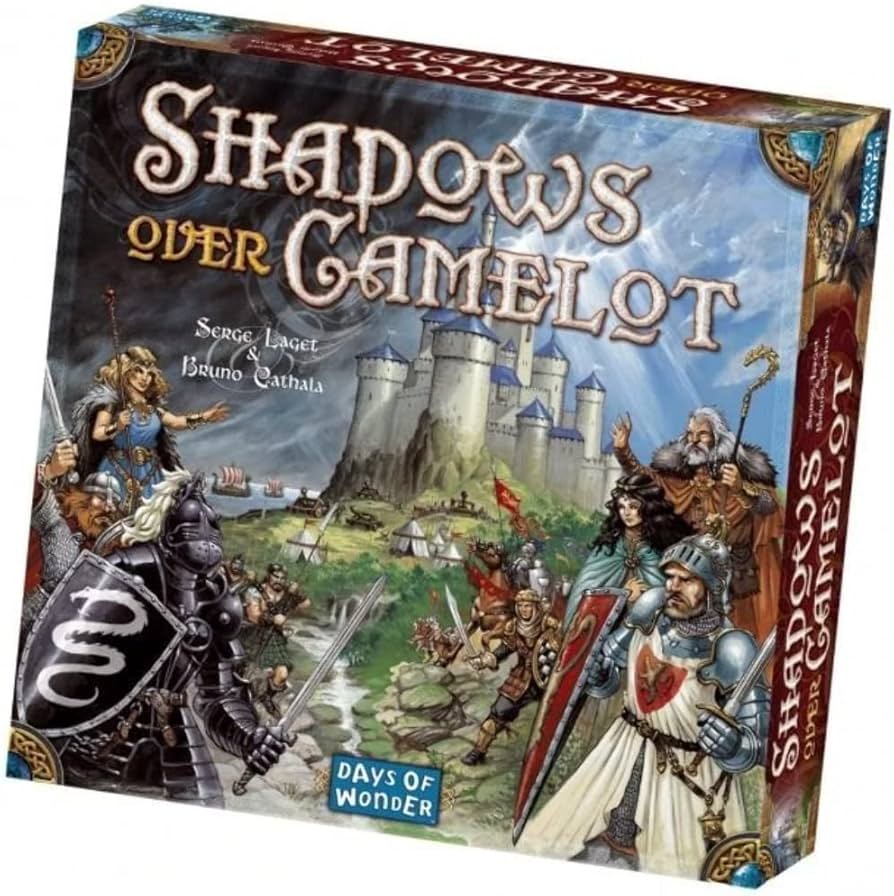
Players: 3–7 | Ages: 10+
Players are Knights of the Round Table completing quests across Camelot, but one player might be a traitor working against the group. Quests involve collecting sets of cards at different locations, and failing quests places black swords on the Round Table. If black swords outnumber white ones, everyone loses — except the traitor.
The “might be a traitor” element is key. Sometimes there is no traitor and you’re suspicious of an innocent player. That uncertainty creates a paranoid atmosphere where every suboptimal card play gets scrutinized. If you want a game like secret hitler but with more cooperative strategy layered on top, Shadows Over Camelot nails that balance. It was one of the first board games like secret hitler to blend cooperative strategy with hidden betrayal, and the formula still holds up well.
A classic from 2005 that remains a solid choice for groups who enjoy both strategy and deduction.
25. Bomb Busters
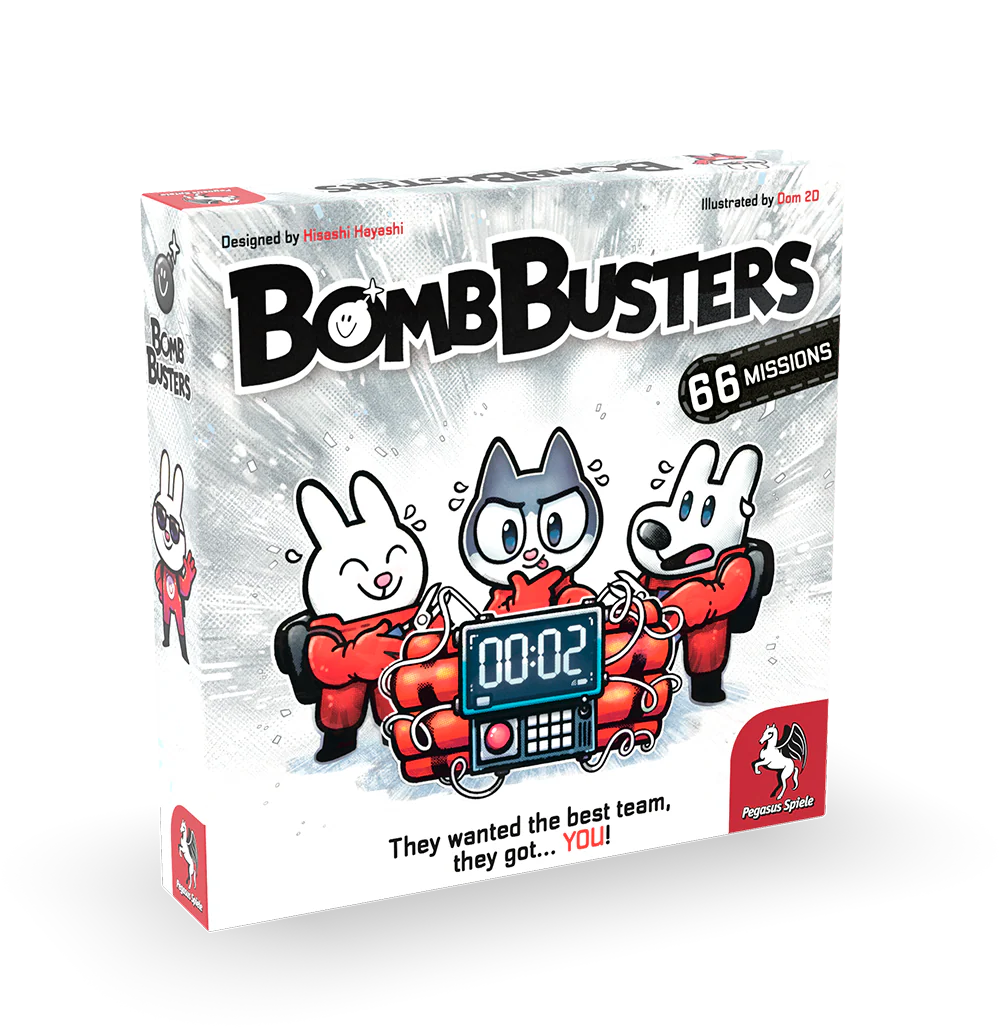
Players: 2–5 | Ages: 10+
Bomb Busters is a cooperative card game where players work together to defuse bombs by playing numbered cards in a specific order. Like Hanabi, you can’t see your own cards — only your teammates’ hands. Communication is limited, and one wrong play can trigger a detonation.
This won the Spiel des Jahres in 2025, and the buzz around it is well earned. The bomb-defusal theme adds tension that pure abstract card games sometimes lack. Difficulty scales nicely, and the rule variations keep things fresh across dozens of plays. If you liked Hanabi and want something with a bit more structure and theme, Bomb Busters is where to go next.
A rising star among the best deduction board games in 2026. Also makes a strong cooperative deduction game for two players.
FAQs
What is the difference between social deduction and cooperative deduction?
Social deduction games involve hidden roles and bluffing — players lie and accuse each other. Cooperative deduction games have everyone working together to solve a shared puzzle using limited information, with no hidden traitors.
What are the best social deduction board games for beginners?
One Night Ultimate Werewolf, Spyfall, and Coup are the easiest to learn. All three play in under 15 minutes, have simple rules, and work with groups of 4–8 without much setup.
Which deduction board games work well with just two players?
Codenames Duet, Hanabi, and The Search for Planet X all play well at two. For secret-role experiences, most social deduction games need at least four or five players to function properly.
Are there good games like Secret Hitler for younger players?
One Night Ultimate Werewolf (ages 8+) and Saboteur (ages 8+) capture the hidden-role tension without mature themes. A Fake Artist Goes to New York is another family-friendly option among secret hitler like games that works for all ages.
How many players do you need for most deduction board games?
Most social deduction games need 5–8 players to shine. Pure cooperative deduction games like Hanabi, The Crew, and MicroMacro work well from 2–4 players. Blood on the Clocktower scales up to 20.
