Top 30 Trivia Board Games In 2026

Game nights become extraordinary when you bring out the best trivia board games. These knowledge-testing adventures transform ordinary evenings into memorable competitions. Whether you’re hosting friends or enjoying family time, trivia games spark conversations and create lasting memories.
Finding the perfect trivia board game can feel overwhelming. Countless options fill store shelves, each promising hours of entertainment.
Our carefully curated list features the top 30 trivia board games that deliver exceptional gameplay experiences. We’ve evaluated each of these board games based on entertainment value, replay potential, and player satisfaction.
Top 30 Trivia Board Games In 2026
1. Trivial Pursuit
Players: 2–6 | Ages: 16+
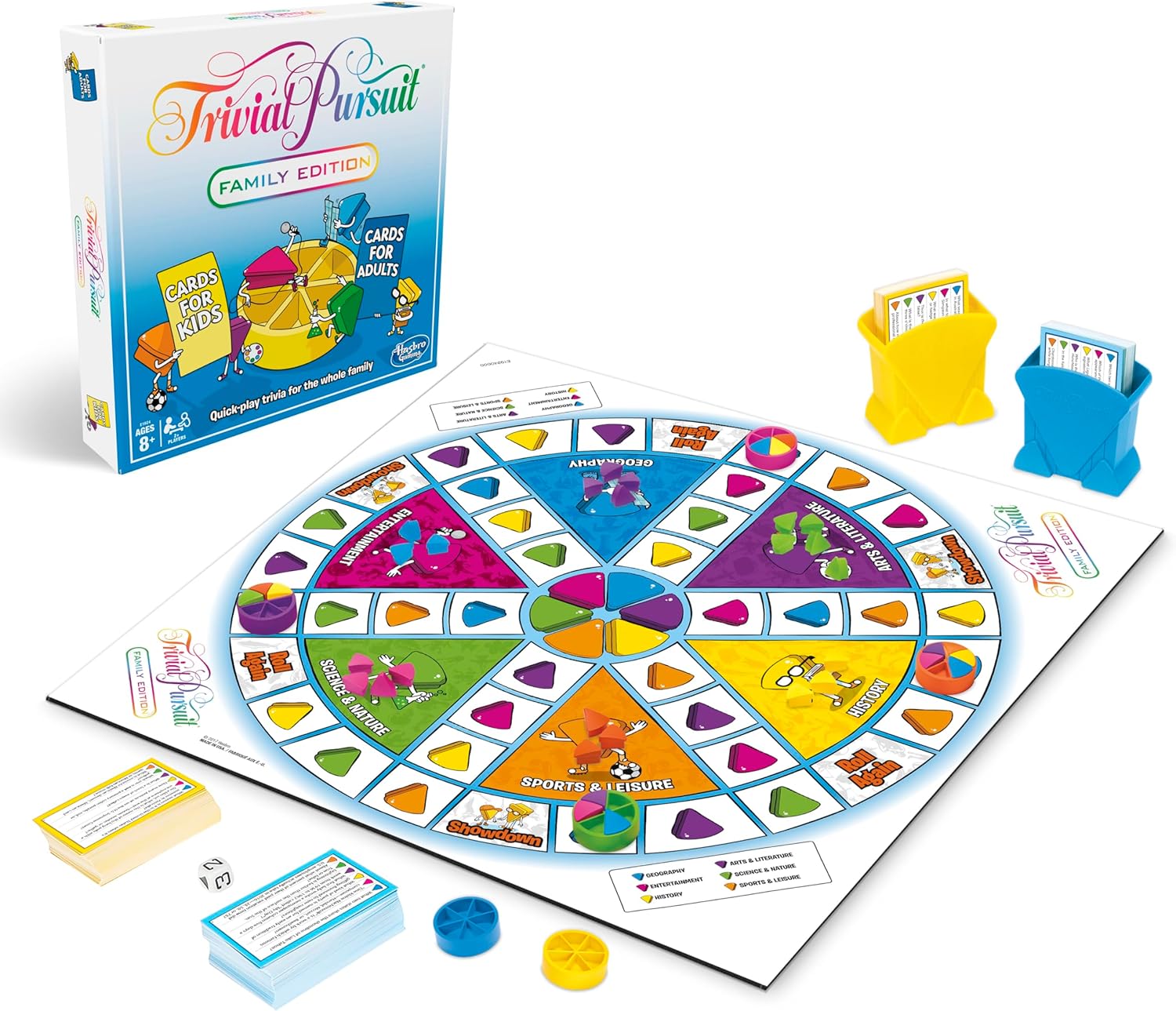
The original trivial pursuit board game has sold over 100 million copies worldwide since 1981. Players roll a die, move around a circular board, and answer questions across six categories: Geography, Entertainment, History, Art & Literature, Science & Nature, and Sports & Leisure. Collect all six colored wedges and reach the center to win.
It still holds up. The question quality is better than most competitors, and the category spread keeps games from becoming one-sided. My group gravitates back to it every few months, and someone always gets humbled by the Science wedge.
Over 50 special editions exist, including Decades, Master Edition, and pop culture variants. If you only own one trivia board game, this is the one. The classic board games list rarely changes at the top, and Trivial Pursuit has earned that spot.
2. Cranium
Players: 4–16 | Ages: 12+
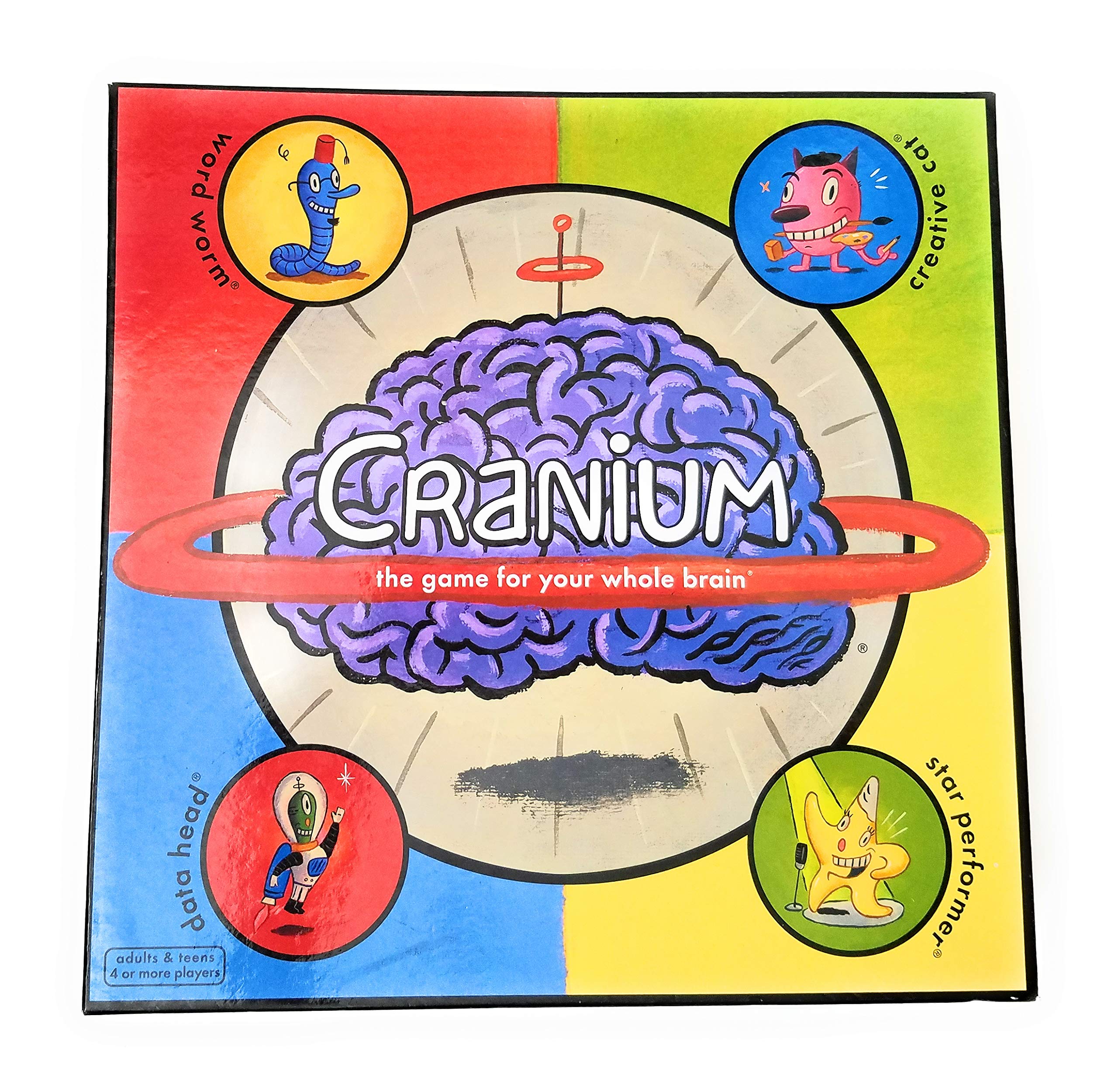
Cranium sold over 44 million copies by mixing trivia with drawing, sculpting clay, acting, and word puzzles. Teams rotate through four activity types — Star Performer, Data Head, Word Worm, and Creative Cat — so everyone in the group gets a chance to contribute their strengths.
What separates Cranium from a standard quiz game is the variety. One round you’re humming a song; the next you’re spelling a word backwards. It keeps the energy up and stops any single player from dominating. Easily one of the best trivia games for large groups that want more than just Q&A.
Great for parties of six or more. The Cranium WOW and Cranium Turbo editions speed things up for shorter sessions.
3. Scene It?
Players: 2–4 teams | Ages: 13+
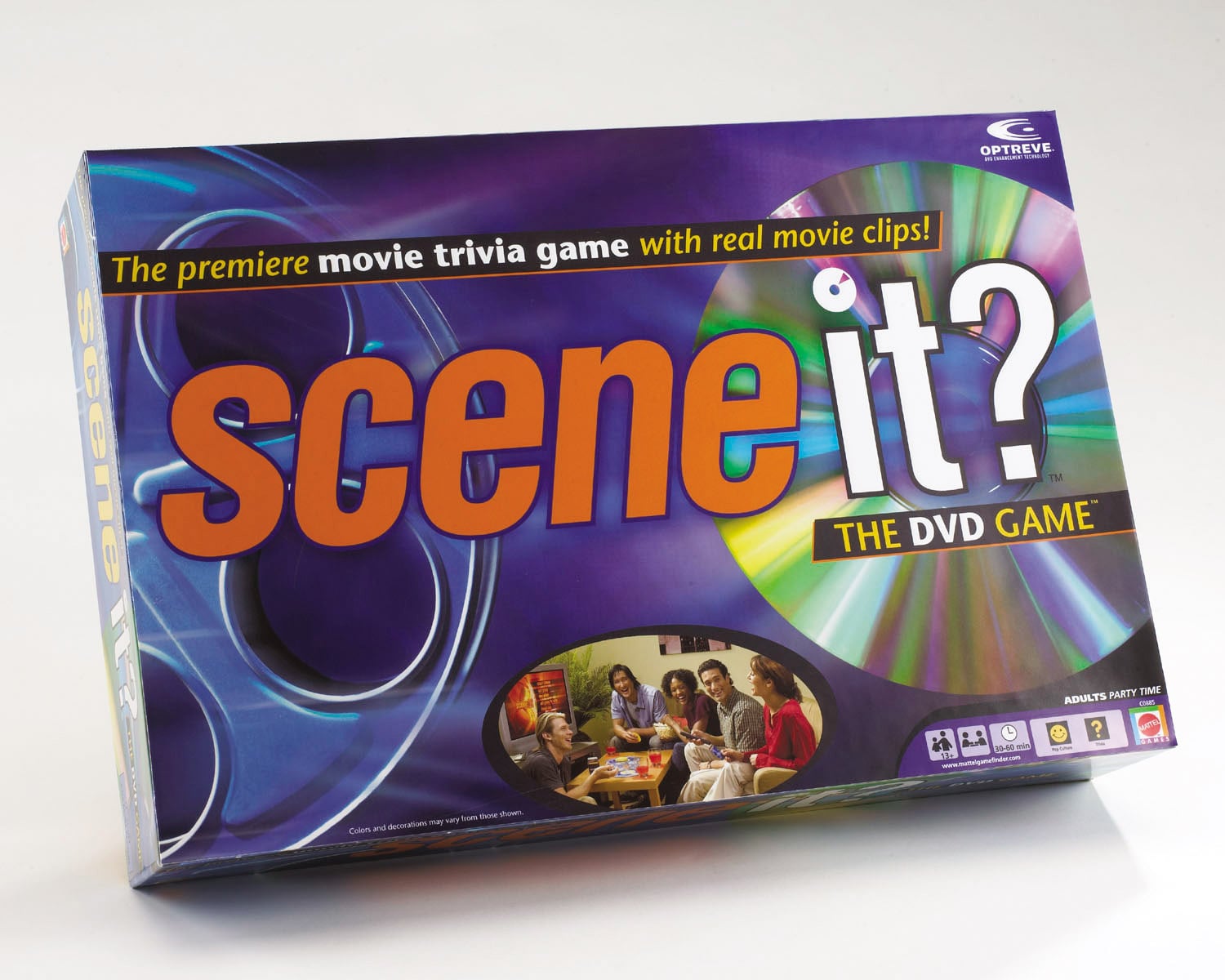
Scene It? uses DVD (and later streaming) clips to test movie and TV knowledge. Players watch short clips, then answer questions about what they just saw. Categories include visual puzzles, soundtrack identification, and quote completion. The multimedia approach made it feel different from any other quiz board game at the time.
At its peak, Scene It? sold millions of copies across dozens of themed editions — Harry Potter, Disney, Friends, and more. The clip-based rounds land harder than text questions because you’re actually watching the scenes rather than recalling them from memory.
Best for movie buffs and TV fans. The format feels dated with DVDs fading out, but digital versions and fan-run adaptations keep it alive as a popular tv trivia game option.
4. Jeopardy! Board Game
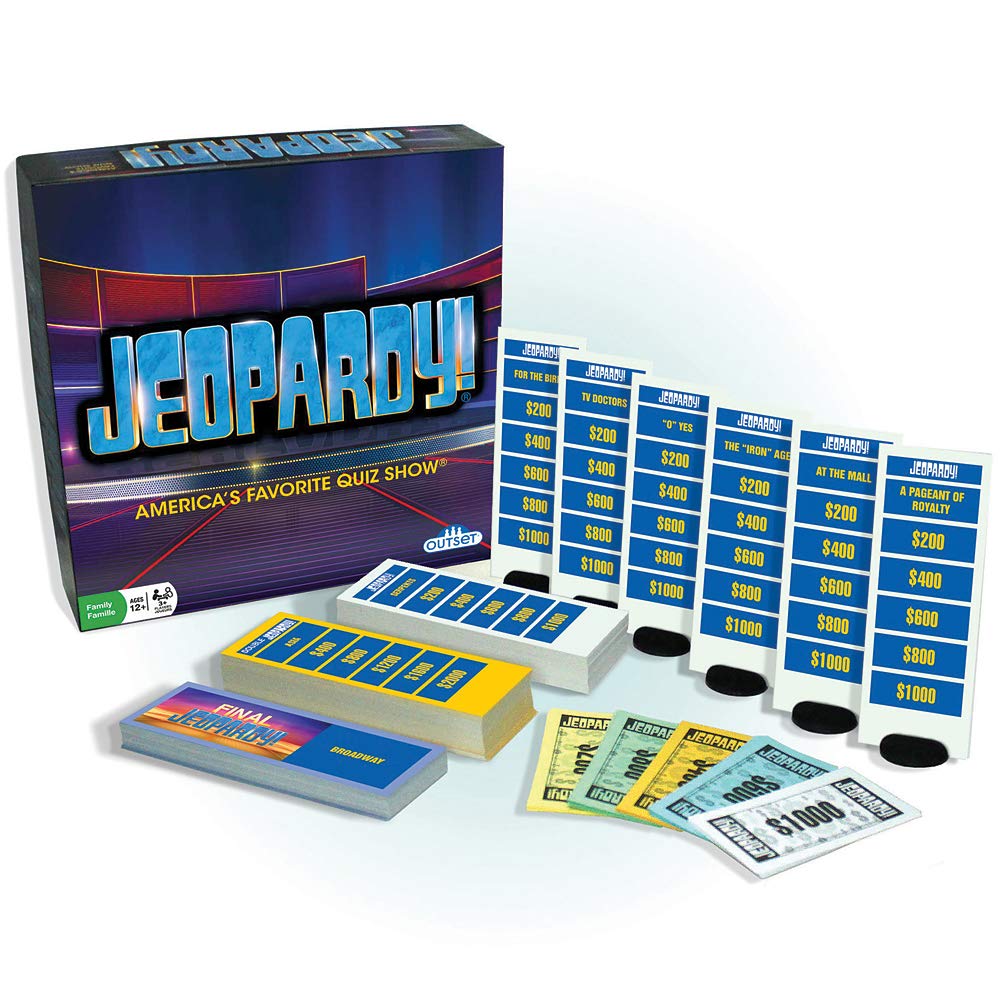
Players: 2–6 | Ages: 12+
Based on the longest-running game show in American television, the Jeopardy! board game follows the same format: answers are given, and players must respond in the form of a question. Categories span general knowledge, history, science, and pop culture. Double Jeopardy and Final Jeopardy rounds add wagering pressure.
The reverse-question format is what makes Jeopardy! feel distinct from other trivia games for adults. It forces you to think differently, and the daily double mechanic creates real swings. My group treats the wagering round like a poker hand.
Multiple editions exist, including a travel version. Works well for groups who enjoy the show and want that game-show tension at home.
5. Wits & Wagers
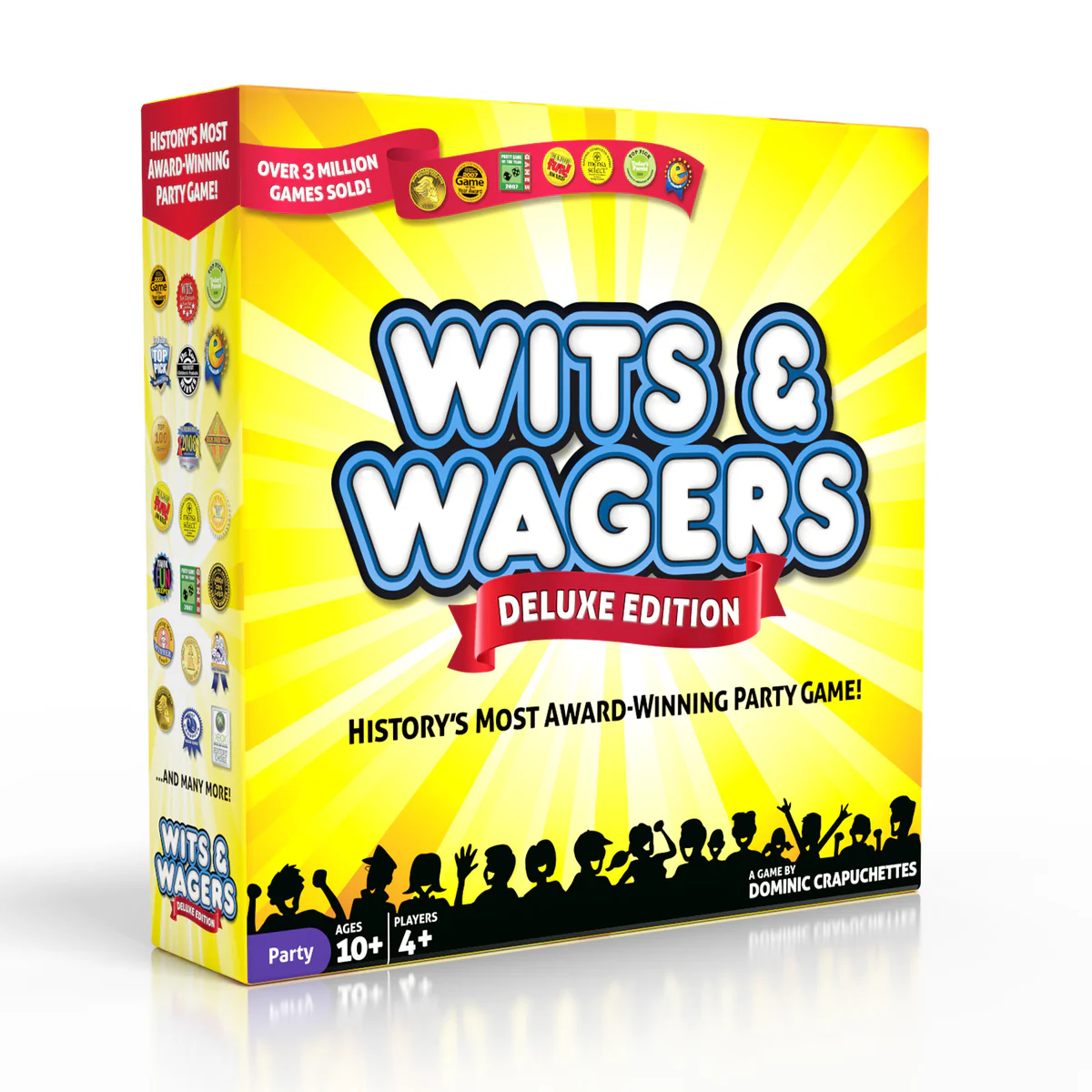
Players: 3–7 | Ages: 10+
Wits & Wagers asks numerical trivia questions, then lets everyone bet on which answer is closest to correct. You write your guess, place it on a betting mat alongside everyone else’s answers, and then wager chips on whoever you think nailed it. The closest answer without going over wins.
This is the best trivia board game for people who hate trivia. You don’t need to know anything — you just need to know who in your group probably does. The betting phase is where the real action happens, and it turns every round into a mini poker game.
The Family Edition tones down the gambling feel for younger players. Wits & Wagers has won more party game awards than almost any title in the category. Scales up well for party board games nights with teams.
6. 5 Second Rule
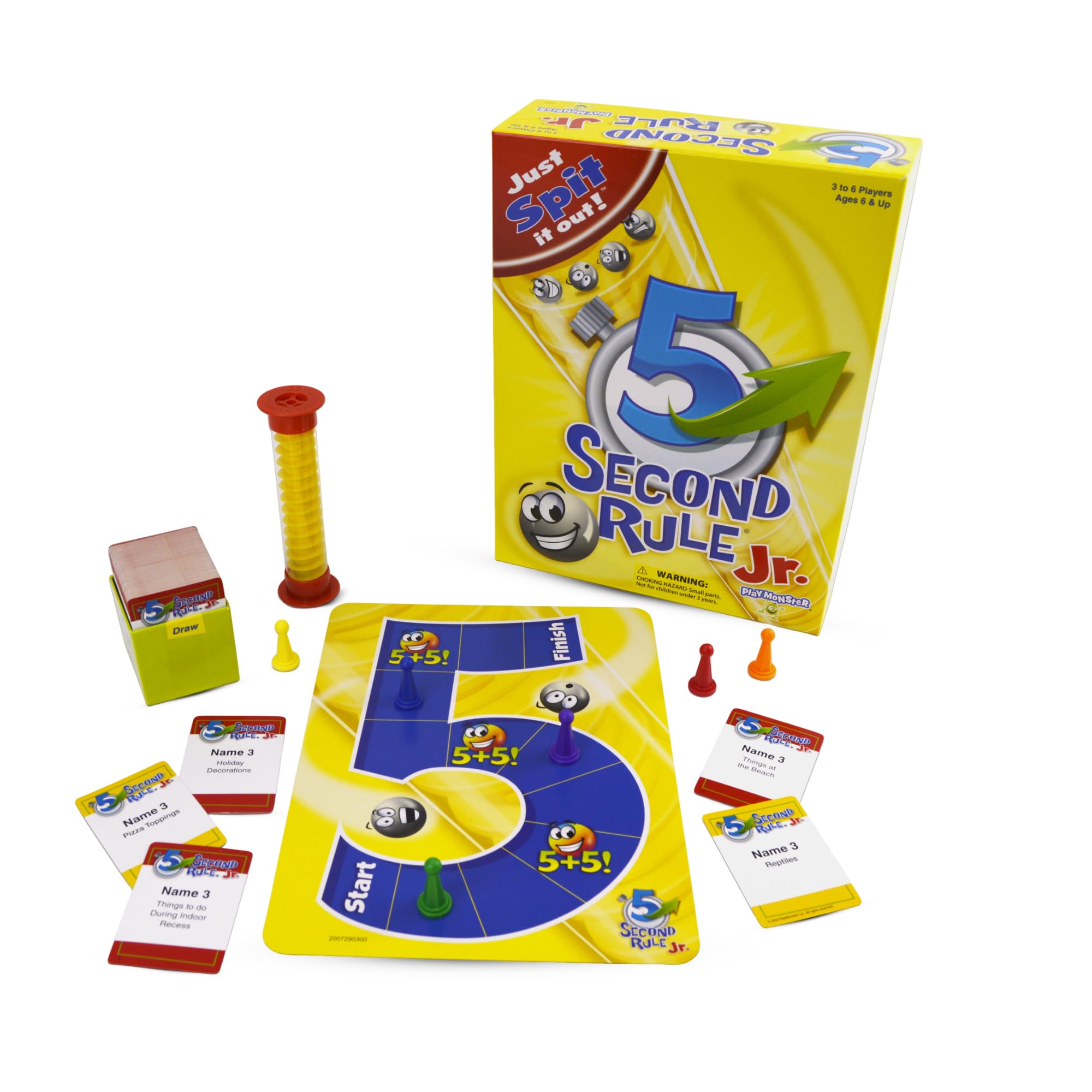
Players: 3–6 | Ages: 10+
A card is flipped, and you have exactly five seconds to name three things that fit the category. Name three breakfast cereals. Three countries starting with “B.” Three songs by The Beatles. The twisted timer on the board ticks down while everyone watches you panic.
5 Second Rule is pure pressure. The questions aren’t hard on paper, but five seconds turns simple recall into a comedy show. People blurt out wrong answers, repeat themselves, and freeze. It’s one of the best trivia games to play with friends who want laughs over strategy.
The Junior edition works for ages 6+, and an Uncensored version exists for adult game nights. Quick rounds keep it from overstaying its welcome.
7. Are You Smarter Than a 5th Grader?

Players: 2+ | Ages: 8+
Based on the TV show, this trivia game for family gatherings uses elementary school curriculum questions across math, science, social studies, and language arts. Adults pick a grade level and category, then try to answer correctly. “Cheat” cards let you copy a classmate or peek at the answer.
The charm is watching grown adults struggle with 4th-grade geography. It’s humbling in the best way. Questions are sourced from actual school standards, which means they’re trickier than you’d expect once you’ve been out of school for a decade.
Strong pick for mixed-age groups. Kids and adults compete on equal footing, which is rare for trivia board games for family play.
8. Smart Ass
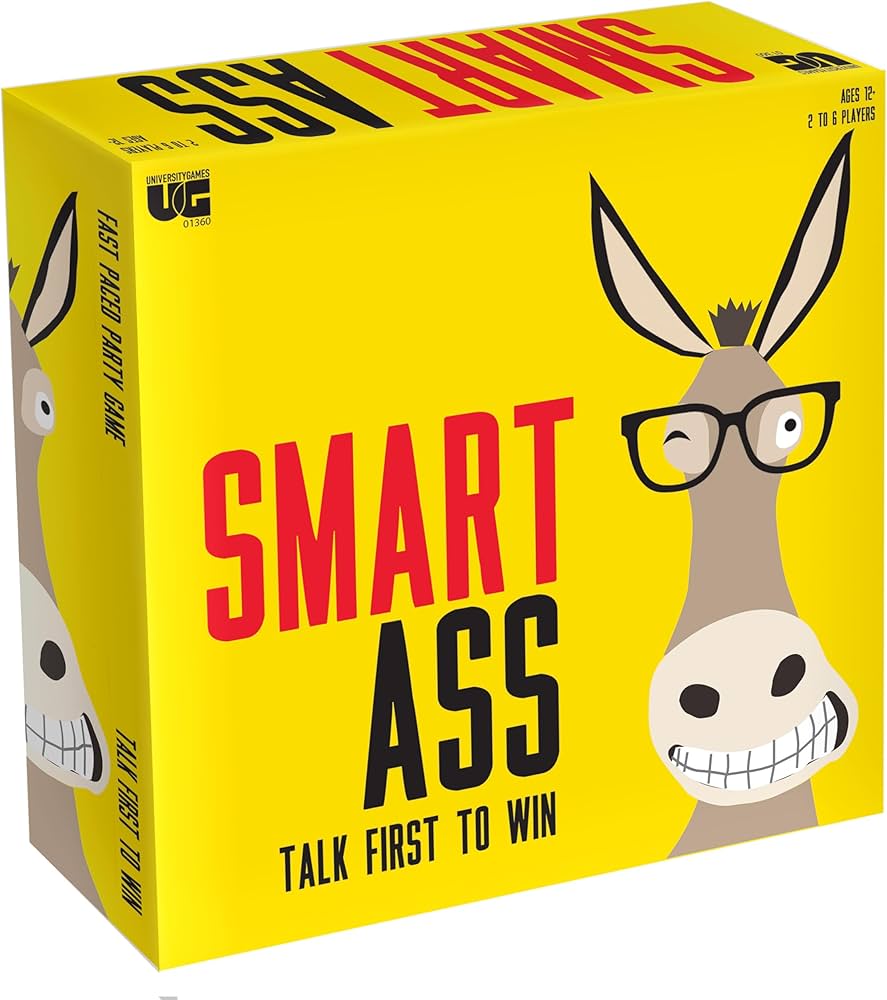
Players: 2–6 | Ages: 12+
Smart Ass reads clues one at a time, getting progressively easier. The first player to shout the correct answer wins the round — no turn order, no waiting. Clues start vague (“I was invented in the 1800s”) and get specific (“I come in white and wheat”). Categories include Who Am I, What Am I, and Where Am I.
Speed is everything here. The shout-it-out format rewards quick thinking and makes every round a race. It’s chaotic in the best way, and slower players can still win by listening carefully to later clues.
Good pick for competitive groups who want a fast-paced trivia party game. Plays in about 30 minutes.
9. Outburst
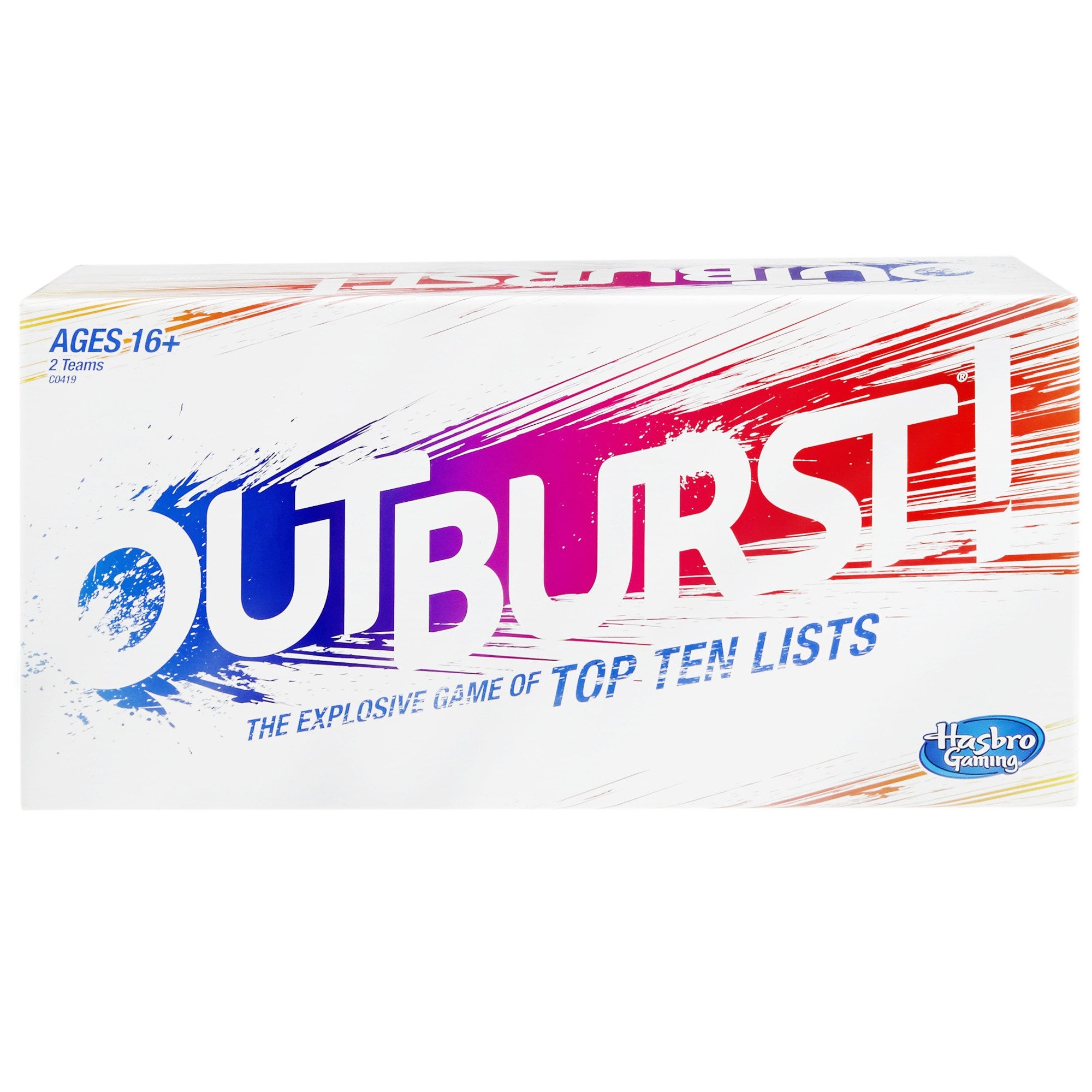
Players: 4+ (teams) | Ages: 12+
Teams have 60 seconds to shout out as many answers as possible from a hidden list of ten. The topic might be “Types of Pasta” or “Things Found in a Hospital.” You score one point for each answer that matches the list. The catch: the list is pre-set, so common answers count but obscure ones might not.
Outburst is loud and frantic, which is exactly what makes it work for group trivia games. The shouting format pulls in people who’d normally sit out a standard quiz night. My group gets competitive fast.
The original version holds up, but Outburst Junior and themed editions expand the range. Solid party quiz games pick for eight or more players.
10. Balderdash
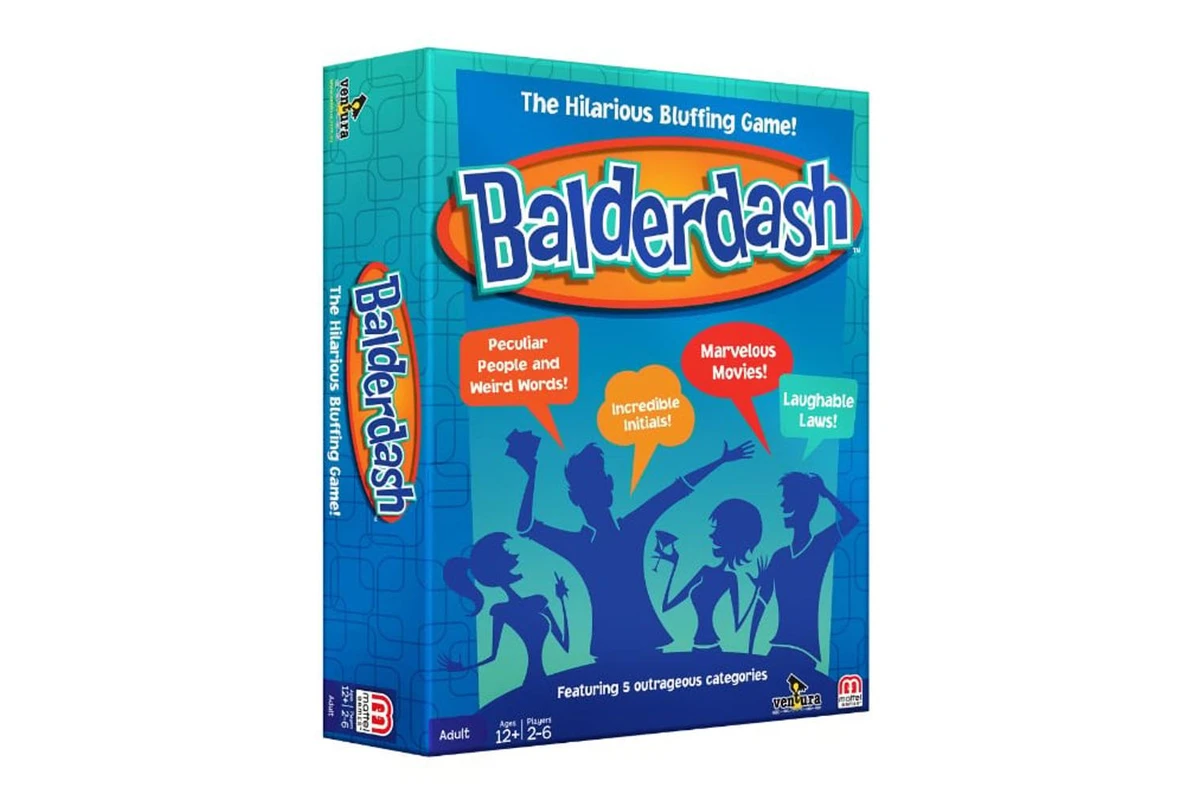
Players: 2–6 | Ages: 12+
One player reads an obscure word, and everyone else writes a fake but convincing definition. The real definition is mixed in with the fakes, and players vote on which one they believe. You score points for guessing correctly and for fooling other players with your bluff.
Balderdash rewards creativity more than knowledge. The funniest rounds happen when someone writes a definition so absurd that everyone votes for it anyway. It’s less about what you know and more about how well you can sell nonsense.
Absolute Balderdash adds categories like movies, initials, and laws. A strong option among trivia games for couples and smaller groups who like wordplay.
11. Half Truth
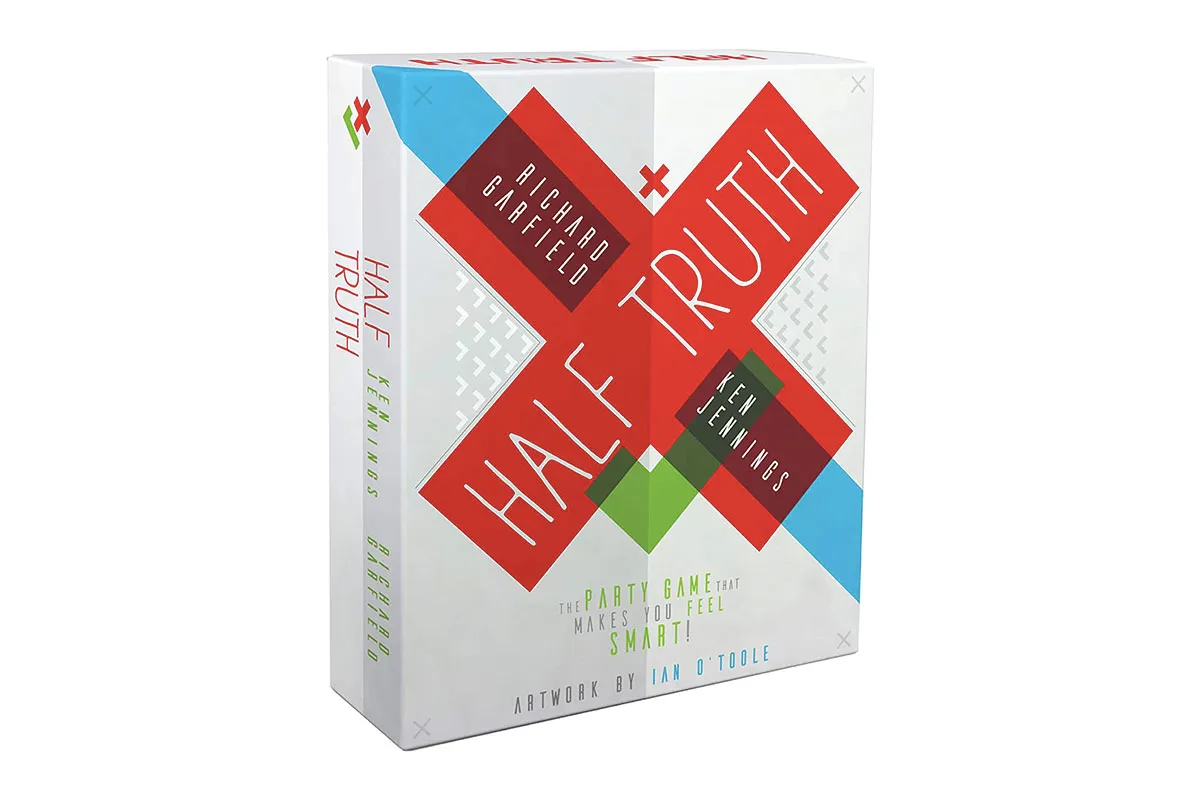
Players: 2–6 | Ages: 12+
Designed by Ken Jennings and Richard Garfield, Half Truth gives you a question with six possible answers — exactly three are correct. Pick which three you think are right and wager on how confident you feel. Get all three and you score big. Get one wrong and you might lose everything you bet.
The wagering mechanic makes Half Truth one of the best trivia card games on the market. You can play it safe or push your luck, and that tension stays high even when you’re unsure. Jennings’ involvement shows in the question quality — they’re tricky but fair.
Plays fast at about 20 minutes. The compact box makes it portable. A top-tier card game for adults who want trivia without a full board setup.
12. Linkee
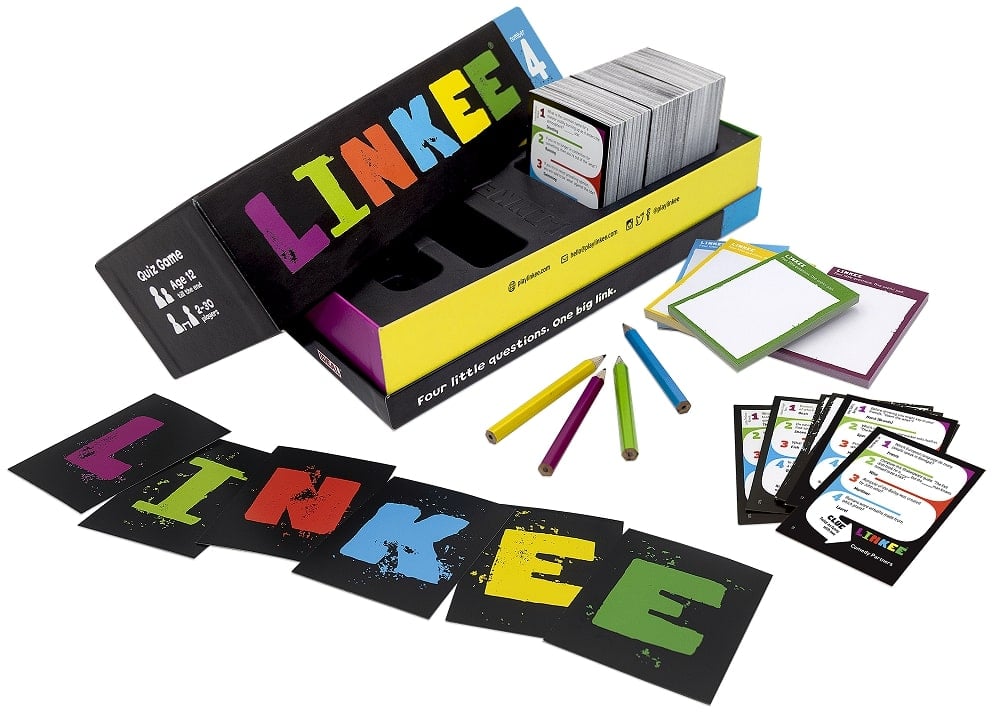
Players: 2–30+ | Ages: 12+
Each round has four trivia questions. The answers are connected by a single theme — figure out the link before anyone else and shout “Linkee!” to claim the card. For example, four answers might all be types of cheese, or things that come in pairs. You need four cards spelling L-I-N-K-E-E to win.
Linkee sits in a sweet spot between individual knowledge and lateral thinking. You don’t need all four answers — sometimes the link clicks after just two. That makes it accessible for players with different strengths. If you enjoy games like Linkee, the format rewards pattern recognition as much as raw recall.
Handles big groups without slowing down, making it ideal for trivia for groups at pubs or house parties.
13. Timeline
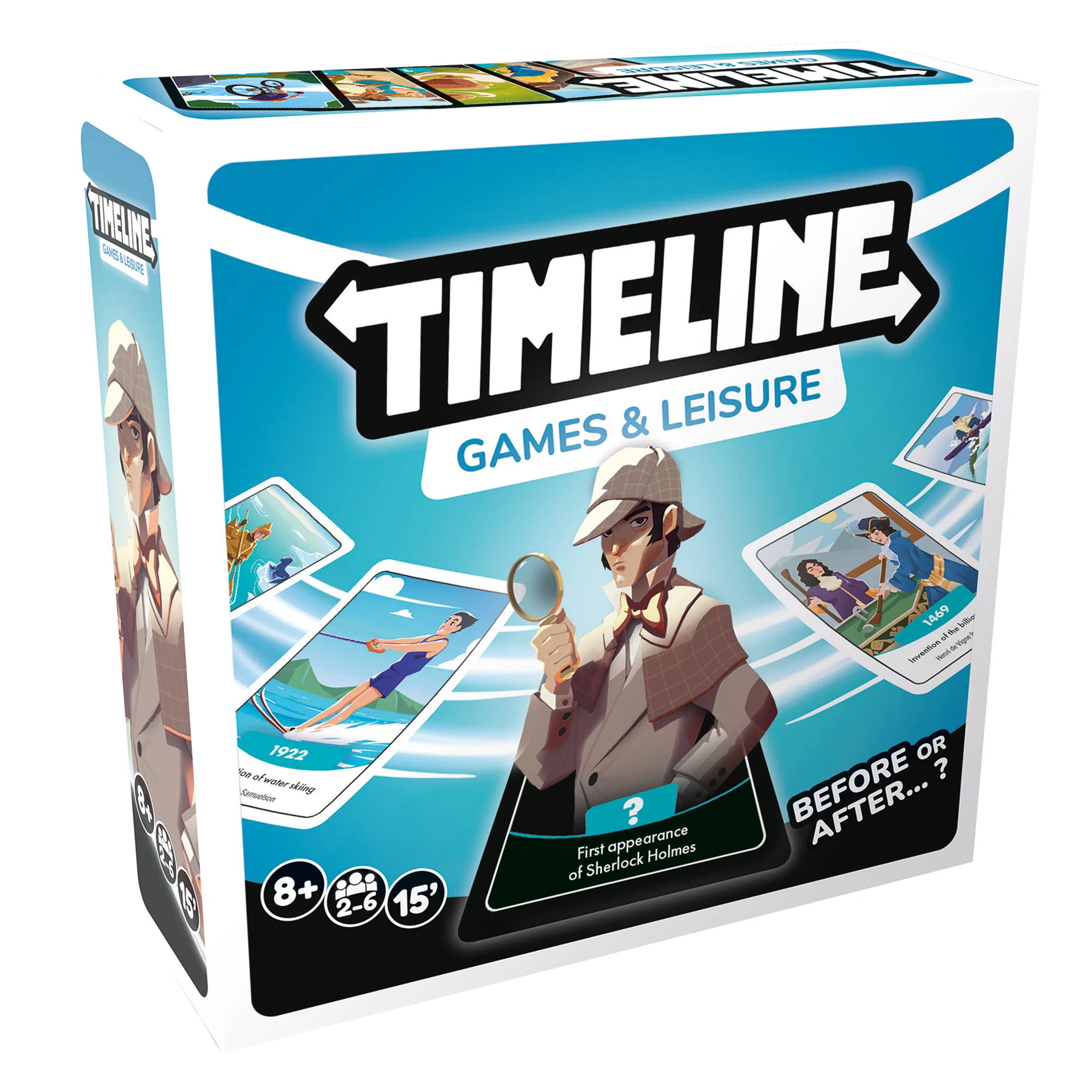
Players: 2–8 | Ages: 8+
Each card shows a historical event, invention, or discovery on one side and its date on the reverse. Players take turns placing cards in chronological order along a shared timeline. If you’re right, the card stays. If you’re wrong, you draw a replacement. First to empty your hand wins.
Timeline is deceptively tricky. You might know the lightbulb came before the television, but did it come before or after the bicycle? The game gets harder as the timeline fills up and gaps narrow. It’s a general knowledge board game that teaches you something every round.
Multiple themed sets (Inventions, Music & Cinema, Historical Events) can be mixed together. Compact enough to toss in a bag for travel.
14. Beat the Parents
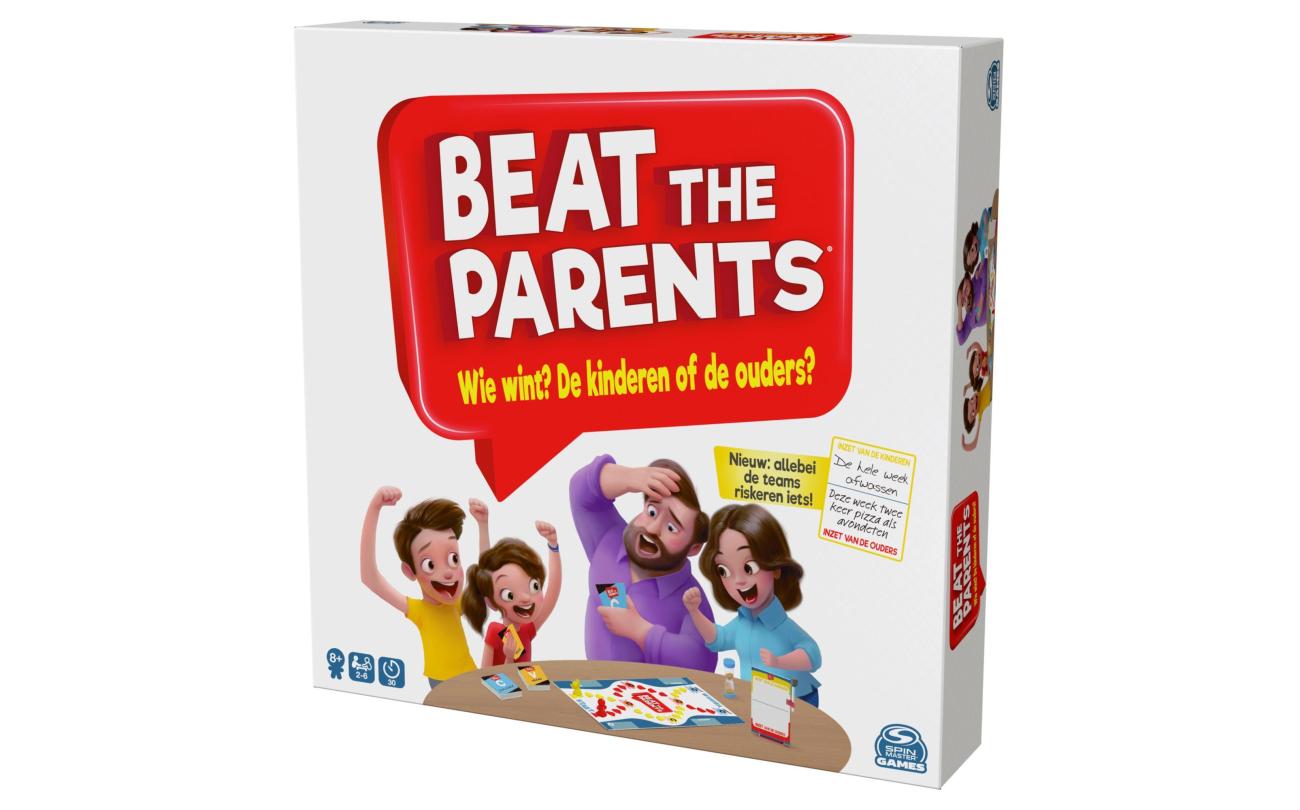
Players: 4+ | Ages: 6+
Kids answer adult-level questions while parents answer kid-level questions. The team that reaches the finish line first wins. Kid questions for adults cover things like cartoon characters and schoolyard slang; adult questions for kids include history and current events.
The role reversal is what makes Beat the Parents land. Watching parents struggle with questions about children’s shows while kids breeze through history facts creates genuine laughs. It’s one of the few trivia games for family settings where kids have a real edge.
Works best with at least two kids and two adults. The updated 2020s editions refreshed the questions to keep them current.
15. Bezzerwizzer
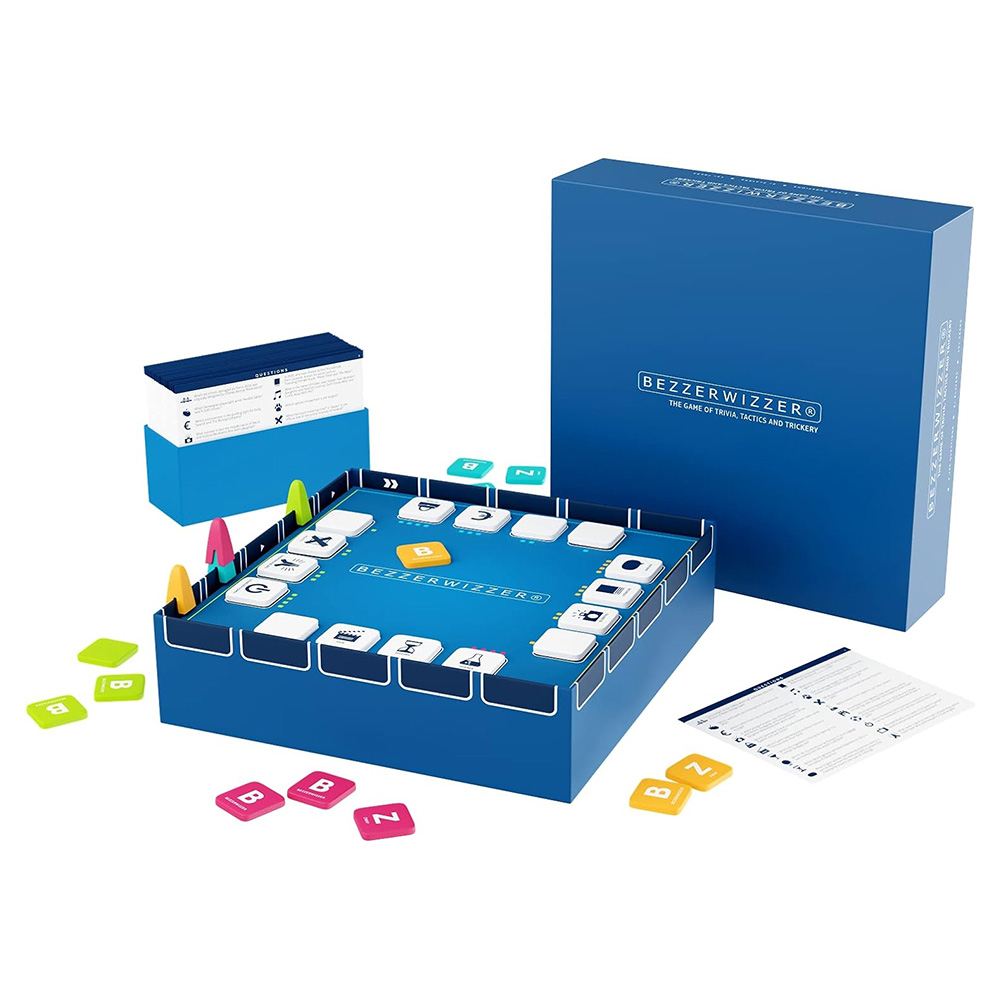
Players: 2–4 (or teams) | Ages: 12+
Each round, players draw four category tiles at random and arrange them in order of confidence. Questions from your top-ranked category earn more points. You can also swap categories with opponents or steal their questions for bonus points.
The category-swapping mechanic is what sets Bezzerwizzer apart from other quiz games. You’re not just answering questions — you’re gambling on your own strengths and exploiting others’ weaknesses. It adds a layer of bluffing that pure trivia misses.
Popular in Scandinavia, where it originated, and steadily gaining fans elsewhere. A solid pick among different types of trivia games that blend strategy with knowledge.
16. Logo Board Game
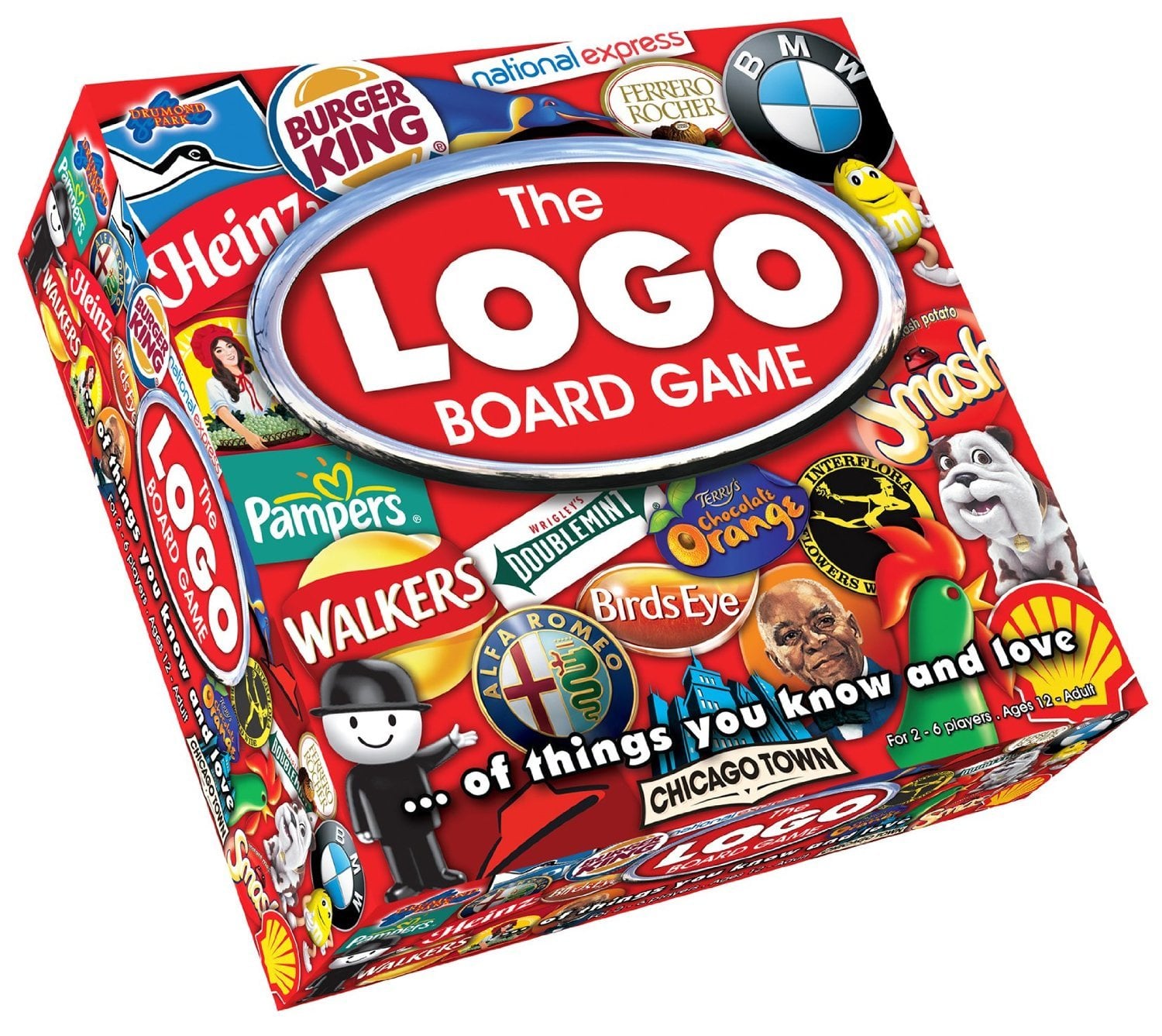
Players: 2–6 | Ages: 12+
Logo tests your knowledge of brands, packaging, slogans, and advertising. Questions range from identifying a partially hidden logo to naming the company behind a famous tagline. Categories cover food, drink, fashion, technology, and entertainment.
You’ll be surprised how much brand knowledge you’ve absorbed without trying. The questions pull from everyday life, so people who don’t consider themselves trivia fans still do well. It’s a knowledge game built on commercial culture rather than textbook facts.
The “What Am I?” edition and a “Best of TV and Movies” spinoff extend the range. Works well for adult trivia games nights where players want something outside standard Q&A.
17. Say Anything
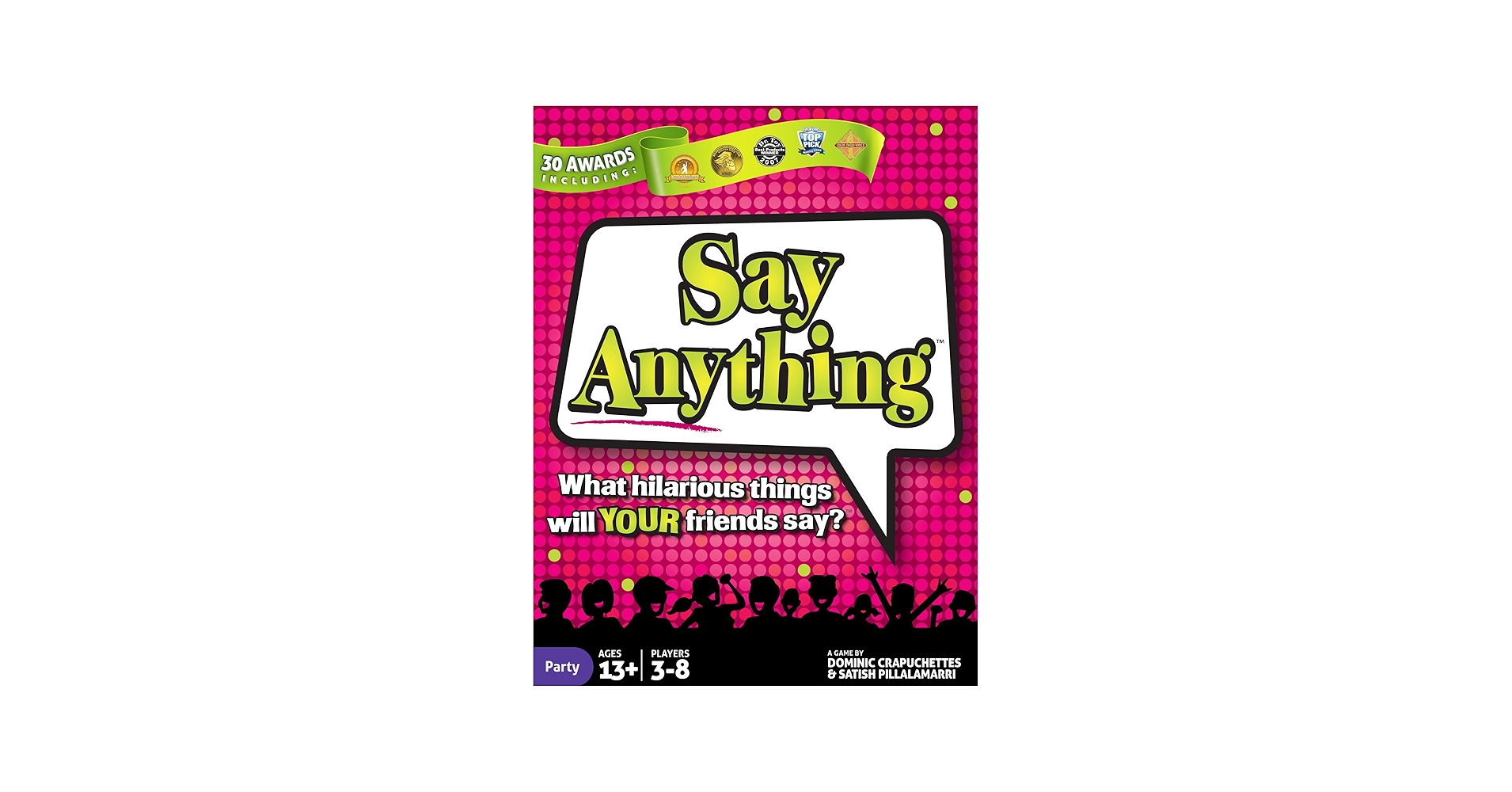
Players: 3–8 | Ages: 13+
One player reads a question like “What’s the best pizza topping?” or “What would be the worst superpower?” Everyone else writes an answer, and the reader secretly picks their favorite. Then everyone bets on which answer was chosen. Points go to the chosen writer and correct bettors.
Say Anything works because the questions are subjective. There’s no right answer — it’s about knowing the reader’s taste. That social layer makes it fun even for people who avoid traditional quiz board games for adults. Rounds move fast, and the betting keeps non-active players engaged.
A strong option for trivia games with friends who prefer personality-driven answers over factual recall.
18. Herd Mentality
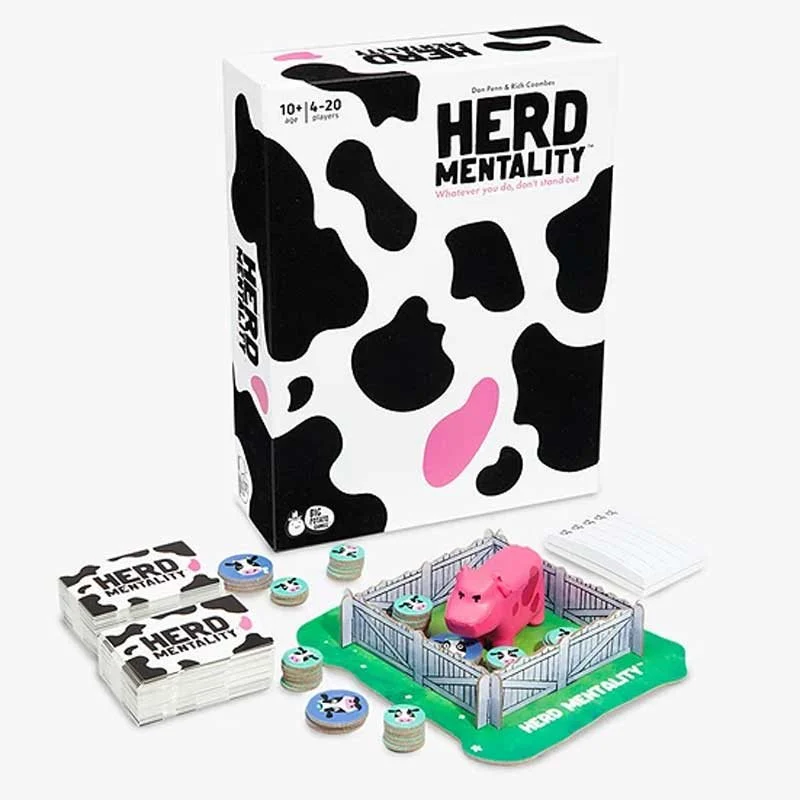
Players: 4–20 | Ages: 10+
Players write answers to simple questions like “Name a fruit you’d put in a smoothie.” The goal isn’t to be clever — it’s to match the majority. Every player whose answer matches the most common response scores a point. The player with the oddest answer gets a pink cow token that blocks winning until they get rid of it.
Herd Mentality turns trivia on its head. You’re not rewarded for being right; you’re rewarded for thinking like everyone else. That shift creates funny moments where someone writes an obviously “correct” answer and still loses because the group went a different direction.
Handles 20 players comfortably. One of the top picks among trivia party games for big gatherings.
19. Hitster
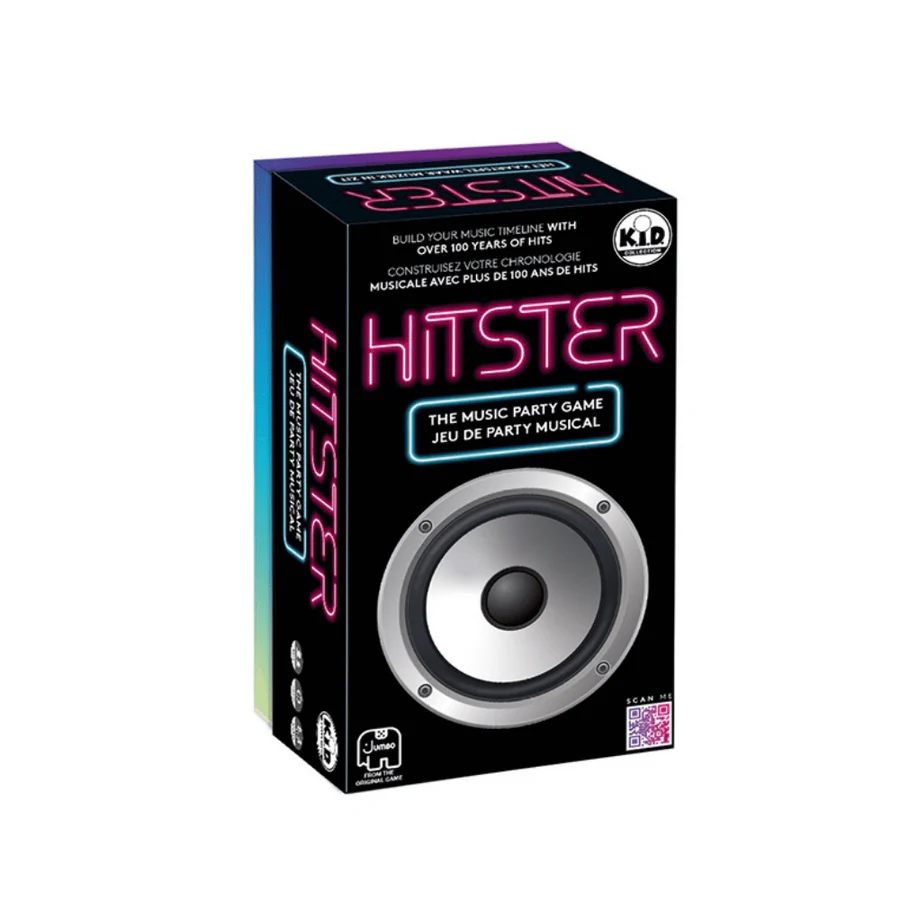
Players: 2–10 | Ages: 16+
Players scan QR codes on cards to play song clips through a phone. You then place each card in chronological order on your personal music timeline. If you get the year wrong, the card goes to someone else. First player to collect ten cards wins.
Hitster is a music trivia game that doesn’t require deep knowledge — sometimes you just know a song “feels” like the early 2000s. The QR scanning keeps things moving, and hearing actual clips makes it more engaging than reading a song title off a card. It won multiple awards in Europe since its 2023 release.
Best for groups that enjoy pop culture games with a soundtrack. The 250+ song library covers decades of hits.
20. Smart10
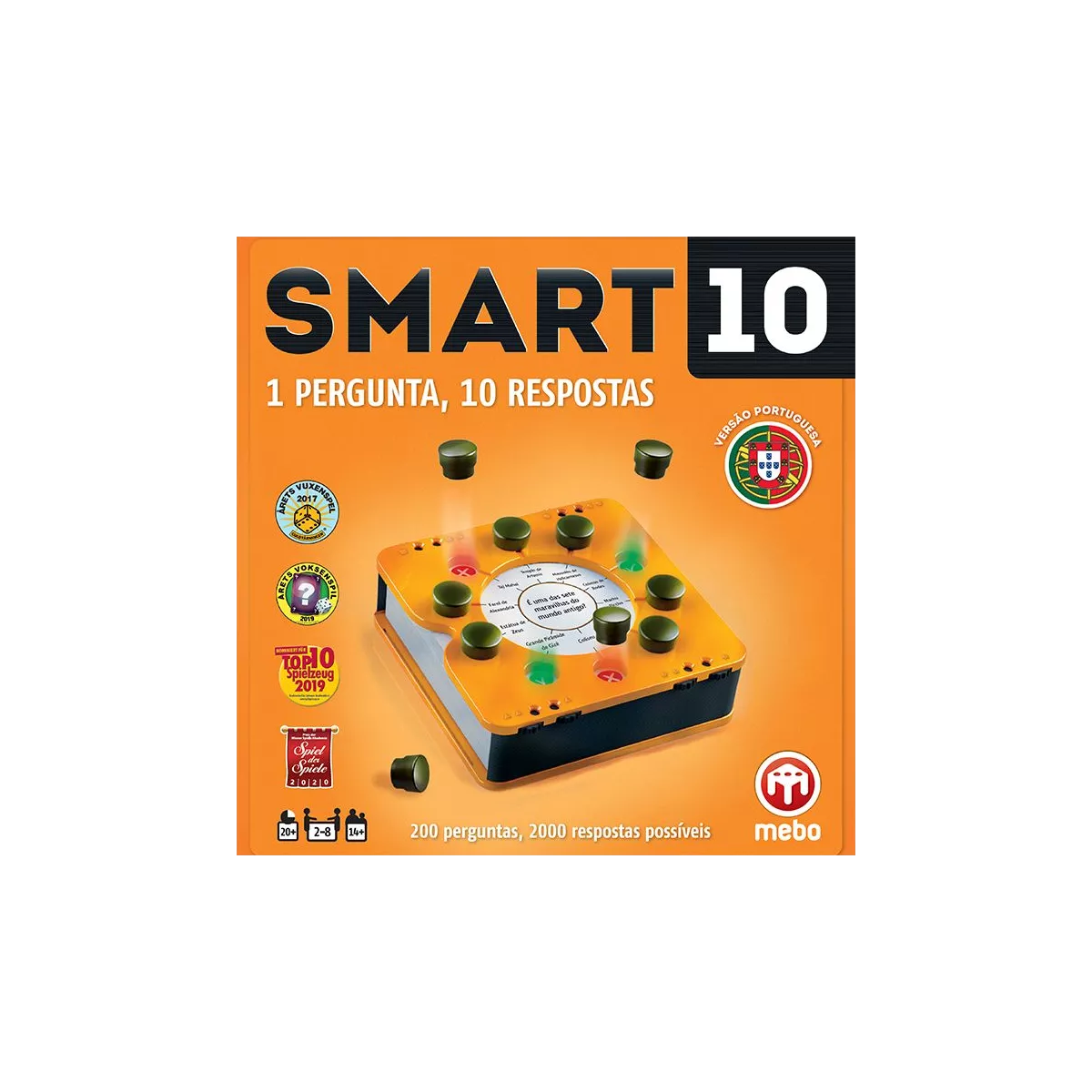
Players: 2–8 | Ages: 14+
Each question card sits inside a circular holder with ten possible answers visible through windows. On your turn, pick one answer you think is correct. If you’re right, pull the tab to claim it. If you’re wrong, the card passes to the next player with the remaining answers still available.
The physical design is clever — answers disappear as correct ones are claimed, making later picks riskier. You’re constantly weighing whether to grab an easy answer now or gamble on a harder one worth more. It plays faster than most internet trivia games because there’s no reading aloud.
Packs flat for travel. The expansion packs add thousands of new questions. Works well as a best quiz game option for casual sessions.
21. Sounds Fishy
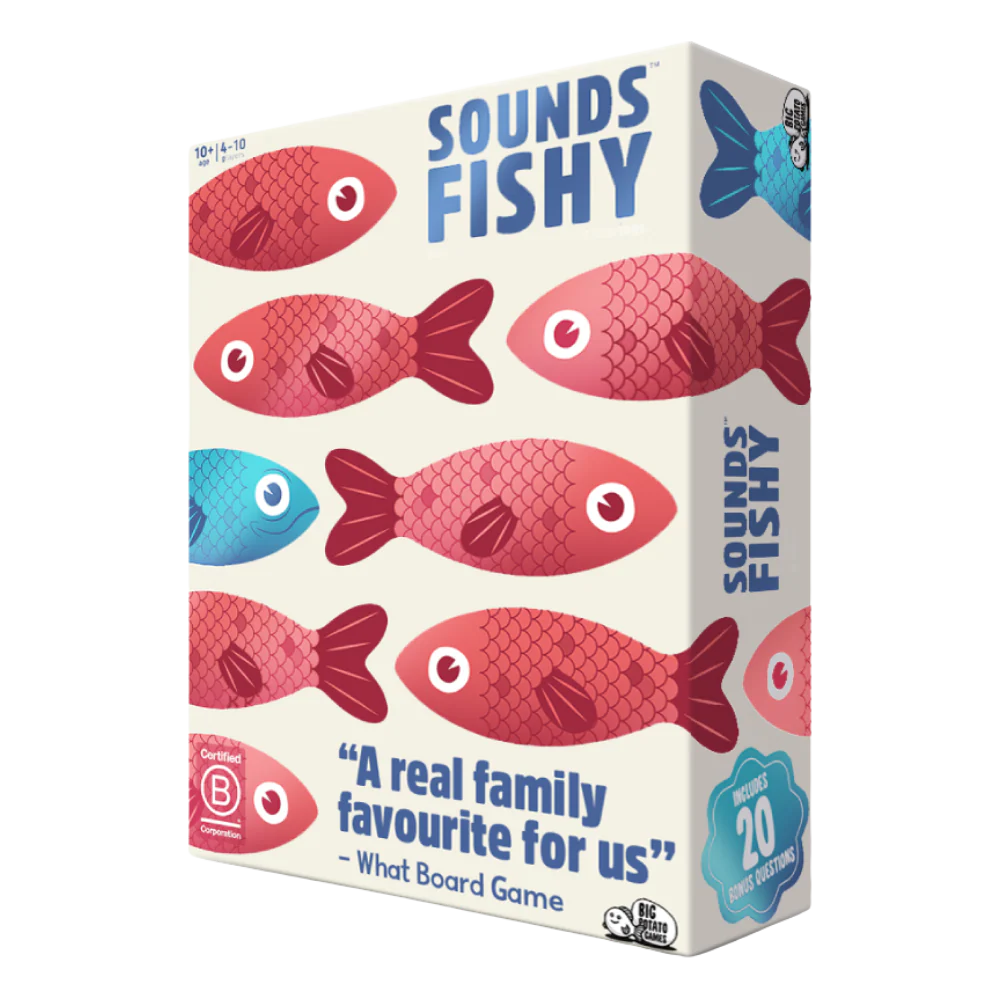
Players: 4–10 | Ages: 10+
One player reads a question nobody likely knows the answer to — something like “What is the national animal of Scotland?” Everyone else writes a fake answer while the reader writes the real one. All answers are read aloud, and players vote on which one they believe is true.
Sounds Fishy rewards creative bluffing over actual knowledge. The best rounds happen when someone invents an answer so convincing that the whole table falls for it. It plays like a trivia-bluffing hybrid and consistently gets laughs from new players.
A good pick among fun trivia games for family events. The Big Potato Games catalog in general leans into this accessible, humor-first style.
22. Mind the Gap
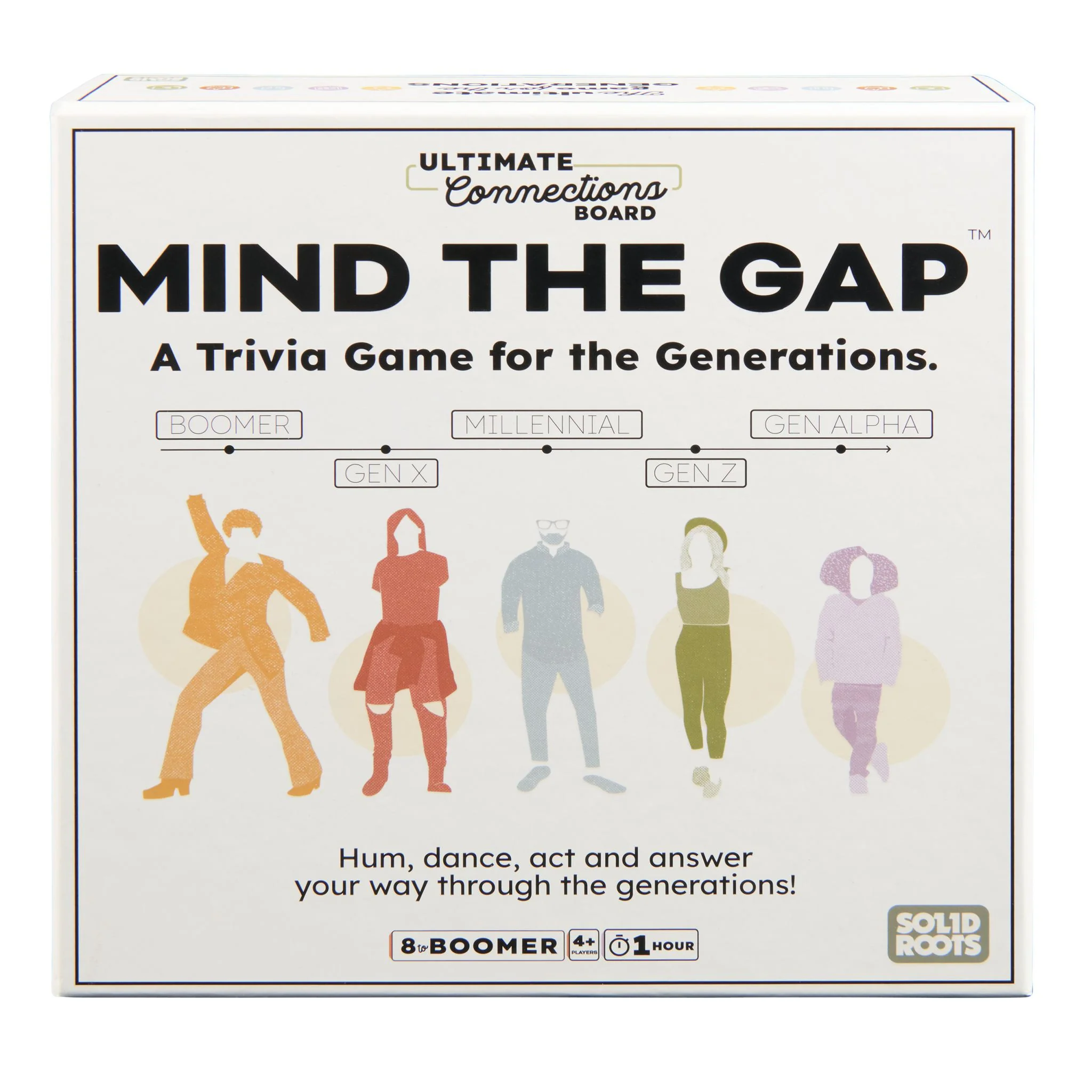
Players: 2+ (teams) | Ages: 10+
A multi-generational trivia board game where teams answer pop culture questions from four eras: Boomer, Gen X, Millennial, and Gen Z. Categories include TV/Film, Music, Headlines, and Slang. Your board position determines which generation’s questions you face.
The generational angle is what gives Mind the Gap its hook. Watching a Millennial blank on a 1970s sitcom question while a Boomer nails it — and then the reverse happens two rounds later — creates natural back-and-forth. Challenge cards with humming and acting break up the standard Q&A.
Best for mixed-age gatherings. The expansion pack adds 160 new cards. A solid birthday trivia games pick for milestone celebrations.
23. Confident?
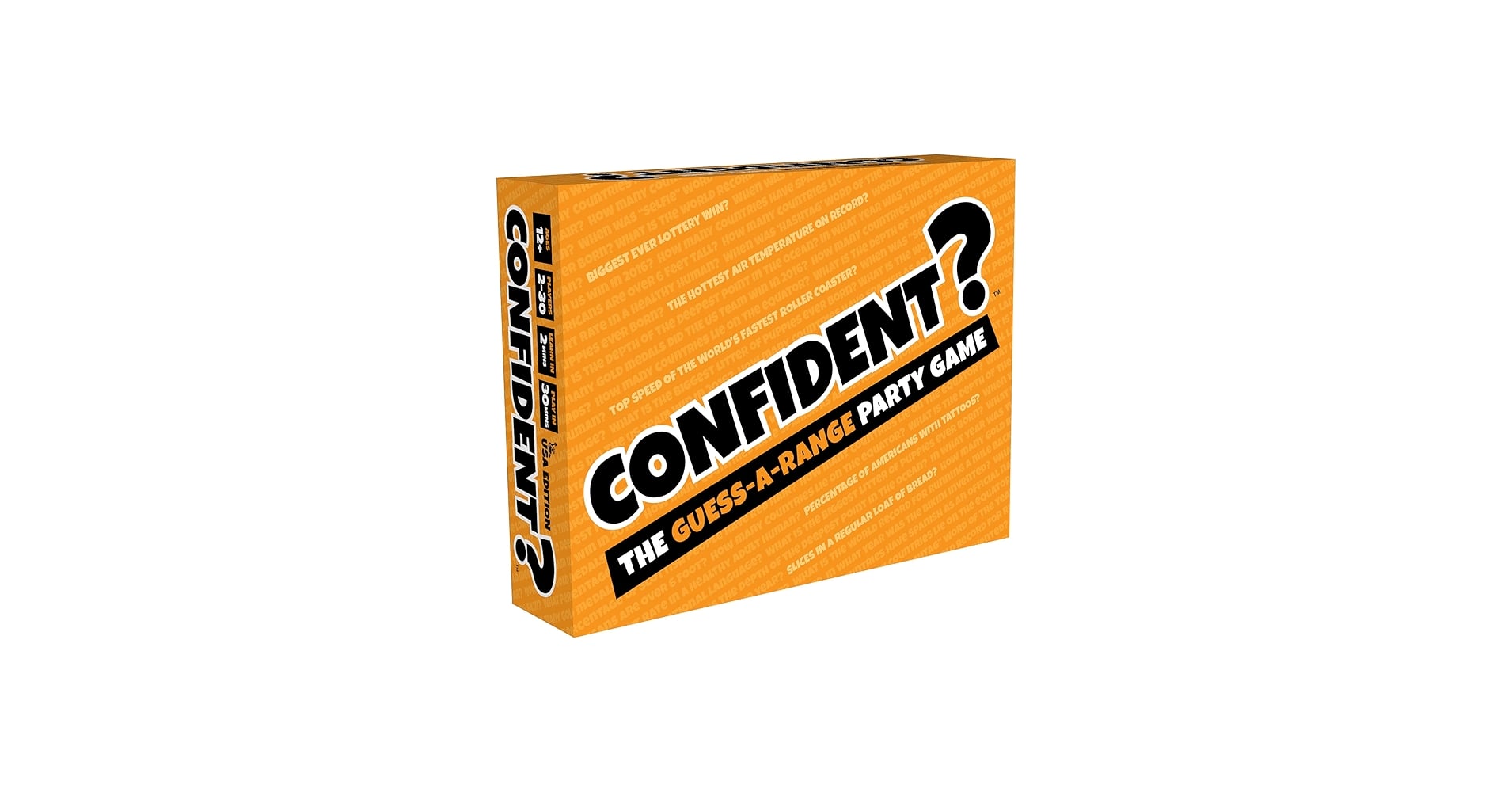
Players: 2–6 | Ages: 12+
Instead of giving one answer, players give a range. “How tall is the Eiffel Tower?” You might answer “250 to 400 meters.” Narrower ranges score more points, but if the real answer falls outside your range, you get nothing. The game rewards knowing how much you actually know.
Confident? turns every question into a risk-reward calculation. You might know roughly when World War I started but not the exact year, and the game accounts for that. It’s one of the smarter trivia style games because it measures certainty, not just recall.
Good for competitive pairs. Works as a trivia game for party settings and also performs well as a trivia game with friends at home.
24. Blockbuster: The Game
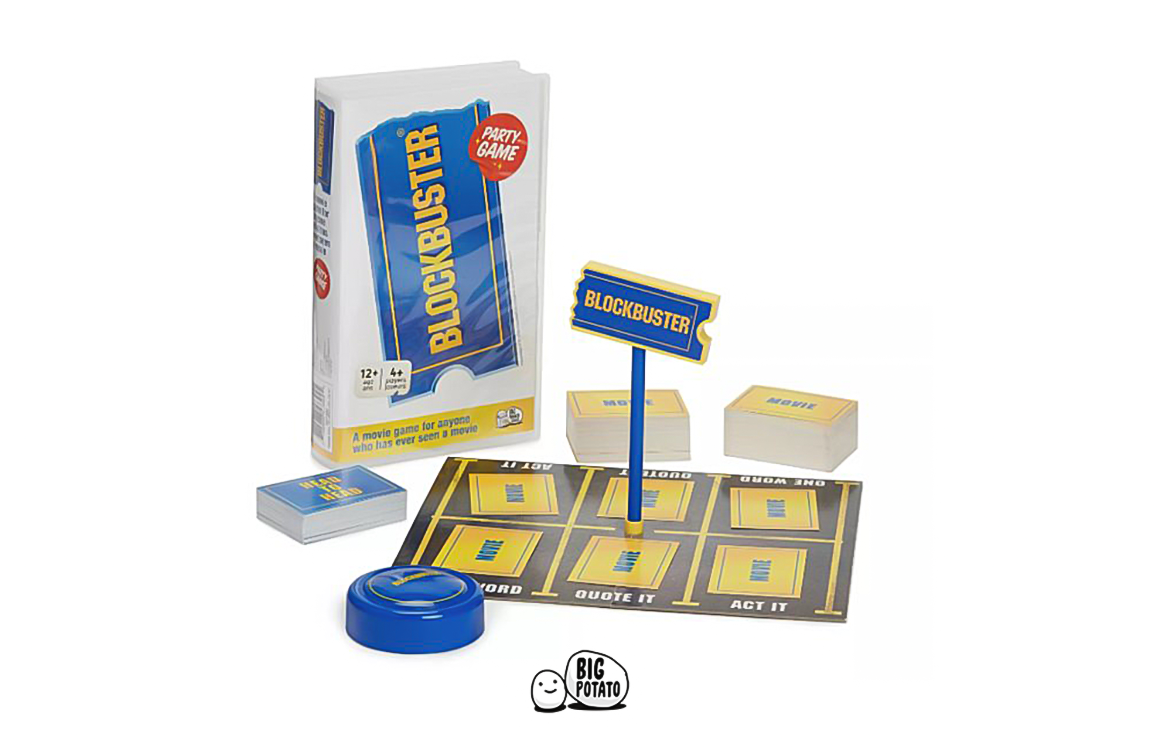
Players: 4+ (teams) | Ages: 12+
Teams compete in movie-themed rounds. The head-to-head round has two players racing to name movies that fit a category (like “movies with a one-word title”). The winning team picks cards for a second round where they act out, quote, or describe movies for their teammates to guess.
The Blockbuster branding is nostalgic, but the game holds up on mechanics alone. The head-to-head speed round creates genuine tension, and the charades-style second phase keeps everyone involved. It’s a strong movie trivia board game that doesn’t need a screen.
Fun for groups of six or more. The 200+ movie cards cover a wide range of decades and genres.
25. Brainbox
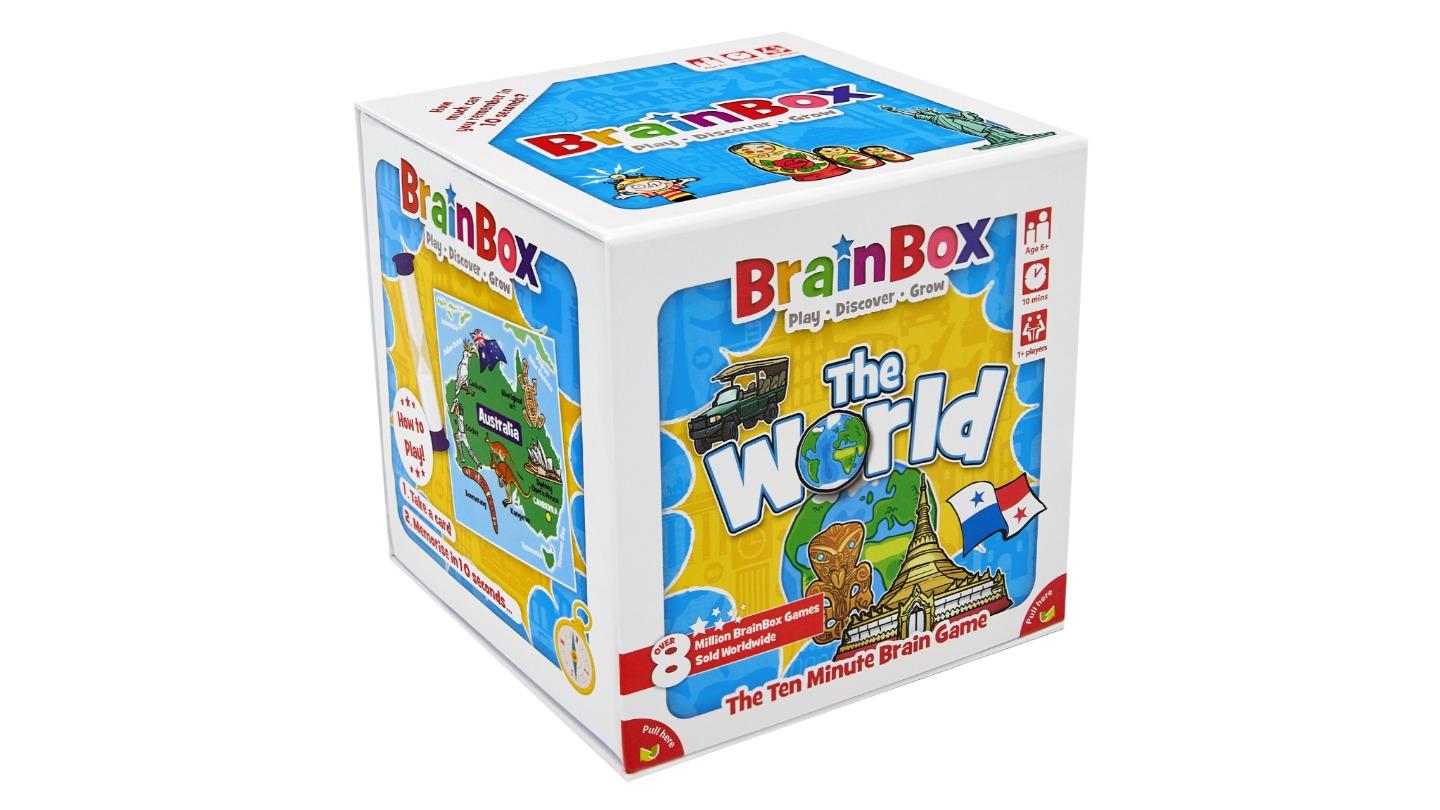
Players: 1+ | Ages: 8+
Each card has an illustrated image on one side and questions about that image on the other. Study the card for ten seconds, flip it over, then answer a question from memory. Did you notice the color of the cat? How many windows were on the building? The timer keeps it tense.
Brainbox is a memory-based quiz game that works for all ages. The visual element makes it different from text-heavy trivia, and the ten-second study period levels the playing field between kids and adults. It’s one of the best family quiz games you can grab for under $15.
Dozens of themed editions exist — Animals, Science, Football, Dinosaurs. Each one stands alone as a complete family trivia game.
26. Fauna
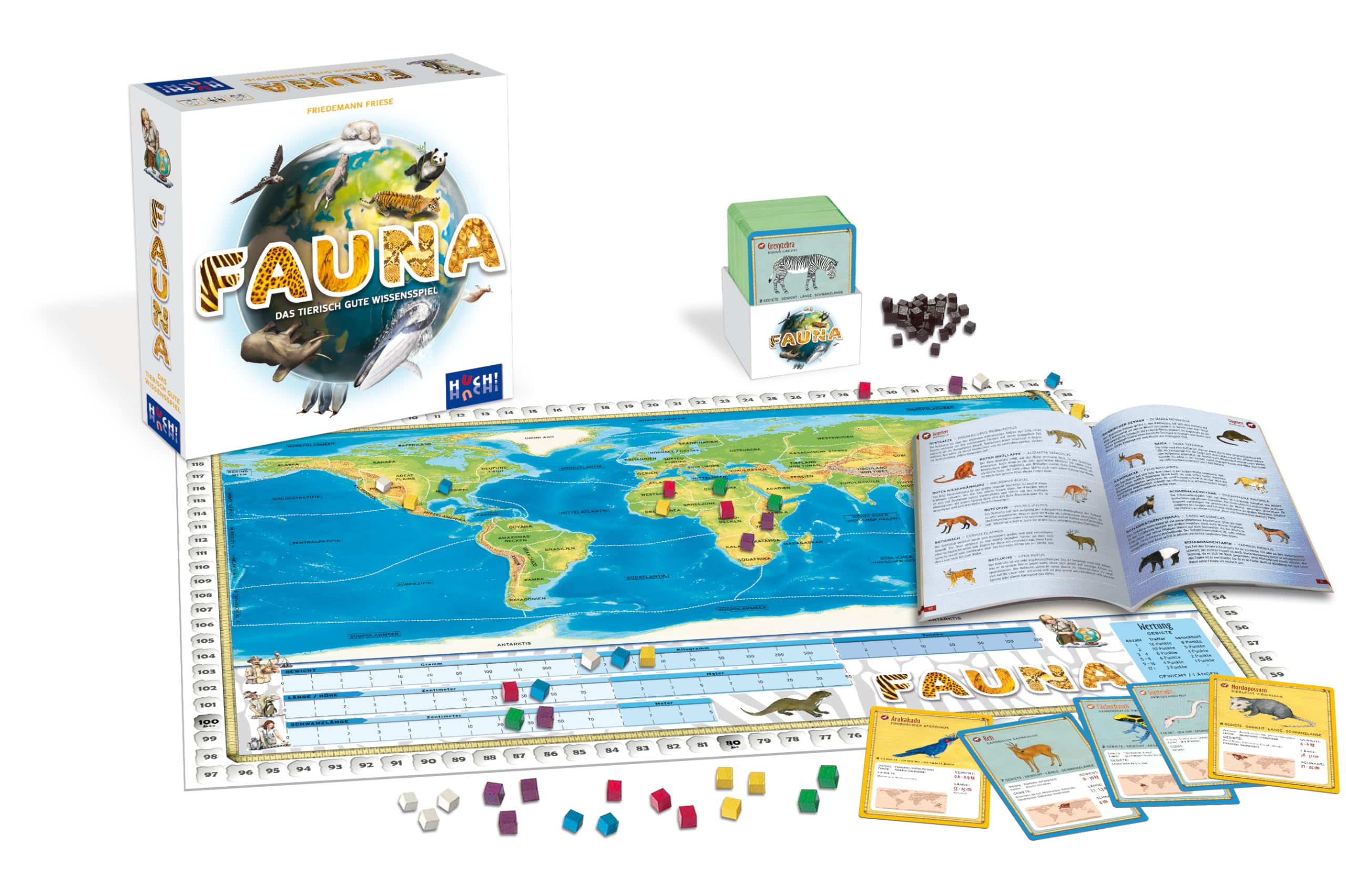
Players: 2–6 | Ages: 10+
Fauna shows an animal and asks players to guess its weight, length, tail length, and which regions of the world it lives in. Players place tokens on a world map and measurement tracks. Exact guesses score high, but close guesses earn points too.
You don’t need to be a zoologist. The estimation mechanic means educated guesses often beat random ones, and the “close enough” scoring keeps everyone in contention. I’ve seen people who knew nothing about animals win by reading the room and placing tokens near the group consensus.
Terra uses the same system with geography and history questions. Both are strong picks among good trivia games that reward approximation over precision.
27. Loaded Questions
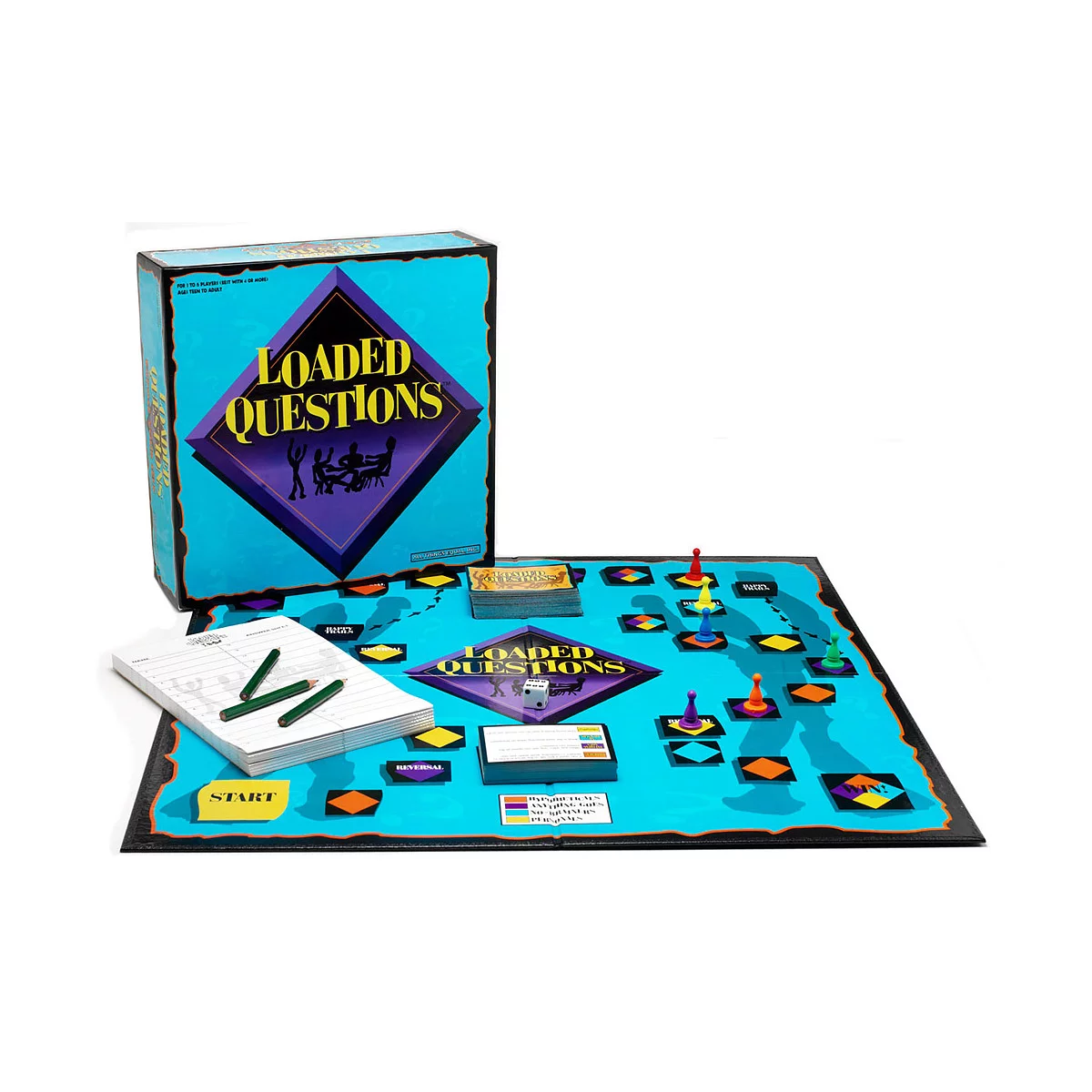
Players: 4–6 | Ages: 13+
One player reads a question like “What’s the best thing about weekends?” Everyone else writes an answer anonymously. The reader then tries to match each answer to the person who wrote it. You score points for correctly identifying who said what.
Loaded Questions is less about knowledge and more about knowing the people at your table. It generates conversation and reveals how well friends actually know each other. The questions range from silly to surprisingly personal, and the reveal phase always sparks debate.
Plays best with groups who know each other well. A good option for online trivia games for adults when played through video chat with shared screens.
28. iKnow
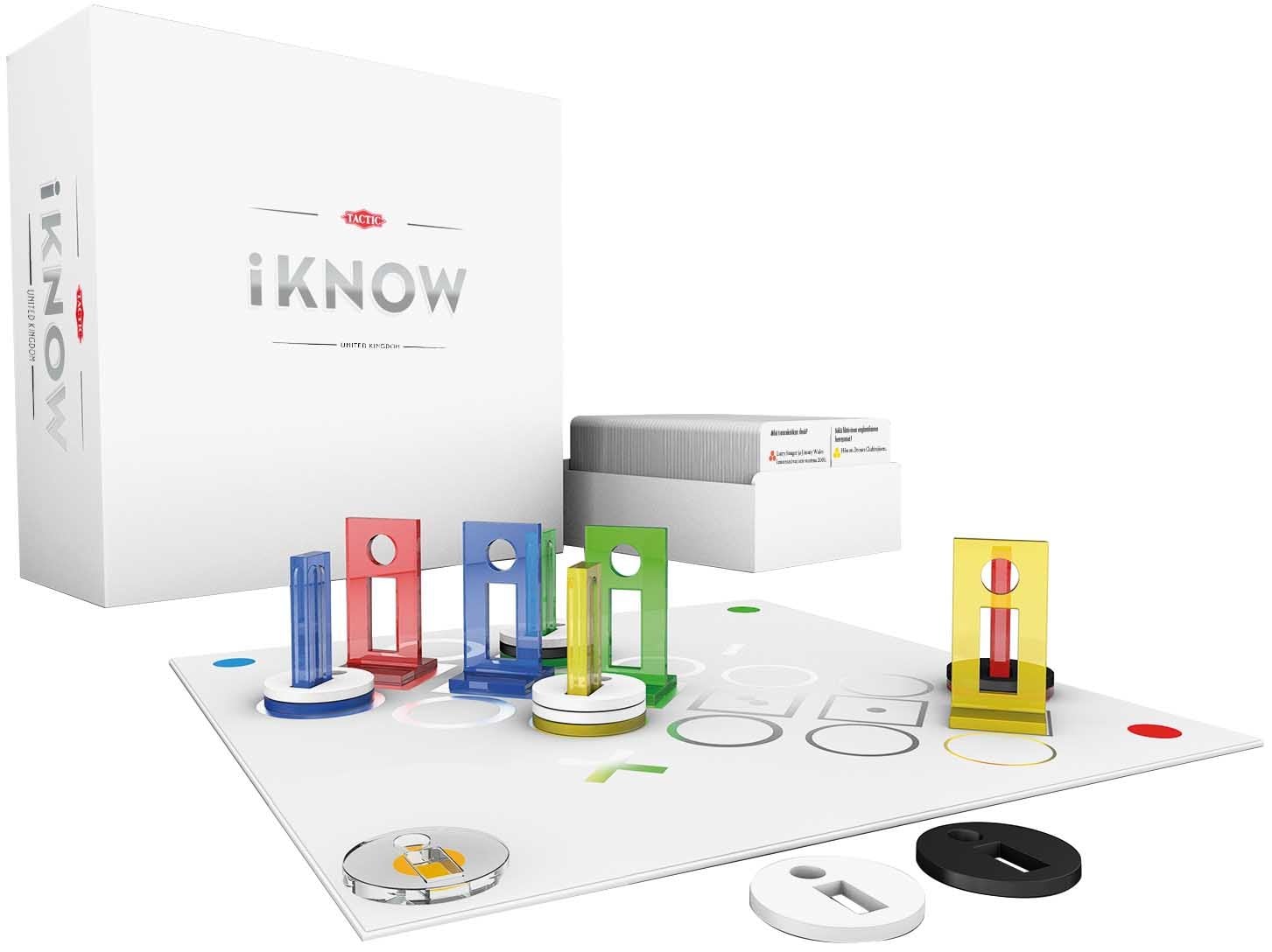
Players: 2–6 | Ages: 15+
Each question has three progressive clues, and players bet on whether they can answer it and whether opponents can. After the first clue, you might bet against a friend. After the second, you might change your mind. The three-clue structure means you can jump in early for big points or wait for more information.
The betting-on-others mechanic makes iKnow feel personal. You’re not just playing the questions — you’re playing the table. It rewards paying attention to who knows what and creates a layer of strategy absent from most team trivia games.
Published in Europe, where it won several game awards. Available in English and works well for trivia games for adults online meetups.
29. Wit’s End
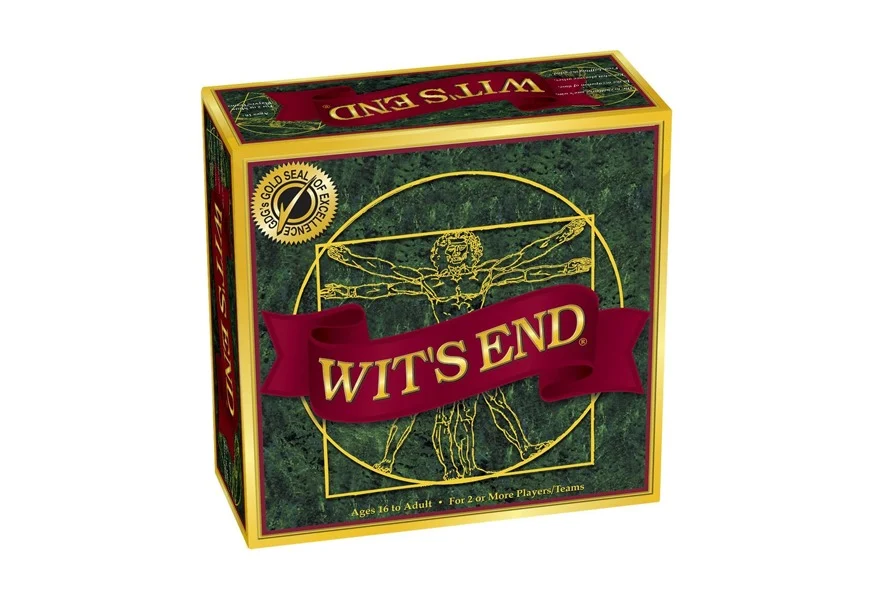
Players: 2–6 | Ages: 12+
Wit’s End mixes four question types: Teaser (riddles), Odd-1-Out (find the item that doesn’t belong), Sequence (what comes next), and Wild Card (general trivia). Players move around a board, and the space they land on determines the question type.
The variety of question styles keeps rounds unpredictable. Just when you get comfortable with trivia, a logic puzzle shows up. My group’s puzzle-lovers and trivia-lovers both find something to latch onto, which is rare for a single game.
A lesser-known gem among new trivia board games compared to the big names but well worth tracking down. Sits nicely alongside games similar to Trivial Pursuit but with more lateral thinking.
30. Know It or Blow It
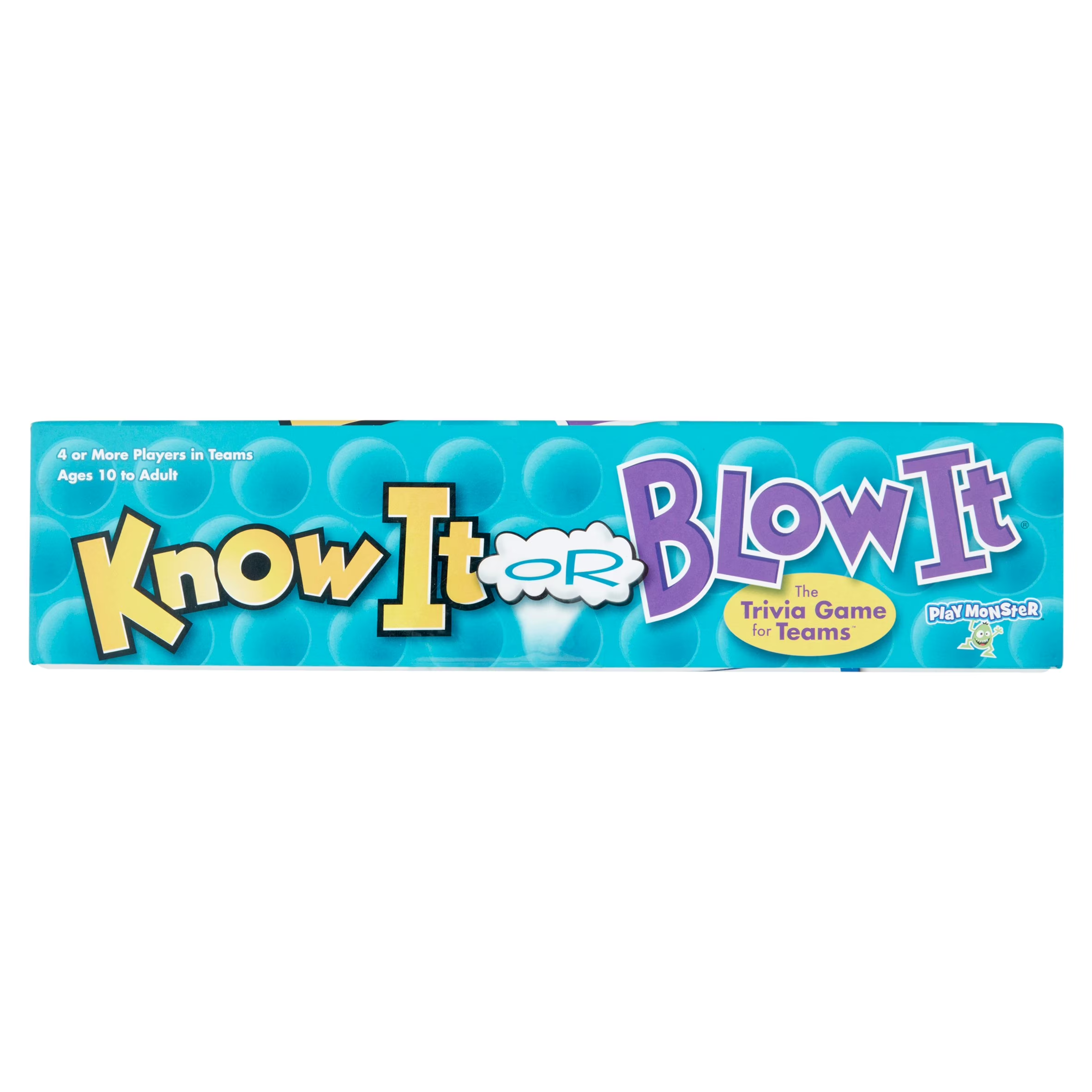
Players: 3–10 | Ages: 14+
Teams race to buzz in and answer trivia across categories. A correct answer moves your team forward. An incorrect one moves you backward and gives the other team a shot. The buzzer system creates game-show energy at the table, and the penalty for wrong answers keeps reckless guessing in check.
Know It or Blow It is one of the more physical trivia experiences you can set up at home. The electronic buzzer adds urgency that a simple card flip doesn’t. Rounds get loud, especially in the final stretch when teams are neck and neck.
Best for at home trivia games with competitive groups of six or more. The 1,000-question card set keeps things fresh across multiple sessions. If you’re after more popular board games to round out your shelf, plenty of options exist beyond pure trivia too.
FAQs
What is the best trivia board game for adults in 2026?
Trivial Pursuit remains the top-selling trivial pursuit game worldwide. For something newer, Half Truth and Wits & Wagers both rank high among best trivia games for adults because they add wagering to standard Q&A.
Which trivia games work for large groups of 10 or more?
Herd Mentality (up to 20), Linkee (30+), and Outburst (unlimited teams) handle large group trivia games well. 5 Second Rule also scales up when played in teams.
Are there good trivia board games for families with kids?
Beat the Parents, Brainbox, and Are You Smarter Than a 5th Grader? work for mixed ages. Timeline is another strong trivia board games for family pick since kids often surprise adults with their guesses.
What are the best trivia games to play with friends at a party?
5 Second Rule, Smart Ass, and Blockbuster all keep energy high. For a pub quiz board game feel, try Linkee or Bezzerwizzer. These play trivia with friends in under an hour.
Do any trivia board games work well for just two players?
Confident?, Timeline, and Smart10 all perform at two players. Most trivia card games for adults in this list need three or more, but these three hold up as fun trivia games online or at the table with just a pair.
