
Top 20 Cooperative Board Games for Families 2026

The best board games for families are usually also great gateway games (games for people who are new to board games). That’s because these games are approachable yet engaging, making them great for both new and experienced players. Finding cooperative family games can be a bit difficult, though, since you want to find games that people of all ages can enjoy equally. Well, that’s why this list was created!
The family games listed below aren’t necessarily the best cooperative board games out there, but they are the ones that members of my group have enjoyed playing with their families the most. To make it onto this list, the games needed to have straightforward rules, high replay value, and, of course, they needed to be fun! The games are ranked based on how well they play as family games.
Note: Take a look at our Best Cooperative Board Games for Kids list if you’re looking for co-ops that are suitable for younger kids.
Okay, let’s get to it! Below are 20 of the best cooperative board games for families!
Top 20 Cooperative Board Games for Families 2026
20. The Initiative

Players: 1-4 | Ages: 8+
The Initiative is a campaign-style puzzle game where your family plays as teenagers who discover a mysterious board game tied to their real lives. Each session has you cracking codes, solving riddles, and moving through a comic book narrative that unfolds across multiple sittings. The trick-taking card play underneath it all is simple enough for younger players to grasp.
My group was skeptical about the comic book angle, but it hooked everyone after the second session. The puzzles scale well so adults and kids both feel like they’re contributing. It earned a permanent spot in our rotation once we finished the first campaign and immediately wanted to start over with a different approach.
Great pick for families who enjoy escape rooms or mystery-style puzzle board games and want something with a storyline that carries across sessions.
19. Bomb Busters
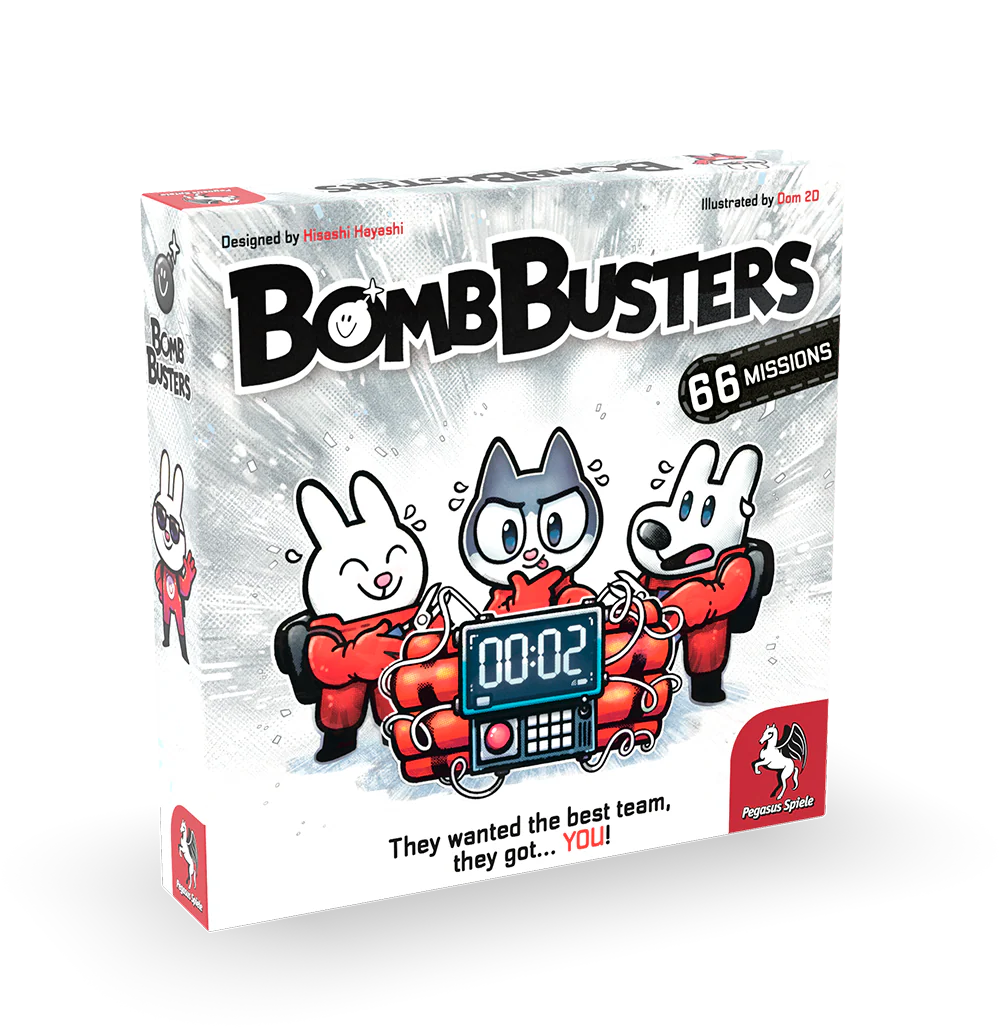
Players: 2-5 | Ages: 10+
The 2025 Spiel des Jahres winner from Hisashi Hayashi has your team acting as a bomb disposal squad, cutting wire pairs before time runs out. Each of the 66 missions teaches itself through play, so there’s no rulebook slog before you start. A typical mission wraps up in about 15-20 minutes.
What sold me on Bomb Busters is how quickly it clicks with mixed-age groups. The tension is real but never frustrating, and the campaign structure keeps feeding you new content for months. It’s one of the best new family board games to come out of the last year, and the short playtime means you can squeeze in two or three rounds on a weeknight.
Ideal for families who want a cooperative card game that packs a lot of excitement into a short window.
18. Legends of Andor
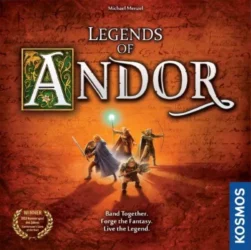
Players: 2-4 | Ages: 10+
Legends of Andor is a fantasy adventure where your family defends a kingdom from invading enemies. What makes it different from other adventure games is the time-management puzzle at its core. Every action costs time, so you can’t just fight everything you see. You have to plan your moves carefully and decide together what to prioritize each round.
The tutorial system in Andor is one of the best I’ve seen. The first scenario teaches you the rules as you play, so nobody has to sit through a long explanation. The artwork on the board and cards is genuinely gorgeous, and each of the included scenarios feels distinct. My family came back to this one repeatedly.
Suits families who enjoy fantasy themes and want a board game for family night that requires real teamwork and planning.
17. Dorfromantik
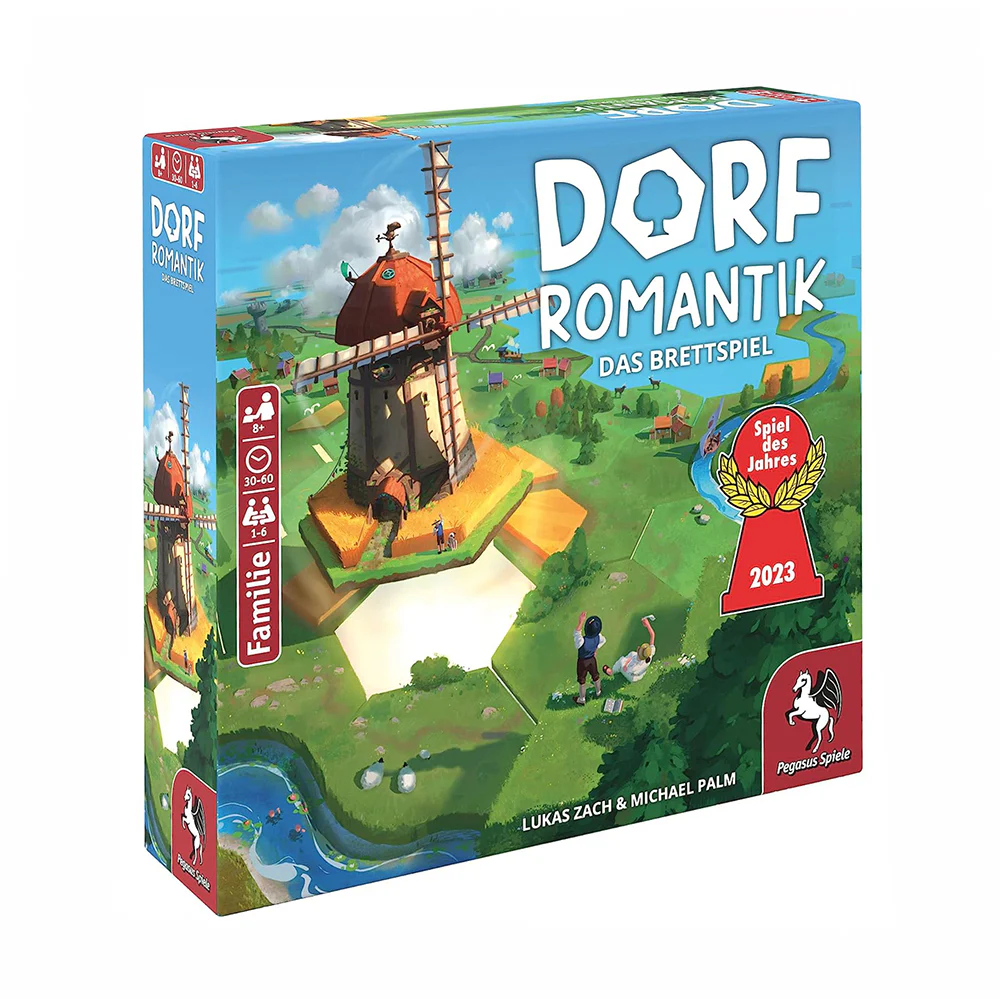
Players: 1-6 | Ages: 8+
Based on the popular video game, Dorfromantik is a tile-placement game where you build a peaceful countryside together. You connect rivers, forests, fields, and railways to score points, and the campaign slowly introduces new challenges and scoring goals. There’s no enemy, no timer, and no conflict. Just your family building something together.
This won the 2023 Spiel des Jahres for good reason. It’s one of those rare family friendly board games where a five-year-old and a grandparent can sit at the same table and both feel engaged. The campaign unlocks keep things fresh for a long time, and each game produces a different map that actually looks pretty on the table.
Perfect for families who prefer a relaxed, creative experience over competitive or high-pressure gameplay.
16. Horrified
Players: 1-5 | Ages: 10+
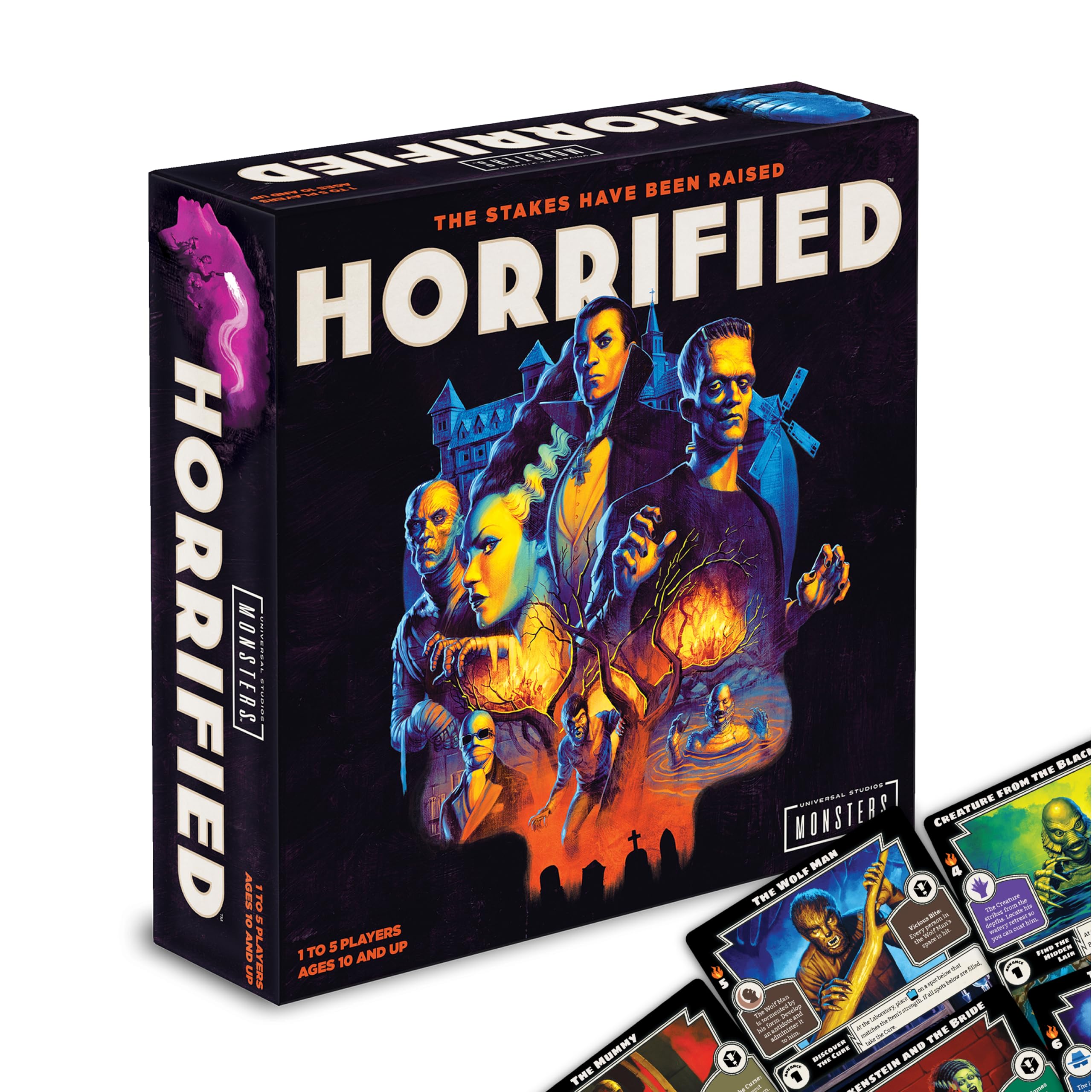
Horrified pits your team against classic Universal Monsters like Dracula, Frankenstein’s Monster, and the Creature from the Black Lagoon. Each monster has its own defeat condition, so you mix and match villains to adjust difficulty. The mechanics are clean: move, collect items, and work toward each monster’s specific weakness.
I’ve played this with families who normally stay away from anything horror-themed, and the old-school monster movie vibe won them over every time. The difficulty scaling is the real star here. You can play with one monster for a breezy 30-minute session or stack three for a tense 60-minute challenge. That flexibility makes it one of the top family board games in our collection.
A strong choice for families who want a theme-heavy game without anything genuinely scary or violent.
15. The Mind

Players: 2-4 | Ages: 8+
The Mind is almost absurdly simple. Everyone gets numbered cards, and you have to play them in ascending order without talking, signaling, or communicating in any way. That’s it. No turns, no tricks. You just stare at each other and try to feel the right moment to drop your card.
It sounds like it shouldn’t work, but The Mind creates some of the most intense and hilarious moments I’ve had at a table. When your family syncs up and nails a round, it feels almost telepathic. When someone jumps the gun and plays a 44 when your 41 was ready to go, the groans are just as memorable.
Best for families who enjoy fun family board games that run on pure instinct and generate stories you’ll retell for weeks.
14. 5-Minute Dungeon
Players: 2-5 | Ages: 8+
This is a real-time card game where your family has exactly five minutes to fight through a dungeon full of monsters and obstacles. Everyone plays cards simultaneously, matching symbols to defeat enemies as fast as possible. There’s a free app that runs the timer and adds dramatic music and sound effects.
The chaos is the whole point. Kids love it because nobody tells them to wait their turn, and adults love it because there’s zero downtime. Each hero has a unique deck and special ability, and the five different bosses each demand a slightly different strategy. At five minutes a pop, you can fit several rounds into a single evening.
A go-to for families who want high-energy fun board games for family game night without a long setup or explanation.
13. Hanabi

Players: 2-5 | Ages: 8+
Hanabi is a card game where you hold your hand facing outward so everyone can see your cards except you. Together, you try to build five sequences of colored fireworks in the right order. You give each other limited clues about what’s in their hand, and the whole game becomes a logic puzzle wrapped in a memory challenge.
For a game that fits in your pocket, Hanabi has an unusual amount of depth. My family has played it over 100 times and we still mess up. It won the 2013 Spiel des Jahres, and the staying power makes sense. There’s always room to get better at reading what your teammates are really telling you with their clues.
Pairs well with families who like the best card games for families that reward repeat play and careful thinking.
12. Codenames Duet
Players: 2-4 | Ages: 11+
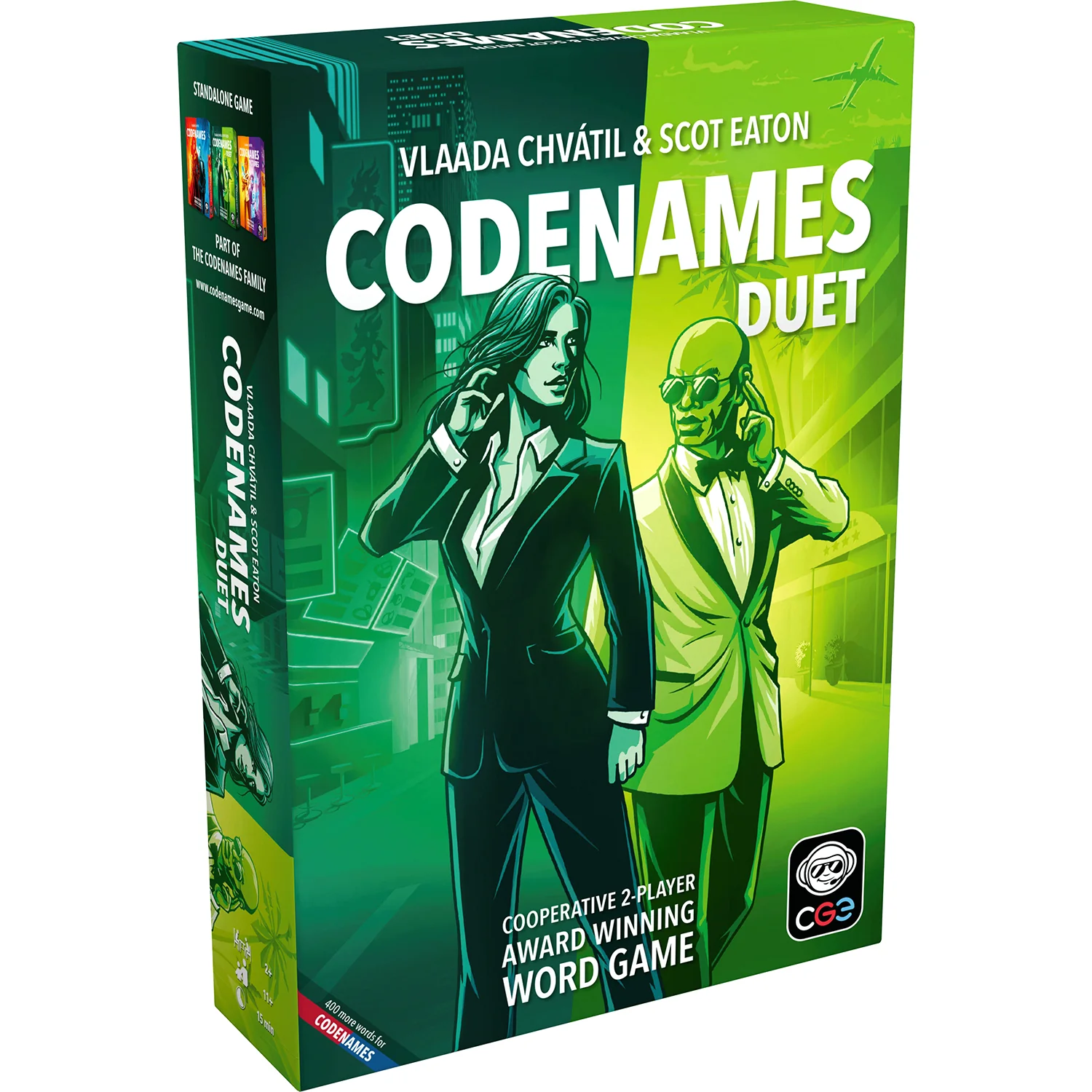
Codenames Duet takes the wildly popular party game and turns it into a two-player (or two-team) cooperative experience. You and your partner look at a grid of word cards and take turns giving one-word clues to help each other identify the right agents. Miss too many times or accidentally pick an assassin, and you lose together.
What makes Duet click is how it tests how well you actually know your family members. Giving a clue that makes perfect sense to you but baffles your partner is part of the fun. The campaign mode with a world map adds a nice progression layer if you want more than standalone rounds.
Fits families who enjoy word games and want a cooperative version of a classic family board game they may already own.
11. Forbidden Sky
Players: 2-5 | Ages: 10+
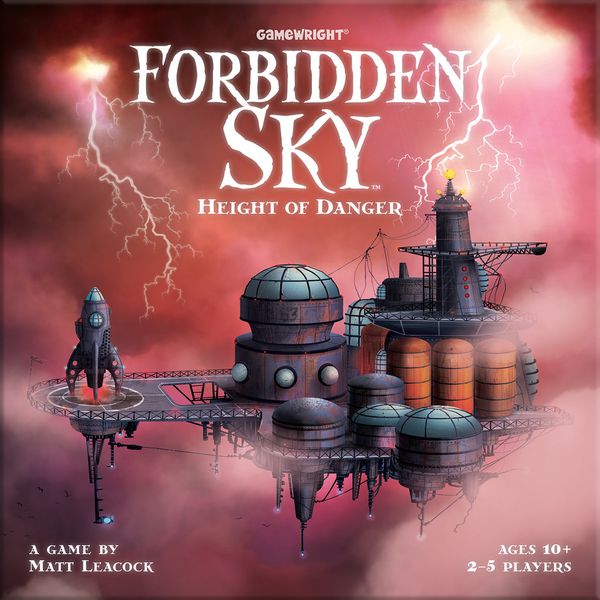
Forbidden Sky is the third entry in Matt Leacock’s Forbidden series. You place tiles to build an electrical circuit on a floating platform while managing a dangerous storm. When you complete the circuit, a real rocket component lights up and launches. That physical payoff at the end is something no other board game in this series has.
My group found Sky trickier than Island or Desert, mainly because the wind and lightning mechanics demand constant coordination. The wiring puzzle gives it a STEM angle that’s appealing for families with curious kids. It’s not as streamlined as the earlier Forbidden games, but the wow factor of that rocket launch at the end earns it a spot here.
Good for families already familiar with Forbidden Island or Forbidden Desert who want something a step up in complexity.
10. Pandemic Legacy: Season 1
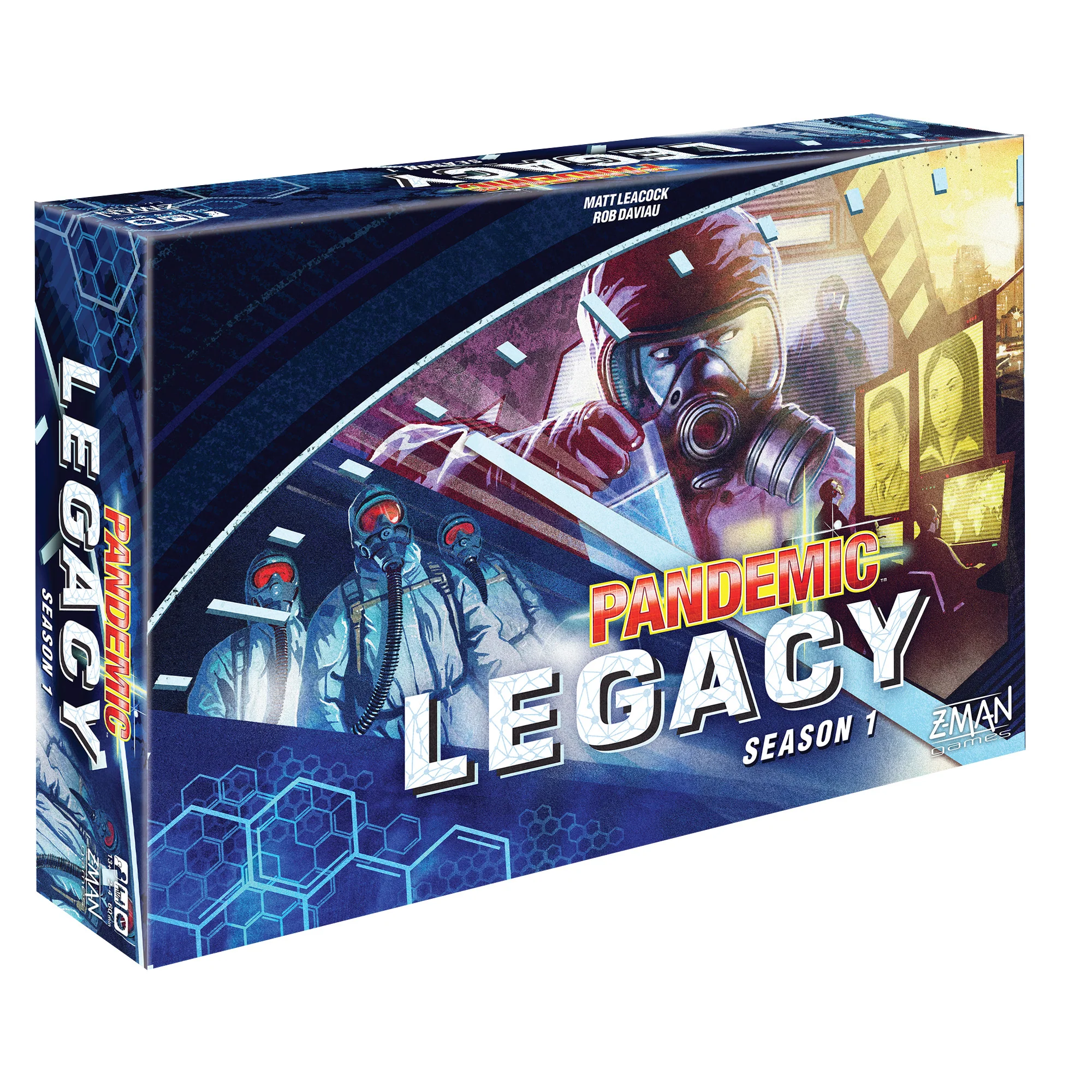
Players: 2-4 | Ages: 13+
Pandemic Legacy takes the base Pandemic system and adds a year-long campaign where your decisions permanently change the board. You tear up cards, add stickers, and watch cities fall apart over 12-24 sessions. The story evolves based on your wins and losses, so every family’s campaign plays out differently.
This is still the highest-rated board game on BoardGameGeek for a reason. The surprises hidden in those sealed boxes and dossiers kept my group talking between sessions for months. It demands commitment, but if your family can carve out regular game nights, the payoff is unlike anything else in board gaming.
Best for families with older kids who have already played base Pandemic and want a deeper, ongoing experience.
9. Flash Point: Fire Rescue

Players: 2-6 | Ages: 10+
Flash Point puts your family in the boots of firefighters rescuing victims from a burning building. Fire spreads unpredictably each turn through dice rolls, walls can collapse, and hazardous materials can explode. You win by saving enough victims before the building comes down. The family rules strip things down for younger players, while the experienced rules add specialized roles and vehicle operations.
The fire theme is instantly engaging for kids who’ve ever wanted to be a firefighter. What I appreciate is how the two-tier rules system lets families grow into the game over time. Start simple and add layers once everyone’s comfortable. The variety of building maps in the expansions keeps it fresh long after you’ve mastered the base board.
A solid option for families looking for board games for all ages with a theme that gets everyone excited from the first turn.
8. Outfoxed!
Players: 2-4 | Ages: 5+
Outfoxed! is a cooperative deduction game where your team investigates which fox stole Mrs. Plumpert’s pot pie. You roll dice to either gather clues or reveal suspects, then use a clever decoder device to eliminate foxes from your suspect list. The thief is trying to escape the board while you work, so there’s a real sense of urgency.
This has been a staple in the cooperative board games for kids category for years, and it earned that reputation. The decoder gadget is genuinely fun to use at any age, and the deduction element means adults aren’t just going through the motions. My kids asked to play this one more than any other game when they were younger.
The go-to pick for families with children under 8 who want a real game rather than a glorified spinner.
7. Mysterium
Players: 2-7 | Ages: 10+
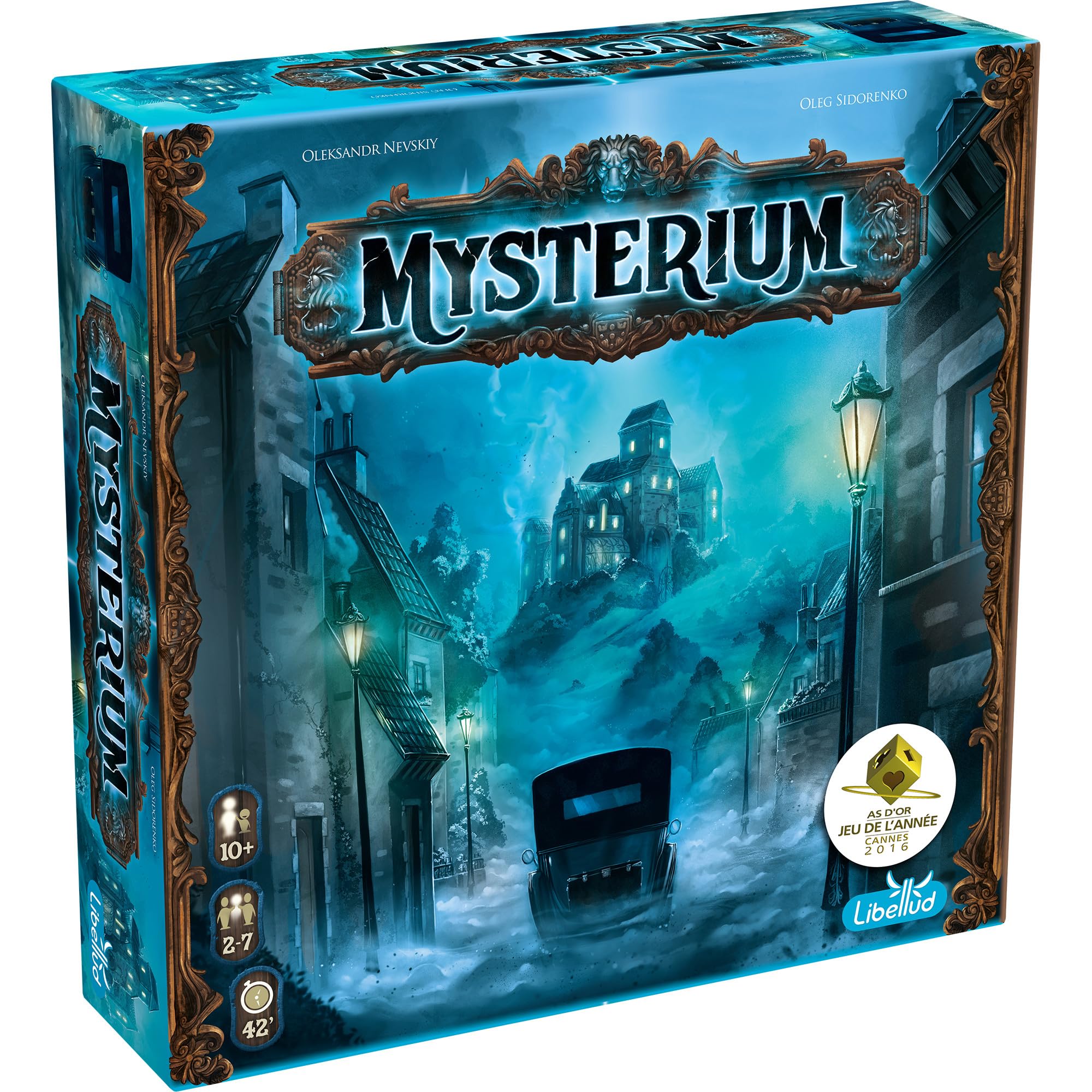
In Mysterium, one player is a ghost who can only communicate through abstract vision cards. Everyone else plays as investigators trying to figure out who committed a murder, where, and with what. The ghost silently hands out beautifully illustrated cards, and the investigators debate what the clues mean. It’s like Clue mixed with Dixit, and it works far better than that sounds.
Mysterium is one of the best-looking games you can put on a table. The art on the vision cards is detailed enough that different people genuinely see different things, which creates fantastic table talk. It handles larger groups well, making it one of our favorite popular family board games for gatherings.
Ideal for families who enjoy creative interpretation and don’t mind one player taking on a different role from everyone else.
6. Spirit Island
Players: 1-4 | Ages: 13+
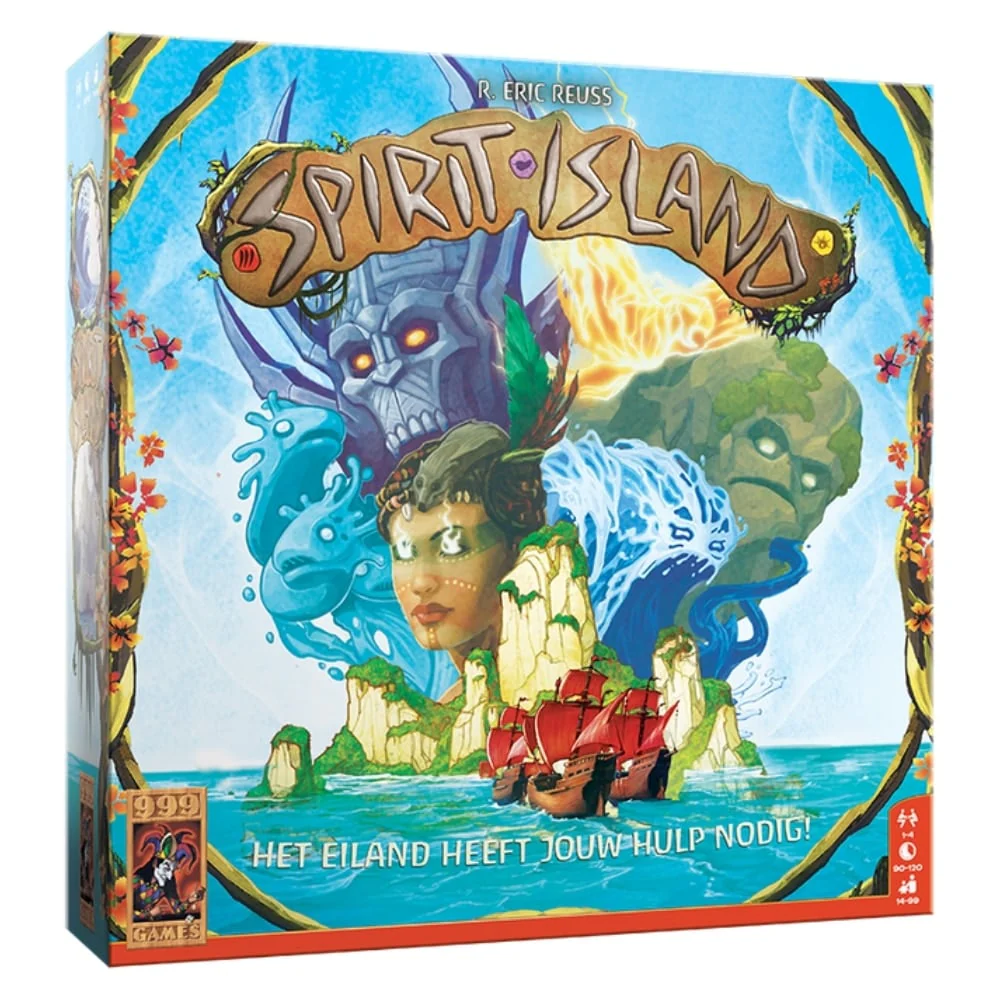
Spirit Island flips the colonization theme on its head. You play as elemental spirits defending your island from invaders, using unique power cards to push back explorers, towns, and cities. Each spirit plays completely differently, and the interplay between them creates satisfying combos as you grow more powerful over the course of a game.
This is the heaviest game on this list, and it’s here because families with teenagers consistently tell me it’s what got their older kids hooked on board gaming. Spirit Island rewards repeated play, and the difficulty settings range from manageable to absolutely punishing. The strategy board games for families category doesn’t have many entries this deep, but Spirit Island fills that gap for groups ready to step up.
Recommended for families with experienced players aged 13+ who want a long-term cooperative challenge.
5. Forbidden Desert
Players: 2-5 | Ages: 10+
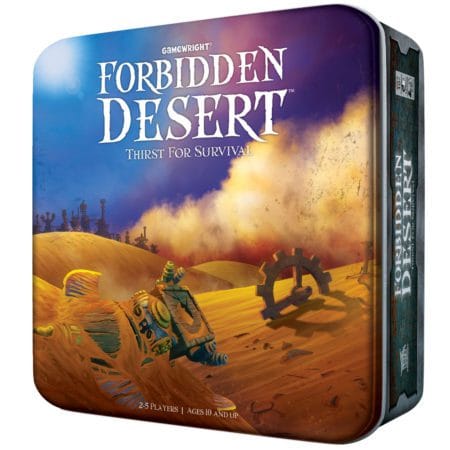
Forbidden Desert drops your team into a sandstorm where you dig through shifting sands to find parts of a legendary flying machine. The storm moves the desert tiles around each turn, burying locations under sand and threatening to dehydrate your explorers. Each player has a unique role, and coordinating water sharing and excavation routes is the key to survival.
I put Forbidden Desert slightly above Forbidden Island because the sand-shifting mechanic adds a layer of spatial planning that older kids and adults really latch onto. It’s tougher, too. My group won Forbidden Island fairly consistently, but Desert humbled us on Normal difficulty more than once. That difficulty bump keeps it on the table longer.
A great next step for families who’ve played Forbidden Island and want something with more teeth.
4. Castle Panic
Players: 1-6 | Ages: 10+
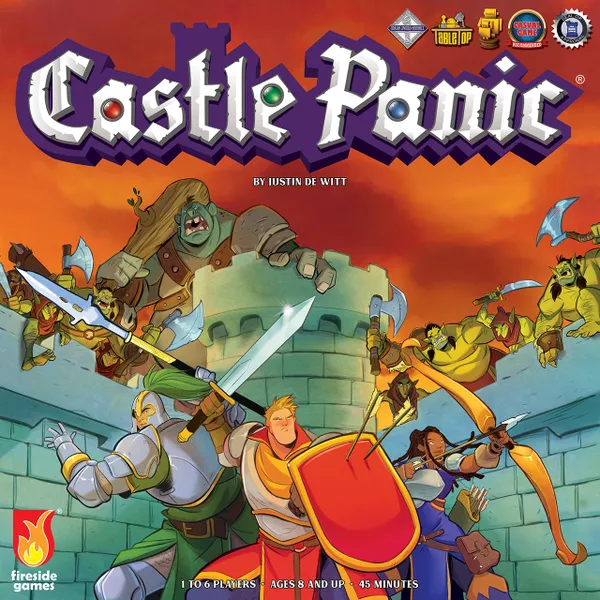
Castle Panic is a tower defense game where goblins, trolls, and orcs charge your castle from all sides. You trade and play cards to hit monsters in specific zones as they advance toward your walls. The 2nd edition added 3D castle towers that make the whole thing look and feel better on the table.
Castle Panic has stayed on every good family board games list for over a decade because the concept clicks immediately. You see the monsters marching closer, and the cooperation happens naturally. Three expansions let you scale the difficulty once your family outgrows the base game. It’s one of the few cooperative tabletop games that works equally well with 2 players or 6.
Great entry point for families new to cooperative board games who want something with clear stakes and a straightforward goal.
3. The Crew: The Quest for Planet Nine
Players: 2-5 | Ages: 10+
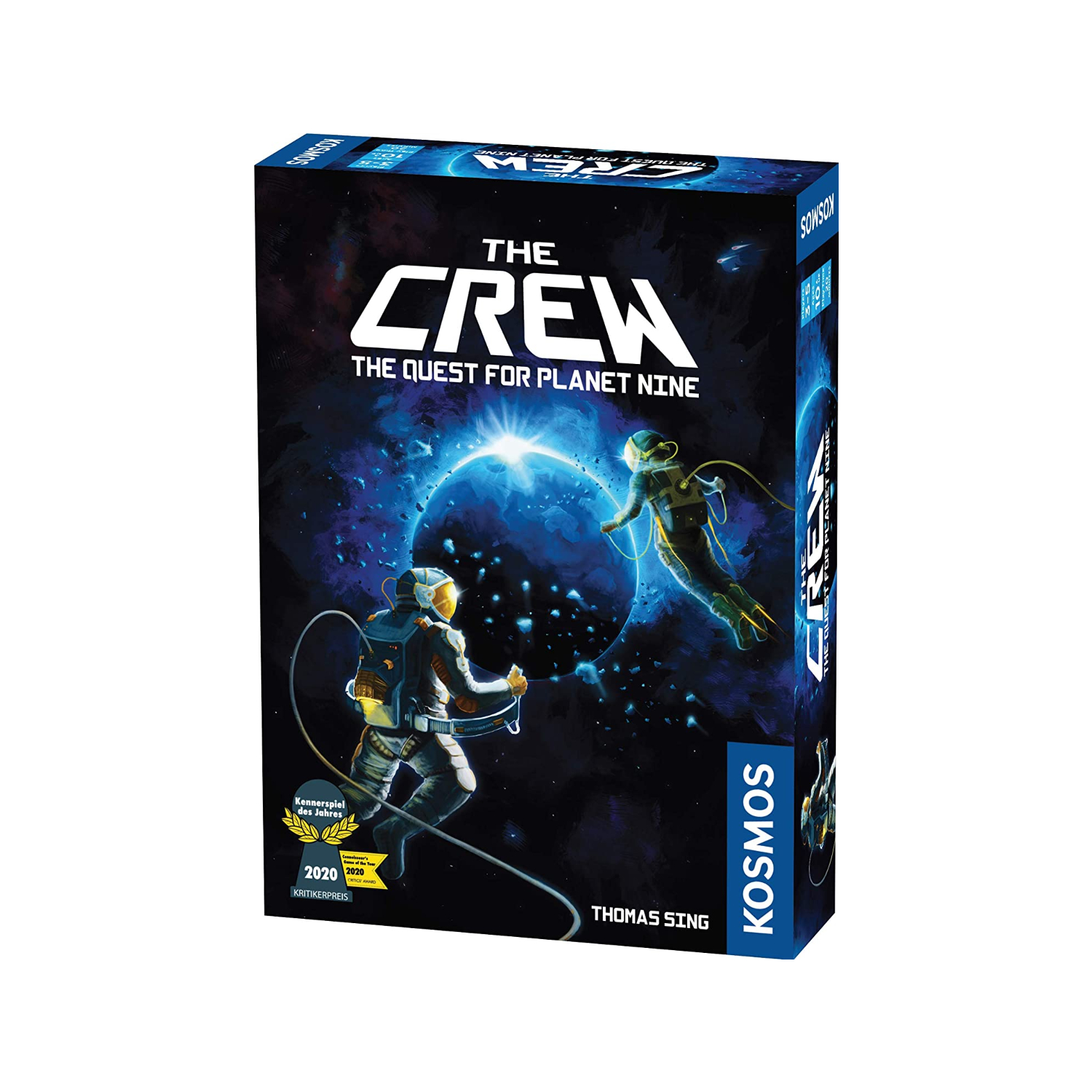
The Crew is a cooperative trick-taking card game with 50 missions that slowly escalate in difficulty. Each mission assigns specific cards to specific players as objectives, and you have to win the right tricks to complete them. Communication is restricted to a single token placed on one card in your hand, so most of the coordination happens through the cards you play.
The Crew won the 2020 Kennerspiel des Jahres and became one of the best-selling cooperative card games worldwide. The 50-mission campaign gives it exceptional replay value, and the difficulty curve is perfectly paced. When your family nails a tricky mission after three failed attempts, the celebration is genuine. A sequel, Mission Deep Sea, is also available.
Perfect for families who already enjoy playing cards together and want to turn that into a cooperative experience.
2. Forbidden Island
Players: 2-4 | Ages: 10+
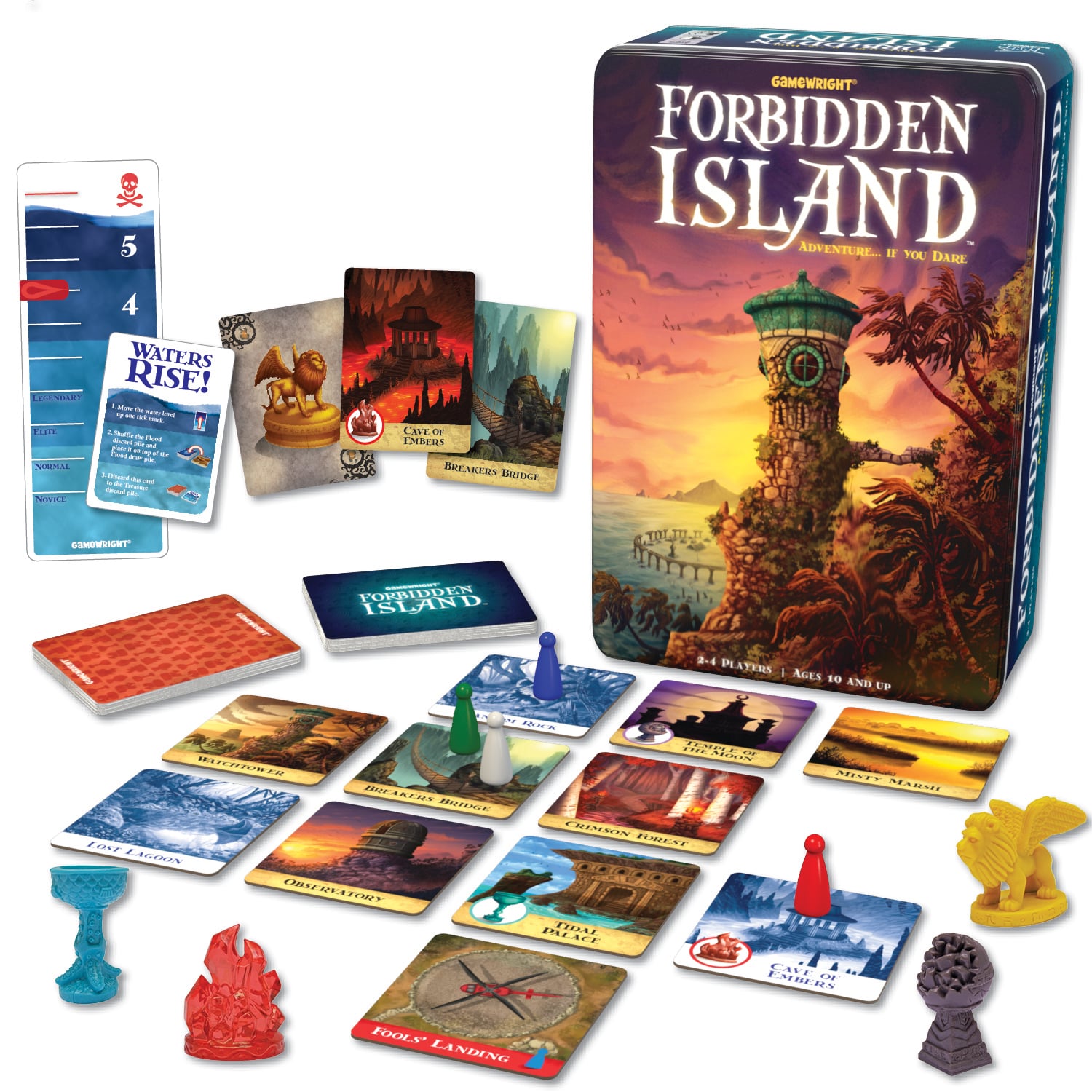
Forbidden Island has your team of adventurers collecting four treasures from a sinking island before it disappears beneath the waves. Each turn, you take actions, trade cards, and then flip tiles to see which parts of the island flood. Unique roles give every player a special ability, and the island shrinks faster as the game progresses.
Matt Leacock designed this as a more accessible version of Pandemic, and it nailed that goal. The tin box, the beautiful tile art, and the plastic treasure pieces all give it a premium feel for a game that usually costs under $20. It’s one of the most recommended new family games for people just getting into board games to play with family, and that recommendation has held up since 2010.
The single best gateway cooperative game for families who’ve never tried one before. If you end up loving it, the rest of the Forbidden series is waiting.
1. Pandemic

Players: 2-4 | Ages: 8+
Pandemic puts your family in charge of stopping four deadly diseases from spreading across the globe. Each player picks a role with a unique ability, and on your turn you move between cities, treat infections, share knowledge, and work toward curing diseases. The infection deck creates an escalating sense of dread as cities you’ve already treated flare up again through the epidemic mechanic.
This is the cooperative board game. It has sold millions of copies worldwide, sits on nearly every top cooperative board games list ever written, and remains the standard that every new co-op gets measured against. The rules take about 10 minutes to explain, but the decisions stay interesting after dozens of plays. My family has owned it for years and it still gets pulled out regularly.
If you own zero cooperative board games and want to start somewhere, this is the one. It’s the best family board game in this category for a reason, and it will stay relevant for years to come.
What are your favorite cooperative board games for families? Any that didn’t make this list?
Be sure to also take a look at our Best Co-op Board Games list and our other board game rankings.
FAQs
What age is right to start playing cooperative board games?
Most kids can handle simple co-ops like Outfoxed! by age 5. For games like Pandemic or Forbidden Island, age 8-10 is a comfortable starting point for family game night board games.
How many players do most cooperative family board games support?
The majority support 2-5 players. Games like Castle Panic and Mysterium go up to 6-7, making them strong picks for board games for family gatherings with larger groups.
Are cooperative board games less competitive than regular ones?
Yes. Everyone wins or loses together, which removes player-versus-player tension. That makes them a popular choice for families playing board games where sibling rivalry can be an issue.
What is the best cooperative board game for a family that has never played one?
Forbidden Island or Pandemic. Both have simple rules, short setup times, and enough depth to keep adults engaged alongside kids. They’re the classic family board games of the co-op genre.
How fast is the cooperative board game market growing?
Cooperative game sales grew by 34% between 2020 and 2025 according to ICv2 retail data. The global board games market reached $15.83 billion in 2025, with family games and co-ops driving a large share of that growth.
