50 Best Board Games Of 2026

Putting together a list of the 50 best board games is harder than it sounds. Everyone’s got a different definition of “best” — some people want heavy strategy, others want something they can teach in five minutes. Some want cooperative tabletop games where the whole table works together, others want cutthroat competition.
This list tries to cover all of that. I ranked these based on global popularity, sales numbers, and staying power — not just what’s hot right now. You’ll find classics next to modern hits, lightweight family-friendly co-ops next to all-day strategy marathons, and great two-player games next to party games for eight.
Not every game here will be for you. That’s the point. Fifty games is a lot of ground to cover, and the goal is to help you find something worth your time regardless of what kind of player you are.
50 Best Board Games Of 2026
50. Bomb Busters
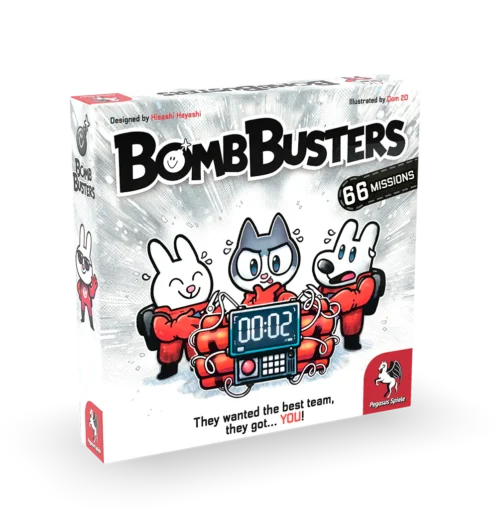
Players: 2-5 | Ages: 10+
Bomb Busters is a cooperative deduction game where players hold numbered wire cards they can’t see and must work together to match pairs before the detonator goes off. You point at teammates’ cards, guess values, and use logic to narrow down possibilities round by round.
This one won the Spiel des Jahres in 2025, and it earned that award. The tension ramps up quickly as wrong guesses push the detonator closer, and the communication restrictions force genuinely clever plays. My group got hooked on the escalating difficulty missions.
Great pick for families or anyone who likes top cooperative board games with a short playtime. The 66-mission campaign keeps it from gathering dust.
49. Mysterium
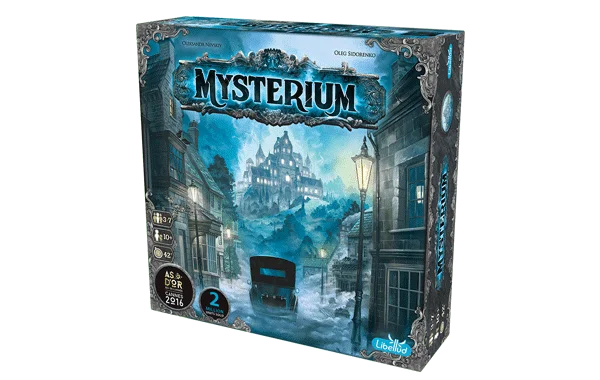
Players: 2-7 | Ages: 10+
One player takes the role of a ghost, sending abstract vision cards to psychic players who must interpret them to solve a murder. The ghost can’t speak, so everything hinges on how well you read those surreal illustrations.
Mysterium scratches a completely different itch than most deduction games. The interpretation arguments around the table are half the fun. It’s a game that rewards knowing your group — some people read art literally, others go with vibes.
Best with four to six players. Fans of mystery board games and Dixit should have this on their shelf.
48. Mage Knight
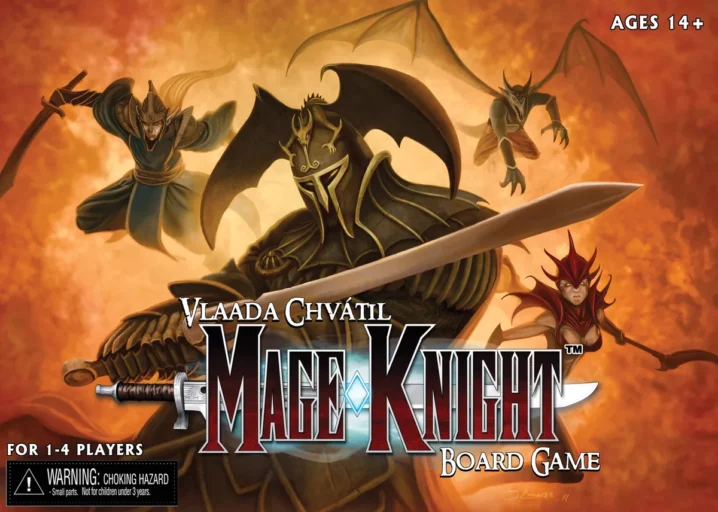
Players: 1-4 | Ages: 14+
Mage Knight drops you into a fantasy world where you explore, fight, recruit, and level up through a complex card-driven system. Every turn is a puzzle of hand management and timing, and the map unfolds as you play.
This is one of the heaviest games on this list, and it rewards patience. Solo players consider it one of the best single-player board game experiences ever made, and I agree. The satisfaction of pulling off a perfect combat round is hard to match.
Strictly for experienced gamers who don’t mind a thick rulebook. Plan for three to four hours per session.
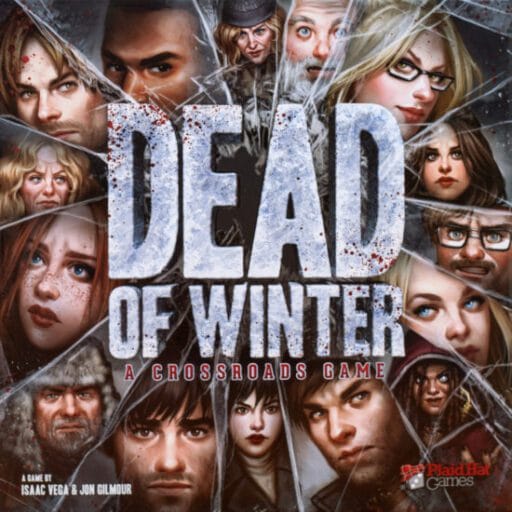
47. Dead of Winter
Players: 2-5 | Ages: 13+
Dead of Winter is a semi-cooperative survival game set during a zombie apocalypse. Players manage survivors at a besieged colony, scavenging for food and supplies while completing group and secret individual objectives.
The hidden traitor element gives Dead of Winter a paranoia that most zombie games lack. You never quite trust anyone’s motives, and the Crossroads cards introduce story moments that change the game state in unexpected ways.
Perfect for groups who want social deduction mixed with thematic survival. The Long Night expansion adds more variety.
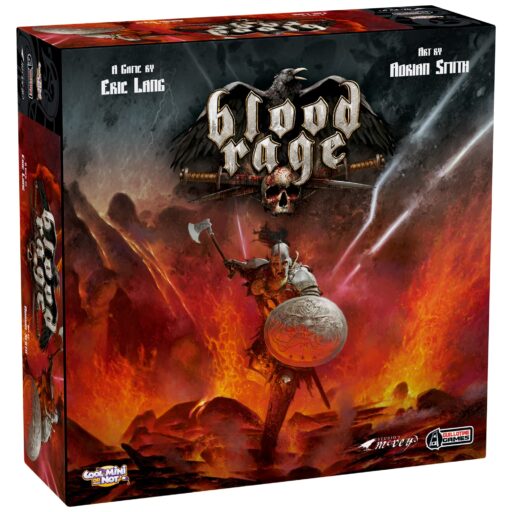
46. Blood Rage
Players: 2-4 | Ages: 14+
Blood Rage puts you in charge of a Viking clan during Ragnarök. You draft cards to determine your strategy each age, then fight for control of territories, complete quests, and recruit mythical creatures to your cause.
The card drafting at the start of each round makes Blood Rage feel different every time. Going all-in on combat is one path, but I’ve seen players win by deliberately losing battles and farming glory from death. That strategic flexibility keeps it sharp.
Suited to players who enjoy area control with a drafting twist. The fifth-player expansion is worth grabbing if you regularly play with larger groups.
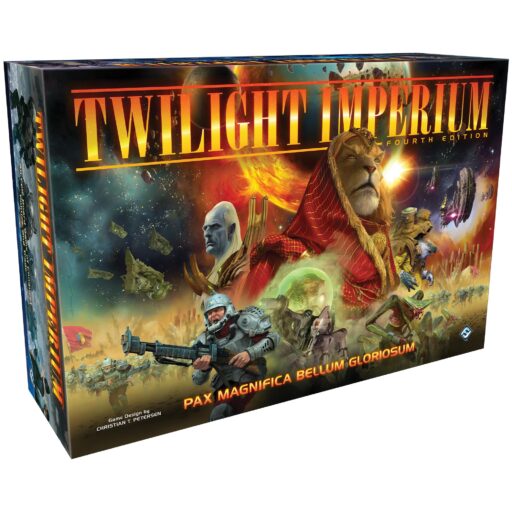
45. Twilight Imperium (Fourth Edition)
Players: 3-6 | Ages: 14+
Twilight Imperium is a sprawling space opera where alien factions compete for control of the galaxy through diplomacy, warfare, trade, and political maneuvering. A full game takes six to eight hours, sometimes more.
Nothing else on this list matches the scope of Twilight Imperium. The political negotiations alone are worth the time investment. Every alliance feels fragile, every betrayal feels personal, and the victory point race keeps all players engaged until the end.
This is a commitment game — you need a dedicated group and a full day. But for those who want the ultimate tabletop experience, it has no real competition.
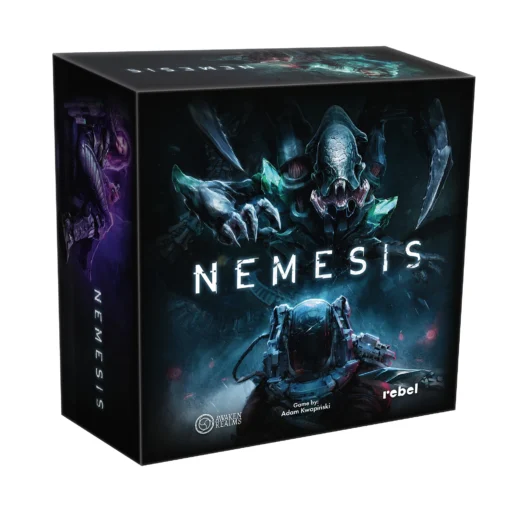
44. Nemesis
Players: 1-5 | Ages: 12+
Nemesis is a semi-cooperative sci-fi horror game where your crew wakes up on a ship infested with alien intruders. Each player has a secret objective, and trust is a luxury you can’t afford.
The miniatures are outstanding, and the event system generates real dread. My group still talks about the session where someone sealed the rest of us in with the alien queen to secure their own escape pod. That kind of story doesn’t come from many games.
Nemesis: Lockdown and the newer Nemesis: Retaliation expand the formula. Best for thematic gamers who want tension and player interaction in every session.
43. Dune: Imperium
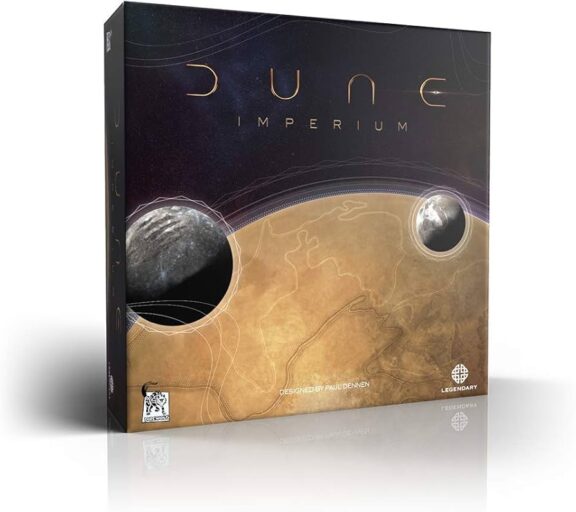
Players: 1-4 | Ages: 14+
Dune: Imperium combines deck building with worker placement. You send agents to locations on Arrakis, play cards from your hand to unlock actions, and compete for influence among the major factions of the Dune universe.
The blend of two mechanics that usually exist separately works surprisingly well here. The conflict phase adds direct competition, and the deck-building layer means your options grow meaningfully each round. Uprising, the standalone sequel, refined the formula even further.
Works at every count but shines with three or four. Solo mode with the app-driven opponent is also solid.
42. Cosmic Encounter
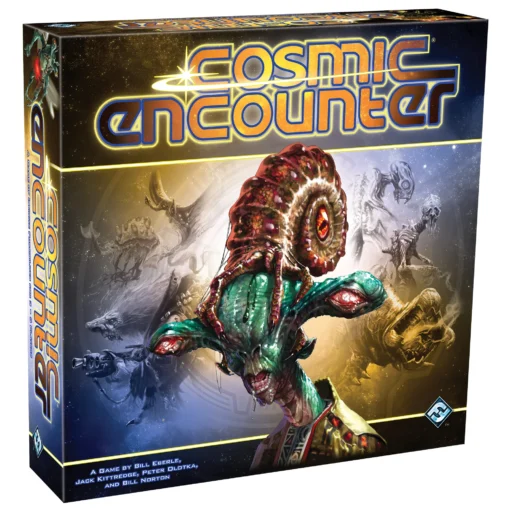
Players: 3-5 | Ages: 12+
Cosmic Encounter has been around since 1977 and still feels fresh. Each player controls an alien species with a unique power that breaks the rules in some fundamental way, and you negotiate, bluff, and ally your way to five foreign colonies.
The alien powers are what make this game timeless. Some are subtle, some are absurd, and the interactions between them create situations no designer could have scripted. It’s chaos, but it’s the kind of chaos that gets people laughing and scheming in equal measure.
Best at five players. There are dozens of expansions adding more alien races if you want variety.
41. Brass: Birmingham
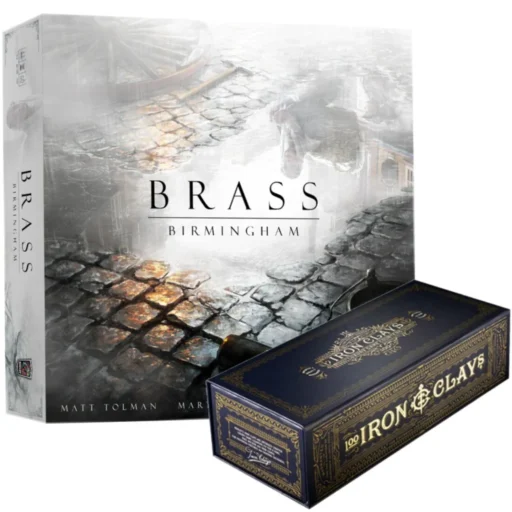
Players: 2-4 | Ages: 14+
Brass: Birmingham is an economic strategy game set during the Industrial Revolution. You build industries, develop transportation networks, and sell goods across two distinct eras — the canal era and the rail era.
This sits near the top of BoardGameGeek’s rankings for good reason. The interconnected economy means every action ripples outward, and the era transition forces you to plan long-term while adapting to what others are building. It’s a masterclass in economic game design.
Recommended for experienced players who enjoy heavy strategy. The two-player variant is surprisingly competitive.
40. Power Grid
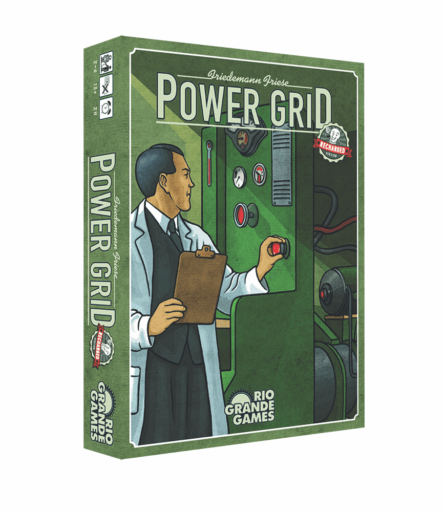
Players: 2-6 | Ages: 12+
Power Grid has you buying power plants at auction, purchasing raw materials, and expanding your electrical network across a map. The player in the lead faces higher costs, which keeps the race tight until the final rounds.
The catch-up mechanism is elegant. You’re always doing mental math — can I afford that plant and still expand this turn? The resource market fluctuates based on everyone’s purchases, so reading other players’ strategies matters as much as your own planning.
Works well from three to five players. Multiple map expansions let you play on different countries.
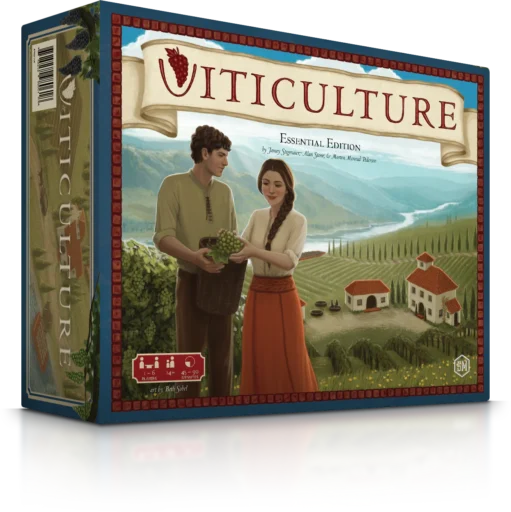
39. Viticulture: Essential Edition
Players: 1-6 | Ages: 13+
Viticulture is a worker placement game about running a vineyard in Tuscany. You plant vines, harvest grapes, make wine, and fill orders over the course of a year structured in seasons. The Essential Edition combines the base game with the best elements from the Tuscany expansion.
There’s a warmth to Viticulture that most Euro games lack. The visitor cards add variety to each game, and the seasonal structure gives a natural rhythm to your decisions. It’s one of those games where even losing feels pleasant.
Accessible enough for newer gamers who want to try worker placement. The Tuscany: Essential Edition expansion adds even more depth.
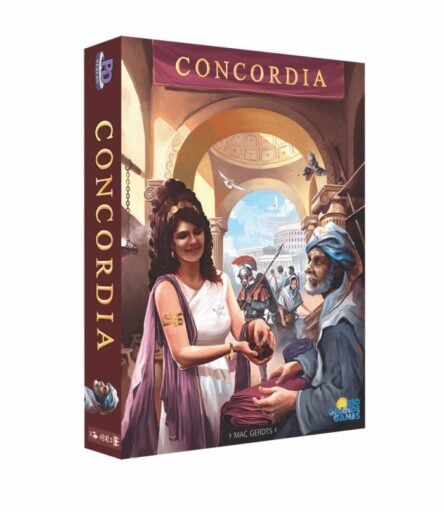
38. Concordia
Players: 2-5 | Ages: 13+
Concordia is a hand-management and trading game set in the Roman Mediterranean. You play cards to produce goods, trade, colonize new cities, and buy more powerful cards. Scoring happens entirely at the end based on which cards you’ve collected.
Concordia’s genius is in its simplicity. There are no tracks, no phases, no exceptions — just play a card and do what it says. But the depth of strategy hidden behind that clean ruleset is remarkable. Experienced players will find layers they missed on their fifth play.
Scales well at all counts. The Venus expansion adds a team variant for four or six players.
37. Sky Team

Players: 2 | Ages: 10+
Sky Team is a strictly two-player board game where one person is the pilot and the other the co-pilot, working together to land a plane safely. You secretly assign dice to different cockpit actions each round — thrust, axis, brakes, radio — without discussing your choices.
The 2024 Spiel des Jahres winner earned its award through pure tension. Every round is a silent negotiation, and the relief of a successful landing after a string of near-misses is genuinely thrilling. Different airport scenarios keep it replayable.
Designed exclusively for two, and it’s among the best games at that count. Quick enough to play twice in one sitting.
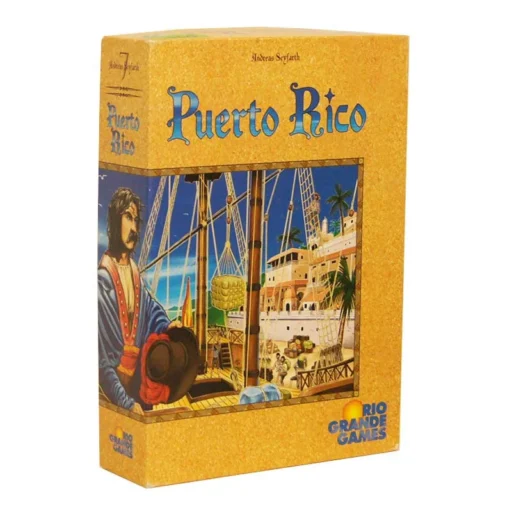
36. Puerto Rico
Players: 2-5 | Ages: 12+
Puerto Rico is a role-selection game where you choose actions that benefit everyone but give you a small advantage. You build plantations, construct buildings, and ship goods for victory points on a colonial-era Caribbean island.
For years, Puerto Rico sat at number one on BGG’s overall rankings. The role-selection mechanic — where your choice of action dictates what everyone else gets to do — creates a constant tension between helping yourself and accidentally helping the leader. That mechanism still holds up today.
Best at three to four players. The 2022 edition updated the theme and components.
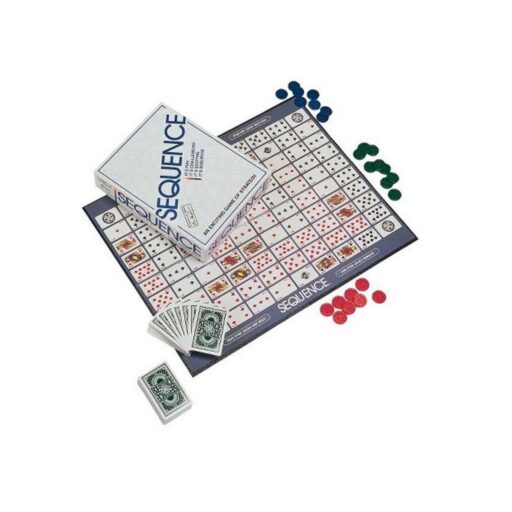
35. Sequence
Players: 2-12 | Ages: 7+
Sequence uses a standard deck of playing cards and a board showing every card in the deck. You play a card from your hand and place a chip on the matching space, trying to get five in a row. Jacks are wild cards that add or remove chips.
It’s deceptively simple, but the team variant turns Sequence into a proper strategy game. Blocking opponents, setting up multiple threats, and reading which cards have been played requires real thought. This has been a steady seller for decades because it works with almost any group.
Plays well as a two-player duel or in teams of two or three. A staple among fun board games for adults and families alike.
34. Love Letter
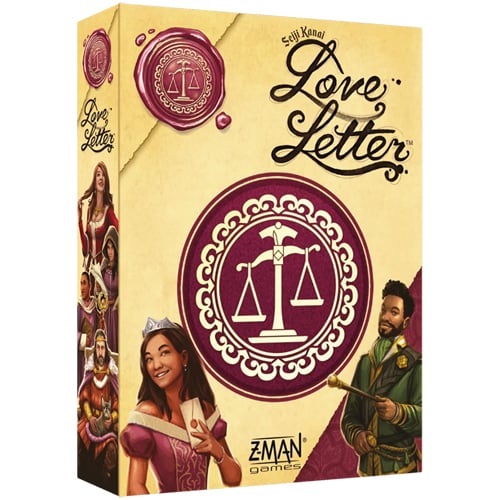
Players: 2-6 | Ages: 10+
Love Letter fits in your pocket and plays in about five minutes. You hold one card, draw one card, and play one — trying to either eliminate other players or hold the highest-value card when the deck runs out.
The appeal is how much drama sixteen cards can generate. A single Guard guess can knock someone out, and the bluffing that emerges from such a tiny game is disproportionately fun. It’s the go-to filler game for a reason.
Ideal as a quick warm-up before a longer game. Dozens of themed versions exist, from Batman to The Hobbit.
33. Sushi Go Party!
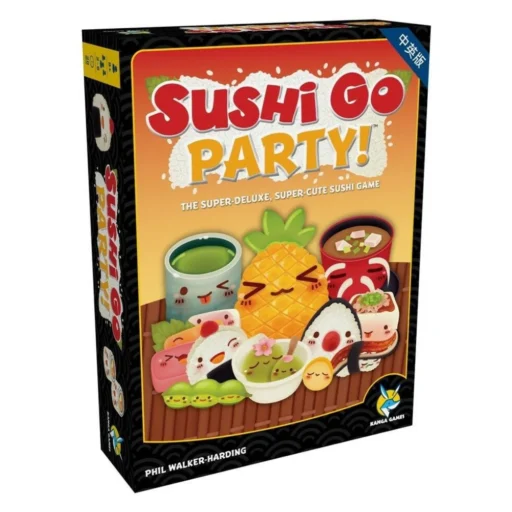
Players: 2-8 | Ages: 8+
Sushi Go Party! is a card-drafting game where you pick one card from your hand, pass the rest, and repeat — building the best combination of sushi dishes for points. The Party version includes a menu board that lets you customize which cards are in play each game.
It’s one of the fastest ways to teach card drafting to new players, and the customizable menu means you can ramp up complexity as your group improves. The art is charming, and games wrap up in about twenty minutes.
A perfect choice for families, casual groups, or game nights that need a lighter option between heavier titles.
32. Patchwork
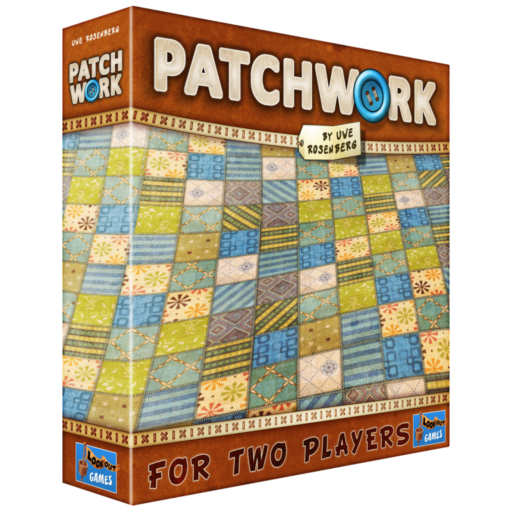
Players: 2 | Ages: 8+
Patchwork is a two-player puzzle game about quilting. You buy Tetris-shaped patches using buttons as currency, then fit them onto your personal board. Whoever covers the most area and has the most buttons left wins.
Uwe Rosenberg designed something deceptively competitive here. Every patch you take is one your opponent can’t have, so the spatial puzzle doubles as a blocking game. Sessions last about twenty minutes, which makes it easy to run back.
One of the best two-player games in the hobby. If you like spatial puzzles, also look at Blokus for larger groups.
31. Sagrada
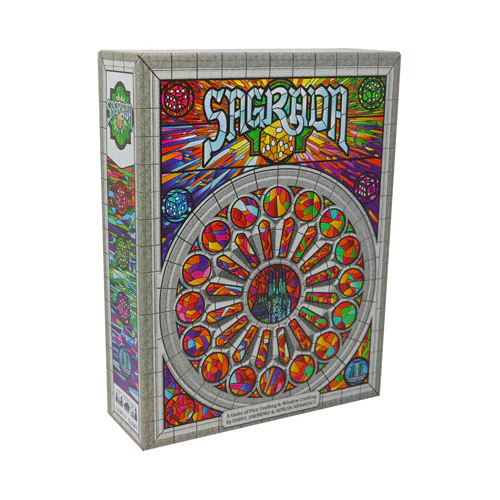
Players: 1-4 | Ages: 13+
In Sagrada, you draft translucent dice and place them on a window-pattern card, following color and shade restrictions. Completing patterns and satisfying objective cards earns you points.
The dice are gorgeous, and the drafting decisions are tighter than they first appear. You want a specific red five, but taking it means your neighbor gets the blue three they need. Tool cards add just enough variability to keep each game fresh.
Good for players who enjoy puzzles with light player interaction. Solo mode works well too.
30. The Quacks of Quedlinburg
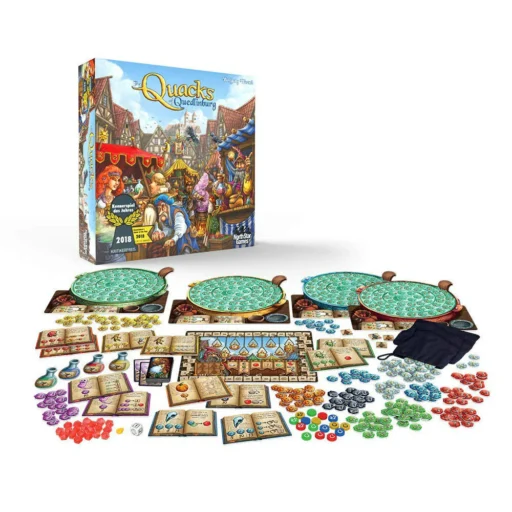
Players: 2-4 | Ages: 10+
Quacks of Quedlinburg is a bag-building push-your-luck game. You draw ingredient chips from your bag one at a time, adding them to your pot. Draw too many white chips and your pot explodes. Stop at the right time and you earn coins and victory points.
The push-your-luck tension is addictive. Every draw from the bag produces cheers or groans around the table. Between rounds you buy better ingredients, so your bag improves — but so does everyone else’s. The catch-up mechanic keeps losing players in the race.
Kennerspiel des Jahres winner in 2018. The Herb Witches expansion should be considered mandatory.
29. Betrayal at House on the Hill
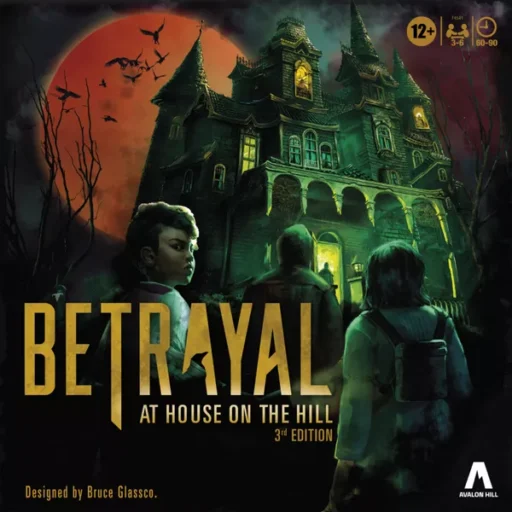
Players: 3-6 | Ages: 12+
Betrayal starts as a cooperative exploration game — you build a haunted house room by room. Then the haunt triggers, one player typically becomes the traitor, and the game shifts into a scenario-driven battle between one side and the other.
The 50 different haunt scenarios give this game enormous replay value. Some are genuinely creepy, others are campy, and the unpredictability of which scenario you’ll trigger keeps every session from feeling routine. The third edition cleaned up some of the rougher scenarios.
Best for groups who enjoy theme over balance. Betrayal Legacy adds a full campaign.
28. King of Tokyo
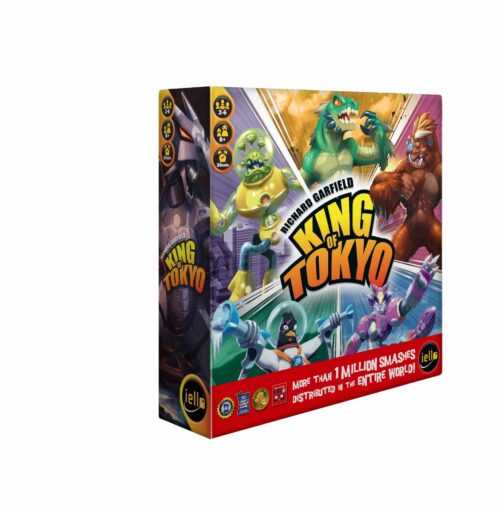
Players: 2-6 | Ages: 8+
King of Tokyo is a dice-rolling battle game where giant monsters fight over control of Tokyo. Roll dice Yahtzee-style, choosing to attack, heal, gain energy, or score points. Whoever reaches 20 points first or is the last monster standing wins.
It’s fast, loud, and satisfying. The power-up cards add just enough decision-making to keep it interesting beyond pure luck. My group treats it as the perfect opener on game night — quick to teach, quick to play, and always entertaining.
A strong gateway game for newer players. King of New York adds a bit more complexity if you want it.
27. Cascadia
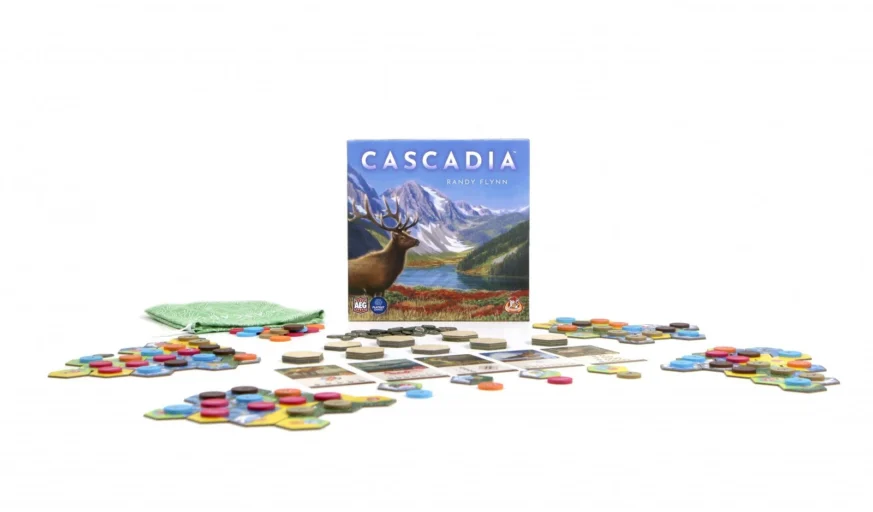
Players: 1-4 | Ages: 10+
Cascadia is a tile-drafting and token-placing game where you build a Pacific Northwest habitat. You pair terrain tiles with wildlife tokens, trying to satisfy scoring conditions for each animal type while keeping your terrain connected.
The 2022 Spiel des Jahres winner earns its spot through elegant simplicity. Decisions feel meaningful without being overwhelming, and the variable wildlife scoring cards make every game different. It’s the kind of game you want to play twice in a row.
A top pick among cooperative family board games and casual gamers. The Landmarks expansion adds a new layer without overcomplicating things.
26. Ark Nova
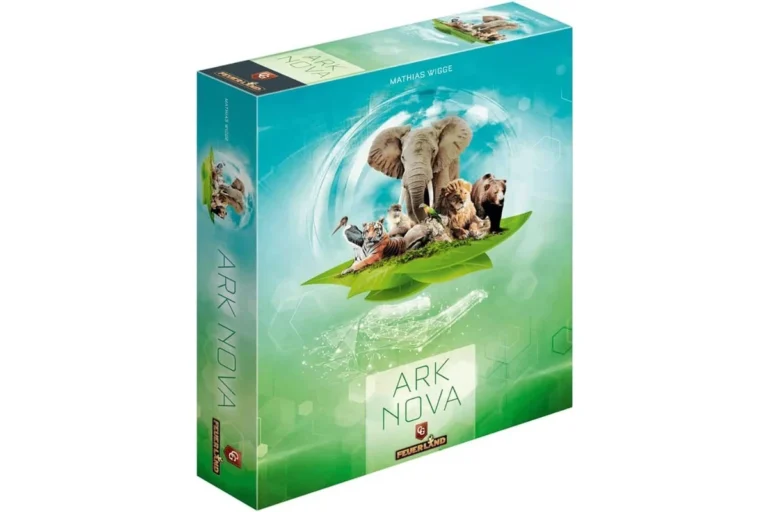
Players: 1-4 | Ages: 14+
Ark Nova has you building and managing a modern zoo. You play animal cards, build enclosures, support conservation projects, and manage your action card display — each card grows stronger as it moves along your personal action track.
The action-upgrade mechanism is what sets Ark Nova apart from other engine builders. Every turn presents a real trade-off between doing something now at lower power or waiting for a stronger version later. With over 250 unique animal cards, no two games play out the same way.
Heavier than most titles on this list — expect two hours for experienced players. The Marine Worlds expansion adds aquariums and new strategies.
25. Everdell
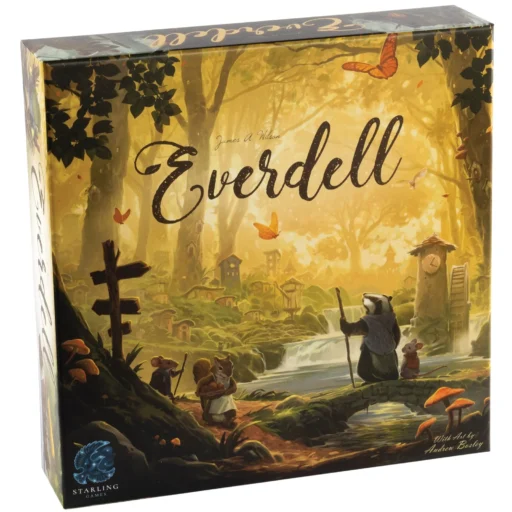
Players: 1-4 | Ages: 13+
Everdell is a tableau-building and worker-placement game where you build a woodland city populated by critters. You gather resources, play cards that pair with each other, and prepare for winter across four seasons.
The production quality drew me in — that cardboard tree on the board is a statement piece. But the game earns its staying power through tight card combos and meaningful decisions about when to move into the next season. It photographs well and plays well, which is a rare combination.
Approachable for intermediate players. The Complete Collection bundles everything together if you want the full experience.
24. Spirit Island
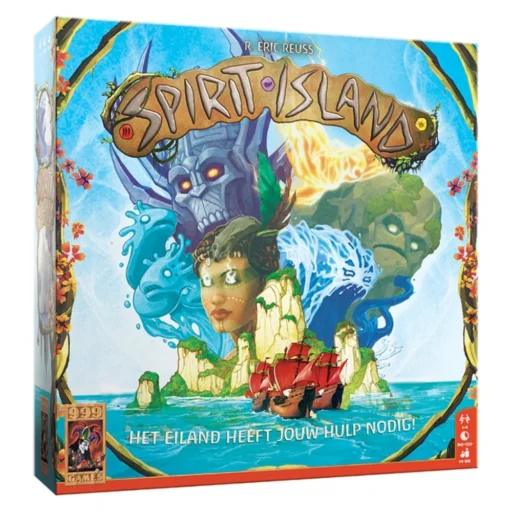
Players: 1-4 | Ages: 13+
Spirit Island is a cooperative area-control game where you play as island spirits trying to drive off colonizing invaders. Each spirit has unique powers, and you combine slow and fast abilities across phases to push back the advancing threat.
This is the thinking person’s co-op. Where most cooperative games feel like you’re reacting to crises, Spirit Island gives you the tools to plan several turns ahead. The asymmetry between spirits means your approach changes drastically depending on which combination your group picks.
One of the best board games for adults who want a serious cooperative challenge. Three major expansions — Branch & Claw, Jagged Earth, and Nature Incarnate — add spirits, adversaries, and scenarios.
23. Root
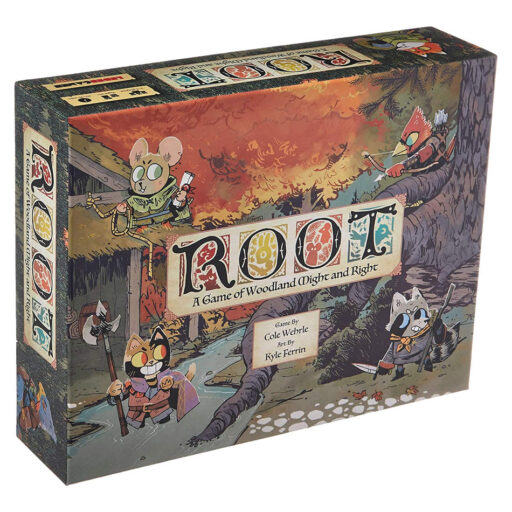
Players: 2-4 | Ages: 10+
Root is an asymmetric wargame where each faction plays by entirely different rules. The Marquise de Cat builds and industrializes. The Eyrie Dynasties program their actions in advance. The Woodland Alliance stirs up revolts. The Vagabond wanders the map completing quests.
Learning Root means learning four separate games, but that’s also what makes it so replayable. Every faction matchup feels different, and the shifting alliances between players keep the politics interesting. The cute woodland art masks a genuinely cutthroat contest.
Best with four players. Multiple expansions add new factions — the Riverfolk and Underground are fan favorites.
22. Scythe
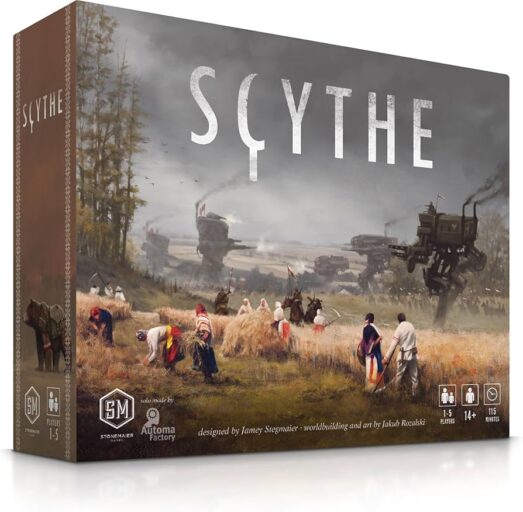
Players: 1-5 | Ages: 14+
Scythe is set in an alternate-history 1920s Europe where farming villages coexist with diesel-powered mechs. You manage resources, expand territory, build structures, and deploy mechs, all while pursuing secret objectives and maintaining popularity.
The engine-building is tight, and the variable player boards mean your strategy shifts each game. Combat exists but happens less often than you’d expect — the threat of it matters more than the act. Scythe rewards efficiency over aggression.
Plays well at three to five players. The Rise of Fenris campaign expansion adds a multi-session arc with lasting changes.
21. Gloomhaven
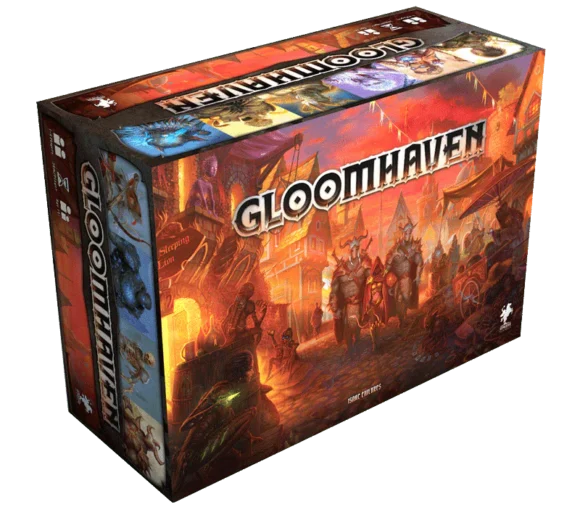
Players: 1-4 | Ages: 14+
Gloomhaven is a cooperative tactical combat game with a branching campaign of 95 scenarios. You play mercenaries in a dark fantasy world, using a card-driven action system where every card spent brings you closer to exhaustion.
The card-based combat eliminates dice entirely, which means every mistake and every victory is yours. Character retirement and unlocking new classes keeps the campaign feeling fresh over dozens of sessions. It redefined what a campaign board game could be.
A massive time commitment — plan for 100+ hours to complete. Gloomhaven: Jaws of the Lion is a shorter, more accessible entry point. Frosthaven expands the system further.
20. Agricola
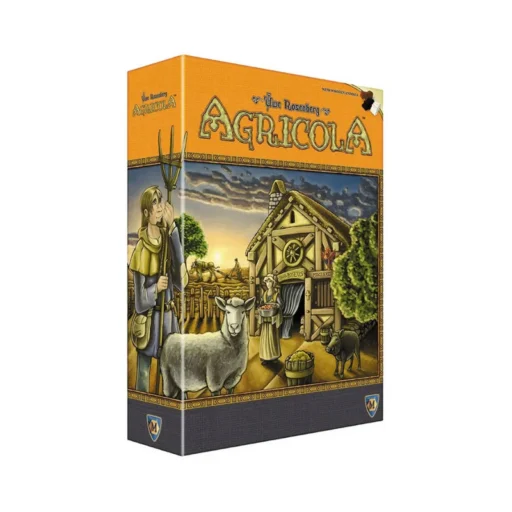
Players: 1-4 | Ages: 12+
Agricola is a worker-placement game about subsistence farming. You start with a two-room wooden hut and a couple, and over 14 rounds you need to plow fields, raise animals, expand your house, grow your family, and feed everyone.
The feeding requirement adds real pressure to what could otherwise be a relaxing farm sim. Every round you’re torn between building toward your long-term plan and making sure your family doesn’t starve. The occupation and minor improvement cards give each game a distinct shape.
Still a benchmark for worker placement after nearly two decades. Experienced players swear by the revised edition’s rebalanced cards.
19. Dixit
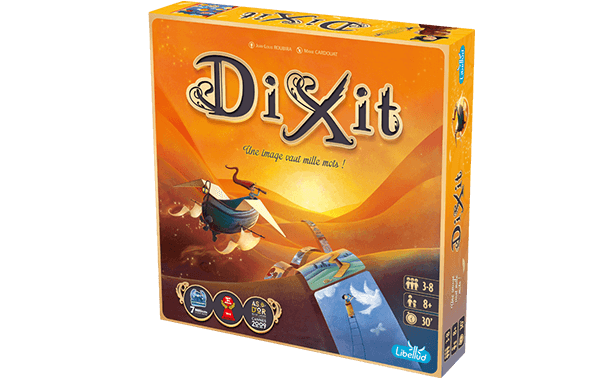
Players: 3-8 | Ages: 8+
Dixit is an imagination game. The active player picks a card from their hand of dreamlike illustrations and gives a clue — a word, phrase, sound, or gesture. Everyone else submits a card from their own hand that could match the clue, and then everyone votes on which card they think is the original.
The scoring mechanic is clever: if everyone or no one guesses your card, you score nothing. So your clue has to be just right — not too obvious, not too obscure. With friends who know each other well, the clues become deeply personal and often hilarious.
A go-to party game for mixed groups. Multiple expansion card packs exist if you wear out the originals.
18. Terraforming Mars
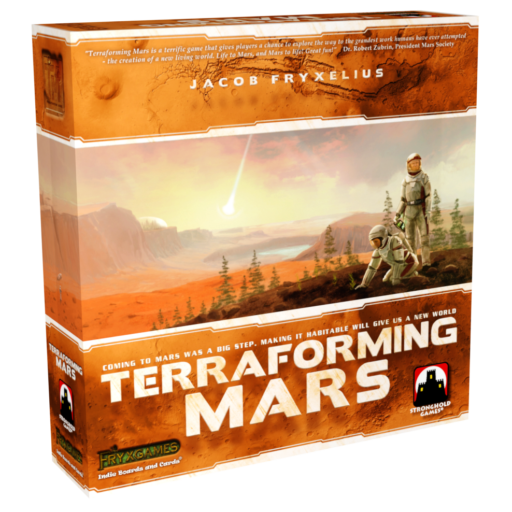
Players: 1-5 | Ages: 12+
Terraforming Mars has you leading a corporation tasked with making the Red Planet habitable. You play project cards to raise temperature, oxygen, and ocean coverage while building an economic engine and claiming milestones and awards.
The card variety is staggering — over 200 unique projects in the base game alone. Each card tells a mini story about how you’re transforming the planet, and building synergies between your projects is where the real satisfaction lies. Games run long, but the arc from barren rock to green planet is worth it.
Several expansions add new maps, corporations, and card sets. Prelude is the most recommended first expansion because it speeds up the early game.
17. Splendor
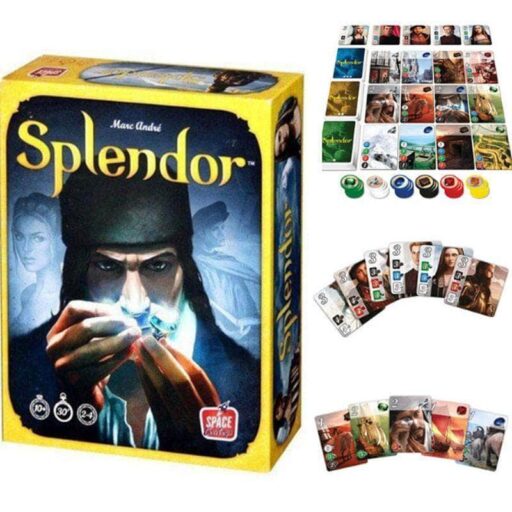
Players: 2-4 | Ages: 10+
Splendor is an engine-building card game about gem trading during the Renaissance. You collect gem tokens, reserve cards, and purchase development cards that give you permanent gem bonuses, gradually building toward expensive nobles who provide victory points.
What makes Splendor stick around is how quickly it teaches and how much depth sits beneath that simplicity. You’re always weighing whether to collect gems, reserve a card your opponent needs, or push toward your own engine. Turns are fast, and games take about 30 minutes.
One of the best gateway games in the hobby. The Marvel and Duel versions add twists if you want something different.
16. Dominion
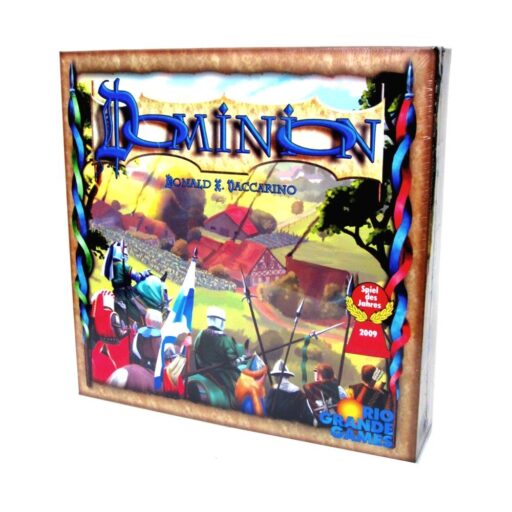
Players: 2-4 | Ages: 13+
Dominion invented the deck-building genre in 2008. You start with a weak ten-card deck and buy cards from a shared market each turn, gradually improving your deck’s ability to generate money and victory points.
The genius of Dominion is that the ten kingdom card piles change every game, which means the optimal strategy shifts constantly. Over a dozen expansions exist, each adding new mechanics — from events and landmarks to night cards and projects. The replayability is practically infinite.
Still the cleanest deck builder available. If you try one game from the genre, start here.
15. Wingspan
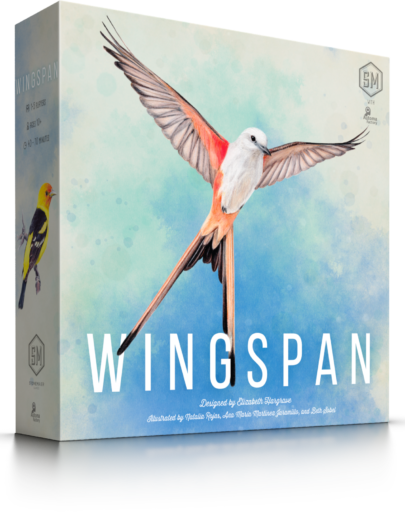
Players: 1-5 | Ages: 10+
Wingspan is an engine-building game about attracting birds to your wildlife preserves. You play bird cards into one of three habitats, each granting different resources, and activate chains of bird powers as your engine grows.
Elizabeth Hargrave’s design broke records when it launched in 2019, and it’s stayed among the most popular board games since. The bird facts on each card add a genuine educational layer, and the production — including the egg miniatures and birdfeeder dice tower — is top-shelf. Wingspan recorded over 3.1 million units sold in 2024 alone.
Perfect for players who prefer low-conflict strategy. The Asia, European, and Oceania expansions each bring new mechanics and bird species.
14. Azul
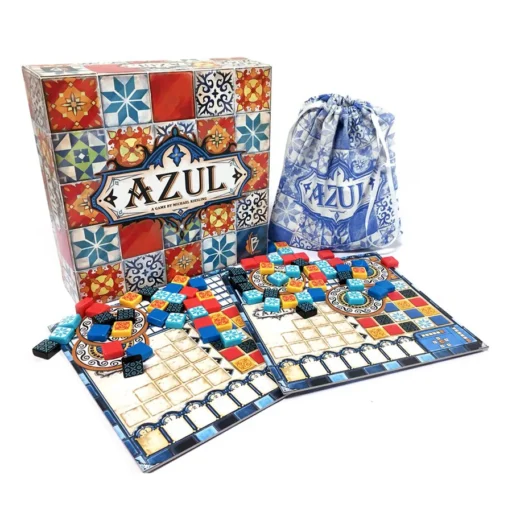
Players: 2-4 | Ages: 8+
Azul is an abstract tile-drafting game inspired by Portuguese ceramic tiles. You take tiles from shared factory displays and place them on your player board, trying to complete rows that score points when tiles move to your mosaic wall.
The drafting is where Azul gets mean. Taking tiles you need often dumps leftover tiles on your opponents, and a well-timed hate-draft can wreck someone’s round. The tactile quality of the Bakelite-like tiles makes every pick feel good in your hand.
Won the Spiel des Jahres in 2018. Azul: Summer Pavilion and Azul: Queen’s Garden are standalone sequels that riff on the formula.
13. 7 Wonders

Players: 2-7 | Ages: 10+
7 Wonders is a card-drafting civilization game played over three ages. You pick a card, pass your hand, and repeat — building your ancient city’s military, science, commerce, and wonder. Everyone plays simultaneously, so a seven-player game takes the same time as a three-player one.
That simultaneous play is the secret to its longevity. No downtime, no waiting. The interactions with your neighbors (military comparisons, trading) keep you watching what they’re building while planning your own path. My regular group has played it hundreds of times.
The Duel version for two players is also a standout. 7 Wonders: Architects offers a simpler family-weight alternative.
12. Codenames
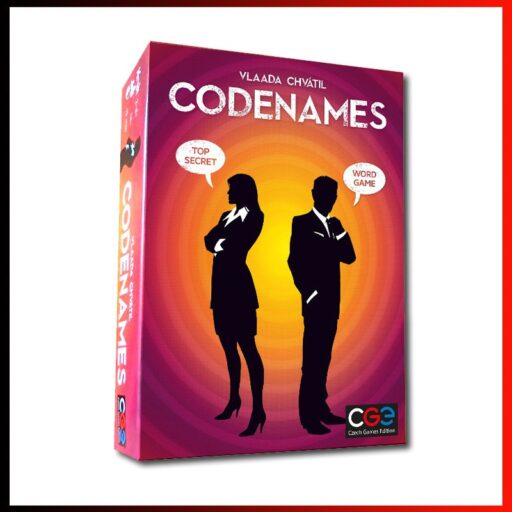
Players: 2-8 | Ages: 14+
Codenames is a team word game. Two spymasters give one-word clues to guide their teammates toward the right code words on a grid, while avoiding the opposing team’s words and the dreaded assassin.
Vlaada Chvátil designed one of the best party games in the modern era with Codenames. The satisfaction of giving a clue that connects three words — and watching your team actually find all three — is hard to top. It’s also one of those rare games where spectators have as much fun as players.
Codenames Duet adds a cooperative two-player variant. Pictures, Disney, and Marvel editions exist for different tastes.
11. Trivial Pursuit
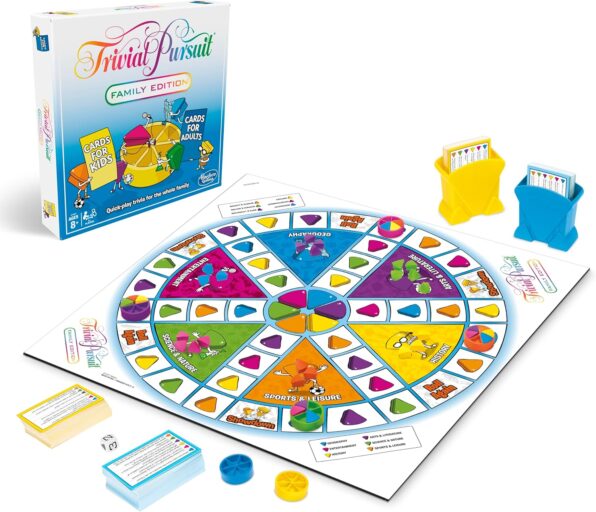
Players: 2-6 | Ages: 16+
Trivial Pursuit is the original trivia board game. Roll the die, answer questions across six categories — Geography, Entertainment, History, Art & Literature, Science & Nature, and Sports & Leisure — and collect pie pieces on your way to the center.
It’s sold over 100 million copies worldwide, and nearly every household recognizes the pie-shaped game piece. The format is simple enough that anyone can sit down and play, and the competitive knowledge-testing keeps groups engaged well past midnight.
Dozens of themed editions cover everything from specific decades to TV shows. A solid choice for groups that enjoy trivia and want a classic game board experience.
10. Carcassonne
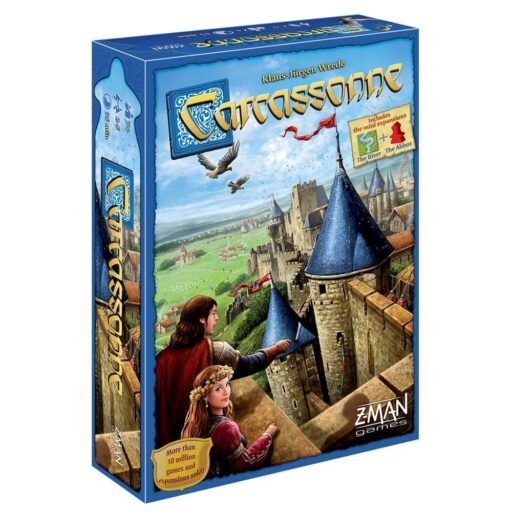
Players: 2-5 | Ages: 7+
Carcassonne is a tile-laying game where you draw a land tile each turn and add it to the growing map, then optionally place one of your followers (meeples) to claim a city, road, monastery, or field. Completed features score points, and the largest fields at game end can swing the outcome.
The 2001 Spiel des Jahres winner is still one of the most accessible strategy games around. It takes five minutes to teach and scales nicely from relaxed family play to competitive two-player duels. With over 12 million copies sold, it’s one of the most popular board games in the modern hobby.
The Inns & Cathedrals expansion is the most commonly recommended first addition. There are over a dozen expansions total.
9. Pandemic

Players: 2-4 | Ages: 8+
Pandemic is a cooperative game where you work together as disease specialists to contain four outbreaks spreading across the globe. Each player has a unique role, and you coordinate movement, treat infections, and research cures before time runs out.
Matt Leacock’s 2008 design is still the gold standard for cooperative board games. The infection deck mechanic — where cities that have already been hit keep coming back — creates escalating tension that makes every turn count. Cooperative game demand grew by 20 million units in 2024, and Pandemic was a major driver of that growth.
Pandemic Legacy Season 1 is widely considered the best legacy game ever made. For fans of cooperative adventure board games, this franchise remains essential.
8. Ticket to Ride
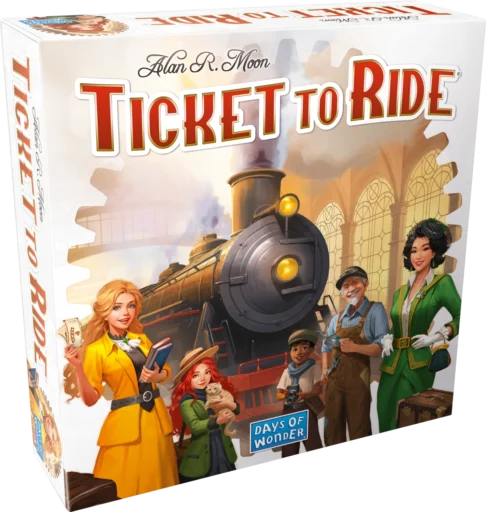
Players: 2-5 | Ages: 8+
Ticket to Ride has you collecting colored train cards and claiming railway routes on a map to connect cities listed on your destination tickets. Longer routes are worth more points, and completing tickets earns bonuses while failing them costs you.
Alan Moon’s 2004 design sold over 4.2 million units in 2024 and continues to be one of the top-selling tabletop games worldwide. The rules take minutes to learn, but the route-blocking and risk of drawing ambitious tickets adds a competitive edge that seasoned players appreciate.
The Europe edition is many players’ favorite map. Legacy: Legends of the West adds a 12-game connected campaign.
7. Catan
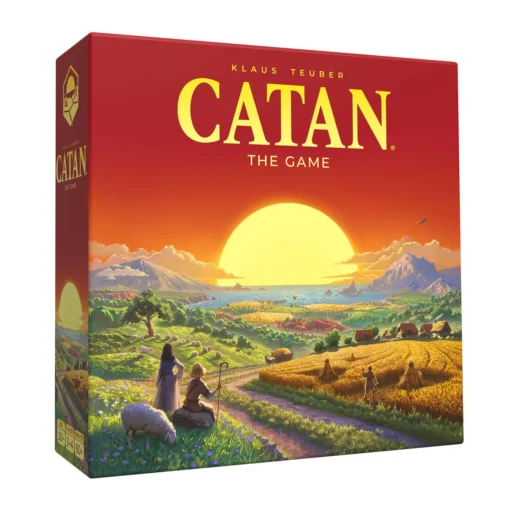
Players: 3-4 | Ages: 10+
Catan (formerly The Settlers of Catan) has players building settlements and cities on a hex-tile island, collecting resources based on dice rolls, and trading with one another to expand. Reach 10 victory points first to win.
With over 32 million copies sold globally, Catan is the game that brought modern board gaming into the mainstream. The trading mechanic encourages constant interaction, and the modular hex board means the island layout changes every game. The 2025 sixth edition updated the components and art.
The base game supports three to four; the 5-6 player extension opens it up. Seafarers and Cities & Knights are the most popular expansions among the list of board games in this franchise.
6. Chess
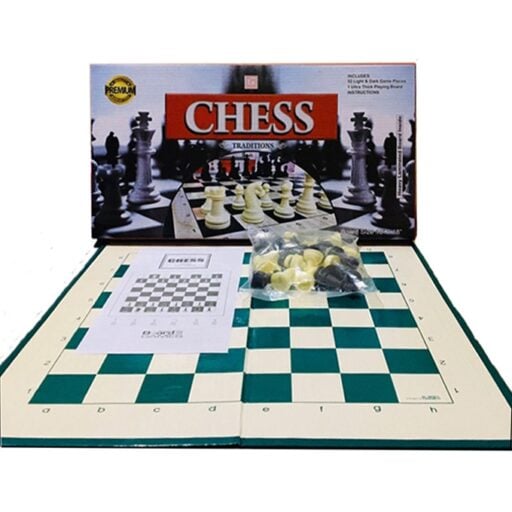
Players: 2 | Ages: 6+
Chess is a two-player abstract strategy game that needs no introduction. Each piece moves differently, and the goal is to checkmate your opponent’s king. No hidden information, no luck — pure strategy.
It’s the most widely played board game in history, with an estimated 600 million players worldwide. The online chess boom that started during the pandemic shows no sign of slowing down, with platforms like Chess.com and Lichess seeing record engagement through 2025 and into 2026. The game has been played for over 1,500 years and remains the benchmark all other abstract games are measured against.
If you’ve never played competitively, even a casual rating climb on an online platform can be surprisingly addictive.
5. The Game of Life
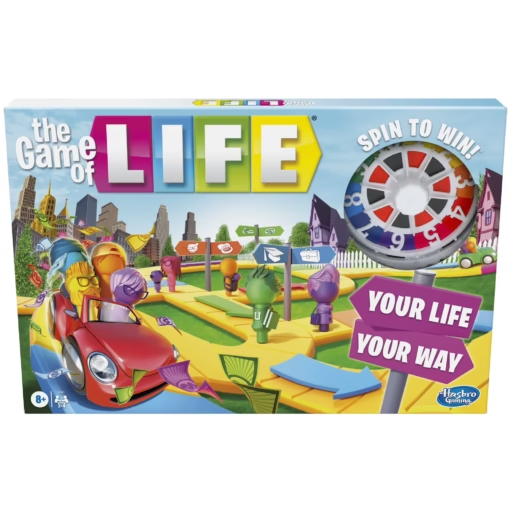
Players: 2-4 | Ages: 9+
The Game of Life takes you from college or career through marriage, homeownership, children, and retirement. Spin the wheel, follow the path, and make financial decisions along the way. The player with the most money at retirement wins.
It’s a light, luck-driven family game, and that’s exactly why it has sold over 30 million copies. The career and life-event cards create a miniature narrative for each player that younger kids especially enjoy. It’s a common first board game for many households.
The newest editions modernize the career options and life events. Best for families with younger children who want a simple, low-stakes game night.
4. Risk
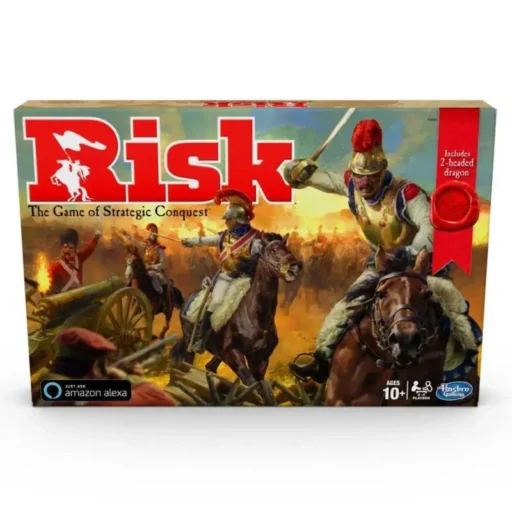
Players: 2-6 | Ages: 10+
Risk is a global conquest game where you control armies, claim territories, and attack neighbors through dice combat. Turn in sets of territory cards for reinforcements, and try to achieve your secret mission or wipe everyone else off the map.
The original 1957 release has gone through many editions, and the core appeal hasn’t changed: the satisfying arc from vulnerable startup to dominant force, and the inevitable moment when two alliances collapse into all-out war. It’s one of the most famous board games ever produced.
Risk Legacy added permanent changes to the board between sessions. Risk: Europe and Risk: Star Wars offer themed alternatives for different tastes.
3. Clue (Cluedo)
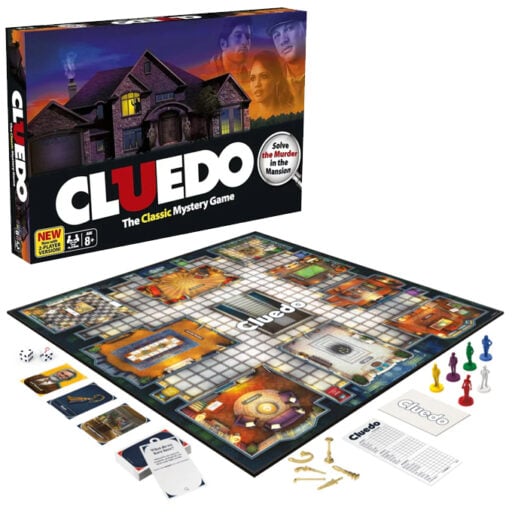
Players: 2-6 | Ages: 8+
Clue is a deduction game where you figure out who committed the murder, with which weapon, and in which room. Move around the mansion, make suggestions to gather information, and narrow down the answer before anyone else does.
First published in 1949, Clue has sold tens of millions of copies and remains one of the most iconic board games in Western culture. The deduction mechanic is simple enough for children but keeps adults thinking as they track elimination logic across their notepads.
A long list of themed editions and a legacy version exist. The game’s format inspired countless deduction designs that followed, including many modern cooperative storytelling board games.
2. Scrabble
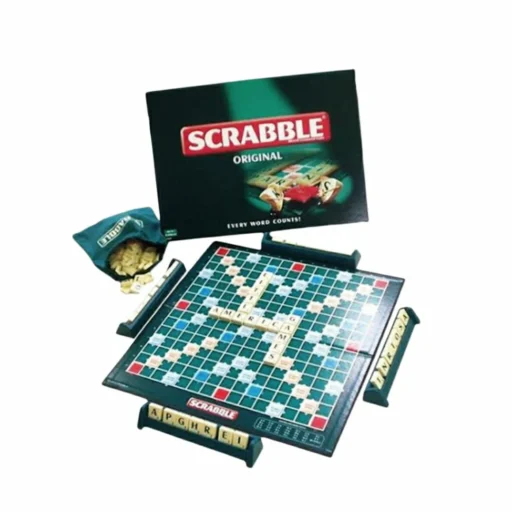
Players: 2-4 | Ages: 10+
Scrabble is a word-building game where you place letter tiles on a grid to form words, earning points based on letter values and board multipliers. With over 150 million copies sold, it’s the second best-selling branded board game after Monopoly.
There’s a reason Scrabble tournaments still draw competitive players decades after its release. The balance between vocabulary knowledge and spatial awareness on the board creates a game that rewards both language skill and tactical placement. A well-placed seven-letter word with a triple-word score is one of the best feelings in tabletop gaming.
Available in 29 languages. Competitive players use the Official Scrabble Players Dictionary; casual groups usually allow any agreed-upon dictionary.
1. Monopoly
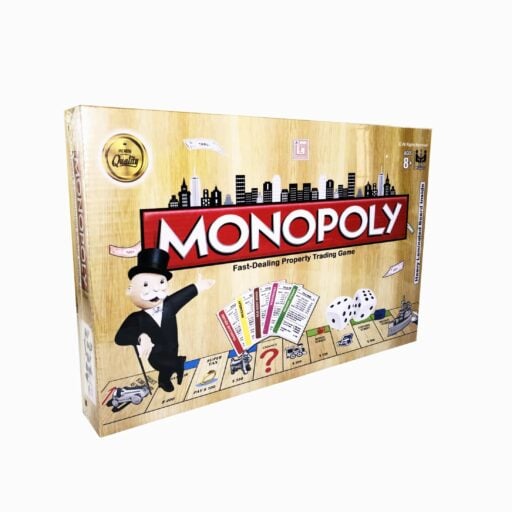
Players: 2-8 | Ages: 8+
Monopoly is a property-trading game where you buy streets, build houses and hotels, and charge rent to opponents who land on your properties. Collect $200 for passing Go, negotiate trades, and try to bankrupt everyone else at the table.
Over 275 million copies sold. Available in 47 languages and more than 114 countries. Monopoly led all board game titles in 2024 with 8.1 million units and approximately $243 million in revenue. Whatever you think of the gameplay — and opinions vary — no other board game has achieved this kind of global reach. The global board game market reached $15.83 billion in 2025, and Monopoly alone holds a staggering share of that figure.
Thousands of themed editions exist, from city-specific versions to branded tie-ins. Playing board games with house rules is practically a Monopoly tradition, though the official rules actually make for a faster, tighter game than most people realize.
FAQs
What is the most popular board game in the world right now?
Monopoly remains the global sales leader, with 8.1 million units sold in 2024 alone. Chess has the largest active player base worldwide, with an estimated 600 million players.
What are the best board games for adults in 2026?
Brass: Birmingham, Terraforming Mars, Ark Nova, Scythe, and Gloomhaven top most best adult board games lists. Wingspan and Cascadia are strong picks for lighter strategy sessions.
How big is the board game market in 2026?
The global board game market is projected to reach $17.45 billion in 2026, up from $15.83 billion in 2025. North America accounts for about 42% of global revenue.
What board game won the Spiel des Jahres in 2025?
Bomb Busters by Hisashi Hayashi won the 2025 Spiel des Jahres. Endeavor: Deep Sea won the Kennerspiel (expert game) award the same year.
What are the top rated board games on BoardGameGeek?
Brass: Birmingham, Pandemic Legacy: Season 1, Gloomhaven, Ark Nova, and Twilight Imperium consistently rank among the highest on BGG’s board game rankings. Spirit Island and Root also hold top-20 positions.
