
Inis Board Game Review

Inis is a Celtic strategy game by Christian Martinez, published by Matagot in 2016. It looks like a fight over a map of miniatures, but it plays as a card game: you can’t place, move or build anything without playing a card. It takes 2 to 4 players, ages 14 and up, in 60 to 90 minutes. This review covers the components, rules and mechanics to help you decide if Inis fits your group.
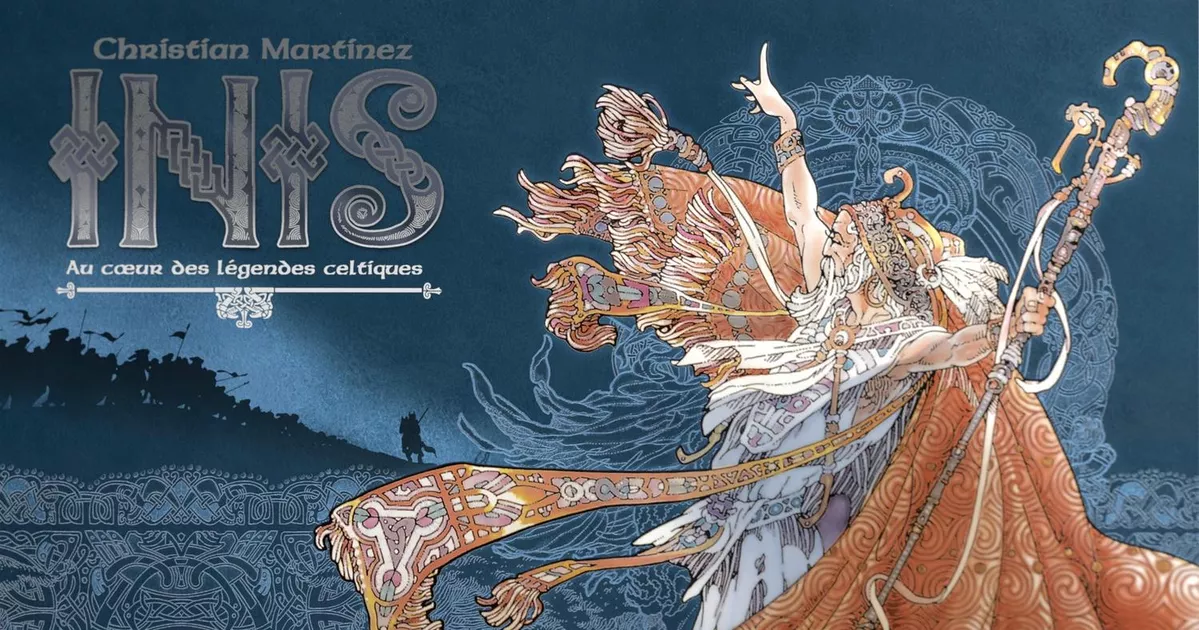
Inis Board Game Overview
Each player leads clans settling a new island. You win by being elected High King through one of three victory conditions.
Inis has a 7.8 rating on BoardGameGeek, ranks 125th overall, and was a 2016 Golden Geek nominee for Board Game of the Year.
| Designer | Christian Martinez |
|---|---|
| Artists | Jim FitzPatrick, Dimitri Bielak |
| Publisher | Matagot (English third edition with Kolossal Games) |
| Year Released | 2016 (third edition 2026) |
| Players | 2 to 4 (5 with Seasons of Inis) |
| Age Range | 14+ |
| Playing Time | 60 to 90 minutes |
| Game Type | Strategy, card drafting, area majority, Celtic mythology |
| Complexity Rating | 2.95 / 5 (BoardGameGeek weight) |
What’s in the Inis Box: Components
| Component | Count | Notes |
|---|---|---|
| Clan miniatures | 48 | 12 per player in four colors |
| Capital | 1 | Its chieftain becomes the Brenn each round |
| Citadels | 8 | Each shelters one clan during a clash |
| Sanctuaries | 9 | Count toward a victory condition |
| Territory tiles | 16 | Interlocking, each with its own power |
| Action cards | 17 | Drafted every round |
| Advantage cards | 16 | One per territory, given to its chieftain |
| Epic Tale cards | 30 | Irish gods and heroes, kept between rounds |
| Reference cards | 4 | Turn summary |
| Tokens | 15 | Brenn, Flock of Crows, 4 Pretender, 8 Deed, Festival |
Clans come in four sculpts (warriors, woodsmen, shepherds and traders) with no effect on play. The plastic buildings make the map easy to read across the table.
The cards carry a lot of text. Jim FitzPatrick’s bright art splits players, and the first edition’s layout looks busy. The 2026 third edition updates the visuals and rulebook, but its cards need a sleeve kit to mix with older printings.
Inis Review: Pros and Cons
What works:
- Every action comes from a card, so the draft shapes your whole round.
- Three victory conditions keep everyone watching each other, so a near winner gets blocked fast.
- Fights cost cards, so long clashes drain both hands and peace deals are common.
- Sixteen territory tiles, each with its own Advantage card, change the map every game.
- Most games end inside 90 minutes.
What does not:
- The first game is confusing, and the habit of making peace takes time to learn.
- Epic Tale cards name Irish legends most players won’t know.
- Rounds can end with no winner, which drags out close games.
- Ganging up on the leader is built in, and some groups hate it.
How to Play Inis: Rules and Setup
Inis Setup
Lay out one territory tile per player, each touching two others. A random player takes the Brenn marker and places the capital and one sanctuary. Players then place clans one at a time until each has two.
First-time groups can use the rulebook’s discovery scenario, which fixes the starting tiles.
The Assembly Phase in Inis
The chieftain of the capital (the player with the most clans there) becomes the Brenn. Pretenders check for victory, and each territory’s chieftain takes its Advantage card.
Everyone then drafts four action cards: keep one and pass three, keep two and pass two, then keep three and pass one. Two players draft six cards each.
The Season Phase in Inis
The Brenn plays first. On each turn after that, you play a Season card, pass, or take a pretender token if you meet a victory condition. The season ends when every player passes in a row.
How Clashes Work in Inis
Moving into a territory with rival clans starts a clash. Defenders may hide one clan in each citadel. Players then attack, withdraw, or play an Epic Tale card. An attacked player removes a clan or discards an action card. Players can agree to end the clash before any move.
How to Win Inis
You need to lead territories holding six rival clans, be present in six territories, or be present where six sanctuaries stand. Deed tokens count as one toward any condition.
You must take a pretender token during the season and still qualify at the next Assembly. The pretender meeting the most conditions wins. The Brenn wins ties; if the Brenn isn’t tied, nobody wins that round.
Where to Buy Inis
| Platform | What You Can Get |
|---|---|
| Asmodee Store (US) | Third edition, $79.99 list price |
| Miniature Market | Third edition |
| Noble Knight Games | Third edition, Nemed, used older printings |
| Game Nerdz | Third edition |
| BoardGameBliss | Third edition, Seasons of Inis, Nemed, sleeve kit (Canada) |
| Zatu Games | Third edition (UK, US and Australian stores) |
| BGG GeekMarket and eBay | Used first, second and third edition copies |
Buy the third edition if you want Nemed, since the retail expansion only works with it.
Inis Game Mechanics and Strategy
Inis runs on closed drafting. The four cards you keep are your plan for the round, and the cards you pass tell you what a neighbor might hold.
Area majority decides who leads each territory. Leading the capital makes you Brenn, and the Brenn wins ties, so the capital is often worth more than open land.
Passing is a tactic. Holding your last card lets you answer a rival after they commit, and Triskel cards can be played outside your turn.
Epic Tale cards stay in hand between rounds, so they give you surprise moves the draft can’t take away. If you enjoy reading the table in Citadels, you’ll spot the same guessing game here.
Who Should Play Inis?
Inis suits three or four players who like table talk. It rewards patience more than attacks.
On BoardGameGeek, Inis fans most often also like Blood Rage, another draft with miniatures. Blood Rage pays you for battles. Inis punishes them, because removing rival clans lowers your Leadership count.
Fans of the map politics in Root get a shorter game where all sides play the same way. Groups that liked the deals in Oath will find a lighter take, and Ethnos players get area majority with more direct conflict.
Skip it if your group wants a score track or dislikes piling on the leader.
FAQ
Is Inis good for beginners?
It sits in the middle, with a 2.95 out of 5 weight on BoardGameGeek. The rules are short, but the strategy takes time. Use the discovery scenario first and expect new players to fight too much. The second game goes much faster.
How long does Inis take to play?
The box says 60 to 90 minutes. A teaching game runs longer, since new players need a round or two to understand pretender tokens. Close games can stretch further when tied pretenders don’t include the Brenn and nobody wins at that Assembly.
What is the best player count for Inis?
Three or four players. The full draft passes cards around the table, and more rivals means more blocking and more deals. Two players use a separate double draft of six cards each, which works as a tight duel. Seasons of Inis adds a fifth player.
Does Inis have expansions?
Two. Seasons of Inis adds a season board, new modules and a fifth player. Nemed adds Nemeton sacred sites that award deeds, sanctuaries dedicated to heroes, 10 Epic Tale cards and new territories. The retail Nemed box works only with the third edition.
What games are similar to Inis?
Blood Rage and Kemet share the miniatures and mythology, but both reward combat. Cyclades is Matagot’s auction-driven cousin. Cosmic Encounter and Root match its deal-making and table talk. For more picks, see our list of best strategy board games.
