
Why Poker Has More in Common With Board Games Than Most People Think

Poker usually gets placed in a category of its own. Board games come out on game night, card games have their place, and poker tends to be thought of as something separate.
But when you look at how poker actually works, it has a lot in common with traditional board games.
There’s luck, strategy, hidden information, risk, and a group of people making decisions based on what everyone else is doing. The rules of poker are also relatively simple. Most of the complexity comes from the decisions players make within those rules.
How Luck and Strategy Work Together?
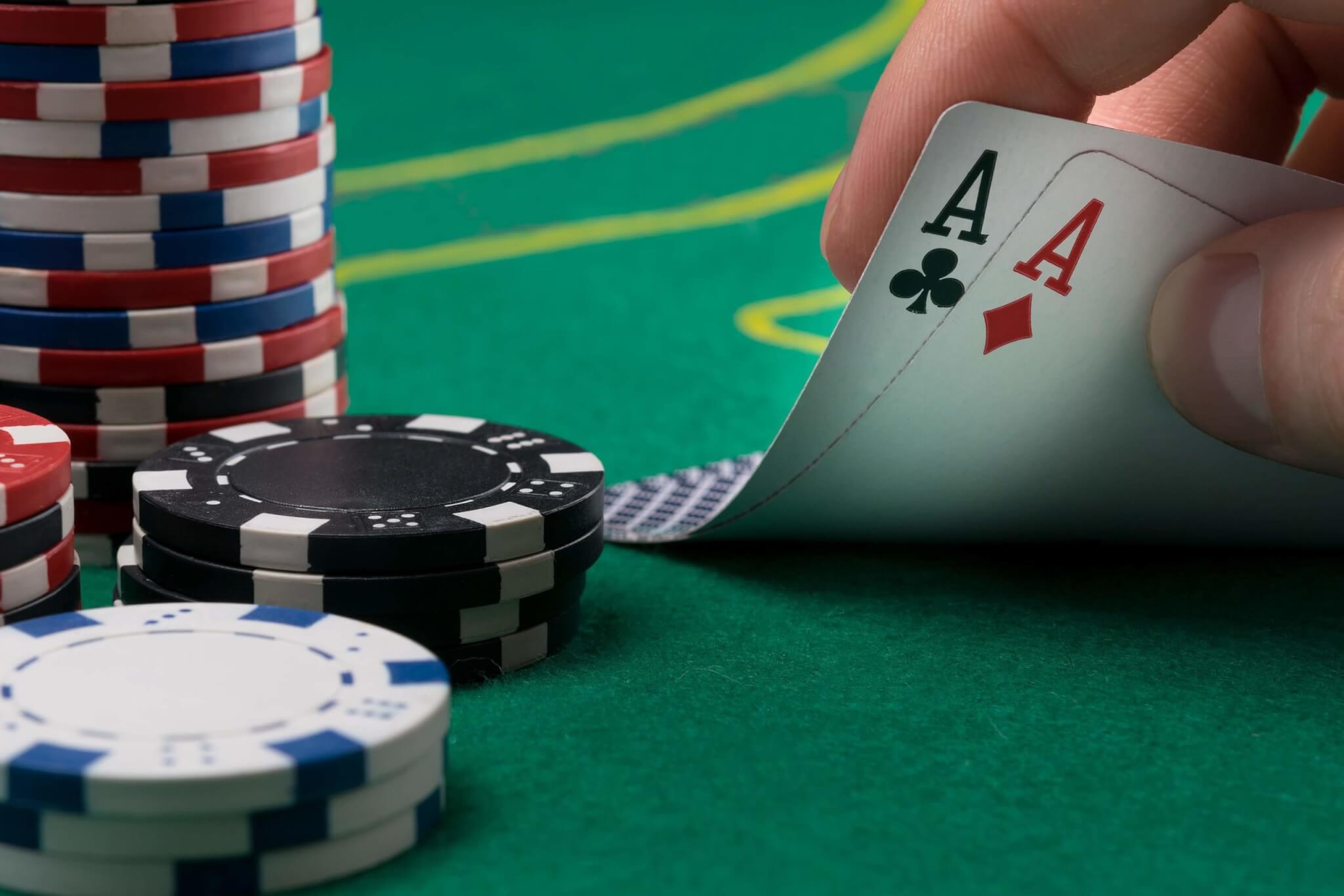
Randomness is obviously a big part of poker.
You don’t choose the two cards you’re dealt in Texas Hold’em, and you don’t have any control over which cards appear on the board. What you can control is what you do with them.
Do you play the hand or fold? How much should you bet? What hands could another player reasonably have? How does the way they’ve played previous hands affect your decision?
Board games often create similar situations through shuffled cards, dice, hidden tiles, or randomized setups. The random element changes the situation, and players have to adjust their strategy around it.
That’s also why discussions about push-your-luck mechanics can apply surprisingly well to poker. A good decision won’t always produce a good result, just as a questionable decision can occasionally work out. Over enough games, though, the quality of those decisions starts to matter.
Why Hidden Information Matters?
Many board games give players a clear view of what’s happening. You can see the board, count resources, and often work out what other players are able to do.
Games with hidden information work differently.
Poker is a good example. Every player has private cards while sharing the same community cards. You know part of the picture, but never all of it.
Bicycle Cards’ guide to Texas Hold’em covers the basic setup: each player is dealt two private cards and shares five community cards with the rest of the table. From those seven available cards, players make their best five-card hand. The rules themselves are fairly easy to learn.
Much of the strategy comes from deciding what to do when you don’t know exactly what everyone else is holding.
That means you’re constantly working with probabilities and incomplete information rather than simply reacting to what’s visible on the table.
Playing Against Other People
One of the biggest similarities between poker and tabletop gaming is how much the other players affect the experience.
Someone might take an unexpected risk. Another player might be much more cautious. Someone who has barely made a move all game suddenly makes a large bet.
Those differences matter in poker because the correct decision can change depending on who you’re playing against.
A player who bets constantly gives you different information than someone who has barely entered a hand all night. Over time, players start noticing these tendencies and adjusting how they play.
It’s part of what makes playing with the same group regularly interesting. You learn how everyone tends to approach the game, while they’re doing exactly the same thing with you.
Why Poker Works as a Social Game?
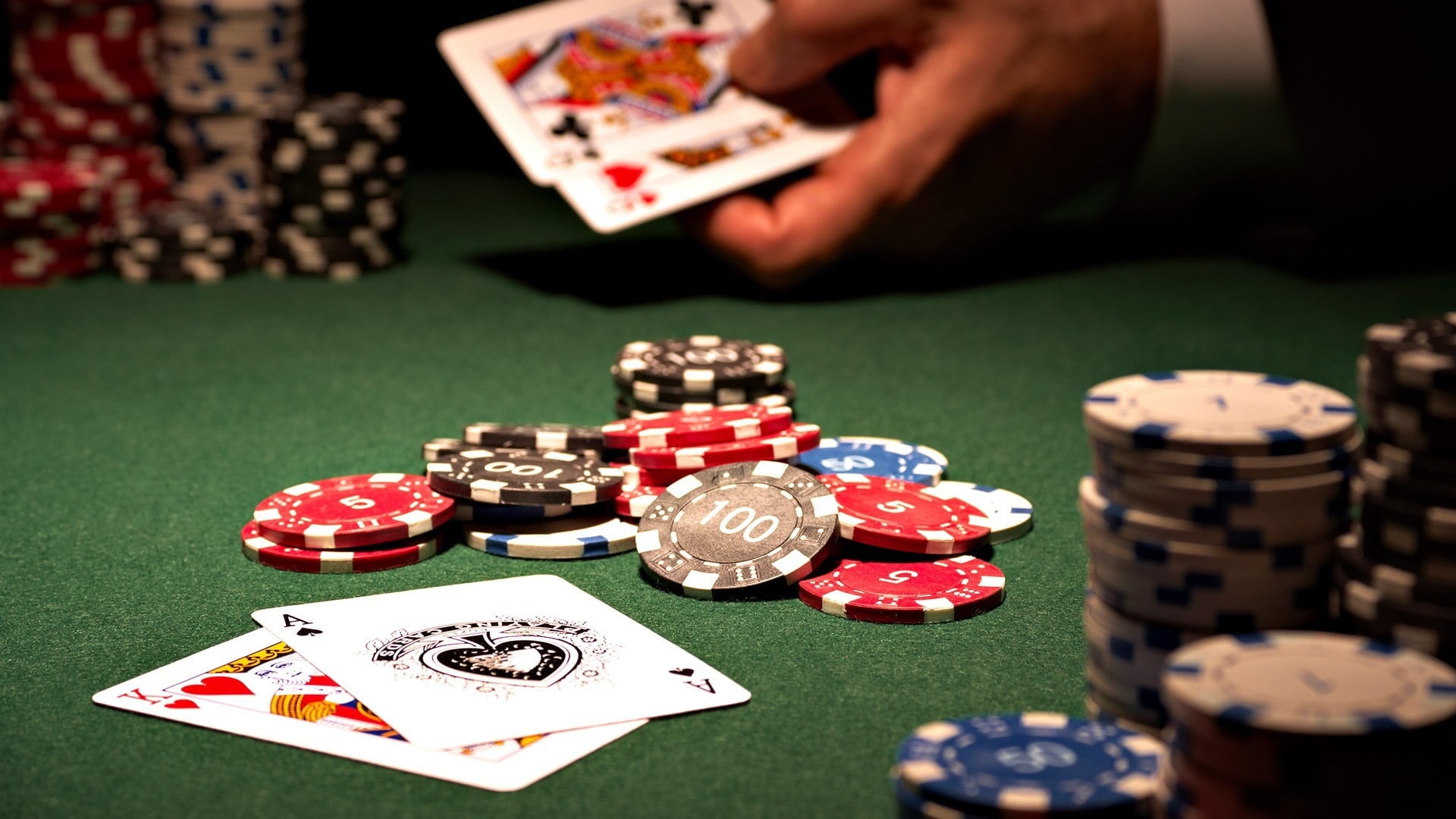
Poker also leaves plenty of room for conversation.
There are moments that require concentration, but there’s usually time to talk between hands. That’s one reason home poker games have remained popular for so long. The game gives everyone something to focus on without requiring constant attention every second.
Playing online can offer a similar setup when getting everyone around the same physical table isn’t practical.
A group doesn’t necessarily need a deck, chips, or even to be in the same place anymore. Sites offering free online poker make it possible to open a table and play with friends or other players directly through a browser.
Of course, playing online isn’t exactly the same as having everyone sitting in the same room. But much of the actual game remains the same. You’re still making decisions against other people, noticing how they play, and reacting to what happens from one hand to the next.
Simple Rules, Plenty of Strategy
Some of the most replayable tabletop games have fairly simple rules. Texas Hold’em fits that description well.
Each player gets two private cards. Five community cards can appear on the table. There are rounds of betting along the way, and players try to make the strongest five-card hand.
You can learn that basic structure pretty quickly.
What takes much longer is learning how to make good decisions within it. Position, stack sizes, bet sizes, opponents, and the cards themselves can all affect what you should do.
Those variables also mean hands rarely play out exactly the same way.
Why It Keeps Working?
Poker and board games obviously aren’t identical. Poker is competitive, while many tabletop games are cooperative, and the role of betting gives poker its own dynamic.
Still, a lot of what makes poker enjoyable will be familiar to people who already like board and card games.
The rules give the game structure, randomness keeps situations from becoming too predictable, and the decisions made by other players create most of the interesting moments.
That’s been enough to keep people playing poker for generations, whether they’re sitting around a table at home or playing together online.
