Why Cooperative Game Design Is Influencing the Future of Social Gaming Experiences

Millions of games sold in the U.S. alone. Sometimes 170,000 people all playing at once. $4.1 billion in six months. The “friendslop” wave isn’t just a meme anymore; it’s proof that cooperative game design is rewriting the rules of how we play together. This article lays out what that means for your game night, your phone, and everything in between.
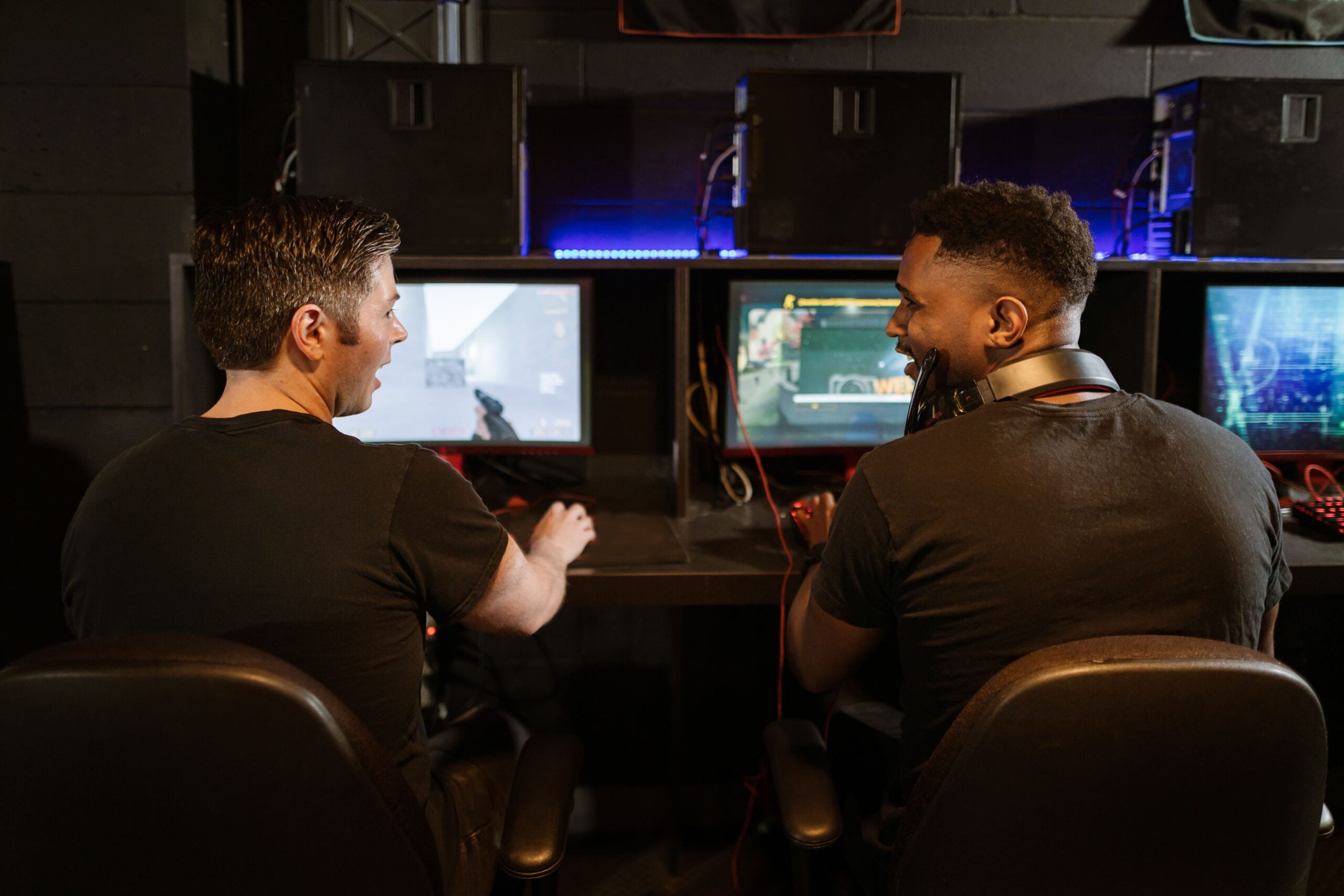
Why is every game suddenly begging you to bring a friend? People just want to hang out, plain and simple. Games like Peak, Lethal Company, and Among Us aren’t really about winning; they’re about the stupid stuff that happens when you’re trying to win with your buddies.
Moving from solo experiences to shared chaos changes everything from your Steam library to the social casino apps on your phone. Co-op is suddenly everywhere. And the numbers prove it’s not a fluke. It’s relentless.
The Friendslop Phenomenon Is Reshaping What Games Even Are
According to Alinea Analytics, Peak has sold nearly 10 million copies since its June release. Concurrent players hit 170,759 in mid-August. R.E.P.O already reached 10 million, and now the top three new Steam games are all co-op: R.E.P.O, Schedule I, and Peak.
Aggro Crab art director Galen Drew calls these “weirdo social games” built around hanging out with friends. It’s the expressiveness of character movement and silly actions, all a vehicle to make your friends laugh, he said. Mechanics serve the social experience.
The term “Friendslop” emerged online and stuck because it captures the core: fun comes from stupid stuff and mistakes, Drew explained. It’s a game where you’re all dumb idiots trying something complicated and failing is the funny part.
Steam co-op games generated $4.1 billion in the first half of 2025, a record for the genre, per analyst Rhys Elliot. Michael Chu of Treehouse Games noted more co-op options than ever but a growing audience seeking gaming as their top hangout.
If you want more party boardgames that are similar to this, check out some of them on this year’s list for the best cooperative titles to try with your crew. Games like Cards Against Humanity, Exploding Kittens, and Herd Mentality ranked high for 2026.
Social Casino Games Are Tapping Into the Same Vibe
If you’re curious which platforms do this well, you can check Casino.org for a list of sweepstakes games that details game selection and redemption requirements, and the field is expansive, with operators using the dual-currency model of Gold Coins and Sweepstakes Coins to keep players locked in.
The same social principles, shared experiences, social pressure, and collective wins that power friendships are baked into these platforms.
According to Content Editor Kristian Medina, “Assuming that you can claim the daily login bonus regularly, players can collect a notable amount of SC over the course of a year.” That delivers hours of daily fun for players and their buddies.
Social casino games on mobile have quietly become some of the most monetizable apps. Statista’s dossier shows they consistently rank among top-grossing mobile categories worldwide. Users spend heavily on in-app purchases, and global revenues from 2014 to 2026 show steady growth.
Just like a friends-only game of Peak requires you to shout at a friend who’s forgotten the rope, a social casino depends on you being part of a community. Statista even shows that some of the top-earning titles in the mobile casino world owe their success to social gameplay.
As with most current video games, spending quality time with your friends has almost become the default. Whether you’re scaling an in-game mountain together or battling each other to be at the top of a leaderboard, you are sharing a common experience with another person (or 3 other people).
These figures offer a perfect case study in how, within the social casino model, the engagement-enhancing attributes of collective play and competition translate into bottom-line results.
What Makes Social Features Stick
- Shared failure creates shared memories, just ask anyone who’s watched their friend fall off a cliff in Peak
- Leaderboards turn solitary play into community competition
- The “one more round” feeling comes from wanting to see what your friends will do next
- Social pressure isn’t a bug, it’s the feature that keeps people engaged
From 90s Game Nights to 2025’s Social Boom
Remember the 90s living room scene? The Catan board spread across the table, with someone hoarding all the sheep while the others screamed about trade deals.
That sense of collaboration and haggling, well, that’s pretty much what designers are playing off of. It’s not just the nostalgia for board game nights that hooked people in; it’s that sense of someone wanting you to do well.
The roots of this friends-and-social-casino culture? Your friendly, classic board games. Those 90s board games still make appearances in living rooms all around the U.S. People decided long ago that the experience was far better when we did things together rather than individually.
From 10 million sales for Peak, the four billion dollars splashed into the co-op market, and consistent, steady rises of social casino gaming, it’s all a connected thread: Co-op design works because humans want to connect.
Even if the platforms move on – from Steam to mobile to the actual table – our desire for shared fun never goes away. That’s the future of social gaming.
