Together at the Table: Why Cooperative Board Games Are the Ultimate Choice for Game Night

There is that one specific moment every board gamer dreads: an epic, four-hour session is nearing its end, a single wrong move ruins a friend’s strategy, and suddenly a freezing silence blankets the room. The loser sulks, the winner feels awkward, and the hard-earned vibe is completely ruined.
I know this all too well—we’ve all experienced nights cut short by an overly fierce, cutthroat competition. That is exactly why my heart now belongs almost exclusively to games where we either celebrate together or go down in flames as a team.
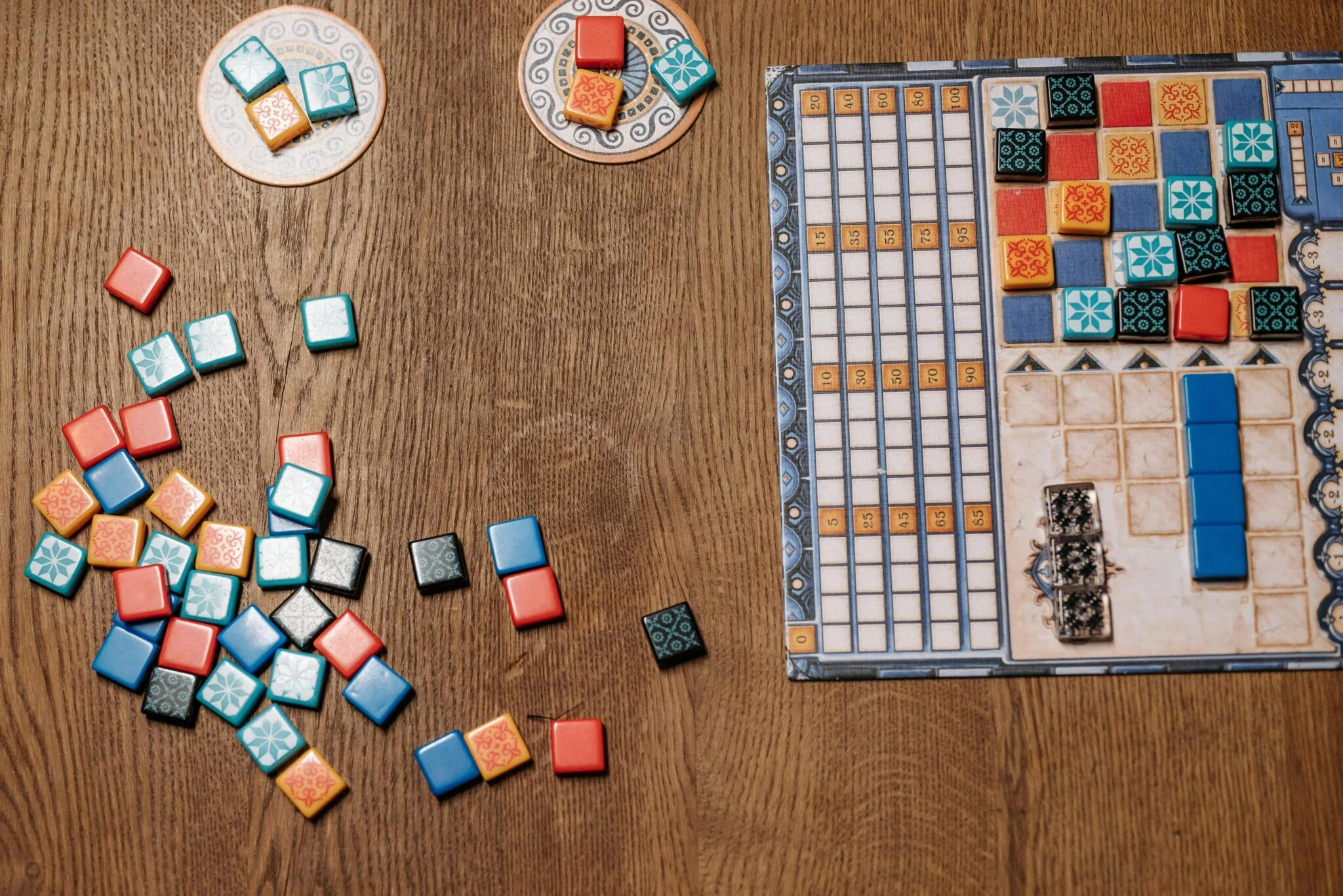
Cooperative board games have completely turned the market upside down over the last few years, and for good reason. They transform the table into a shared command center.
Anyone who has ever spent a gripping evening hammering out the perfect strategy knows that the most intense emotions don’t come from crushing your friends—they come from saving them.
To get a deeper look into current media trends and reviews surrounding modern entertainment platforms, it’s well worth checking out the comprehensive Radaronline review, which shows just how dramatically user behavior has shifted in the leisure sector.
Yet, while digital options often focus on quick, solitary rewards, cooperative board games pull us back into real, analog interaction.
The Psychology of Shared Triumph
Why does fighting the system together fascinate us so much? The answer lies rooted in evolutionary psychology. Our brains are hardwired to solve problems in groups.
When we face a virtual threat on a game board—be it a global pandemic, a sinking island, or a tricky criminal case—our bodies release a massive hit of dopamine upon success. The best part? This triumph feels twice as intense because it’s shared.
An excellent example of this phenomenon is the modern classic Pandemic. The game generates a palpable pressure from the very first minute. Infection rates spike, outbreaks threaten to overrun the board, and the clock ticks down relentlessly.
The “Alpha Player” Effect and How to Break It
A frequent criticism of cooperative setups is the so-called “Alpha Player” problem—a dynamic where one dominant player dictates what everyone else should do on their turn.
However, modern game designers have solved this issue brilliantly by introducing mechanics centered around hidden information or intense time pressure.
- Real-Time Pressure: Games like Kitchen Rush utilize sand timers. Nobody has the time to boss others around because everyone is frantic managing their own actions.
- Communication Bans: In The Mind, speaking is completely forbidden. Players must develop a purely intuitive feel for each other’s timing.
- Asymmetric Roles: When every player possesses exclusive abilities that are vital to the team’s survival (like in the classic Shadows over Camelot), every single opinion at the table becomes indispensable.
Mechanics Matchup: Open vs. Hidden Cooperation
Not every cooperative game runs on the same engine. The tabletop world draws a clear line between purely harmonious concepts and those that inject an element of suspicion.
| Game Type | Core Mechanic | Notable Examples | Thrill Factor |
| Pure Cooperation | All information is out in the open; the team fights united against the game’s AI. | Pandemic, Robinson Crusoe, Legends of Andor | High (Strategic depth and communication take center stage) |
| Traitor Games | One or more players secretly work against the group while pretending to be team players. | Dead of Winter, Battlestar Galactica, Nemesis | Extremely High (Paranoia and psychological bluffing dominate) |
In my own gaming group, hidden cooperation often leads to the loudest, most memorable nights. The constant second-guessing (“Why did you discard that specific card? Are you actually helping us?”) adds a theatrical element that a standard competitive game just can’t replicate.
The importance of transparent mechanisms and honest feedback in these types of group dynamics is echoed by organizations like the Center for Educational Assessment (IQB), which highlight the value of collaborative learning and shared problem-solving. Cooperative games, fundamentally, are just highly entertaining team-building sessions right in your living room.
My Saturday Test: When the System Catches You Cold
The Testing Experience
I wanted to see if an old, unforgiving heavyweight like Robinson Crusoe could still grip us after all these years. We set up the infamous second scenario: “The Cursed Island.” Our goal was to build a massive wood pile while trying to survive the harsh approaching winter.
Right around round 4, disaster struck: a sudden weather flip destroyed half our shelter, and my character, the Cook, was limping through the jungle with a mere two hit points left.
In a competitive game, I would have been left behind as dead weight. Instead, our Carpenter sacrificed his entire action phase to build me a makeshift roof and gather food.
The result: We won the scenario on the very last round with literally the final roll of the dice. The relief at the table was physically tangible. We high-fived like we had just won the championship.
These are the kinds of stories a classic game of Monopoly never tells. They are tales of last-second rescues that keep you talking about the game night for days afterward. For more deep dives into successful game nights, feel free to explore our board game archive at coopboardgames.com.
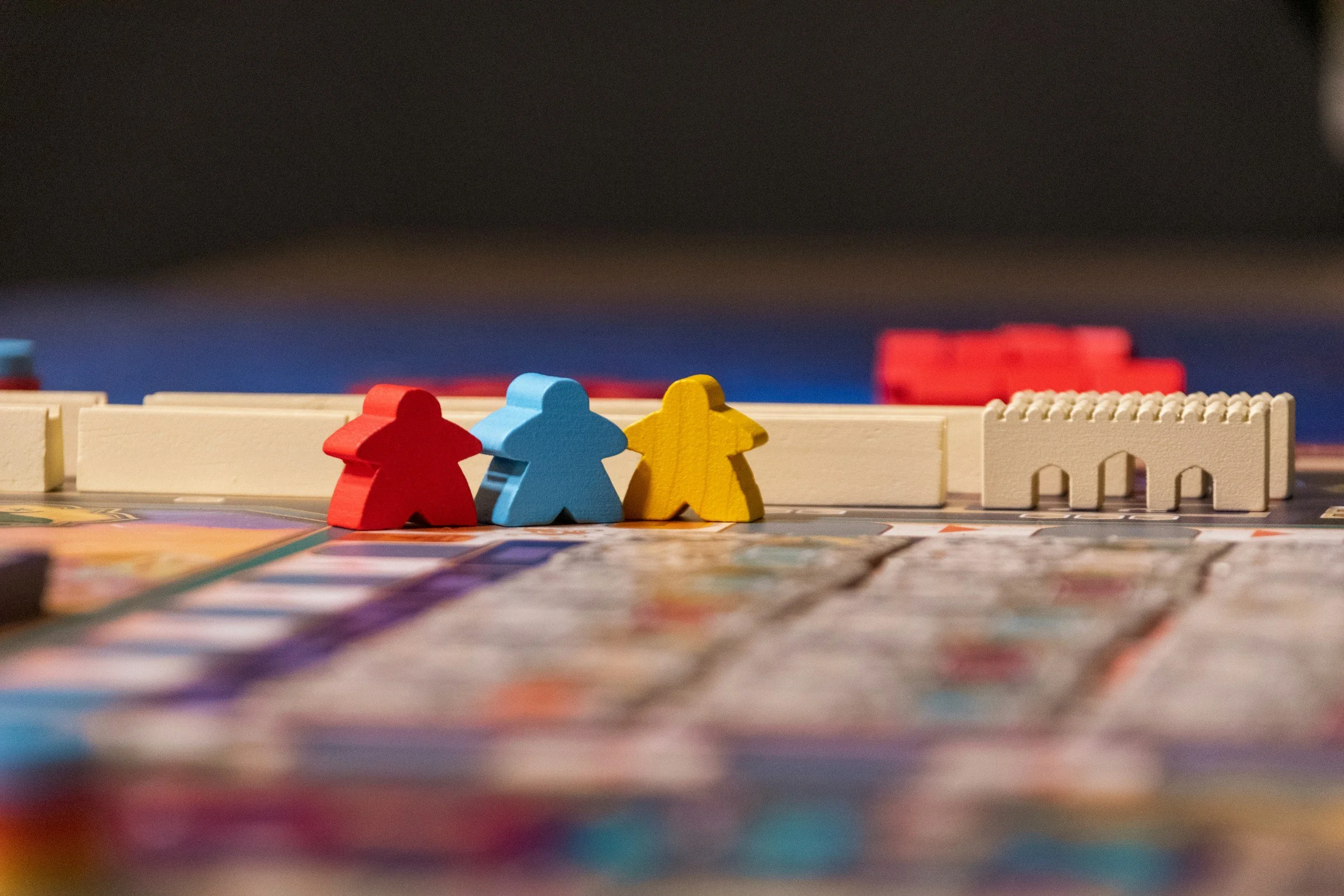
Why the Tabletop Future is Cooperative?
The trend lines are pointing straight up. People are increasingly looking for leisure activities that move away from direct confrontation within their social circles. In a world that can already feel dominated by performance pressure and a dog-eat-dog mentality, a cooperative game night offers a safe harbor.
Here, you are allowed to make mistakes because the team catches you. You get to learn your friends’ strengths in a whole new light—who keeps a cool head in a crisis, and who comes up with the brilliant, unconventional ideas?
The Verdict: Co-op games are the ultimate glue for any gaming group. They take the sting out of losing and multiply the joy of winning.
Once you experience the rush of bringing a seemingly impossible game mechanic to its knees through flawless teamwork, you won’t be rushing back to old-school tabletop warfare anytime soon.
Gaming involves risk. Please play responsibly and only wager what you can afford to lose. If you feel playing is becoming a problem, please visit counseling resources like BeGambleAware.org.
