What MMORPGs Can Learn From Cooperative Board Games?

At first glance, a cooperative board game and a large MMORPG seem to have little in common. One might take place around a table with cards and tokens, while the other unfolds across a persistent digital world. Yet both genres depend on the same basic ingredient: players making decisions together.
The Core Idea
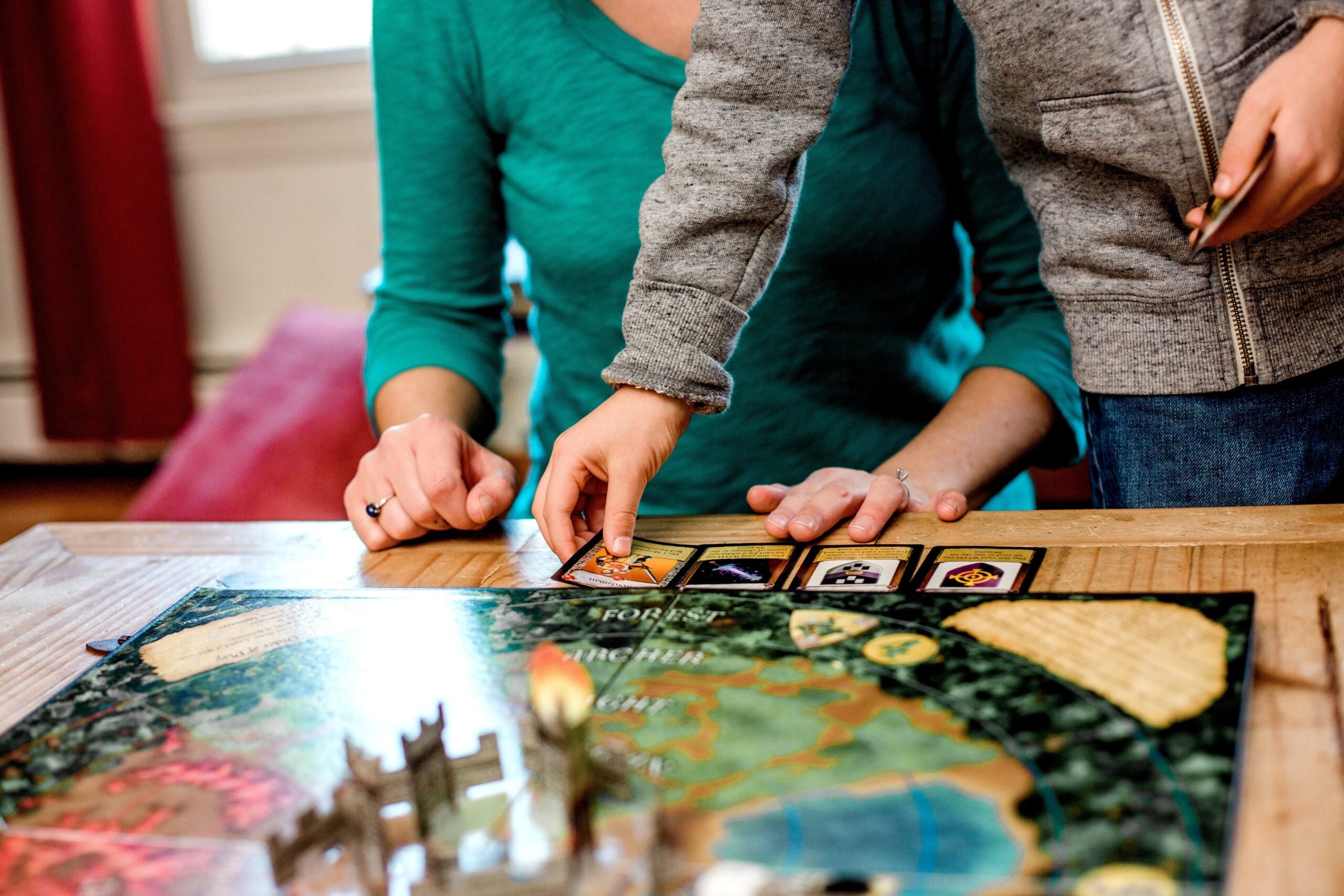
In a cooperative game, the group usually has one objective. Everyone needs to understand what matters most and decide how to spend limited actions or resources.
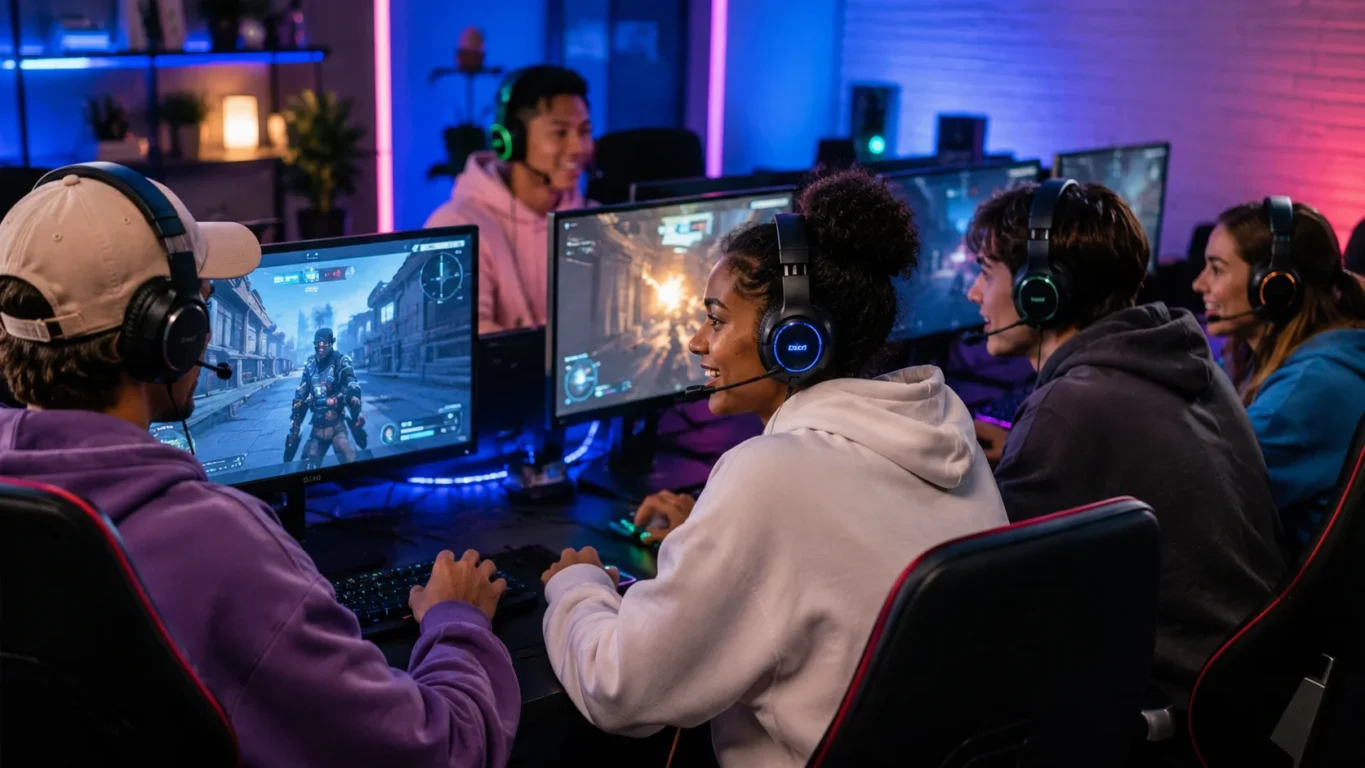
MMORPG groups work in a similar way. A raid or dungeon succeeds when players coordinate individual strengths around a shared goal.
Why It Matters?
Good cooperative board games give players different abilities. One character might heal, another defend, and another specialize in damage. MMORPGs use the same principle through tanks, healers and damage dealers.
A Practical Example
A fury warrior bis setup illustrates the individual side of this equation. A player can optimize equipment for their character, but that optimization only becomes meaningful inside a group where positioning, target priority, interrupts and survival all matter.
The Player Perspective
One of the most interesting similarities is that the strongest individual move is not always the best team move. A player might sacrifice personal damage to handle an important mechanic or use utility that allows another teammate to perform better.
How Good Decisions Are Made?
Cooperative board games frequently use limited actions, cards or tokens. MMORPGs use cooldowns, health, mana, rage and other resources. The underlying question is the same: when should a resource be spent, and when should it be saved?
Common Mistakes
Both genres also reward repeated play. After several sessions, players begin to recognise patterns. They know when a dangerous event is likely, which abilities should be saved and which mistakes are most costly.
A Better Approach
Even when a player is searching for the best equipment setup, group context matters. The most effective character is not simply the one with the best theoretical statistics. It is the one that can reliably perform its role in the actual encounter.
Why This Still Matters?
The distance between a cooperative board game and an MMORPG is smaller than it first appears. Both reward communication, planning, role specialisation, resource management and learning from repeated attempts. That shared structure is part of what makes cooperative play satisfying across different forms of gaming.
