What Co-Op Board Games Teach You About Winning as a Team (Even in Online Raids)

Co-op board games are honest. You cannot blame matchmaking. You cannot hide behind “bad teammates.” If the team loses, it usually happens for one clear reason: the group failed to coordinate, plan, or communicate under pressure.
That same team logic applies to online co-op games too—especially MMOs with dungeons, raids, and structured group content.
Communities like SimpleBoost exist because many players want a cleaner, more organized path through difficult co-op challenges.
But whether you are playing a board game at the table or running a raid online, the core skills that make teams win are surprisingly similar.
This article is a practical guide to those skills—written for co-op board game fans first, and then mapped to online group play.
1) A “Quarterback” Isn’t Bossy—It’s Necessary
Most co-op groups need someone to keep the plan moving. That does not mean one person dominates the table. It means someone:
- keeps track of the objective
- calls out timing windows
- reminds the team of the next step
- prevents panic decisions
In games like Pandemic or Spirit Island, the strongest groups usually have one player who naturally holds the structure. The best leaders do it calmly. They ask questions. They summarize. They do not lecture.
How this translates to online co-op:
In raids and dungeons, a simple “leader role” prevents chaos. You do not need voice chat or a strict hierarchy. You need a plan and one person willing to say, “Next pull is dangerous, save cooldowns.”
2) You Win by Preventing Problems, Not Reacting to Them
In co-op board games, losses often happen because you reacted too late:
- too many outbreaks
- too many threats left unchecked
- too many turns spent fixing emergencies
Strong co-op teams “play ahead.” They plan for what will happen in two turns, not what is happening now.
Online version:
Good groups use defensive tools early, not late. They interrupt the dangerous cast before it goes off. They move before the mechanic lands.
This is one of the biggest gaps between average and strong teams: average teams play in reaction mode. Strong teams play in prevention mode.
3) Shared Information Wins Games
Co-op games punish teams that keep information in their head. When someone says nothing and then acts, the group loses context.
Winning groups do the opposite:
- they announce intentions
- they share what they see
- they call out risks
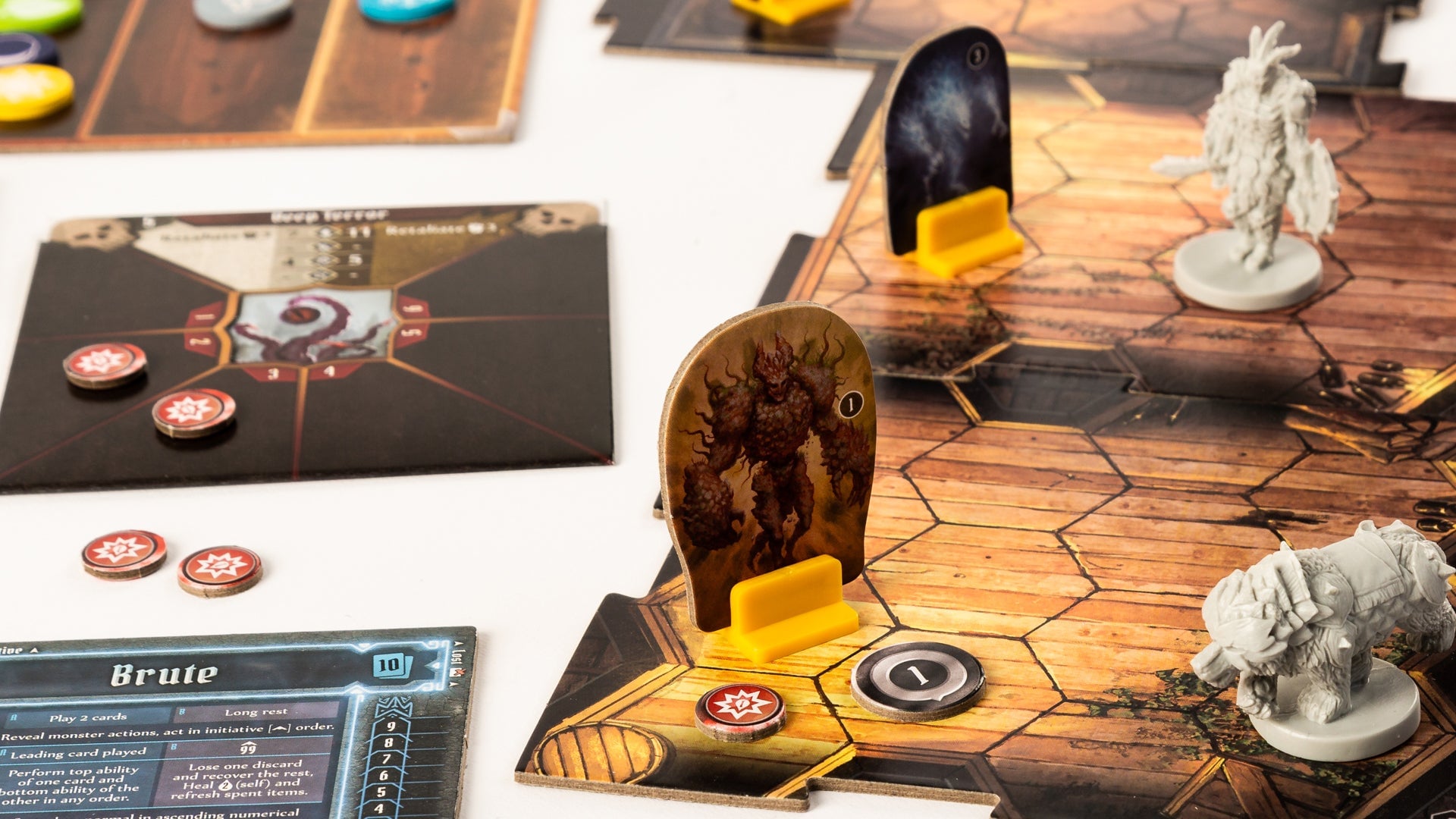
In Gloomhaven, it is the difference between “I’m doing something” and “I can stun this target, so you can go big next.”
Online version:
Even small callouts matter:
- “I have the next interrupt.”
- “I’m using a defensive here.”
- “Save cooldowns for the next pack.”
A team that shares information feels smooth. A team that does not feels random.
4) A Simple Plan Beats a Perfect Plan
Co-op board gamers love optimization. But you already know what happens when you overthink: analysis paralysis. The best groups keep it simple. They execute a plan that is “good enough” and adapt when needed.
Online version:
The best dungeon route is not the one that looks perfect on paper. It is the one your group can execute consistently without wiping.
That is why many high-level teams run “boring” strategies. Boring clears content. Chaos does not.
5) Everyone Needs a Job
A lot of co-op games become easier when roles are clear:
- one player focuses on controlling threats
- one player focuses on resources
- one player focuses on objectives
- one player focuses on risk management
When everyone tries to do everything, nothing gets done well.
Online version:
This is why group content works when roles are defined:
- who interrupts what
- who uses big cooldowns on which timing
- who handles which mechanic
You do not need to overcomplicate it. You need one sentence before the pull that stops overlap.
6) The Best Teams Review Without Blaming
After a loss in a co-op board game, great groups ask:
- “What did we miss?”
- “What should we do differently next time?”
Weak groups ask:
- “Who messed up?”
That single difference changes everything. It keeps the table fun. It also increases your win rate.
Online version:
The best raid teams fix one issue at a time:
- “We need better interrupts here.”
- “We need to spread faster on this mechanic.”
- “We need to save defensives for the overlap.”
They do not spiral into blame. They make one adjustment and pull again.
7) Energy Management Is a Skill
In co-op board games, long sessions expose fatigue. People stop tracking the board. They miss simple threats. They make sloppy decisions.
Great groups build breaks naturally and keep sessions stable.
Online version:
This matters in raids and long dungeons too. A five-minute reset can prevent an hour of tilt. A tired group becomes a messy group.
If you want consistent progress, protect your energy.
8) Co-Op Is Supposed to Feel Cooperative
This might sound obvious, but it is worth saying: the point of co-op is the shared win. The best groups build an environment where people can speak up, ask questions, and make mistakes without getting attacked.
That culture is why co-op board games feel good.
Online version:
The best MMO groups create the same vibe:
- clear plan
- calm communication
- steady pacing
- no drama
You can still play seriously. You can still push difficult content. You just do it without turning it into a stress machine.
Conclusion
Co-op board games reward the same skills that win tough online group content:
- prevention over reaction
- shared information
- simple plans executed well
- clear roles
- blame-free review
- energy management
If you love co-op, you already understand what makes teams strong. The next time your group hits a wall—at the table or online—try fixing the team habits first. You will be surprised how fast progress follows.
