What Board Games and Casual Slots Have in Common

You might not think a quiet evening playing Catan has much in common with spinning reels on your phone. But sit with that idea for a second.
Both pull you in with the same basic promise: a little luck, a few decisions, and that satisfying rush when things line up just right.
The gaming world is broader than most people realize, and the threads connecting tabletop nights to casual digital play are surprisingly tight.
The Luck-and-Strategy Sweet Spot
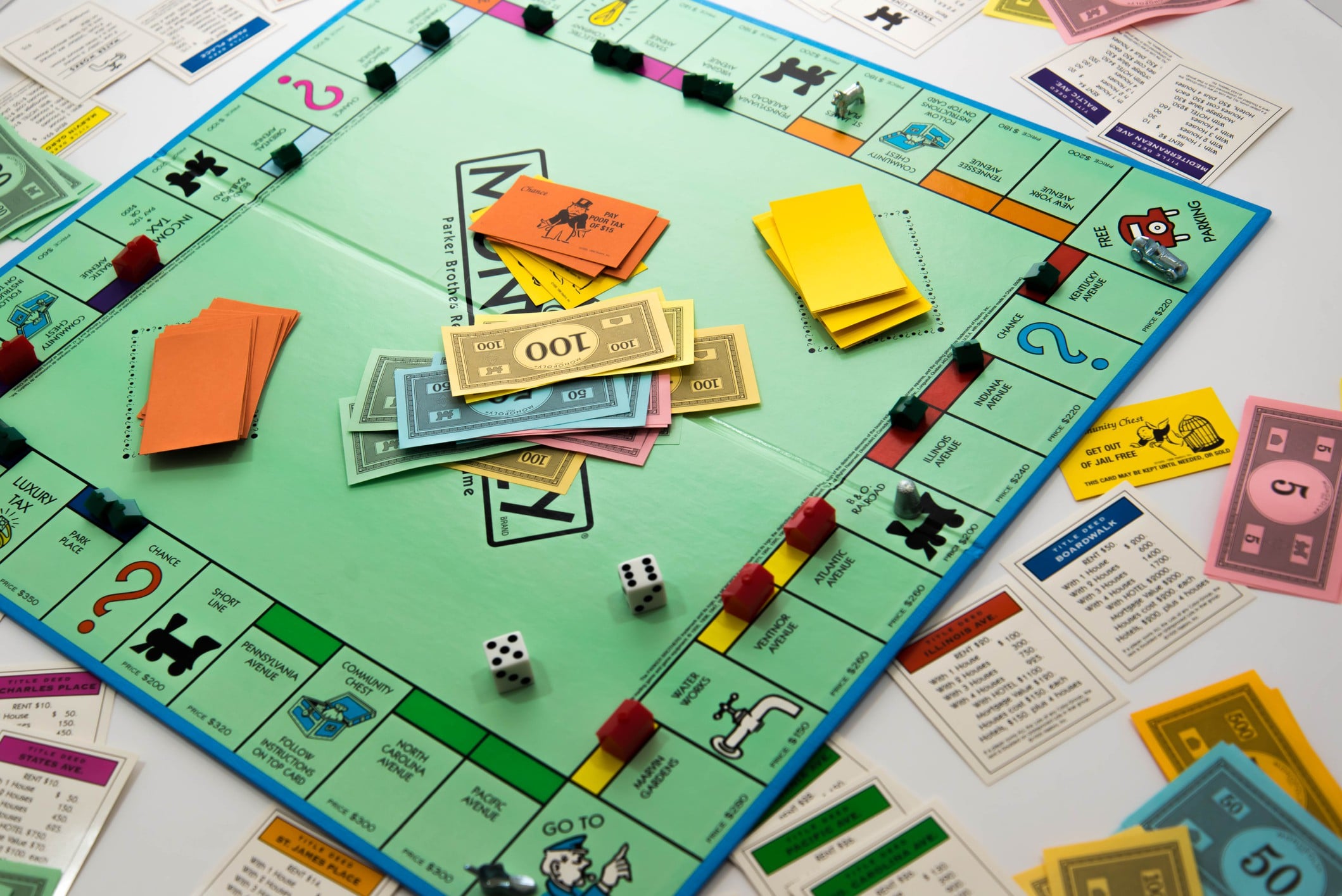
Board games thrive on tension. You roll the dice, draw a card, and suddenly your whole plan shifts. That unpredictability is what keeps people coming back to titles like Ticket to Ride, Camel Up, or Wingspan. You can’t fully control the outcome, but your choices still matter. There’s always a decision to make, and that decision always carries a little risk.
Casual slots work on a surprisingly similar principle. Sure, the mechanics are simpler on the surface. You tap, the reels spin, symbols land.
But the hook is identical: controlled randomness mixed with anticipation. Your brain doesn’t really distinguish between waiting for a dice roll and watching symbols cascade into place. Both trigger that little dopamine spark, the one that makes you say “one more round”.
And honestly? Both formats have gotten much better at rewarding the player’s attention over the years. Modern board games layer in bonuses, unlockable scenarios, and branching campaign paths.
Casual slots now feature themed rounds, progression systems, and mini-games that feel more like a proper game night than a repetitive loop. The gap between these two worlds keeps shrinking, and players on both sides barely notice because the fun just feels natural.
Why Nostalgia Keeps Pulling Us Back?
There’s something else tying these worlds together, and it’s emotional. Board games carry nostalgia by design. Monopoly reminds you of rainy afternoons. Clue reminds you of family holidays. That warm, familiar feeling is powerful, and casual slot designers know it well.
That’s exactly why you’ll find board game aesthetics showing up in social slots more and more. If you’ve ever spent a few minutes on such platforms between game nights, you probably noticed it already.
The vibe is closer to unwinding with friends than anything else. No real money involved, just that same kind of low-stakes, feel-good engagement you get when someone pulls out a card game after dinner.
The crossover makes sense when you think about it. Both formats rely on visual storytelling, reward systems, and familiar hooks to keep players engaged.
They’re not competing with each other. They’re borrowing notes from the same playbook. The delivery method changes, but the feeling doesn’t.
Simple Rules, Deep Engagement
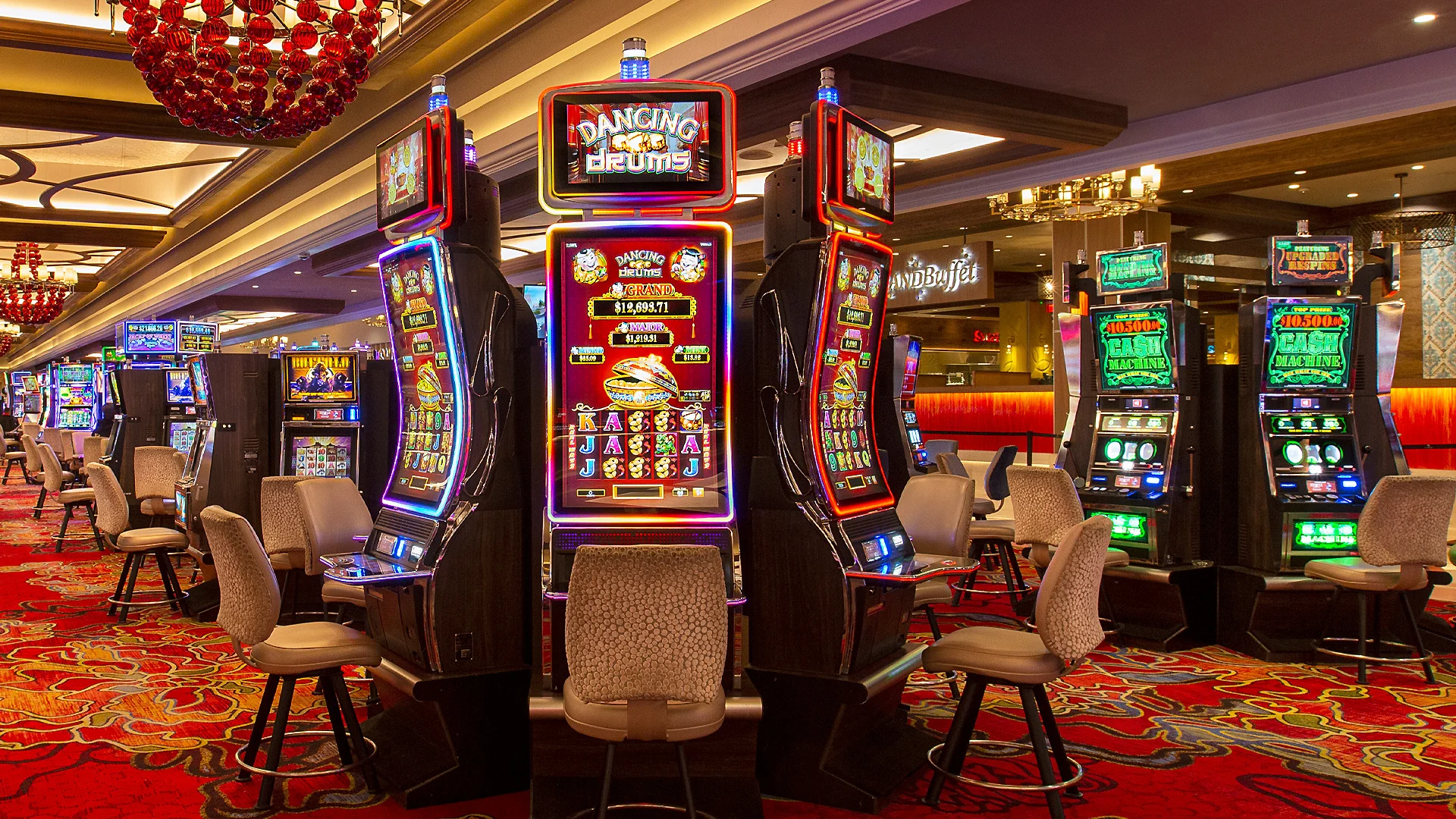
Here’s what really connects the two at their core: accessibility. The best board games in 2026 are the ones that take five minutes to learn and still feel fresh after twenty plays.
Titles like Sky Team and Bomb Busters win awards because they respect your time while still delivering meaningful choices. Casual slots follow the same philosophy. Low barrier, high replay value.
Nobody wants to read a forty-page rulebook on a Tuesday night. And nobody wants to figure out complicated systems just to kill fifteen minutes on a commute.
Both genres succeed because they meet the player where they are. Quick to start, easy to understand, and satisfying enough to keep you coming back.
There’s also the social angle. Board games have always been about gathering people together. Game nights are booming, board game cafes are popping up in cities everywhere, and cooperative play is having a real moment. Casual slots have picked up on that energy too.
Many now include social features, leaderboards, and shared challenges that make the experience feel less solitary. You’re not just spinning reels alone. You’re part of a community, comparing progress, sharing moments, and keeping each other engaged.
Two Sides of the Same Coin
So next time you’re shuffling cards at the kitchen table or tapping through a few spins on your lunch break, notice the overlap. The bright colors, the building anticipation, the small victories that feel bigger than they should. Board games and casual slots aren’t as far apart as they seem.
They both understand something fundamental about why people play: it’s not just about winning. It’s about the experience.
The surprise of a lucky draw, the satisfaction of a pattern clicking into place, the simple joy of doing something fun without overthinking it. Different formats, same instinct. And that instinct isn’t going anywhere.
