
Volatility in Game Design: From Dice Rolls to Bonus Buys

Volatility is one of those words that sounds technical, maybe even cold. In reality, it describes something every player feels.
It’s the swing.
The moment when everything changes on a single roll, draw, or spin.
Whether you’re gathered around a table rolling dice in a cooperative board game or watching reels spin in an online slot, volatility shapes the emotional rhythm of play.
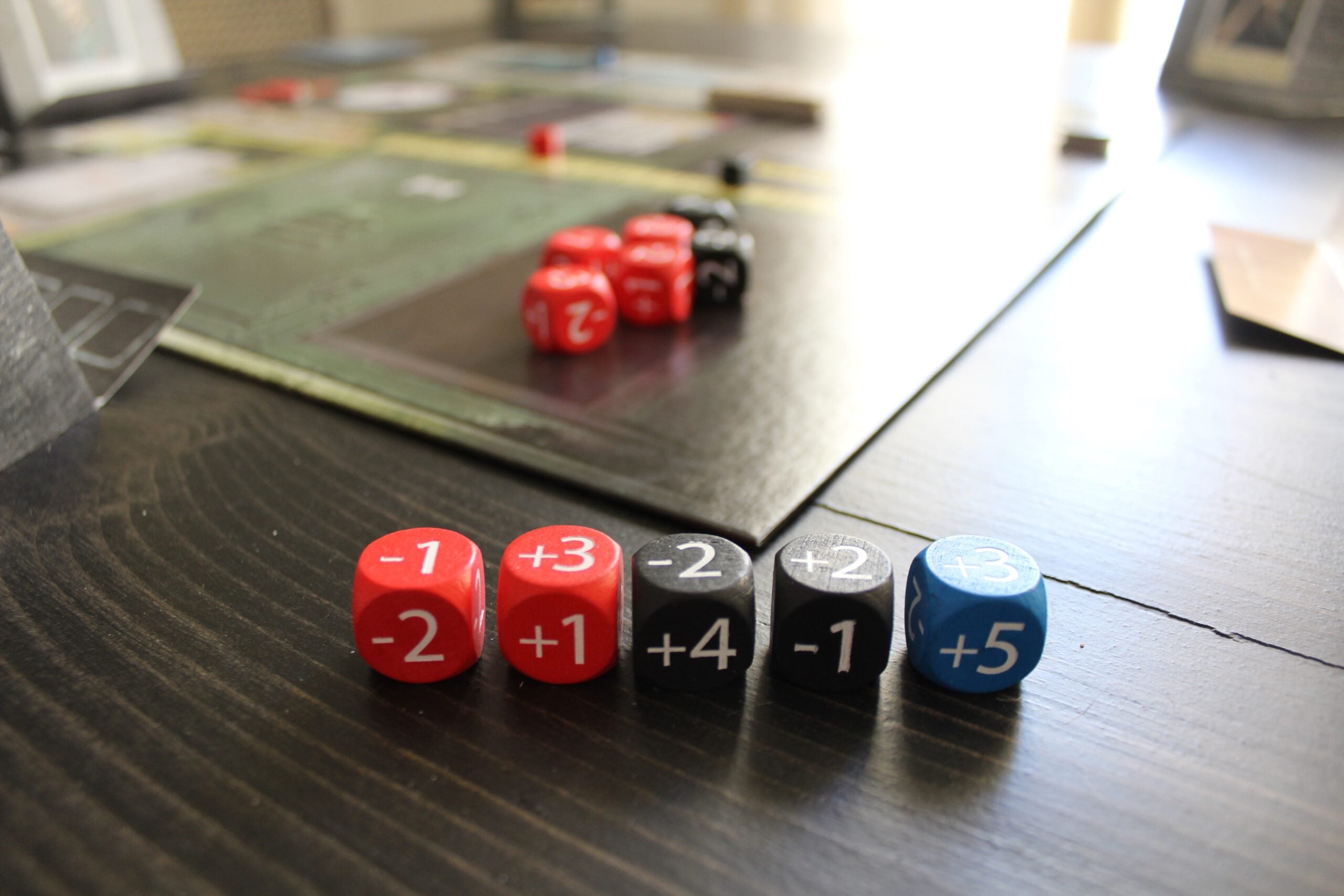
Dice Rolls and Dramatic Swings
In tabletop games, volatility often shows up through dice. You line up the perfect move. The plan is solid. Then the dice land.
Success feels earned. Failure feels sudden.
Designers manage this by adding cushions. Rerolls. Modifiers. Team abilities. In cooperative games, especially, players work together to soften bad luck. The volatility remains, but it’s shared. The group absorbs the shock.
That’s an important detail. Variability creates tension, but teamwork smooths the extremes.
Low Swing, High Swing
Some games aim for steady progression. Outcomes shift gradually. Setbacks sting, but they rarely derail everything at once.
Others lean into dramatic spikes. A single card draw might trigger a cascade. A failed roll might cost the mission. These are high-volatility moments. They raise heart rates. They create stories.
Players often know what they’re signing up for. A dungeon crawler promises chaos. A tight strategy game promises control.
Volatility becomes a design choice, not an accident.
Slots and Structured Volatility
Online slots use the same principle, but the math is more formal. Developers classify games as low, medium, or high volatility. That label tells players how payouts are structured.
Low-volatility slots pay smaller amounts more often. High-volatility slots pay less frequently but can deliver larger wins.
Then there are bonus buy features. Instead of waiting for a bonus round to trigger through random play, players can pay a set amount to activate it immediately. It’s a concentrated form of volatility – a deliberate jump into the most dramatic part of the game.
As the gambling community Casinogrounds explains: “You are paying extra to get better access to the special features that a slot offers. Therefore, it is important that the bonuses appeal to you so that you will feel happy making the additional investment”.
From a design perspective, it’s risk acceleration. You skip the slow build and head straight to the spike.

Emotional Design vs. Financial Risk
The mechanics may resemble each other. A boss fight triggered by scarce resources in a board game has echoes of a bonus buy in a slot. Both compress tension into a single, decisive moment.
But there is a clear boundary.
In tabletop games, volatility reshapes the narrative. In gambling, volatility reshapes your balance. That difference carries weight.
One is entertainment risk. The other is financial risk.
Why Volatility Matters?
Without volatility, games feel flat. Too much of it, and they feel unfair. The craft lies in calibration.
Board game designers tune dice systems to create drama without chaos. Slot developers tune payout models to create excitement without breaking the math. Both are managing swings. Both are engineering anticipation.
Volatility is not about randomness alone. It is about how big the swings feel – and what those swings cost.
Whether it’s cardboard tokens or digital credits on the line, the design challenge remains the same: create tension, release it, and leave players wanting one more turn.
