
The Psychology Behind Making A First-Time Deposit At An Online Casino

Online casinos are not just trying to gain customers anymore, but to incentivize players to make their first deposit, which leads to retention and increased lifetime value.
You’ll see in this article that platforms rely on a few behavioral economics principles, such as reciprocity, sunk cost, the endowment effect and the foot-in-the-door consequence.
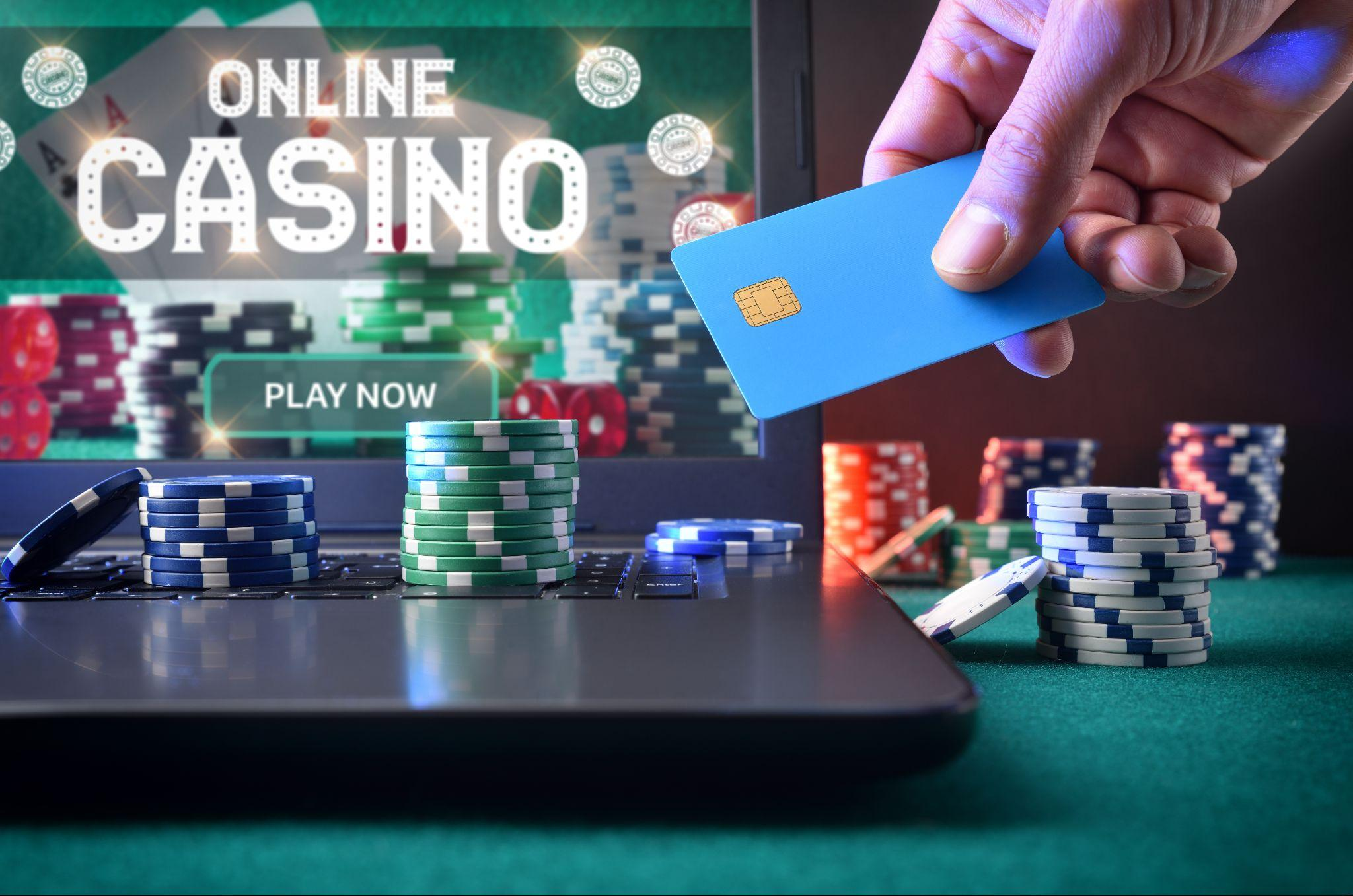
When you initiate your first deposit, that is the most critical moment in your gambling journey that will predict whether you’ll have a prolonged gambling experience on said platform.
A strategy that casinos use to remove friction is offering add card free spins, which ask you to register your payment method at the start of your journey.
In the following sections, we will discuss each economic principle, its relevance to gambling and how it psychologically affects players.
Reciprocity
When you’re creating an account on a gambling platform, you are signing a “contract” by agreeing to the terms and conditions. Apart from this, you engage in a reciprocal relationship with the casino: they grant you bonuses and rewards, and you deposit and play.
For instance, a 100% match bonus is a great example of this kind of reciprocity because you deposit $20 and get $20 back.
Remember that casinos want to increase their lifetime value, meaning how long the player stays and how much they enjoy the platform’s services while actually investing real funds. Reciprocity starts when the casino gives you an introduction into their services by providing a free spins bonus, for example.
The psychological effect is that you will be more likely to make your first deposit after already getting familiar with the platform and enjoying your experience.
Sunk cost
In short, sunk costs is the psychological tendency to continue investing time, money, or effort into something simply because you have already invested in it — regardless of whether continuing makes rational sense. The keyword here is fallacy: the resources already spent are gone either way, so they shouldn’t logically influence your next decision. But they do.
The psychological effect is that since you’ve already invested time, as a player, you’re reluctant to abandon the platform. Wasting your invested time can appear as a loss in your mind.

For example, you might have already verified your ID or added your card for verification. These steps can lead you to see them as an investment and, therefore, make a deposit.
Or, you’ve spent 30 minutes having fun with a set of free spins. Since you’ve already gained some funds and seen that winning is possible, you might want to make a first deposit.
This can also lead to chasing losses, which is a sign of gambling harm. It’s crucial to remember that gambling should be a source of fun and not something that you’re gaining an income from.
Endowment effect
To incentivize players, casinos will often make an initial investment themselves to ensure acquisition and retention. When players receive free spins that also offer real-money potential, the endowment effect kicks in, leading individuals to place a high value on that specific good.
This initial session lets the player try out the casino’s services and see if a future deposit is actually worth it. If a player has already enjoyed a no-deposit bonus upon registration, they are very likely to make a deposit as well.
There is lower commitment, while you’re still getting to enjoy a real money potential that can transform into a proper withdrawal. Through this, you’re also getting to enjoy a first withdrawal and see how this process goes as well.
Foot-in-the-door
Many online gambling platforms ask you to verify your email once you’ve gone through the registration process. For example, if you finish signing up, when you try to log in, you will get a pop-up that asks you to check your e-mail inbox and verify it. Otherwise, you cannot access the account.
Some online platforms will also not let you play any games unless you verify your email. You’ll also find that some bonuses are only possible to unlock after account verification, meaning that you need to provide your ID/driver’s license to ensure your age and credentials.
So, psychologically speaking, you’ve already got your foot in the door, so you might as well initiate a first deposit as well.
The effect of card registration
Many gambling sites require you to add a payment method or redeem free spins upon card registration. This is especially effective because it removes the friction and lets you deposit instantly after having fun for free.
While this is advantageous for the casino, as a player, it incentivizes you to make an impulsive deposit that requires only a few clicks. This is very harmful if you’re willing to engage in responsible gambling, since the impulse doesn’t really have many restrictions.
What you can do is simply add a deposit limit to your account right after you’re done registering. This will help you avoid overspending, even when you’re tempted.
Conclusions and playing responsibly
As we’ve discussed, many casinos will come up with strategies to incentivize you to make a first deposit. Remember that this shouldn’t be done impulsively, but only after you’ve familiarized yourself with the platform and are sure it will give you a real, suitable experience.
Set a deposit limit as soon as you’re done registering, and think carefully about whether you want to continue. Psychologically speaking, verifying your account or playing a set of free spins might make you feel as if the time is wasted if you don’t continue.
In reality, continuing your journey at a casino should be done responsibly, not to make up for any time spent!
