
The Hidden Rules Board Games Share With New Mobile Casinos

No good board game hands you a fifty-page rulebook and expects full comprehension by the time the first tile flips. The best designs drip-feed rules exactly when a player needs them, and mobile casino apps have massively adopted this process, sometimes better than modern board games manage it themselves.
The overlap is not by chance. Both formats are competing for the same scarce resource, a player’s patience in the first sixty seconds of contact with a new system.

A Fast Start Beats a Steep Learning Curve
Pandemic remains one of the cleanest teaching games in the hobby for a reason. Roles are handed out immediately, the win condition fits in one sentence, and the first turn starts within minutes of opening the box. That instinct did not stay confined to cardboard.
Plenty of digital games chase the exact same goal now, getting a new player to their first meaningful decision before curiosity has a chance to fade.
Complexity that arrives too early kills engagement before it ever gets the chance to build, and a tutorial buried three menus deep loses just as many players as a rulebook nobody bothers reading before the first game night.
Feedback matters just as much once the game is underway. A well-designed co-op game tells you immediately whether a move helped or hurt the group, a flooded tile in Forbidden Island is visible instantly and a depleted resource token in Pandemic is impossible to miss.
Digital interfaces lean on that same instinct constantly, resolving every action with immediate, unambiguous feedback, since uncertainty about what just happened is exactly where players tend to disengage.
Data collected on session length patterns across age groups shows just how quickly attention drifts once a system stops confirming its own outcomes clearly, regardless of whether the players involved are sitting around a table or holding a phone.
Pacing Decides How Long a Player Stays
Board game designers obsess over session length for good reason. A five-minute filler like The Mind gets played completely differently than a three-hour campaign box, and both need pacing built around how long players realistically want to sit. Digital platforms face the identical design pressure, just compressed into seconds rather than hours.
A round needs to resolve fast enough to fit a commute or a coffee break, with stopping points that feel natural rather than abrupt.
NN/G’s work on video game UX argues that standard interaction design heuristics apply to games just as firmly as they apply to any other piece of software, which is a tidy way of saying the pacing instinct was never unique to cardboard in the first place.
Randomness follows a similar logic once it enters the picture. Cooperative games rarely lean on pure luck, Pandemic’s infection deck is randomized, but the range of outcomes stays inside limits the designers control tightly, so a bad draw rarely feels arbitrary.
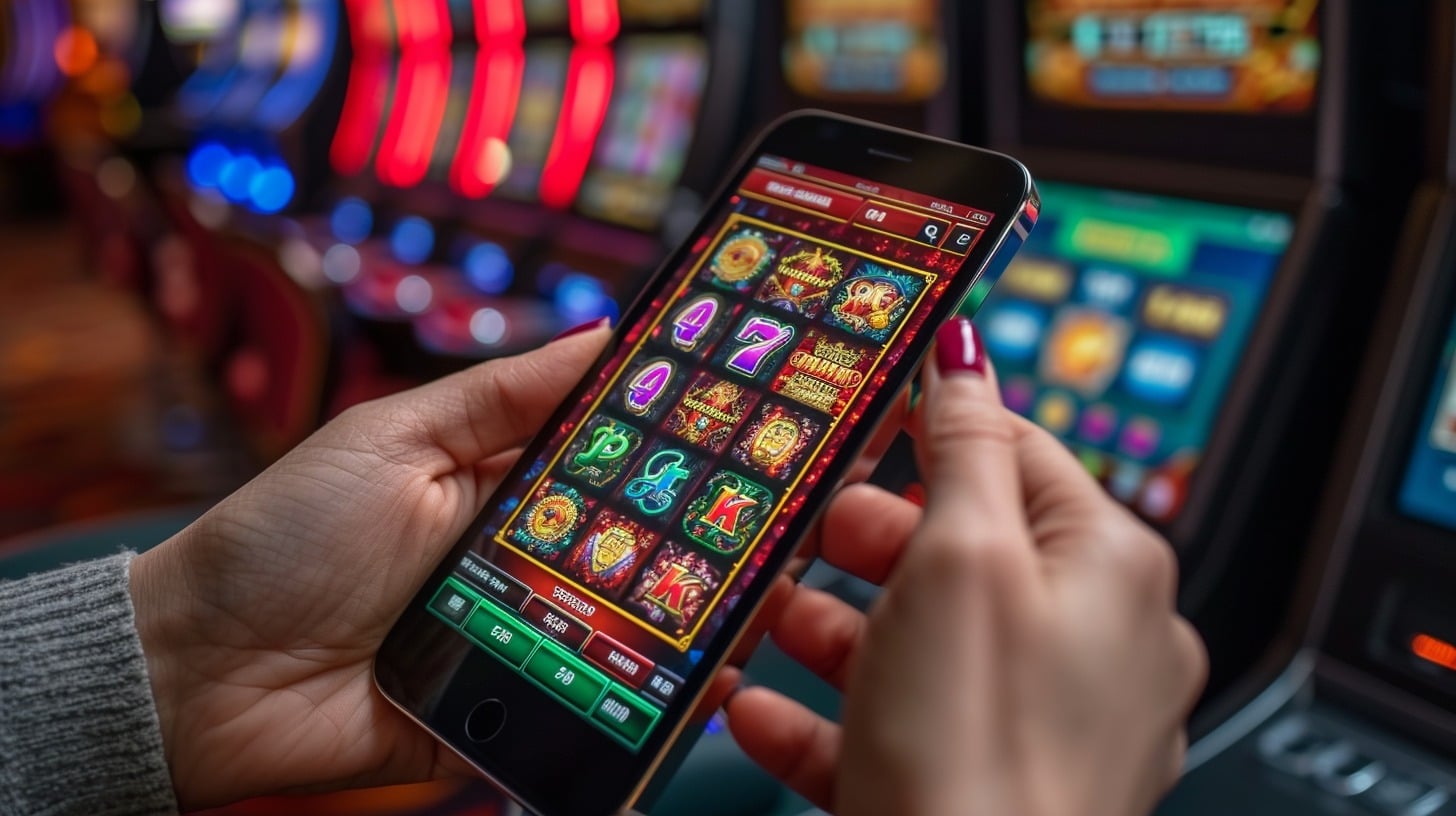
This logic consistently shows up across new mobile casino games, where return-to-player rates and volatility settings do the same job a card deck does at the table.
The randomness is real, but it lives inside a defined and communicated range rather than an open-ended one, and neither format works if the swings feel unbounded.
Two Different Hobbies Solving the Same Problem
Nobody sits down to Forbidden Island expecting it to resemble a mobile casino app, and the comparison would sound strange without looking closely.
But strip away the theming and both are chasing the same three things, a fast start, clear feedback, and a session length that respects how much time a player has.
A system that can spiral without limit stops feeling like a game and starts feeling like a trap, and designers on both sides of this comparison know it. Good design tends to converge, no matter what box it ships in.
