
The Best Cooperative Board Games for New Players in 2026

Getting into cooperative board games is one of the easiest ways to make game night feel welcoming. Instead of competing against each other, everyone works toward the same goal: escaping a sinking island, surviving a monster attack, solving a word puzzle or completing a mission before the game ends. That shared pressure is what makes co-op games especially good for new players, families and mixed-experience groups.
A good beginner guide should work like any useful comparison resource, whether it is reviewing family games, party games or even tested UK casinos: the value comes from explaining why each recommendation fits a specific type of reader, not just listing popular names.
For new board gamers, the best first co-op is not always the biggest or most famous box. It is the one the group can learn quickly, finish comfortably and want to play again.
What Makes a Co-op Board Game Good for New Players?
The best cooperative board games for beginners usually share a few traits. They have simple rules, clear turn structure, obvious win-or-lose conditions and enough teamwork to keep everyone involved. A new player should understand what the group is trying to do within the first few minutes, even if the strategy takes longer to master.
Playtime matters too. A 30- to 60-minute game is usually safer than a long campaign, especially for a first session. The game should also avoid giving one experienced player too much control.
In co-op gaming, this is often called the “alpha player” problem: one person tells everyone else what to do. The strongest beginner games give each player meaningful choices without overwhelming them.
Forbidden Island
Forbidden Island remains one of the safest entry points into cooperative board games. Players work together to collect four treasures and escape before the island sinks beneath them.
The goal is easy to understand, the theme is instantly clear, and the tension builds naturally as more locations disappear from the board.
It is also short enough for new players to try without committing an entire evening. The game works well for families, couples and casual groups because every turn feels useful.
One player might shore up a flooded tile, another might collect a treasure card, and another might move toward the escape point.
It teaches the basic language of co-op gaming: planning together, managing risk and deciding when to push forward or play safely.
Forbidden Desert
Forbidden Desert is a strong next step for players who enjoy Forbidden Island but want something with a little more pressure.
Instead of escaping a sinking island, the group is stranded in a shifting desert, searching for parts of a flying machine while managing heat, sand and movement.
The core appeal is that the board feels more dynamic. The desert changes around the players, forcing the group to adjust plans rather than follow a fixed path.
It is still accessible, but it asks for slightly more coordination and problem-solving. That makes it ideal for new players who are ready for a richer adventure without jumping straight into a heavy campaign game.
Just One
Just One is the easiest recommendation for groups that do not think of themselves as “board gamers.” It is a cooperative word-guessing party game where players give clues to help one person guess a mystery word. The catch is that duplicate clues cancel out, so the group has to think creatively without overthinking.
Its biggest strength is how quickly it gets people playing. There is no long rules explanation, no board state to manage and no complex strategy to remember.
It works at family gatherings, casual game nights and mixed-age tables because the fun comes from funny clues, surprising guesses and shared reactions. For players who feel intimidated by traditional board games, Just One is a very easy door into co-op play.
The Crew: The Quest for Planet Nine
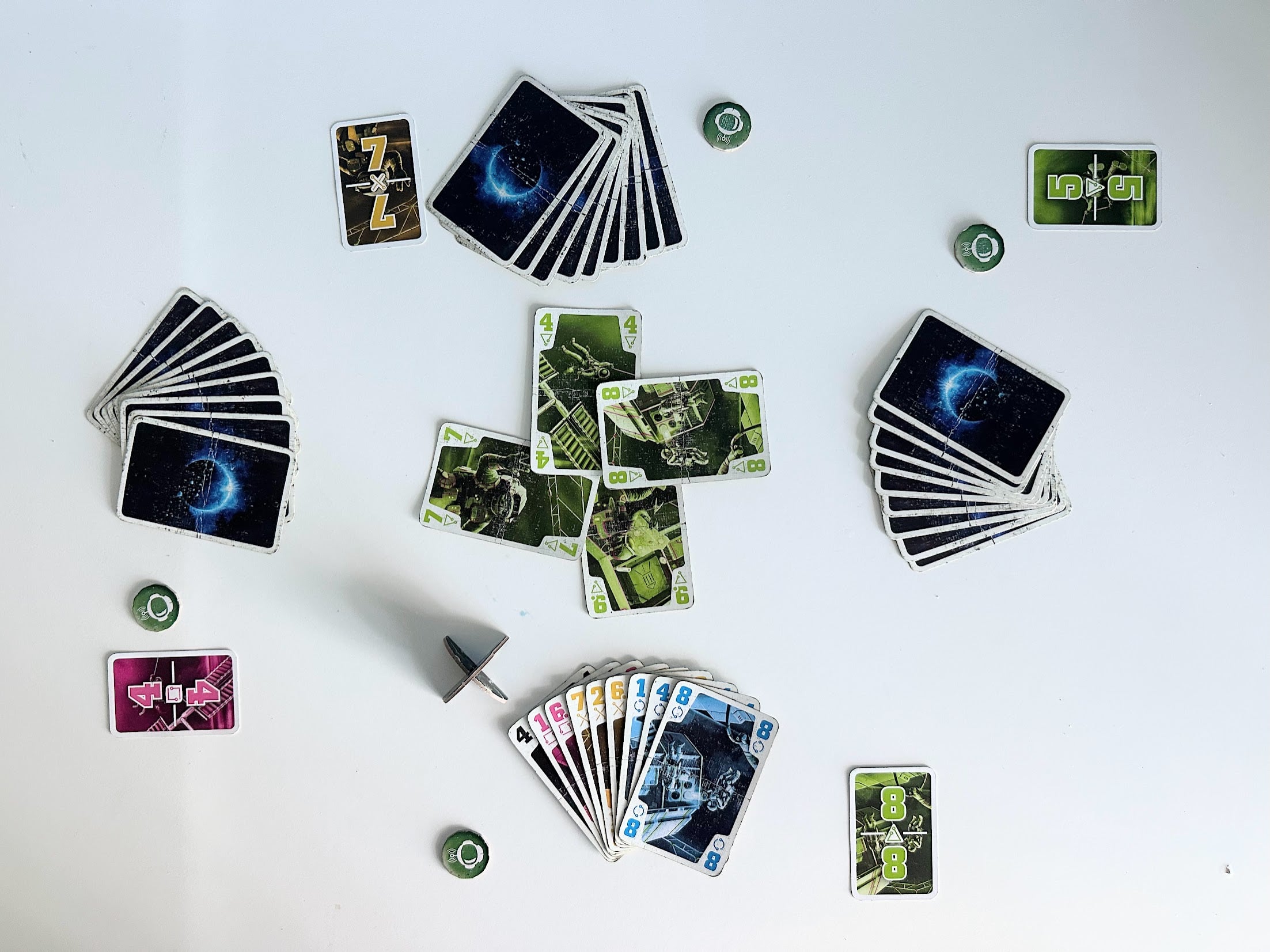
The Crew: The Quest for Planet Nine is one of the best choices for players who already understand trick-taking card games or who are willing to learn that style.
It turns a familiar card-game structure into a cooperative mission system, where players must win specific tricks under limited communication.
It is not the simplest game on this list, but it is one of the most rewarding once the table understands the rhythm. The missions start small and gradually become more demanding, which gives the game excellent replay value.
The limited communication also creates memorable tension. Players often know what they want to say, but the rules force them to express it through careful card play instead.
Horrified
Horrified is a good first co-op for players who want atmosphere, theme and table presence. Instead of abstract puzzles or simple card play, the group faces classic monsters, each with its own objective and threat. The result feels cinematic without becoming too difficult to teach.
The game’s strength is variety. Different monster combinations change the challenge, so players can adjust the difficulty and replay the game with a different feel. It is especially good for groups who want their first co-op experience to feel like a story rather than just a puzzle.
It has more rules than Forbidden Island or Just One, but the theme helps new players understand what they are trying to accomplish.
Zombie Kidz Evolution
Zombie Kidz Evolution is one of the strongest family-friendly co-op choices because it keeps the core game simple while adding long-term excitement.
Players protect a school from cartoon-style zombies, complete missions and unlock sealed envelopes that change the game over time.
That evolving structure is the key. Children get the satisfaction of learning a game quickly, but they also have a reason to return for another session.
New powers, goals and surprises make the game feel bigger without making the first play difficult. The zombie theme may not suit every child, but the presentation is light rather than grim, making it a practical choice for many family tables.
How to Choose the Right First Co-op Game?
The best pick depends on the group. If you want the safest first cooperative board game, start with Forbidden Island. If your group prefers talking, laughing and quick rounds, choose Just One.
If you want a slightly deeper adventure, try Forbidden Desert. If your table enjoys card games, The Crew is the better long-term choice.
If theme matters most, Horrified gives new players a more dramatic experience. For children and family replay value, Zombie Kidz Evolution is the strongest fit.
The mistake is looking for one universal winner. A great starter game is the one that matches the people at the table.
Beginner Mistakes to Avoid
New players often buy games because they are famous, highly ranked or recommended by experienced hobbyists. That can work, but it can also lead to a first game that is too long, too complex or too serious for the group.
Do not ignore player count, playtime or theme. A brilliant two-player game may not work for a family of five. A campaign game may be too much for a casual group.
A horror theme may not suit younger players. Start with what your group will actually enjoy, not what looks most impressive on a ranking list.
Final Verdict: Start Light, Then Level Up
The best cooperative board games for new players are not about proving how deep the hobby can be. They are about creating a smooth first experience: clear goals, shared decisions, quick engagement and a finish that makes the group want another round.
Start light, learn what your table enjoys, then level up. Forbidden Island, Forbidden Desert, Just One, The Crew, Horrified and Zombie Kidz Evolution all offer different ways into the genre. The right first choice is the one your group can understand, finish, and happily bring back to the table.
