When Board Games Meet Blackjack: The Best Co-op Games with Card-Counting Twists

There is that moment where you are holding your breath, waiting for the right moment to play your card. It’s not quite gambling, but it scratches the same itch blackjack does. We are talking about anticipation, calculation, and that silent hope that your teammate is on the same wavelength.
In some of these cooperative board and card games, that moment is the whole point of the game. These games have similar strategies to casino games like blackjack. It’s not exactly the same as placing chips, but if you’ve ever kept count at the felt during a blackjack game, you’ll recognize the thrill of tracking what’s been played and what’s coming next.
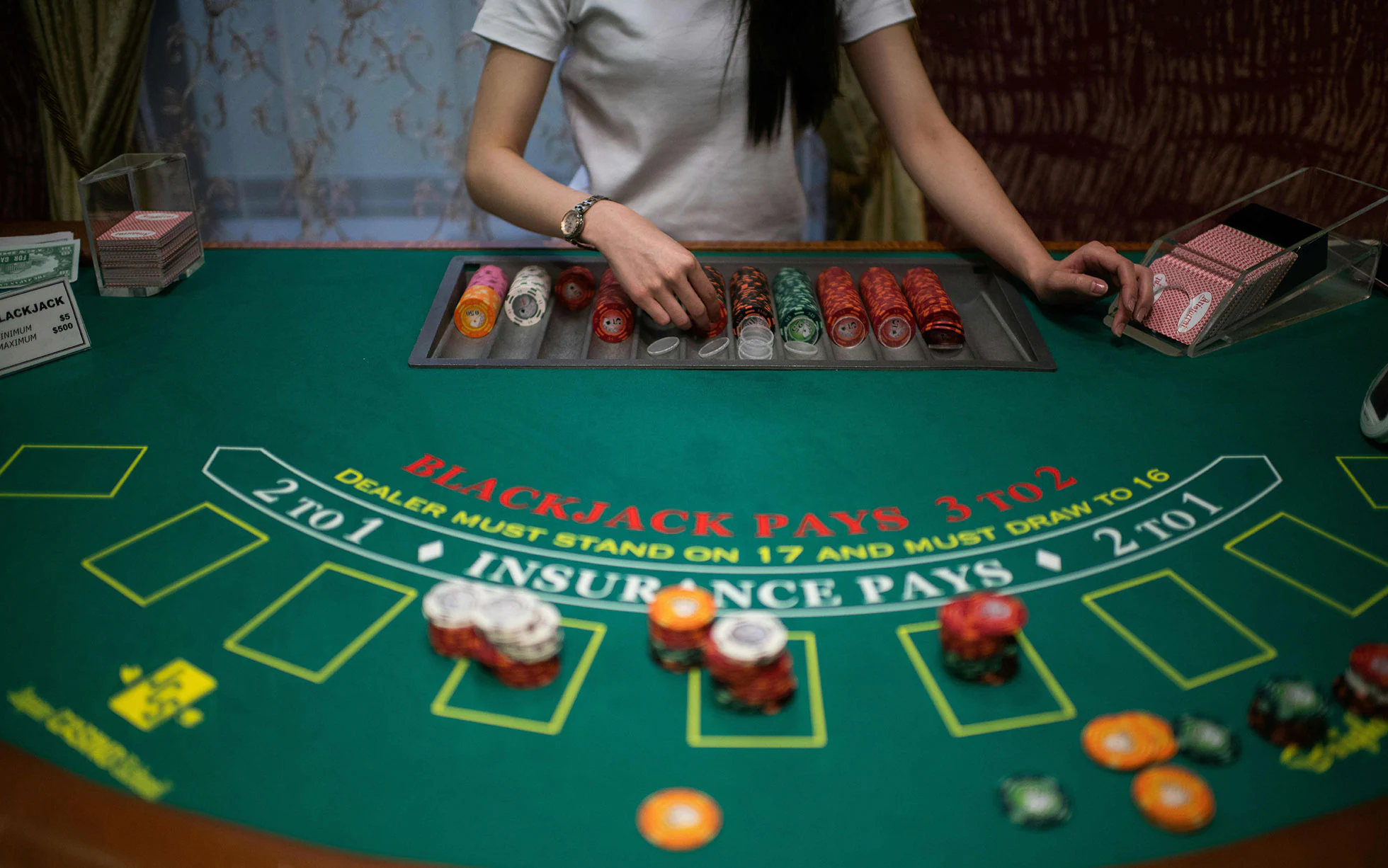
The best part? Well, in most cases, you are not battling each other; you are working together. You’re a table full of players, with one shared goal: to outsmart the deck, the scenario, or the clock. Just as in blackjack, where everyone is trying to outsmart the dealer with a few card-counting strategies.
In most of these games, it comes down to paying attention to what’s been played, what hasn’t, and what’s the probability still hiding in someone’s hand. In other words, it’s just like card counting.
Let’s dive deeper into these games that use similar strategies to Blackjack when it comes to counting cards.
The Mind
If you have never heard about “The Mind” and someone described this game to you, you might think they were joking. You all have numbered cards, and you just…play them in order without talking. That’s about it. No clues, no table talk, no sneaky signals.
But in practice, this game is a weird little masterpiece of human connection. Each round, everyone gets a hand of cards numbered from 1 to 100. The goal is to play them in ascending order without a single slip.
Sounds easy, right? Well, imagine you are holding a 42 and trying to guess if someone else is secretly sitting on a 41. This is where blackjack vibes creep in. You start to feel the tempo of the table, maybe you hold back, letting the moments tick by.
This is probably one of the best games that involves counting not just cards, but also numbers up to 100. So, if you are good with numbers, you should give it a try.
Hanabi
Next, we have Hanibi, which has a totally unique concept unlike any other game you’ve seen before. There is a reason why the New York Times recently mentioned this game in their article about best card games of 2025.
This is a game where you can see everyone else’s cards except your own. This game has Blackjack vibes all over it, since in that scenario, you don’t see the dealer’s cards, so you get the same anticipation feeling. Your hand faces the other players, meaning they know what you’ve got, but you don’t (and please don’t peek, it ruins the game).
Together, you’re building sequences of colorful fireworks, placing numbers in the right order for each color. But what’s the catch?
Well, you only give limited hints, and they can only be about all the cards of a certain number of colors in someone’s hand. So, instead of saying “ play your blue two”, you might hint, “these two cards are blue”, and hope they connect the dots.
The game is part deduction, part memory test, and part trust exercise. If you miss a clue and place the wrong “firework,” you might cost everyone valuable points.
Check our Hanabi card game review here.
The Crew: The Quest for Planet Nine
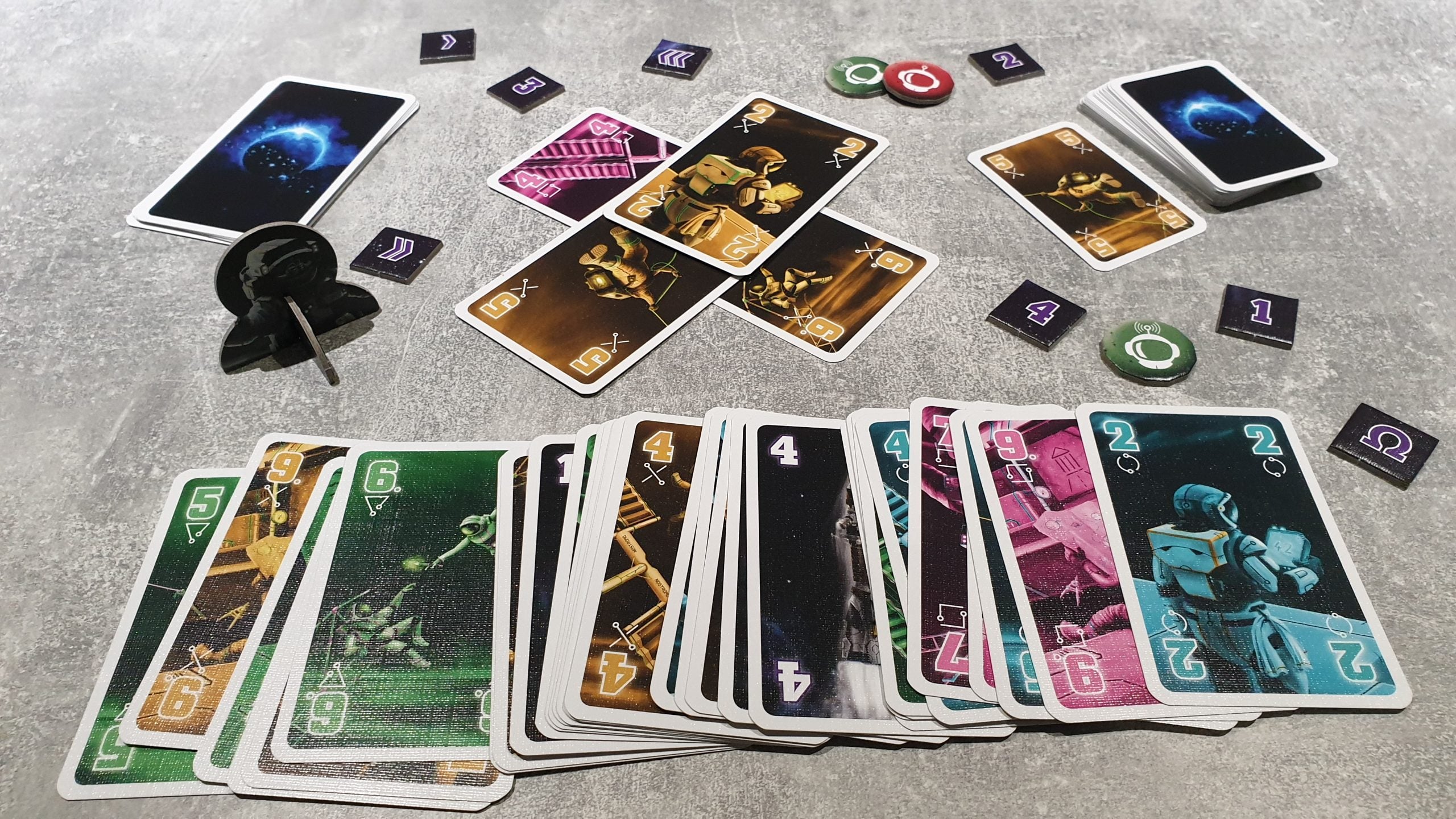
If you played games like Spades or Hearts, you know the basics of tick-taking. But The Crew is a game that flips this into a co-op mission format. Let’s explain.
Instead of trying to win as many ticks as possible, the table is given specific objectives (like making sure a certain player wins a tick with a specific card).
This means that you can’t just play your best hand; you have to manage the flow of the game so the right cards land in the right place. It is quite similar to blackjack, since card counting strategies have the same goal (waiting for a specific card for a specific hand). This is a game that’s all about planning, subtle communication, and of course, reading the table.
But it is not as easy as it sounds. As the missions tack up, the complications start. Then you have multiple objectives that you are juggling through, and you have to balance who plays when, and try to remember what’s already been played, kind of like a Blackjack strategy.
Timeline Twist
Timeline games are all about putting events in the correct chronological order. Timeline Twist keeps that DNA but makes it cooperative, adding layers of deduction and coordination. Players work together to position cards in the correct historical sequence, using only the information they have and the cards already on the table.
It’s less about numbers and more about pattern recognition, but you’ll still find yourself tracking what’s been played and mentally calculating the odds of an event fitting in a certain gap. For history buffs, it’s trivia meets strategy; for everyone else, it’s a surprisingly addictive test of logic and teamwork.
If you play enough of these games, you’ll start to notice something. They’re not just about cards. They are more about learning how your friends think, how to calculate probabilities, and essentially how to predict future outcomes, just like a Blackjack card-counting.
