From Tabletop to Tablet: How Cooperative Gamers Are Expanding Play Beyond the Board

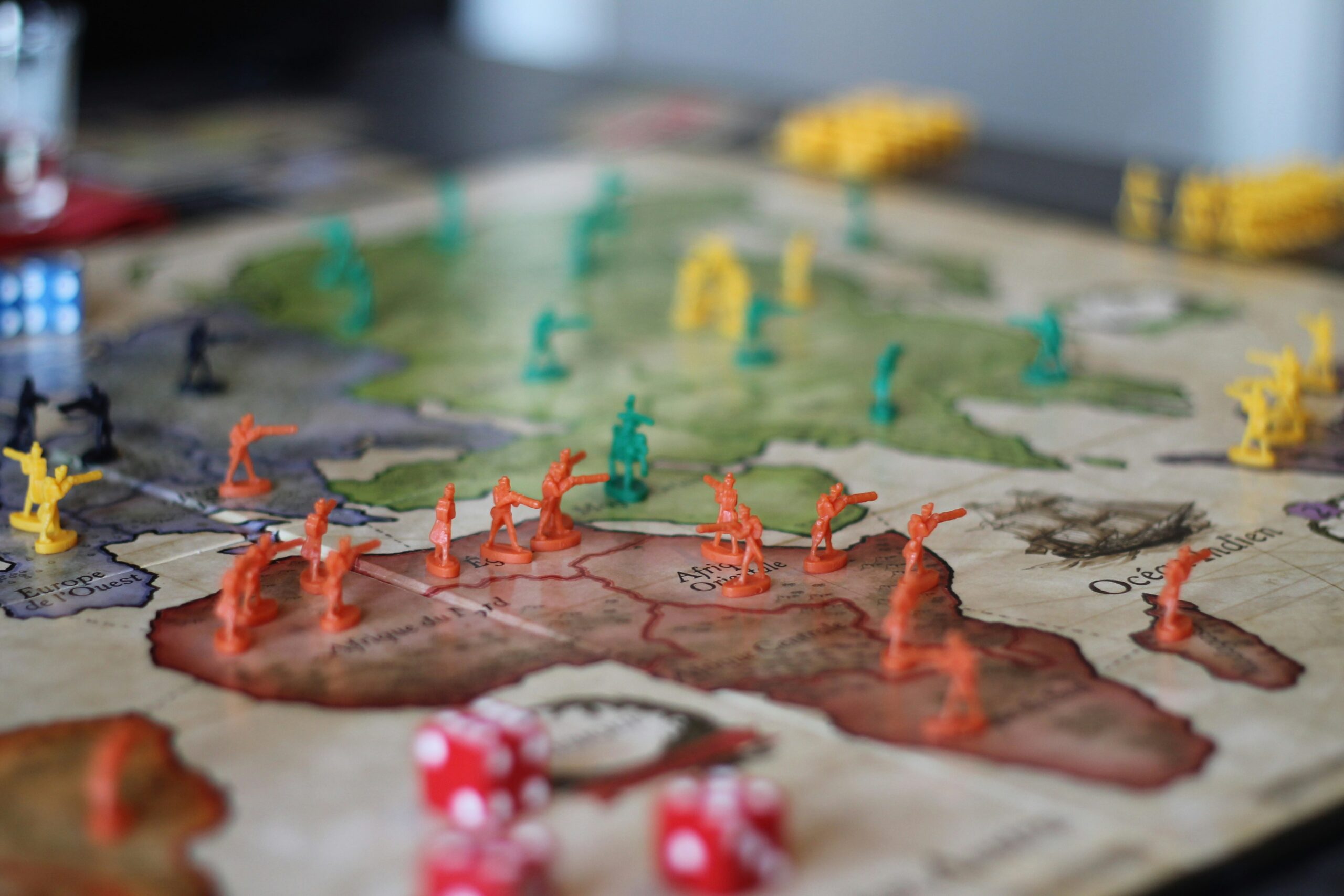
You sit down for one game, and two hours later nobody has moved. That same pull now shows up on your phone, in quick puzzles, and in the gaps between sessions. The table is still there. It just does not hold the whole experience anymore.
You already know how a good co-op session feels: everyone leans in. Someone spots a pattern. Someone else catches a mistake before it lands. It is not about winning on your own. It is about figuring things out together.
That same habit does not stay on the table anymore. It follows you onto your phone, into quick browser games, and into whatever you open between sessions. The tools changed. The thinking did not.
Cooperative Play Started Around the Table
Most co-op games are built on shared information. You are not hiding cards or bluffing. You are talking things through, testing ideas, and narrowing things down together. That rhythm shows up in older games as well, even when they were not designed as co-op from the start.
Clue is a good example. Every turn removes options and you track what has been shown, what has not, and what still fits. That process is simple on paper but gets sharper the longer you play.
The breakdown of that logic sits clearly in the Clue statistics and deduction patterns. You are not guessing but you are building a picture one piece at a time.
That way of thinking carries into modern co-op titles. You talk, adjust, and move forward together. Nothing fancy. Just clear decisions based on what everyone knows.
Digital Tools Are Extending That Same Thinking
You see the same behaviour when the table is gone. Someone pulls out their phone. A puzzle comes up. The group leans in again, even if it is just for a minute.
Word games are a good example. The structure is familiar. You test a word, get feedback, and refine the next guess. It is the same loop as a deduction game, just faster. Tools like Wordle solvers show that clearly. You plug in what you know and watch the options shrink.
The scale behind it is not small. Wordle alone passed 5.3 billion plays in 2024, with around 12 million people playing daily in 2025. That is not a niche habit. It is the same problem-solving mindset, just running on a screen.
The Market Is Growing Because People Want Shared Play
The numbers line up with what you see at the table- more people are playing, and they are not doing it alone.
The global board games market is expected to grow from $15.83 billion in 2025 to $39.34 billion by 2034, with a 10.7% annual growth rate. That kind of growth does not come from solo play. It comes from groups showing up again and again.
A second dataset puts the market at $17.22 billion in 2025, reaching $27.80 billion by 2030, with 8.3% annual growth. That same report shows adults making up around 49% of players, which explains why game nights look different now. It is not just families. It is friends, couples, and regular groups.
Co-op games sit right in the middle of that. They give people a reason to stay engaged without anyone getting left behind.
Digital and Physical Are Now Blending Into One Experience
The line between board and screen is not as clear as it used to be. You finish a session, and the conversation keeps going. Someone checks a rule. Someone looks up a strategy. Someone loads a quick game while waiting for the next round.
More than 60% of board game purchases now happen online in North America, which tells you where players are already spending time. Hybrid games are also showing up more often, with around 12% of new releases in 2024 built to work alongside apps or digital tools.
It feels natural because it is the same loop. You gather information, share it, and act on it. The tablet is not replacing the table. It is just another surface where the same habits play out.
Finding New Platforms Follows the Same Pattern
You see the same behaviour when players look for something new. Nobody jumps in blind. You compare options, look at what is on offer, and figure out what fits your group.
That process shows up clearly when people start discovering new online casinos in Canada. Casiono.ca ranks and compares casinos based on bonuses, game selection, and how quickly you can get in and out.
It is the same approach you use when choosing a new co-op game. What does it offer. How does it play. Will it hold up after a few sessions. The format is different, but the thinking stays the same. You are still weighing options before committing.
The Table Has Not Disappeared; It Has Expanded
Nothing about this replaces the table. People still meet up, still open boxes, still argue over the right move.
What changed is everything around it. The same group that plays together also solves puzzles on their phones, checks strategies between sessions, and looks for new things to try in the same way they always have.
The habit did not change. It just has more places to live now.
