Luck, Skill, and Everything In Between: How Board Games, Video Games, and Casino Games Really Compare

Somewhere around the third time my friend Mark pulled the exact card he needed out of a two-card window in Pandemic, someone at the table said, only half-joking, “this game is rigged.”
For about ten seconds, it kind of was. That’s the thing about board game night: you can play with the same four people every week and still end up arguing about how much of what just happened was actually up to anyone.
It’s a debate that comes up around any game, not just board games. Every game sits somewhere on a line between pure chance and pure skill, and figuring out where tends to say a lot about whether you’ll enjoy it, whether you’ll ever get meaningfully better at it, and whether losing feels like a lesson or just bad luck.
Where board games actually land?
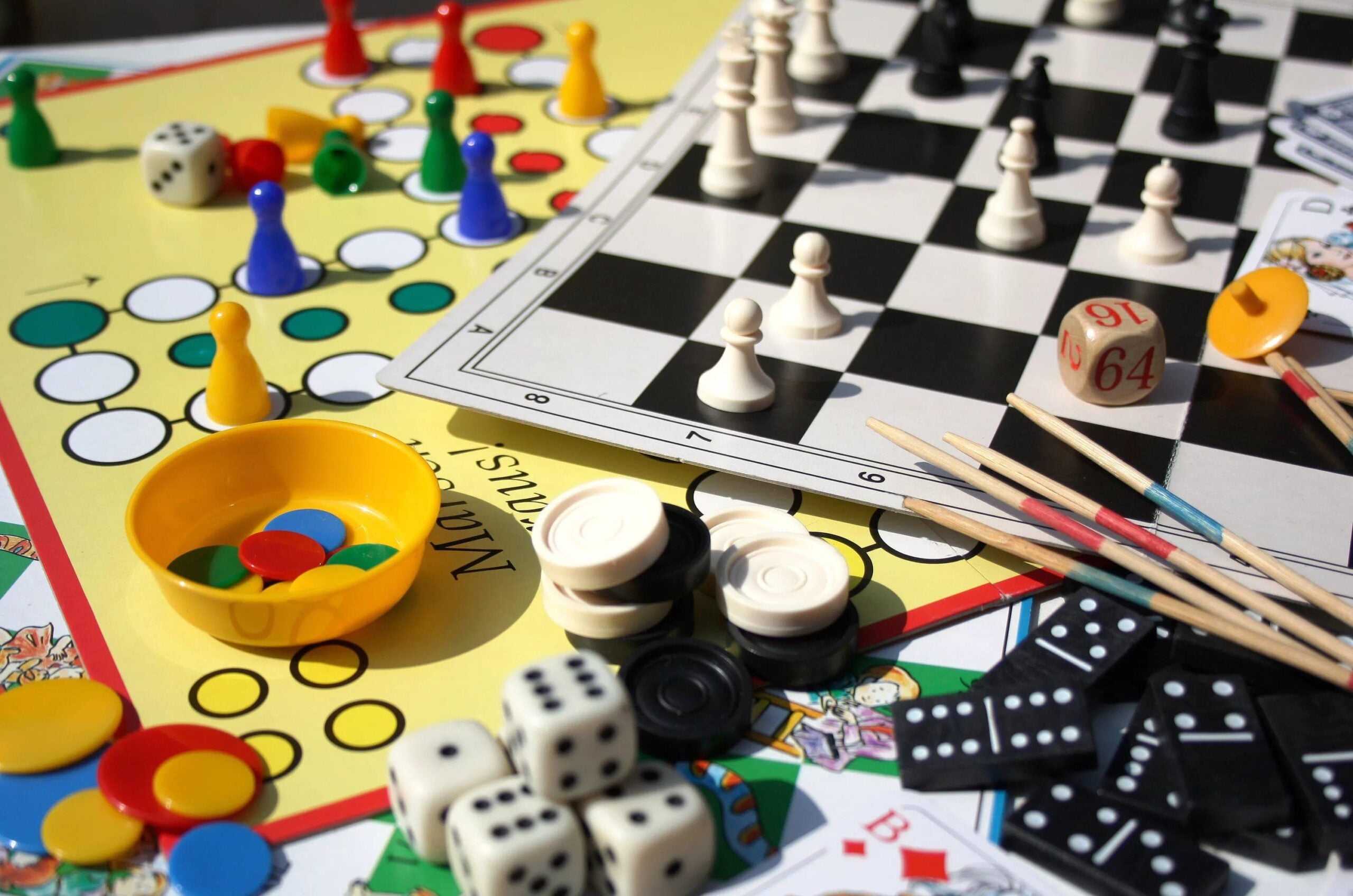
Board games get lumped together as one category, but the spread inside that category is enormous. Chutes and Ladders has no decisions in it at all: you spin, you move, and the result was decided before you sat down.
Chess sits at the opposite extreme as there are no hidden information, no randomness, nothing to blame but your own fourteen moves. Almost everything worth playing as an adult lives somewhere between those two poles.
Most modern co-op and strategy titles are built around what designers call “luck mitigation.” The dice roll or the card draw still matters, but the game hands you tools to mitigate bad outcomes: extra actions, card cycling, trading, information you didn’t have a turn ago.
That’s the whole reason a bad roll in Catan feels different from a bad roll in Sorry!: while in one, a decent trade usually gets you back in it, in the other, you just are just helpless.
Video games run the same spectrum, just faster
The exact same split shows up in video games. Competitive titles like League of Legends or Counter-Strike 2 are about as close to “pure skill” as gaming gets.
Matchmaking tries to correct for skill gaps, but a better player still wins the 1v1 the overwhelming majority of the time, and there’s very little room for luck to hide behind reaction time, positioning, and split-second decisions.
Then there’s the other end of the spectrum: gacha games. Titles like Genshin Impact and Honkai: Star Rail build randomness directly into progression, pulling for a character or weapon is, mechanically, a randomized reward system with a published (if often buried) probability behind it.
Our own breakdown of Genshin Impact’s player data gets into how much of the game’s entire economy is built around that pull system, which is worth a look if you’ve ever wondered why “pity counters” became such a normal part of gamer vocabulary.
Neither end of the spectrum is “better,” for what it’s worth. Some people play games specifically to be tested. Others play to be surprised. Most of us want a bit of both, which is why the middle of the spectrum stays so crowded.
Casino games run on the exact same rule — most people just never think about it that way
Here’s where it gets interesting. Casino games usually get talked about as one big undifferentiated category,”gambling”, but they follow the identical luck-to-skill logic as board games and video games. Slots are basically the Chutes and Ladders of the casino floor: no decisions, pure variance, over almost as soon as it starts.
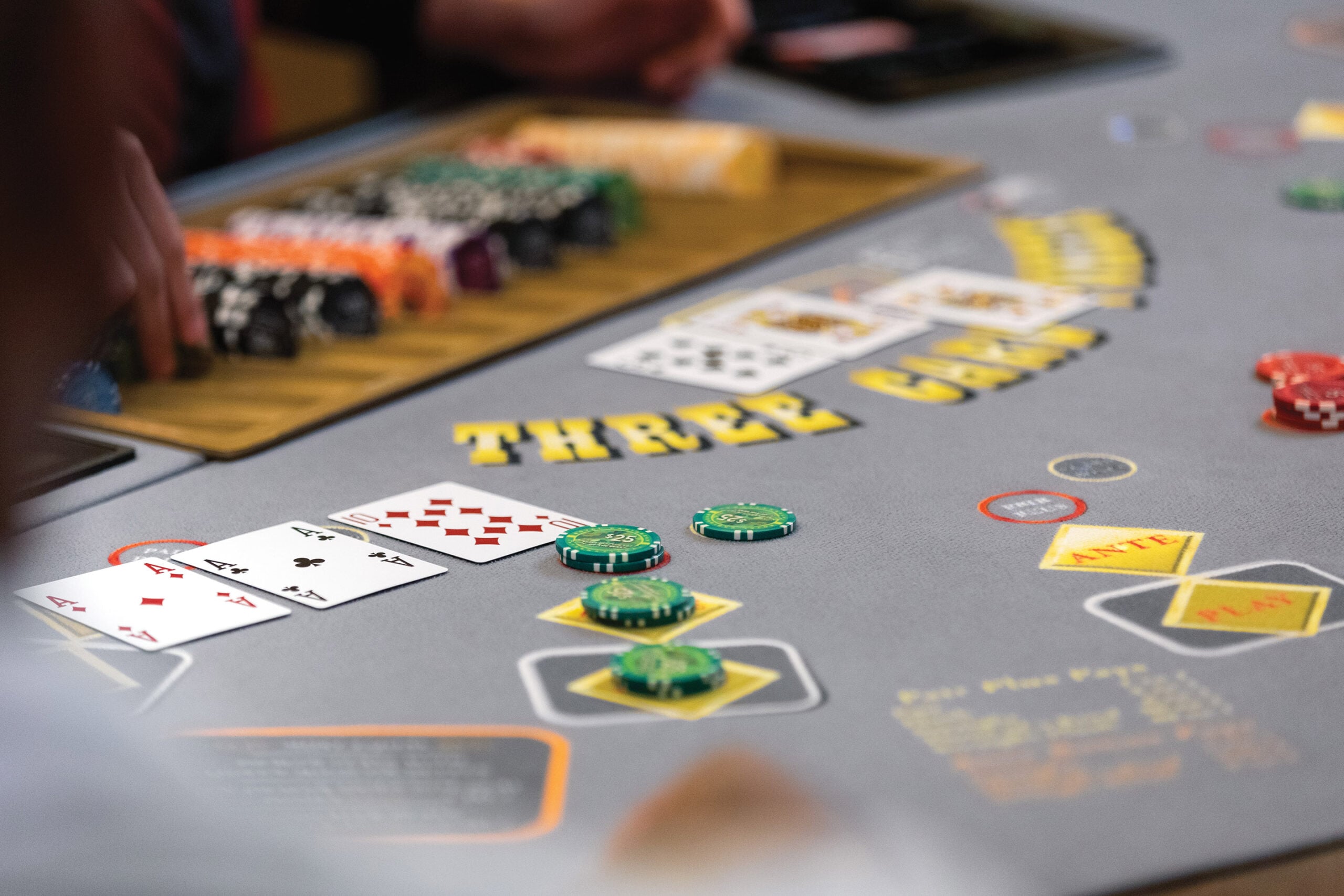
Blackjack has a genuine skill layer sitting on top of the randomness, since playing correct basic strategy measurably changes your expected outcome even though the cards themselves are random. Poker is arguably closer to chess than to anything else in the building, because you’re playing the other players as much as you’re playing the cards.
In between those extremes sits a whole tier of live dealer games, electronic table games, and newer formats like crash games, each mixing pacing, decision-making, and chance in different proportions — not unlike the way a mid-weight euro game mixes planning with a dice roll.
If you’ve ever sat down at a casino site with zero mental model for any of this it’s worth reading something that actually maps the categories out rather than treating them as interchangeable.
MaxSpinz has a casino game types explained guide that applies this same skill-versus-luck framing to slots, table games, live dealer formats, and the newer hybrid stuff, plus a walkthrough of volatility, which is basically the casino world’s version of a board game’s “swinginess.”
Worth noting, too, that once real money and legal age requirements enter the picture, a bit of homework goes a long way, something a board game night never really has to worry about.
So which type of game is actually “for you”?
None of this is really about picking a side. It’s about noticing what you already gravitate toward, and why. If you get bored unless every single decision matters, you probably lean toward chess-like games — whether that’s an actual board, a competitive shooter, or a poker table.
If you like the tension of not knowing what’s about to happen, and you don’t mind that some of it is out of your hands, you’re probably the person who enjoys Pandemic’s near-misses, a gacha pull, or a slot spin just as much as the “smarter” alternative next to it.
Mark, for what it’s worth, still swears the deck was stacked in his favor that night. It wasn’t. It just happened to be one of those games where the dice, the cards, and the moment all lined up which, honestly, is exactly why we keep coming back to the table.
