
How Board Games Remain Popular in the Digital Age

Board games have been around for centuries, but with the advances in modern technology, it seems as though more and more attention is paid to online gaming and digital titles. Our lives have become ever-more online, and that includes our “downtime”.
We are all now very used to ordering our food to be delivered online, paying bills through apps, and even watching esports streamed online.
We may even consult the latest BetNow review to see whether that online betting site is a good one to place our wagers – also online.
Living in the digital age is definitely convenient, in a wide range of ways, so how are board games still so popular? In fact, board games are enjoying a spike in popularity that doesn’t seem to fit with the notion that we control our entire lives through a series of apps. Just how have board games remained so popular?
Digital Fatigue
As much as we’ve embraced the way modern technology has made life easier in many ways, there has been something of a pushback in allowing tech to completely rule our lives.
The digital world might make our work lives more straightforward and efficient, but there are many people who don’t want the same experience in their leisure time.
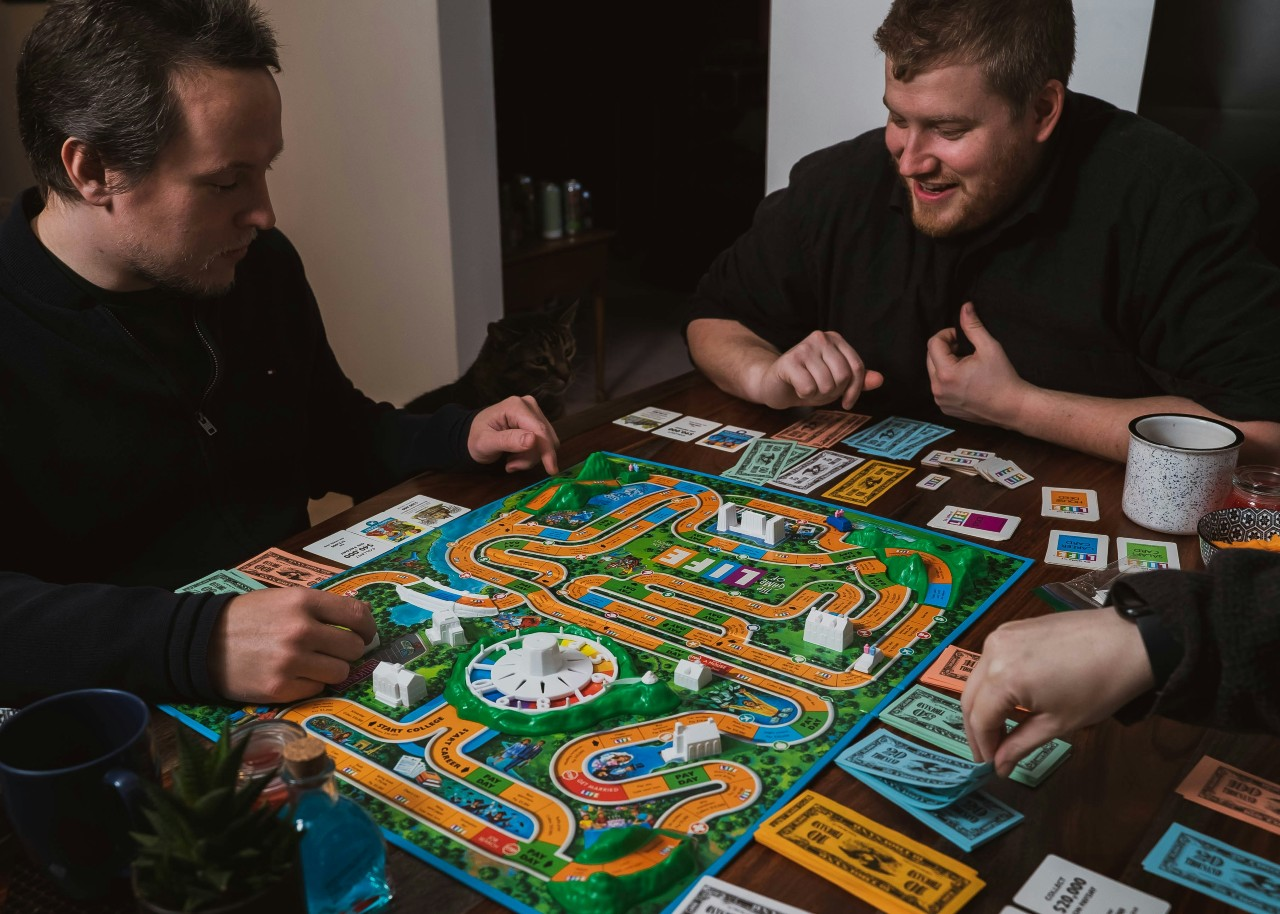
Board games are about as offline as you can get, giving us a break from the otherwise non-stop, forever logged-on existence.
Turning away from the screens for a few hours to enjoy a board game has become a small way of rebellion and resistance from the message we are bombarded with online.
Pandemic Effect
It is no coincidence that there has been a growth in popularity of board games in the years after we all experienced the shock of the pandemic lockdown.
COVID-19 forced billions of people around the world to stay at home and, as much as the online world thrived, we also spent more time with family members and friends at home.
Being able to use online devices was a lifesaver for many, but we also needed a way to maintain our mental health and make connections.
Board games were part of the answer. They proved to be a great way to interact and pass the time. Once we emerged from lockdown, many people continued to play in a way they had learned to love.
Nostalgia and Memory
Another reason people have come to love board games is in the way that they evoke memories and create a sense of nostalgia.
For many who were around before the digital age, playing board games was a way for families to enjoy time together. People have fond memories of playing board games with older relatives.
Even as we marvel how quickly tasks can be completed online, it is human nature to take great joy in nostalgic memories. We know board games are not the quickest or most technologically advanced way of playing, but we enjoy the memories they evoke and the feeling we have while playing.
Wide Range of Games
Even the power of nostalgia and being forced to spend more time with family and friends would not be enough to make board games popular if the only titles on offer were decades old and played a thousand times. There is a love for classic games, of course, but the sheer range of board games these days has helped grow popularity.
Board game developers have become creative in the titles they design and the worlds they invent for players. Whatever genre of movie or TV show you are into, you will be able to find a board game following the same storylines. Board games have changed dramatically in recent years, and that has helped attract a whole new fan base.

Playing Together
Traditional board games might still dominate the market, but the rise of cooperative games, which bring people together to play, has also helped the industry thrive.
These games require teamwork and communication for players to be successful, and they are traits that people just don’t seem to be able to get enough of at the moment.
Even other types of board games have become popular, as people realize that there is a lot to gain from spending time together in a social setting.
This may be the digital age, but board games are still very popular – and it feels as if that might be the case for a long time to come.
