How Board Games Are Being Reimagined as Video Games

Board games already have rules, themes, and player expectations. A digital version has to preserve those strengths while solving a different problem: making the same experience work on a screen.
That shift is not just a code port. It changes how players read information, take turns, understand feedback, and feel the rhythm of play. Art, animation, UI, and sound become part of the rules because they replace many of the physical cues that normally happen around a table.
Why Tabletop Games Translate Well to Digital
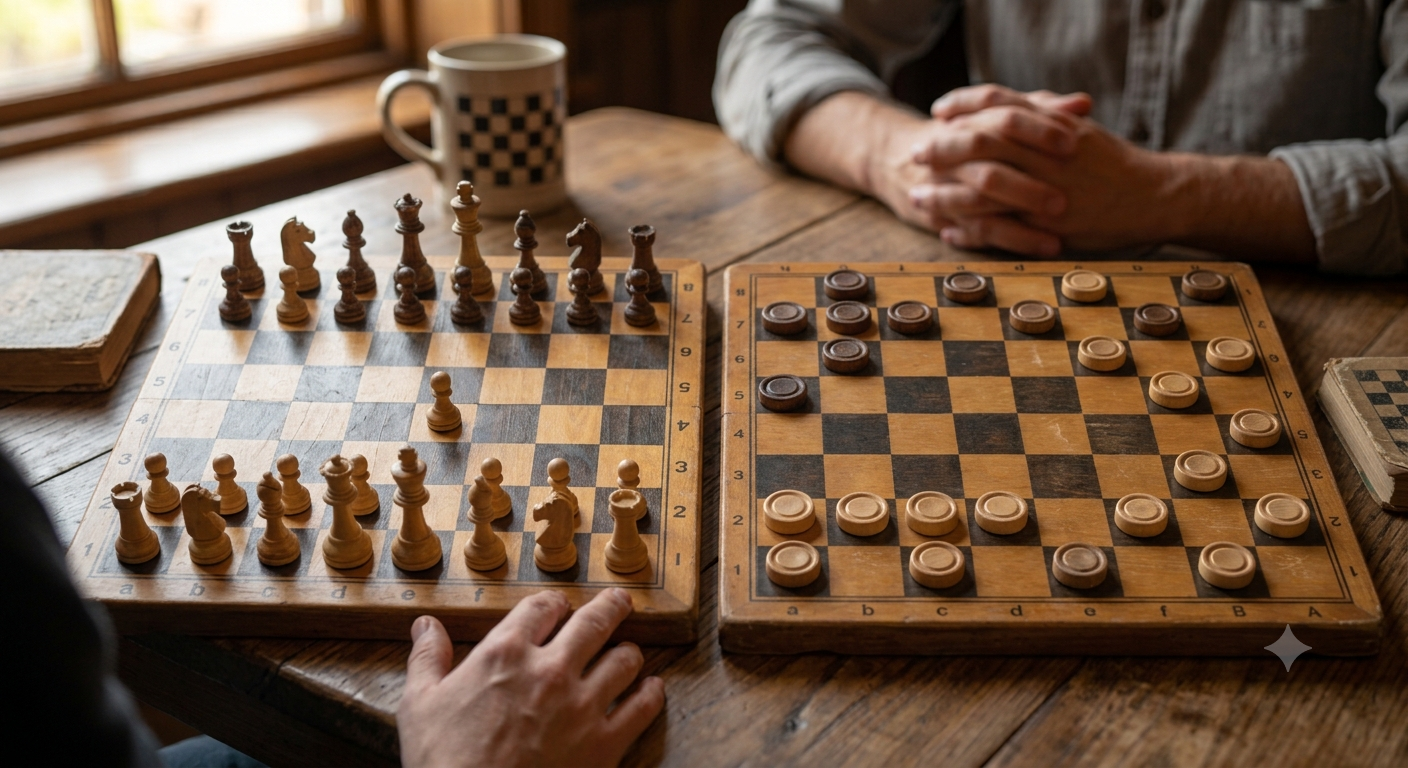
Board games are attractive adaptation candidates because much of the design work already exists. The core loop has been tested. The theme has an audience. The tension between choices, resources, and consequences is already built into the system.
What changes is the delivery.
A physical board game can rely on players touching pieces, reading cards, managing tokens, and discussing the state of play. A video game has to make those actions clear through interface, animation, camera, sound, and feedback. If the digital version hides important information or makes common actions slow, the strength of the original design gets buried.
The best adaptations usually focus on three goals:
- preserve the decision-making that made the tabletop version work;
- reduce manual upkeep without removing player agency;
- use digital art and animation to clarify actions, not distract from them.
Where Art and Animation Change the Experience
A printed card illustration can be beautiful while staying static. A digital adaptation needs more. Characters may need idle motion, attack reactions, spell effects, transitions, board feedback, and UI states that respond instantly to player input.
This is where publishers and developers often bring in specialists such as game animation studios. For small and mid-size teams, building a full art and animation pipeline for one adaptation may not be practical. External support can cover the production work that sits between the original tabletop art and the finished digital experience: character animation, 2D and 3D assets, UI elements, icons, VFX, and motion feedback.
RocketBrush is relevant in this context because its public positioning is centered on game art outsourcing, with services across 2D art, concept art, 3D art/modeling, animation, UI/UX, VFX, and pixel art. Those disciplines are exactly where tabletop-to-digital projects often need support.
The Art Direction Should Respect the Original
Digital adaptation does not mean replacing the visual identity of the board game. In most cases, the original look is part of why players care.
The challenge is to translate that identity into a format that works in motion. A detailed tabletop illustration may need simplified shapes for smaller screens. A miniature may need a clearer silhouette when viewed from an isometric camera. A card effect may need animation that feels satisfying without slowing down repeated turns.
Useful questions at the art direction stage include:
- Which visual elements are essential to the original brand?
- What needs to be redrawn, modeled, or animated for screen use?
- Which details can be simplified without weakening recognition?
- How will cards, tokens, boards, and player actions read on mobile?
- What feedback does the player need immediately after each action?
These decisions should be made before asset production starts. Otherwise, the team risks creating attractive pieces that do not fit the actual play experience.
UI Replaces the Table
In a physical game, the table holds the state. Players can glance at cards, tokens, boards, player mats, and other people’s hands or resources depending on the rules.
In a digital version, the UI has to carry that load. It must show the right information at the right time without turning the game into a spreadsheet. This is especially important for adaptations with layered rules, multiple resource types, or cooperative decisions.
Good UI for a digital board game usually does four things:
- keeps the main board readable;
- makes legal actions obvious;
- explains consequences before the player commits;
- reduces bookkeeping without hiding strategy.
The interface should not compete with the game. It should make the game easier to play.
Animation Should Clarify, Not Delay
Animation gives digital adaptations a major advantage: it can make consequences feel immediate. A token moves. A card triggers. A character reacts. A resource changes. The player understands what happened without reading a long log.
But animation also has a cost. If every routine action takes too long, the adaptation becomes slower than the physical version. Players may enjoy a dramatic effect the first time and skip it the tenth.
The better approach is to reserve emphasis for meaningful moments and keep frequent actions short. Motion should support pacing. It should make the game feel alive without making players wait for the interface to finish performing.
What Publishers Should Plan Early
Before adapting a board game into a video game, teams should align on the production scope:
- which original art can be reused;
- which assets need to be rebuilt;
- how much animation the game truly needs;
- whether the target platform is desktop, console, mobile, or cross-platform;
- how tutorials and rule explanations will work;
- how the UI will handle complex game states;
- what needs to be tested with existing fans of the tabletop version.
This planning protects both the budget and the player experience. Without it, teams can spend too much time polishing surface visuals while the actual usability of the game remains unclear.
Final Thoughts
Turning a board game into a video game is a translation project. The rules matter, but so do the visual systems that help players understand those rules on a screen.
The strongest adaptations respect the original game while using digital tools where they add real value: faster setup, clearer feedback, better accessibility, smoother solo play, and a more readable game state. Art and animation are not decorative extras in that process. They are part of how the game communicates.
