Epic Battles of the Past: Cool Ancient and Medieval Table Games

People of the old world had SO MANY cool games! You can actually play many of them today. So, long intros aside, let’s look at the “most popular” ones. They have quite unique concepts and rules that you might want to try or maybe even rework for your original game.
Ancient Origins of the Painted Deck
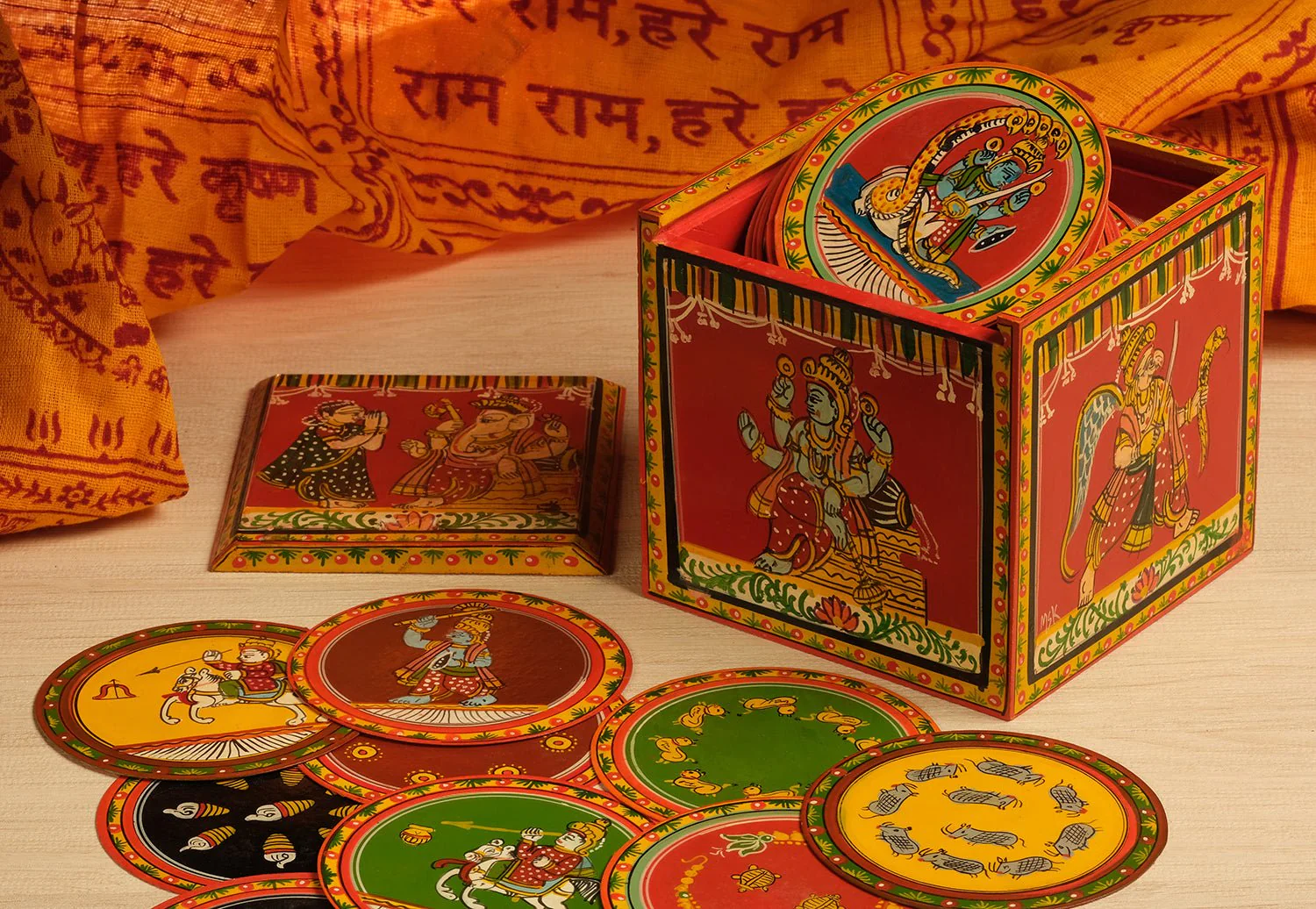
Cards became an alternative to heavy stone boards and bone dice. Early decks reflected the social hierarchy and artistic flair of their specific cultures—the symbols used to be way more telling than regular cards that you can purchase today or see in a casino.
These portable games allowed travelers and soldiers to carry entertainment across vast, unknown territories: a bit of fun time on endless paths.
- Mamluk Kanjifa: These epic Egyptian cards featured intricate geometric patterns and calligraphy instead of human figures. The deck used suits like polo sticks and coins, which influenced the design of modern Italian and Spanish decks.
- Ganjifa: Popular in Persia and India, these circular cards were often hand-painted on ivory or tortoise shell. Players managed large decks of up to ninety-six cards to win tricks in complex court games.
The basic structure of suits and trick-taking traveled from the East into European salons and taverns. We see the lasting legacy of these ancient designs every time we shuffle a standard deck of bridge cards, or in no KYC poker sites (aka free access) with 24/7 online entertainment and global events.
Ancient Egyptian Divine Contests
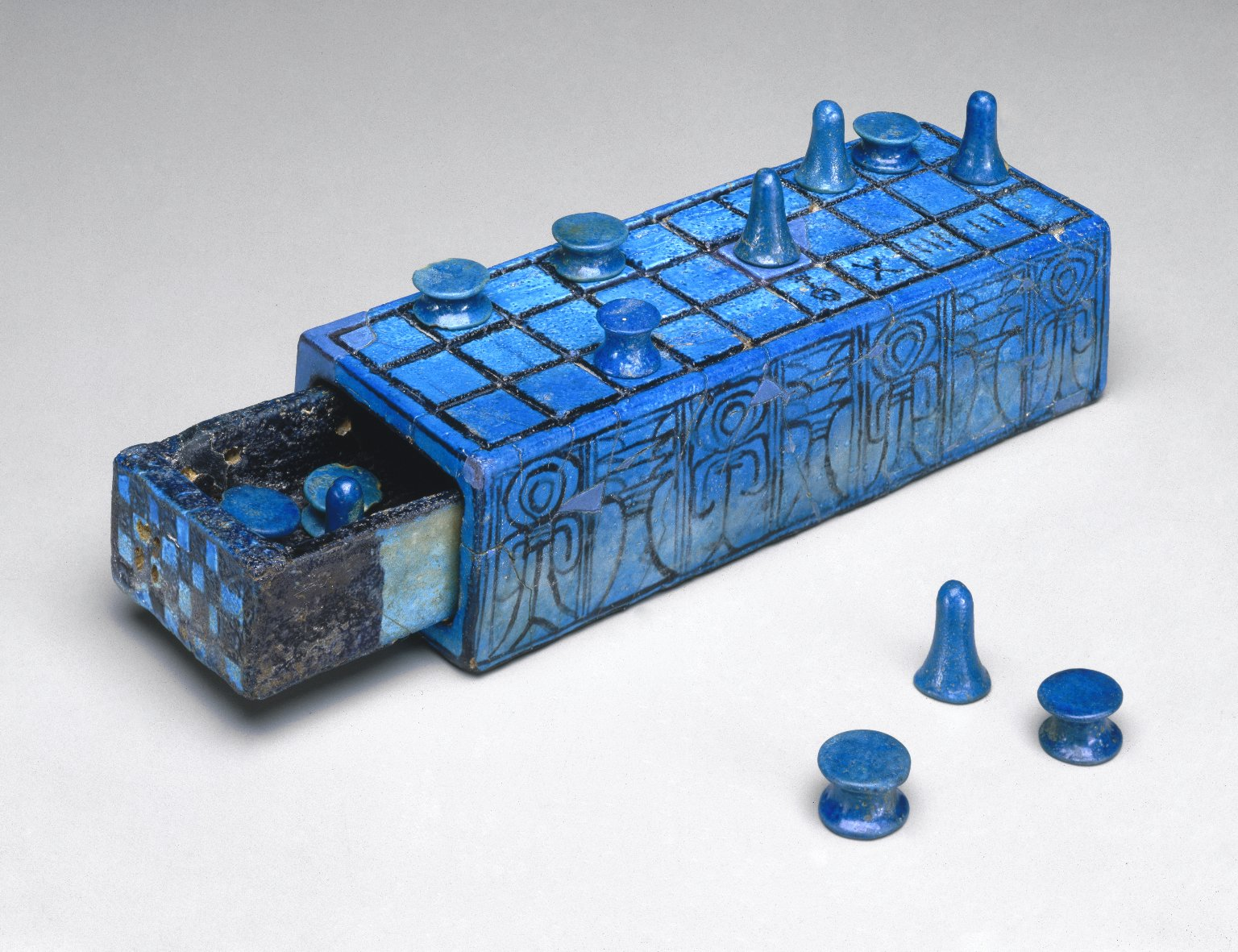
The Nile Valley produced games deeply tied to the journey of the soul. Priests and commoners alike believed that a board could predict a person’s fate.
These activities often blurred the line between a fun evening and a religious ritual. The “top” 2 games that you could call “popular” were…
- Senet: This game features a grid of thirty squares representing the passage through the underworld. Players moved pieces to reach the final square—the moment of successful union with the sun god.
- Mehen: Named after a protector snake god, by the way! This board looks like a coiled serpent with segments. Players raced marbles toward the snake’s head while avoiding predatory lion pieces that could disrupt their progress.
These ancient mechanics laid the foundation for modern race games like Backgammon. We still see the influence of these spiritual journeys in the way we design goal-oriented board games today.
The Brutal Stakes of Mesoamerica
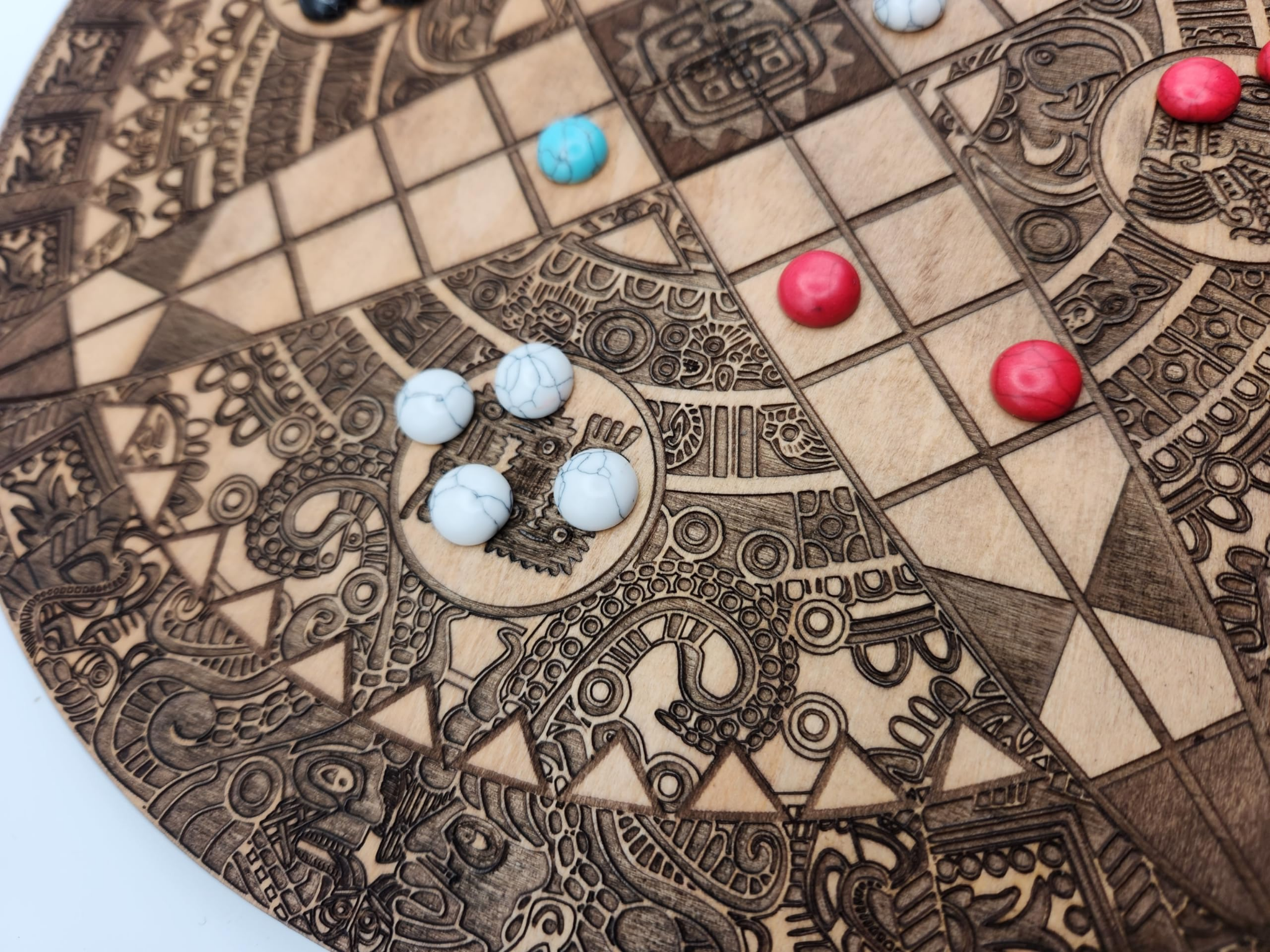
In the heart of the Americas, games were often high-stakes events involving heavy gambling (and horrible deaths). Players viewed success as a sign of favor from demanding deities, so losing wasn’t an option.
Well, the losing side always was there and it often had to… suffer or die. The biggest “events” ended up with another ritual that looks like sadism to a modern person. Anyway!
- Patolli: Players moved pebbles across a cross-shaped board while praying to the god of games. They often gambled their clothing, jewelry, and even their personal freedom on a single roll of the beans.
- Bul: This Mayan war game involves capturing enemy pieces as they move along a path of stones. It simulates the chaotic nature of jungle warfare and the taking of prisoners during tribal conflicts.
The intense betting culture of these regions shaped the early concepts of risk and reward in gaming. Many modern casino games share this ancient DNA of high-stakes, competitive gambling.
Strategic Warfare of the Viking Age
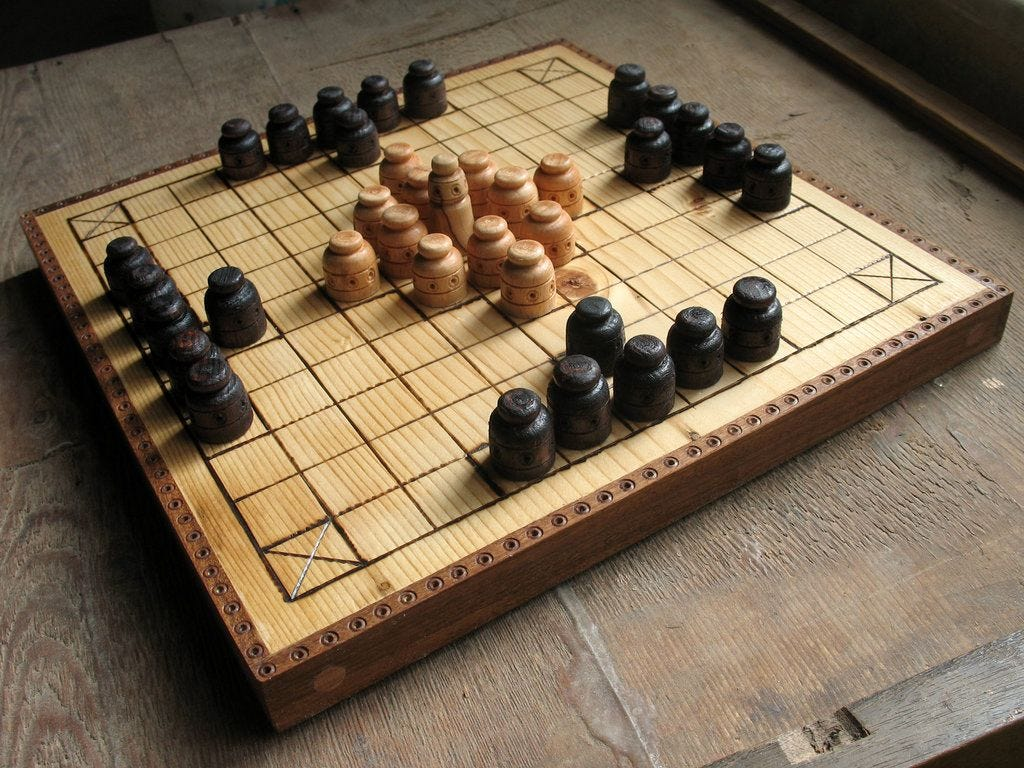
The Norse people valued cunning and survival above all other traits. Their table games focused on the harsh reality of being outnumbered and surrounded. These sessions were like mental training for the unpredictable battles of the northern seas.
- Hnefatafl: This asymmetrical game features a King and his guard trapped in the center of the board. A larger army of attackers must surround the King before he reaches the safety of the corner squares.
- Daldøs: Played on a boat-shaped board, this game uses unusual four-sided dice to move warrior pegs. It combines the luck of the roll with a brutal race to eliminate the opponent’s crew.
The tactical puzzles eventually lost popularity when Chess arrived in Europe with its more balanced rules. However, the concept of a defend-the-center mechanic still appears in modern stealth and strategy video games!
Intellectual Feats of Medieval Europe
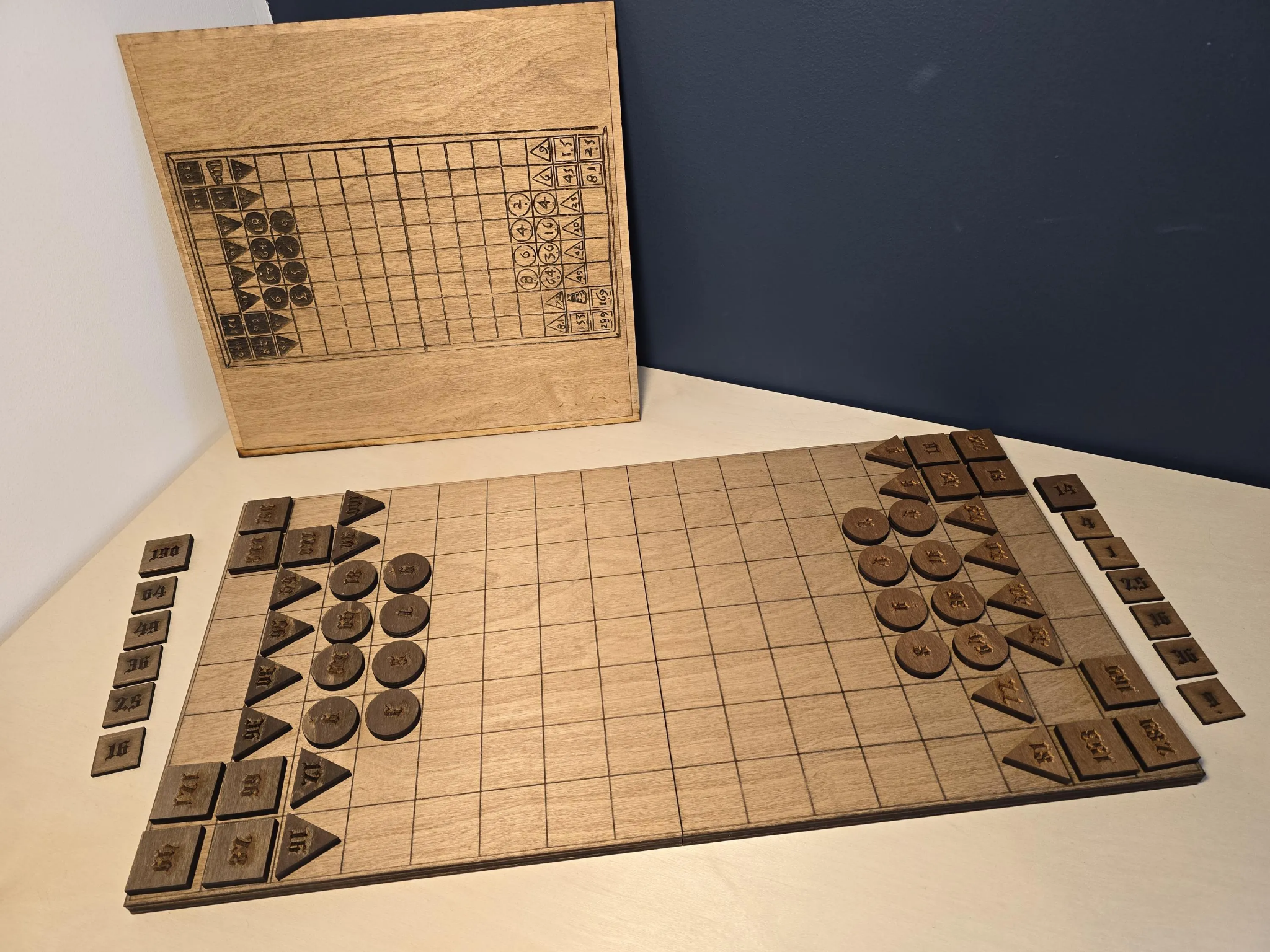
Medieval scholars viewed table games as a way to practice complex logic and math. They created boards that were so difficult they required years of intense study to master. These games were symbols of status and deep philosophical understanding, too.
- Rithmomachia: This Philosopher’s Game uses pieces marked with complex numbers and geometric shapes. You captured pieces by solving mathematical ratios or proving arithmetic progressions on the spot.
- The Game of Goose: This early race game used a spiral track full of traps and rewards. It served as a moral lesson about the unpredictable nature of luck and the dangers of human folly.
The mathematical rigor of these games eventually evolved into the complex systems found in modern tabletop RPGs. We still use these ancient logic puzzles to teach students about probability and strategic thinking.
Can I Even Try Some of These Today?
Yes! You can easily find digital versions or printable boards for most of these ancient relics. An idea for you: if you ever travel and want to get a super memorable souvenir, get yourself a nice authentic game instead of small trinkets (or just get both). Have fun!
