
Deck and Bag Draws in Board Games Use the Same Math as a Lottery Bet

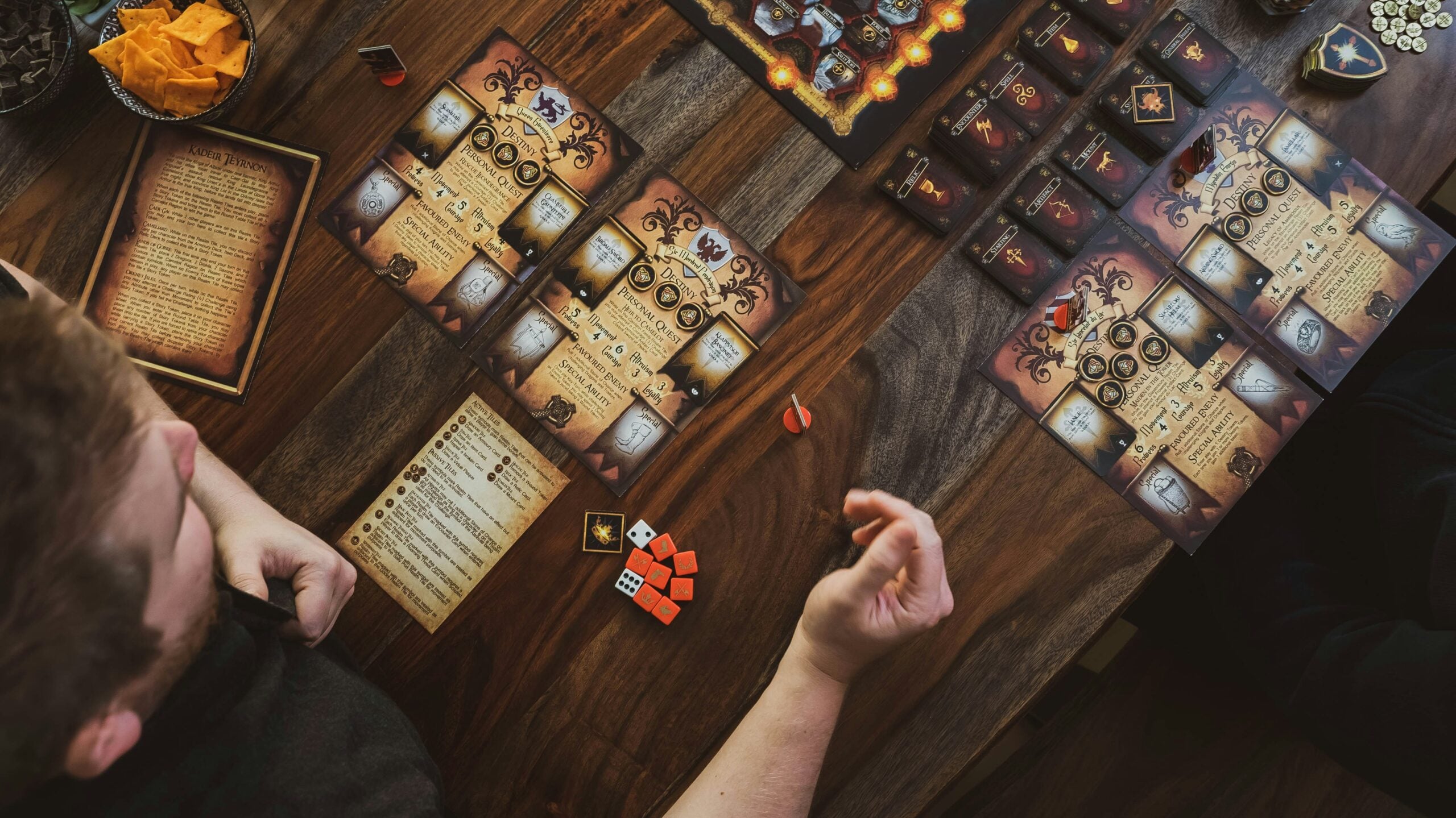
Shuffle a deck of 60 cards in Dominion, pull a wooden tile from a cloth bag in Scrabble, or draw a resource cube from a felt pouch in Century: Spice Road – every one of those actions is a random draw from a finite set. Designers rarely say it out loud, but the odds behind a tile pull are built from the same combinatorics that price a bet on six numbers out of forty-nine.
That overlap becomes obvious the moment you compare a bag draw to a numbers game. A player picking five wooden meeples from a bag of twenty is running the identical calculation as someone choosing lucky numbers for a fixed-odds draw – both are sampling without replacement from a set with no memory of what came before.
The bag does not “owe” you a red meeple because you have not drawn one in three turns, and neither does a lottery machine.
The Probability Under the Hood
Two mechanics dominate physical games: drawing without replacement, like a card deck, and drawing with replacement, like rolling a die or drawing-then-returning a tile. The distinction changes every downstream calculation, and three factors decide how a draw’s odds actually behave at the table:
- Pool size – a 15-tile bag swings far more than a 200-card deck after each pull.
- Replacement rule – returning a drawn item resets its odds; keeping it out compounds the shift.
- Target count – how many “winning” items exist among the total drives the base percentage.
A 40-card deck with four copies of a key card gives roughly a 10% chance on the first draw; after that card is not seen, the odds for the next draw shift because the deck shrinks and the count of remaining copies stays fixed.
A hypergeometric model handles that shift precisely: pull three tiles from a bag holding 100 total, 20 of them gold, and the chance of at least one gold tile lands near 49% – noticeably higher than the naive “20%” guess most players make in their head. Bag games from Ticket to Ride to Wingspan rely on this same shrinking-pool logic, whether or not the rulebook ever mentions it.
Card Decks vs Number Draws
A standard deck game removes cards permanently within a round, so a savvy player can count outs the way a numbers-game analyst counts remaining combinations in a draw pool. Knowing that 8 of 52 remaining cards win a hand is functionally the same exercise as knowing that 6 of 49 numbers must match a ticket.
The gap is variance handling. Card games often reshuffle each round, resetting the pool; a numbers draw resets every single time by design, since a fresh set of balls or a fresh random-number call starts each draw independent of the last.
Confusing the two – treating a fresh draw as if it “remembers” past rounds – is the most common odds mistake at either table.
Bag Draws and Replacement
Tile bags split into two camps. Scrabble-style bags never replace a drawn tile until the bag is refilled, so the count of remaining vowels or high-value letters genuinely shrinks turn by turn.
Push-your-luck bags, like the cube-pull in Century: Spice Road, return everything at round’s end, restarting the calculation from the same fixed ratio every time – closer to a repeated lottery-style draw than a shrinking deck. The table below lines up both patterns against a fixed-number draw.
| Mechanic | Replacement | Odds behavior after each draw |
| Card deck (round-long) | No | Shrinks pool, shifts % each card |
| Scrabble-style bag | No | Shrinks pool, shifts % each tile |
| Push-your-luck cube bag | Yes | Resets to fixed ratio each round |
| Fixed-number draw | Yes/No varies | Independent per draw, no memory |
Why Players Miscalculate Their Odds?
Reading that table before a session tells a player which games reward counting and which reward accepting a flat, unchanging probability, yet most misjudged odds trace back to the gambler’s fallacy: assuming a color, tile, or number is “due” because it has not appeared recently.
In a no-replacement bag that instinct is sometimes correct – the pool genuinely shifted. In a replacement-based draw it is simply wrong, because each pull starts the calculation over regardless of history.
Publishers rarely print the underlying percentages, so players estimate by feel, and feel consistently overweights recent outcomes.
A designer who wants a game to feel “fair” leans on this blind spot deliberately, tuning bag sizes so the swings stay large enough to feel dramatic without ever being mathematically unpredictable to someone who actually runs the numbers.
Designing Around the Math
Game designers who understand hypergeometric odds can tune tension precisely – shrink a bag to make late-game draws swingy, or add replacement to keep every turn’s odds flat and calm.
Either choice is a deliberate lever, not an accident, and it is the same lever a numbers-draw operator pulls when setting a fixed prize structure against a fixed pool of combinations.
For players, the payoff is practical: track pool size, note whether items return, and skip the superstition. The tile that has not shown up in five turns is not “due” unless the mechanic actually shrinks the pool – and that single check separates a sound in-game bet from a hopeful guess.
