
CS2 Skin Market Guide: How Buying and Selling Works

The economy around CS2 skins moves fast and rewards attention to detail. Prices react to player taste, supply, and timing more than most buyers expect.
Anyone entering the cs2 market benefits from understanding what drives value, where trades happen, and how to avoid common risks before real money enters the picture.
What Is the CS2 Skin Market?
This market revolves around cosmetic weapon finishes that players trade for real monetary value. Skins enter circulation through cases, operations, and collections, then change hands across established trading platforms. Prices reflect scarcity, visual appeal, and demand rather than any effect on gameplay.
Most transactions follow three routes: listings on the Steam Community Market, third-party marketplaces with cash payouts, and direct user-to-user trades. Each route differs in fees, speed, and risk, which makes platform choice part of the trading strategy.
Pricing Fundamentals in the CS2 Skin Market
Values rarely move for a single reason. Several forces interact at once, which explains why similar-looking skins can sit at different price levels.
Demand and Popularity
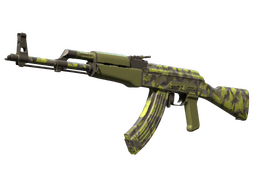
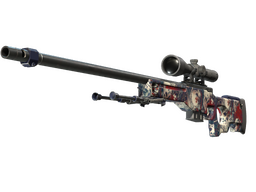
Player preference sets the baseline. Skins for commonly used weapons such as the AK-47 or AWP attract steady interest. Visual style also matters. Clean finishes and recognizable designs keep demand consistent, even during quiet market periods.
Rarity and Supply Constraints
Rarity defines how many units can exist. Limited collections, discontinued cases, and operation-exclusive drops reduce supply over time. As availability tightens, prices increase even when overall demand stays flat.
Liquidity and Market Depth
Liquidity shows how easily a skin sells at its current price. High-liquidity items move quickly with narrow spreads. Skins with limited buyer interest often need discounts to sell, which increases volatility during market shifts.
Hype Cycles and Short-Term Volatility
Updates, esports exposure, and influencer attention create short bursts of activity. Prices spike when attention peaks, then normalize once interest fades. Timing matters more than rarity during these phases.
Skin Exterior and Its Role in Pricing
Exterior has a direct impact on value and can outweigh rarity in many cases. Identical skins often show wide price gaps based solely on visible wear.
The five exterior options are:
- Factory New—Lowest wear level with near-pristine surfaces
- Minimal Wear—Light wear with small visible marks
- Field-Tested—Noticeable wear across exposed areas
- Well-Worn—Heavy wear covering most surfaces
- Battle-Scarred—Extensive wear with clear texture damage.
Lower wear levels usually command higher prices due to cleaner appearances. Float Value further refines pricing within each exterior, with unusually low Float Values often trading above standard listings.
Where CS2 Skin Transactions Happen?
Most trades flow through a small number of established channels. Each option offers a different balance between convenience, pricing, and payout flexibility.
Steam Community Market Overview
The Steam Community Market provides a built-in trading environment tied to Steam Wallet funds. Listings benefit from high traffic and strong security. Fees reduce net returns, and funds remain locked within the Steam ecosystem.
Third-Party Marketplaces
External platforms expand options for buyers and sellers who want more control over pricing and withdrawals. Trusted marketplaces such as DMarket support direct purchases, sales, and cash payouts while displaying multiple active listings that help users assess current market pricing. For high-liquidity skins, competition across platforms often leads to tighter pricing and faster execution.
How to Buy CS2 Skins Safely?
Buying safely depends on preparation and verification. Most losses happen due to rushed decisions rather than platform flaws.
Account Security Essentials
Security features help protect your account and trades. DMarket supports two-factor authentication and device/email verification. It also offers tools such as Trust Shield to warn about phishing and suspicious bots and reduce exposure to risky interactions.
Verifying Trades Before Acceptance
Each trade requires careful review. Item names, exteriors, and images must match the listing exactly. Confirmation screens deserve full attention, especially during high-value trades.
How to Sell CS2 Skins Without Issues?
Selling risks come less from pricing mistakes and more from deceptive trade tactics that target rushed sellers.
| Scam Tactic | How It Works | How to Avoid It |
| Fake trade bots | Impersonated system accounts request trades | Verify account levels and URLs |
| Item swap trick | Similar skin replaces the original at confirmation | Recheck item details before approval |
| Off-platform payment | Buyer requests private payment | Use marketplace escrow only |
| Phishing links | Fake login pages steal credentials | Use saved bookmarks and trusted URLs |
Most scam attempts rely on speed and distraction rather than technical exploits. Consistent review of each step protects value and prevents irreversible losses.
Safety Checklist for Every Transaction
A short review before each trade reduces risk:
- Correct skin name, exterior, and Float Value confirmed
- Marketplace reputation checked
- No external payment requests accepted
- Trade confirmation reviewed carefully.
This checklist helps prevent small oversights that lead to permanent losses. Most failed trades trace back to skipped verification steps.
A Clear Approach to CS2 Skin Trading
The CS2 skin economy rewards patience, research, and disciplined execution. Rarity is not the only factor to affect price, and platforms differ in cost and convenience.
A solid understanding of market mechanics and safety practices turns trading into a structured process with predictable outcomes.
