Co-Op Board Games Report Surge In App-Assisted Play

Cooperative board games are entering a new chapter, one shaped by digital companions that smooth out the rough edges of traditional gameplay.
Many groups appreciate how apps reduce setup time and guide rules, creating a gentler path into complex co-op titles. That shift reflects a broader appetite for hybrid entertainment, where physical play and digital support work side by side.
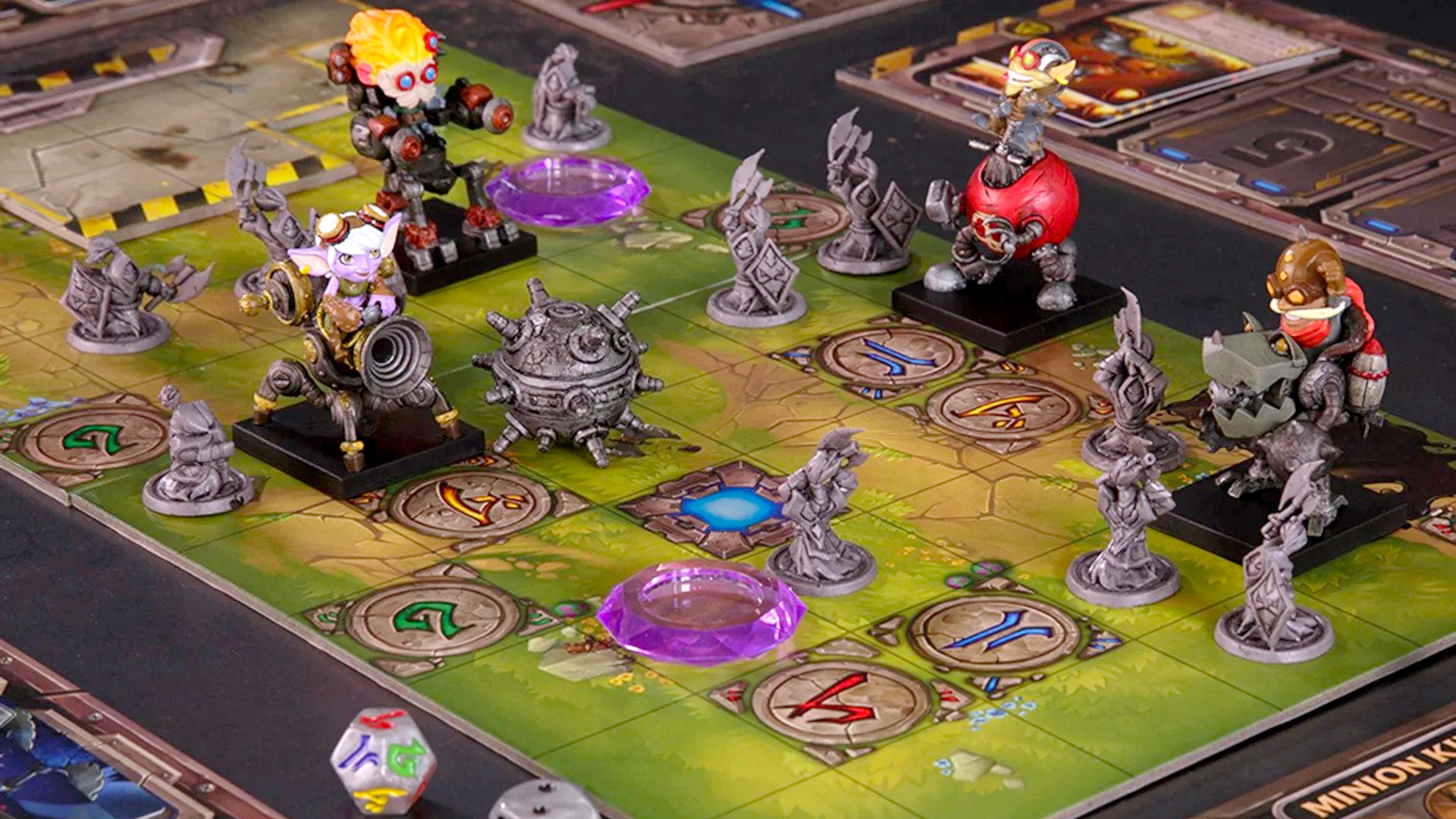
Players are also responding to the sense of cohesion these tools bring. App‑driven prompts, narrative cues, and automated checks free players to focus on teamwork rather than manual bookkeeping.
As a result, more designers are exploring how digital layers can keep co‑op experiences immersive without overshadowing the tactile charm of tabletop play.
Apps Streamline Cooperative Gameplay
As hybrid entertainment grows, players increasingly expect digital helpers to make intricate games more approachable. Many entertainment platforms—from streaming services to mobile puzzle apps—have trained users to anticipate smooth navigation and quick decision support.
That expectation extends into iGaming, where some fans even look to resources that help them compare US operators when assessing how digital tools simplify complex choices across different entertainment formats. The same instinct for clarity and convenience now shapes how co‑op gamers evaluate app‑supported titles.
According to data from the board game app companions market report, the global sector reached USD 1.18 billion in 2024, underscoring how rapidly players are embracing these enhancements. That momentum helps fuel investment in smoother tutorials, richer audio, and dynamic scenario generation.
Digital Tools Support Remote Sessions
Remote co‑op sessions have become more common as groups search for flexible ways to stay connected. Companion apps act as shared anchors, synchronising story beats and tracking campaign states across different devices.
North America’s strong analog gaming culture and robust smartphone adoption have made the region a natural leader in this space, with the same market report highlighting its substantial revenue share.
Hybrid design is also getting more ambitious. Research detailed in the DungeonMaker hybrid board game study shows how procedural generation, narrative setup, and physical‑digital fabrication can blend to create persistent cooperative worlds.
That level of integration hints at how future remote‑friendly systems might bond players through shifting environments without extra overhead.
Entertainment Platforms Converge Online
Digital entertainment platforms no longer feel siloed. Tabletop groups often juggle messaging apps, rules engines, soundtrack tools, and online communities in a single evening of play.
That convergence mirrors larger entertainment trends, where the boundary between interactive and passive experiences continues to blur.
The rise of app‑assisted co‑op games sits comfortably within this ecosystem. Players want consistency across platforms, whether planning a campaign session or watching how-to videos.
The familiarity of mobile interfaces makes it easier for newcomers to join, lowering the barrier to entry for deeper cooperative titles.

What Hybrid Play Means Next?
Hybrid tabletop design points toward a more adaptable era for co‑op gaming. Groups can choose how much digital support they want, dialling in a balance that preserves the heart of collaborative play.
Apps will likely keep expanding their role in setup, scenario planning, and worldbuilding, but the tactile shared table remains firmly at the centre.
For enthusiasts, the takeaway is simple: digital tools are no longer accessories but part of a broader movement toward smoother, more accessible cooperative experiences.
The best designs amplify collaboration without drowning the board in screens, giving players a flexible foundation for memorable teamwork.
