
AI in Promoting an Agronomy Business: Practical Value Starts at Field-Level Relevance

AI can support the promotion of an agronomy business only when it is tied to real agronomic context: crop type, soil condition, local climate pressure, input prices, yield targets, and the farmer’s decision calendar. Generic advertising does not work well in this sector.
A wheat grower considering fungicide timing, a vegetable producer managing irrigation, and a large farm evaluating variable-rate fertilization have different risks, margins, and buying behavior.
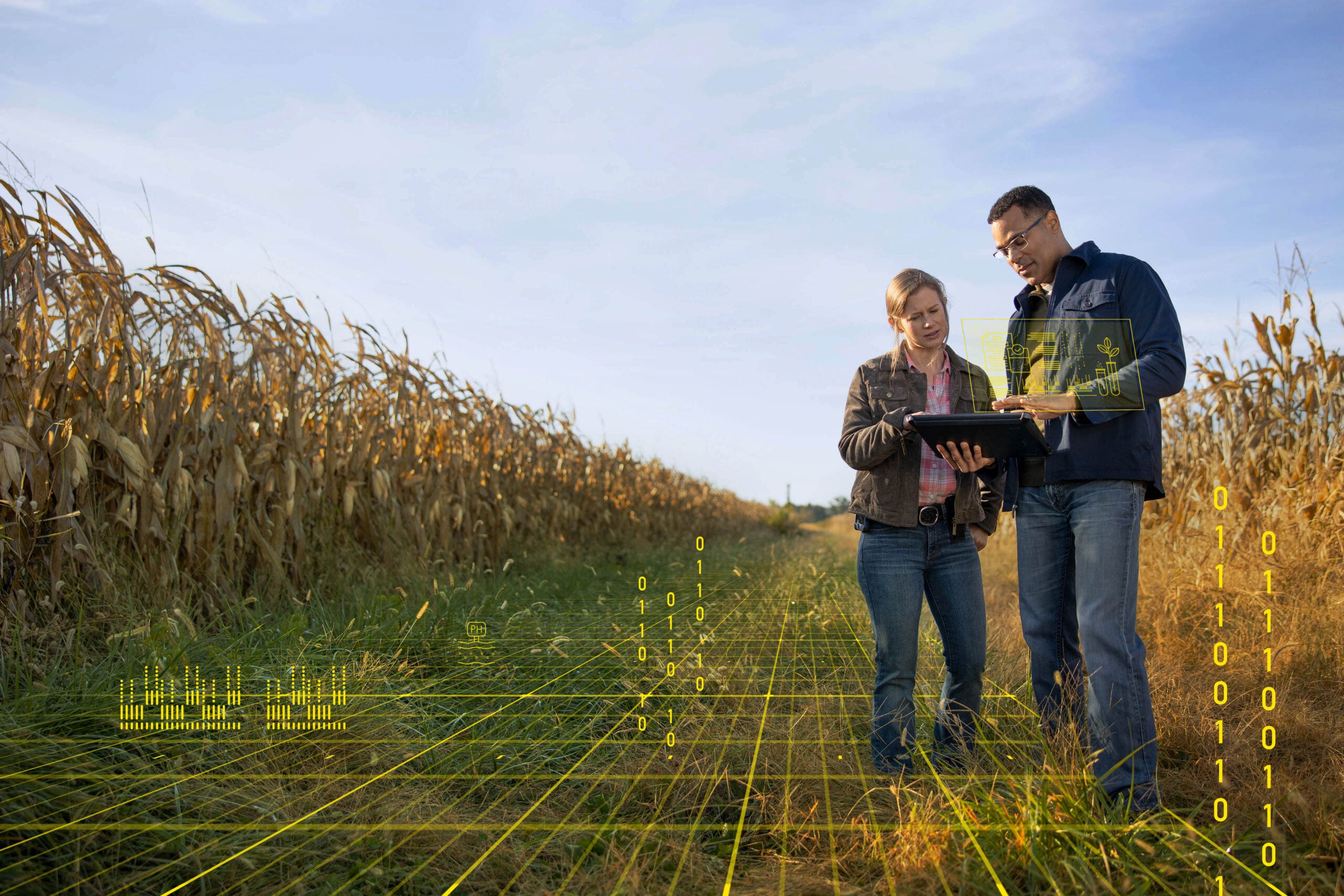
The strongest use of AI is not writing cheerful social media posts. It is building sharper market segmentation. An agronomy company can combine CRM data, previous consultations, satellite imagery, soil test history, crop rotation records, machinery capacity, and regional disease alerts to identify which clients are likely to need a specific service.
For example, if NDVI data shows uneven crop development and the farm has a history of nitrogen variability, AI can help prioritize outreach for tissue testing, variable-rate nitrogen planning, or in-season scouting.
This makes promotion more technical and more credible. Instead of sending a broad message like “improve your yield with our agronomy services,” the business can contact a grower with a specific observation: “Your northern fields show weaker vegetative development compared with last year’s pattern.
A split nitrogen assessment before the next rainfall window may prevent under-application on lighter zones.” That is not just marketing. It is a commercially useful agronomic prompt.
AI can also improve content strategy, but only if the content is built from field evidence. Agronomy buyers respond to proof: trial plots, side-by-side comparisons, input-response curves, local pest pressure, yield maps, and return-per-hectare calculations. AI can help turn this material into technical briefs, grower emails, product explainers, webinar outlines, and sales scripts.
The important part is that the source material should come from actual agronomists, verified field data, and local trials. Otherwise the business risks publishing advice that sounds polished but does not survive a conversation with an experienced farm manager.
For paid advertising, AI is useful in budget control and message testing. It can compare campaign performance by crop segment, farm size, geography, and service category. A campaign promoting soil sampling before planting should not be judged by clicks alone.
Better metrics include booked consultations, test kits ordered, acreage covered, conversion to nutrient plans, and repeat service adoption. AI can identify which messages attract serious commercial leads and which ones only generate low-value curiosity.
When the marketing team evaluates AI research tools, even a search term such as Perplexity ai pro price should lead to a practical business question: will this subscription help agronomists prepare field-specific recommendations faster, monitor competitor positioning, or turn trial data into client-ready material with less manual work?
Another practical area is sales enablement. Agronomy sales often depends on timing. A farmer may ignore a service offer in January but act quickly during a disease outbreak, drought stress period, or fertilizer price shift.
AI tools can help agronomists prepare call lists based on weather events, crop stage, historical purchases, and known field risks. This helps the business contact clients when the advice is relevant, not when the marketing calendar says it is time to post something.
There are limits. AI should not independently make crop protection recommendations, diagnose disease from poor images, or promise yield improvements without agronomist review.
Regulatory requirements, label restrictions, resistance management, environmental risk, and regional agronomic practice all require human expertise. In promotion, the danger is overclaiming. A confident but wrong agronomic message can damage trust faster than a missed campaign.
The best AI-assisted promotion model is therefore hybrid. AI handles pattern detection, segmentation, timing, drafting, and performance analysis.
Agronomists provide field judgment, technical approval, and client credibility. Used this way, AI does not replace relationship-based selling in agronomy. It makes that relationship more precise, better timed, and more useful to the grower.
