How Poker Combines Social Interaction, Competition and Strategy Around the Gaming Table

When you sit down at a poker table, whether in a home game or a bustling casino, you quickly notice that it is so much more than just playing cards. The draw of Poker lies in its unique combination of keen social interaction, thrilling competition, and deep strategic thinking. Each of these aspects comes together to create an immersive game experience unlike any other. But what exactly makes poker a true gathering point for minds, personalities, and skill sets? Let’s explore how poker unites these essential elements around the gaming table.
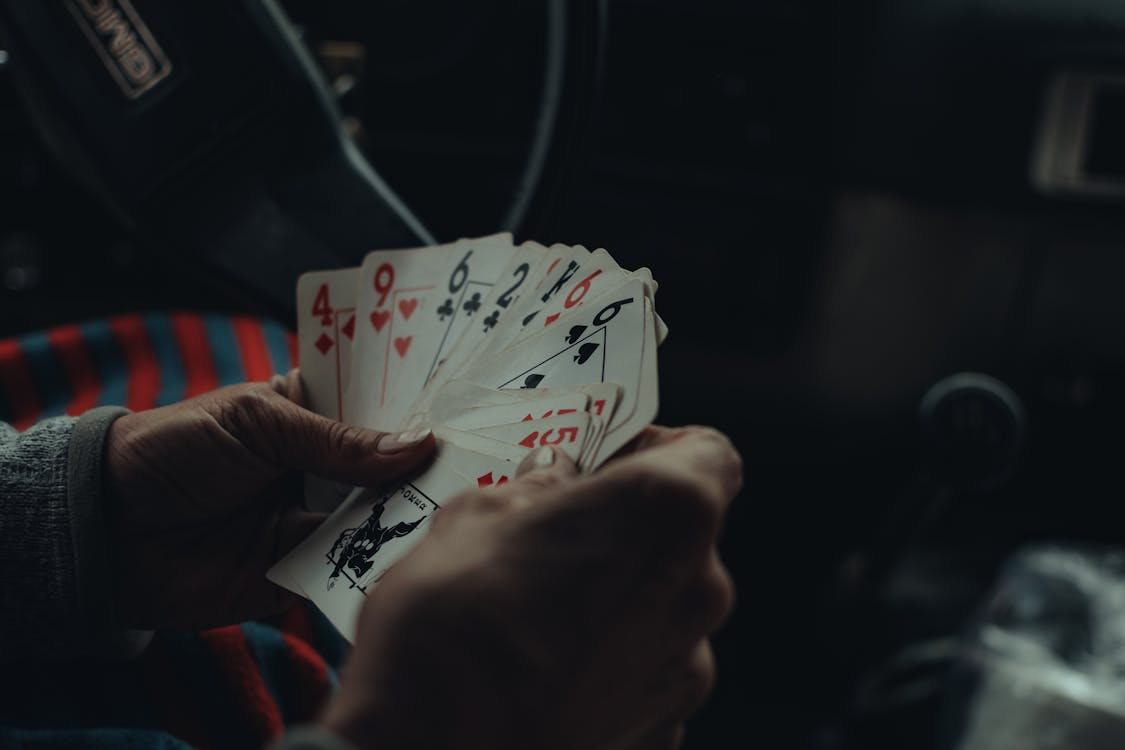
The Social Side of Poker: More Than Just Cards
The social nature of poker is evident the moment players take their seats. The conversations, friendly banter, and sometimes even lighthearted trash talk form a lively backdrop to every hand dealt. Unlike many board games, poker encourages interaction during every phase of the game, not only through direct play but also through body language and subtle cues. This constant exchange of information, both verbal and nonverbal, makes poker a distinctly interactive experience where personalities shine through.
Sitting at a poker table also fosters a sense of community, even among players meeting for the first time. Over the course of a long session, bonds form as participants share stories, celebrate wins, and commiserate over near-misses. In this way, poker’s social environment provides opportunities for connection that extend beyond the game itself, creating memories and friendships that can last long after the chips have been cashed in.
The Spirit of Competition: Testing Wits and Nerve
Poker is, at its core, a competitive pursuit where each player strives to outplay the rest. Unlike cooperative board games, where success might depend on group strategy or communication, poker’s allure is found in testing your wits and nerve against fellow competitors. Every hand is a new battle of calculation and coolness under pressure, making every round exciting and unpredictable.
This competitive tension is part of what draws so many to the game, pushing players to improve their skills and adapt their approaches in real time. Whether you’re playing Texas Hold’em or Omaha, poker showcases a unique form of rivalry where respect for your opponents grows alongside your desire to outdo them. The dynamic nature of the competition keeps the game ever-fresh, ensuring that no two sessions are ever the same. If you want to learn more ways to embrace competition in gaming, explore our cooperative board game reviews and guides as well.
Strategic Depth: Decision-Making at Every Turn
What sets poker apart from many other games is its exceptional degree of strategic complexity. Every decision—from the initial bet to the final river call—requires careful weighing of probabilities, risks, and psychological factors. While luck plays a role, skilled players know that long-term success hinges on their ability to read situations, opponents, and even themselves. A single move can turn the tide, requiring constant adaptation to ever-shifting game dynamics.
Players leverage a wide range of tactics, including betting patterns, bluffing techniques, and position play, to gain an edge over the competition. Strategy in poker is not static; it evolves based on the flow of the game and the behaviors of those around the table. This ongoing mental challenge keeps both newcomers and veterans engaged, fueling a drive to learn and refine strategies from one hand to the next. Poker, in this way, rewards critical thinking, patience, and the willingness to grow through each victory and defeat.
The Unique Synergy of Poker’s Key Elements
Sitting at a poker table means entering into a realm where social connection, competitive excitement, and intricate strategy continually interact. This synergy creates an environment that is both welcoming and challenging, offering something to players of all backgrounds and skill levels. Unlike purely luck-based games or those reliant only on strategy, poker thrives in the balance, inviting you to read your opponents as much as your cards and to share in both laughter and rivalry.
For those looking to explore more games where this blend of qualities is front and center, the world of cooperative board games offers fresh opportunities. Still, poker remains a classic example of how a simple setup—cards, chips, and a table—can create a space rich with meaningful human interaction, rivalry, and worldly wisdom. Whether you play with friends in your living room or compete in a global tournament, the appeal of poker endures in its rare ability to unite people through conversation, competition, and clever thinking all at once.
