The Psychology of Teamwork in Cooperative Board Games

Cooperative board games are different from all the others. It’s not that easy to explain why: everyone says they’re working together, and that’s true, but often there isn’t a real sense of alignment.
There’s always someone a step ahead, someone lagging behind, and someone who’s just reacting to what just happened. It’s not fluid. It just works, somehow.
Psychology in Games and Decision-Making Pressure
People think they’re being logical when they play, but they’re not really. Not entirely. There are always other factors at play: time, mood, the most recent outcome.
This is very clear in gambling. At Mr Vegas Casino people play slots and table games by reacting instinctively to wins and losses. A win speeds everything up, while a loss immediately shifts your mindset, as if there’s something that needs to be fixed right away.
It goes something like this:
- win → you keep playing faster than expected
- loss → you try to recoup your losses right away
- near-win → you repeat the action anyway
It doesn’t seem like a pattern while you’re experiencing it. It just seems normal in the moment.
And then you move on to cooperative games, and this dynamic remains, only less obvious.
Shared Control Instead of Individual Control
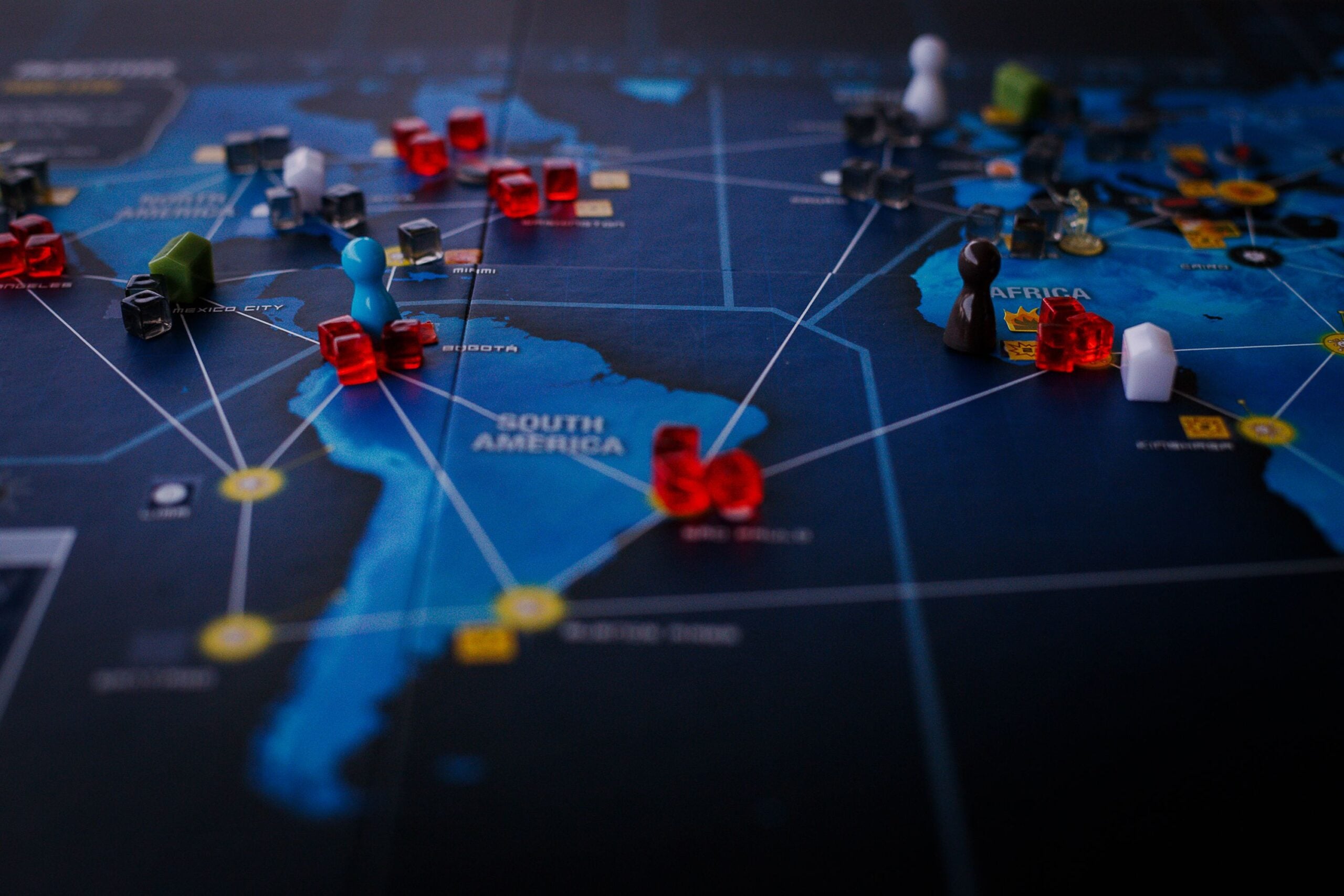
Take Pandemic, for example. Here’s how the game works: the table represents a map of the world, and each player takes on a role with different abilities: doctor, scientist, researcher, dispatcher. There’s no official leader, but the situation changes constantly depending on where diseases spread.
Each turn, after a player takes their actions, the game forces them to draw cards that place new infections on the board, causing outbreaks to cascade if highly infected cities aren’t dealt with in time. This creates constant pressure. There’s never a truly stable moment.
A high-risk city that seems manageable can quickly erupt into a major crisis after just a couple of unfavorable card draws at the end of a turn.
Within this framework, decisions become very practical and quick. Someone proposes a move, like moving to a city or building a station, and immediately afterward, you assess whether that choice holds up given the overall situation. There’s no need to say it explicitly: you just need to see if the others react or remain still.
At times, the game also encourages you to read the other players more than the game board. Not in an abstract strategic sense, but specifically to understand if someone has spotted a risk that you missed.
And silence isn’t neutral. If no one responds right away, it often means the move isn’t entirely convincing. No one says it outright, but everyone at the table understands it anyway.
Information Sharing and Mental Models
In The Crew, communication is almost completely limited. Players can only give minimal clues about their cards, without explaining strategies or intentions. This shifts everything to a different level: you’re no longer working with complete information, but with partial cues and interpretations.
The central focus isn’t the game itself, but the way each person constructs their own version of the situation. Every player sees the same game, but organizes it mentally in a different way.
A card may seem urgent to one player and irrelevant to another. Neither is absolutely wrong, but decisions still arise from these differences.
The result is a constant discrepancy between what is communicated and what is understood. Even simple information can change meaning as it passes from one player to another.
Over time, however, the group tends to cut back on explanations. Communication shifts to a style based on shared assumptions, where it’s taken for granted that others are interpreting the situation in the same way. This works only as long as these interpretations remain truly aligned.
Responsibility Without Hierarchy
In Spirit Island, no one leads the group. Each player controls a different spirit, starting on their own section of the island. There is no central role that coordinates the rest.
However, choices are constantly intertwined. You cannot win by isolated play; spirits must cross over boundaries, using their unique powers to defend other players’ territories or grant vital advantages to their teammates.
If one player protects an area but fails to coordinate with a neighbor to slow the invaders’ advance elsewhere, the outcome still falls apart. This creates a situation where every decision affects the group, even if it originates individually.
There is no single person to blame for the game’s outcome. When something goes wrong, you can’t say, “It was that player’s fault.” You look at the sequence of actions and try to find where the chain lost its balance.
This changes the way you play. People tend to think more carefully about their moves before acting, because every choice affects the others. Not because of formal coordination, but because no one can see the whole picture on their own.
Contrast with Competitive Thinking
Competitive games are simpler in structure. You play against someone else. Cooperative games eliminate this aspect. There is no longer an opponent. The question becomes simply: Does this help the group or not?
This changes behavior. People compromise more, but they also become more attuned to timing. A good idea suggested too late is of little use. A simple suggestion made at the right moment can change everything.
Even so, old competitive habits linger. Some people still optimize their own moves without giving the group much thought. It happens.
How Group Psychology Influences Outcomes?
The outcome doesn’t depend solely on strategy. It depends on how people behave while playing. Some groups sync up right away. Others never quite align, even without arguing.
And sometimes, all it takes is a single moment to change everything. Someone speaks up at the right moment, or stops hesitating, or makes a decision, and the others follow. After that, the game feels different. Even though the board has remained exactly the same.
