The Parallel Growth of Social Sweepstakes Platforms and Cooperative Board Gaming

The Parallel Growth of Social Sweepstakes Platforms and Cooperative Board Gaming Discover how the shared pursuit of stress-free interaction is quietly reshaping the way you play, whether that’s around a table or on your phone. Modern gaming culture is shifting noticeably. More people are stepping back from high-pressure, competitive environments and choosing experiences that feel lighter, more social and easier to enjoy. Whether you’re sitting down with friends to tackle a cooperative board game or opening a casual digital platform, the goal is the same: unwind without friction. Shifting Away from Ruthless Competition Think back to older tabletop nights. Games like Monopoly or Risk often brought tension, drawn-out rivalries, frustration and sometimes even awkward silences afterward. That dynamic is fading. Today, many players actively choose cooperation over competition. Instead of trying to outmaneuver everyone else at the table, you’re now more likely to be working together toward a shared objective. Games like Pandemic, Spirit Island or The Crew turn the experience into a group challenge. You win together or lose together and that changes everything. Communication becomes essential, strategy is shared and individual ego takes a back seat. What you’re left with is a very different atmosphere. Game night feels less like a battleground and more like a collaborative puzzle, one where the reward is just as much about the experience as the outcome. The Rise of Digital Social Playgrounds At the same time, a similar shift is happening online. Social sweepstakes platforms are growing because they tap into that same low-pressure mindset. If you’ve ever found traditional online gambling environments intense or isolating, this model feels noticeably different. Here, the focus isn’t on financial risk. Instead, these platforms use virtual tokens and reward systems that keep things casual. You log in, interact, play and step away without the weight of real monetary stakes. The experience becomes less about winning and more about participation. Features like daily rewards, chat functions and shared gameplay loops reinforce that sense of community. It’s not about going head-to-head with the house; it’s about engaging with a system that feels more like a social space than a high-stakes arena. Finding Safe Options Online As this space expands, knowing where to go matters. Just like you might research a new board game before bringing it to the table, digital platforms require a bit of awareness to navigate properly. That’s where resources like a list of sweepstakes casinos come in. Instead of guessing which platforms are legitimate, you can quickly identify options that operate within promotional laws and are structured around non-monetary play. These directories break things down clearly, what each platform offers, how rewards work and what kind of experience you can expect. Having that clarity makes it easier to transition into these platforms without second-guessing your choices. You’re not chasing risk, you’re choosing a controlled, casual environment that aligns with how you want to spend your downtime. Shared Mechanics in Diverse Hobbies Even though cooperative board games and digital sweepstakes platforms look completely different, they’re built on surprisingly similar ideas. Both prioritize accessibility. You don’t need to spend hours learning rules or navigating complex systems. You can jump in quickly and start engaging almost immediately. Both reduce pressure. There’s no looming sense of loss, whether that’s losing money or being eliminated early in a competitive setting. That creates space for enjoyment rather than stress. And both rely on balanced systems. Whether it’s a well-designed game deck or a certified random number generator, the mechanics are designed to feel fair. You’re not constantly questioning the system; you’re able to settle into the experience. These shared design choices aren’t accidental. They reflect a broader understanding of what players actually want right now. The Future of Community-First Entertainment This is more than a trend; it is a new one that is changing priorities in the industry. Gamers are becoming more interested in immersive, social experiences that require collaboration rather than high-stakes competition and challenging environments. There seems to be no place anymore for aggressive behavior on the playing field, as it creates a hostile environment that can drive the players away. In such a way, developers are expected to push for more relaxed environments, which will result in even more confusion between the physical and virtual worlds. There are hardly any differences anymore between a fun game with friends in the evening and an equally enjoyable session online. The modern trends clearly show where the gaming industry is headed in its evolution. It does not necessarily mean that you will have quieter, slower and less aggressive games in the future; the experience itself should become more appealing, more rewarding for a player who takes part in the action. Therefore, it is expected to see more cooperative missions, easier entry and drop-off systems, less strict progress and so on. Even competitive models will have to change in response to this paradigm shift.

Discover how the shared pursuit of stress-free interaction is quietly reshaping the way you play, whether that’s around a table or on your phone.

Modern gaming culture is shifting noticeably. More people are stepping back from high-pressure, competitive environments and choosing experiences that feel lighter, more social and easier to enjoy.

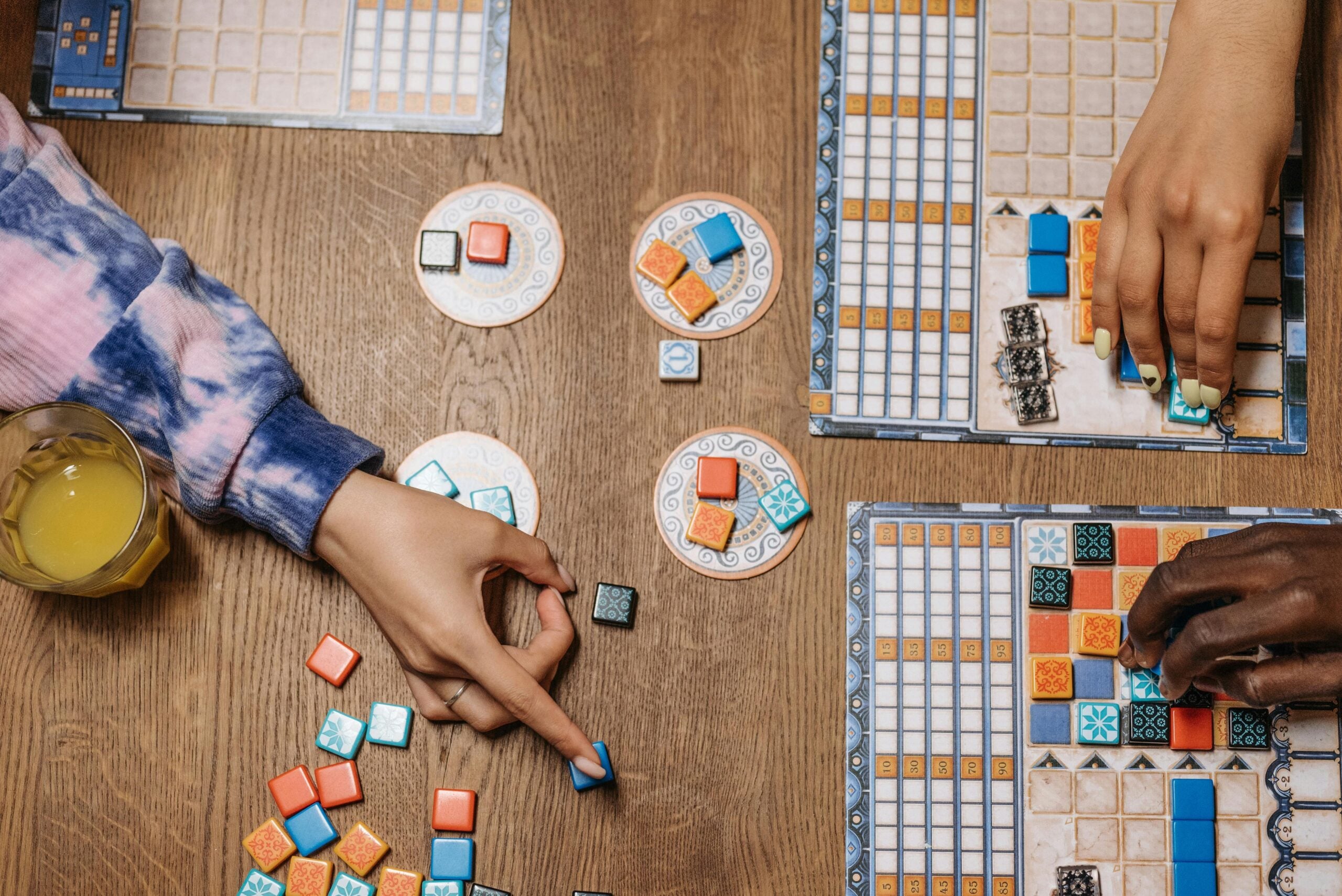
Whether you’re sitting down with friends to tackle a cooperative board game or opening a casual digital platform, the goal is the same: unwind without friction.

Shifting Away from Ruthless Competition

Think back to older tabletop nights. Games like Monopoly or Risk often brought tension, drawn-out rivalries, frustration and sometimes even awkward silences afterward. That dynamic is fading. Today, many players actively choose cooperation over competition.

Instead of trying to outmaneuver everyone else at the table, you’re now more likely to be working together toward a shared objective. Games like Pandemic, Spirit Island or The Crew turn the experience into a group challenge.

You win together or lose together and that changes everything. Communication becomes essential, strategy is shared and individual ego takes a back seat.

What you’re left with is a very different atmosphere. Game night feels less like a battleground and more like a collaborative puzzle, one where the reward is just as much about the experience as the outcome.

The Rise of Digital Social Playgrounds

At the same time, a similar shift is happening online. Social sweepstakes platforms are growing because they tap into that same low-pressure mindset. If you’ve ever found traditional online gambling environments intense or isolating, this model feels noticeably different.

Here, the focus isn’t on financial risk. Instead, these platforms use virtual tokens and reward systems that keep things casual.

You log in, interact, play and step away without the weight of real monetary stakes. The experience becomes less about winning and more about participation.

Features like daily rewards, chat functions and shared gameplay loops reinforce that sense of community. It’s not about going head-to-head with the house; it’s about engaging with a system that feels more like a social space than a high-stakes arena.

Finding Safe Options Online

As this space expands, knowing where to go matters. Just like you might research a new board game before bringing it to the table, digital platforms require a bit of awareness to navigate properly.

That’s where resources like a list of sweepstakes casinos come in. Instead of guessing which platforms are legitimate, you can quickly identify options that operate within promotional laws and are structured around non-monetary play.

These directories break things down clearly, what each platform offers, how rewards work and what kind of experience you can expect.

Having that clarity makes it easier to transition into these platforms without second-guessing your choices. You’re not chasing risk, you’re choosing a controlled, casual environment that aligns with how you want to spend your downtime.

Shared Mechanics in Diverse Hobbies

Even though cooperative board games and digital sweepstakes platforms look completely different, they’re built on surprisingly similar ideas.

Both prioritize accessibility. You don’t need to spend hours learning rules or navigating complex systems. You can jump in quickly and start engaging almost immediately.

Both reduce pressure. There’s no looming sense of loss, whether that’s losing money or being eliminated early in a competitive setting. That creates space for enjoyment rather than stress.

And both rely on balanced systems. Whether it’s a well-designed game deck or a certified random number generator, the mechanics are designed to feel fair. You’re not constantly questioning the system; you’re able to settle into the experience.

These shared design choices aren’t accidental. They reflect a broader understanding of what players actually want right now.

The Future of Community-First Entertainment

This is more than a trend; it is a new one that is changing priorities in the industry. Gamers are becoming more interested in immersive, social experiences that require collaboration rather than high-stakes competition and challenging environments.

There seems to be no place anymore for aggressive behavior on the playing field, as it creates a hostile environment that can drive the players away.

In such a way, developers are expected to push for more relaxed environments, which will result in even more confusion between the physical and virtual worlds.

There are hardly any differences anymore between a fun game with friends in the evening and an equally enjoyable session online.

The modern trends clearly show where the gaming industry is headed in its evolution. It does not necessarily mean that you will have quieter, slower and less aggressive games in the future; the experience itself should become more appealing, more rewarding for a player who takes part in the action.

Therefore, it is expected to see more cooperative missions, easier entry and drop-off systems, less strict progress and so on. Even competitive models will have to change in response to this paradigm shift.