
Why Cooperative Board Games Work So Well Online

A lot of board gamers still prefer playing around a real table, and that makes sense. Cards, tokens, side talk, and those small reactions during a tense turn are hard to replace. Even so, online gaming has become a very practical way to keep a group together when meeting in person is not easy.
That is especially true for cooperative games. Unlike competitive titles, co-op games already ask players to share information, solve problems together, and focus on the same goal. That team-first structure carries over surprisingly well to digital play.
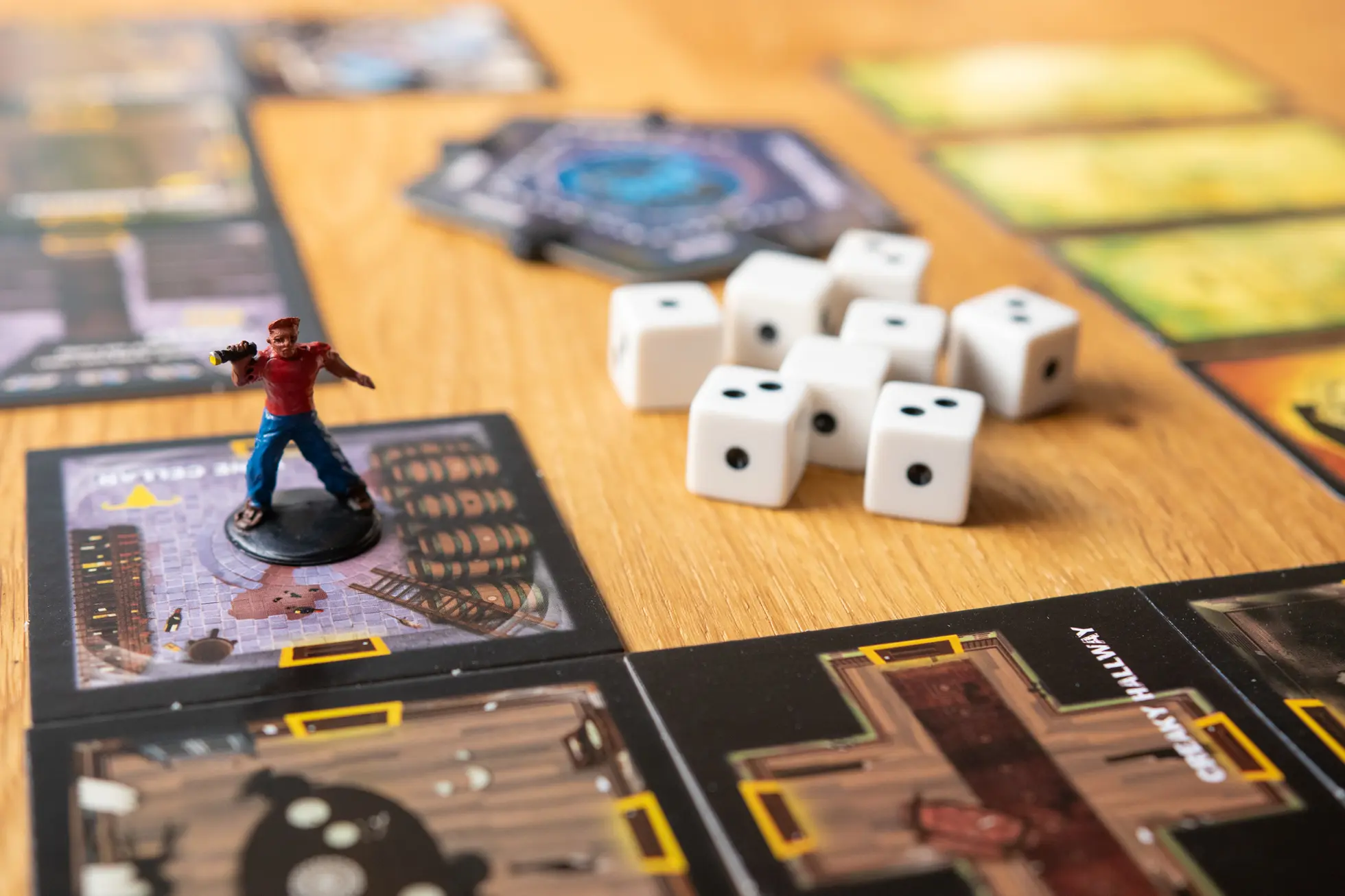
While some people spend their time on fast solo apps or even an online casino, co-op board games online offer something different. They create a shared challenge, and that makes the session feel social rather than disposable.
The best part is that online co-op gaming is not only about convenience. In some cases, it can actually make a game easier to teach, smoother to run, and simpler to fit into a busy week.
The teamwork already does most of the heavy lifting
Cooperative games are naturally suited to online play because the conversation matters just as much as the board state. In many co-op titles, players are already discussing priorities, weighing risk, and planning their next move out loud. That makes the move to a digital platform much less awkward than people expect.
In a competitive game, table presence can be a big part of the experience. Bluffing, reading body language, and protecting private information all matter. In a co-op game, the energy usually comes from solving the puzzle together. That same feeling can still come through on voice chat or video call.
Games like Pandemic, The Crew, Sky Team, or story-driven campaign games still work because the core loop stays intact. You are still reading the situation, reacting as a group, and trying to survive one more round.
Online platforms remove some of the friction
Another reason co-op games work online is that digital platforms handle some of the admin for you. Setup is quicker. Cleanup is instant. Rules enforcement is often built in. For heavier cooperative games, that can make a real difference.
A game that feels intimidating on the shelf can suddenly feel much more manageable online. Players can focus on decisions instead of sorting decks, tracking effects, or checking whether they missed a small rule. For new groups, that reduction in friction can be the difference between trying a game and avoiding it.
Platforms like Tabletopia have made it easier for players to test cooperative titles without needing the full physical setup first. That does not replace the boxed version, but it can help groups learn a system before bringing it to the table in person.
The social side is still there, just in a different form
Some players hear “online board games” and assume the experience becomes cold or mechanical. That can happen with the wrong group or the wrong game, but it is not the full picture.
Co-op games usually create a natural rhythm of discussion. One person spots a problem. Someone else suggests a workaround. Another player sacrifices their ideal turn to help the team. That rhythm is what people remember after the session. It still exists online.
In some cases, digital play even helps quieter players contribute more. A shared screen, a calmer pace, and the lack of physical table chaos can make it easier for everyone to speak up. Instead of one player reaching across the table and taking over, online play can encourage more deliberate discussion.
That matters in co-op gaming because the fun comes from shared ownership. A win feels better when everyone helped build it.
Some co-op games are better online than others
Not every cooperative game improves when it goes digital. Games that rely heavily on tactile elements, hidden communication, or a physical gimmick may lose something. But many strategy-focused co-op games hold up very well.
Puzzle-heavy titles, card-driven systems, and campaign games often make the transition with minimal loss. If the main appeal is teamwork and decision-making, there is a good chance the game can still shine online.
That is one reason articles like The Best Co-Op Board Games You Can Play Online with Friends work so well for this audience. Players are not only looking for “good games.” They want games that still feel good when the setting changes.
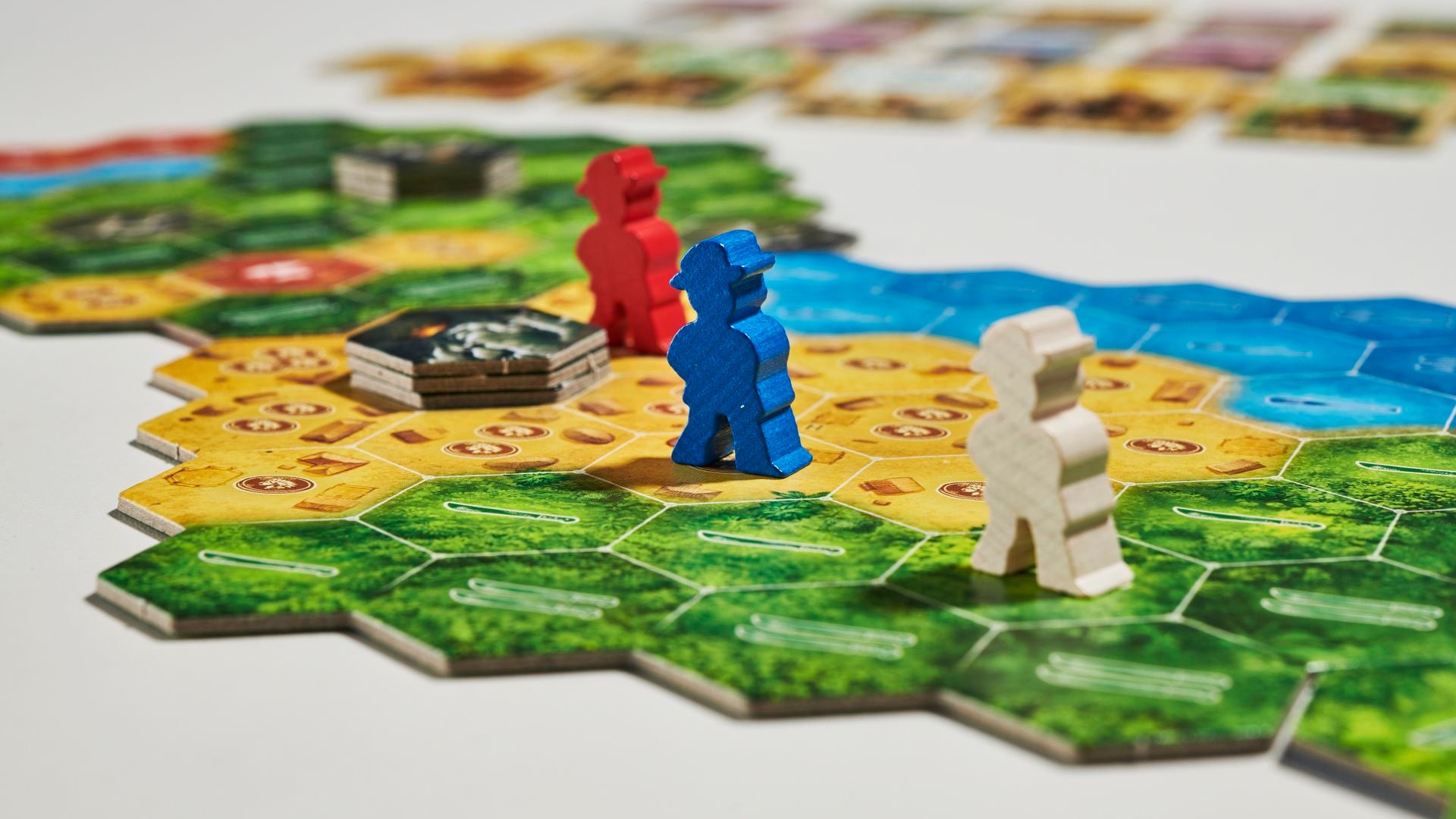
Online play can strengthen a gaming group
One underrated benefit of online co-op gaming is consistency. It gives groups a way to keep meeting even when life gets crowded. Travel, work, family schedules, and distance no longer end the campaign. They just change the format.
That matters more than people admit. Many groups do not stop playing because they lose interest. They stop because organizing a physical session becomes harder over time. Online options help keep the habit alive.
For co-op players, that can be enough. One weekly session on a laptop is often better than waiting three months for the “perfect” in-person night.
Online gaming is not a replacement for the tabletop experience, but for cooperative board games, it is a very good extension of it. The shared goals, open discussion, and team-based decisions that make co-op games enjoyable in person are the same things that make them work online.
For some groups, digital play is the backup plan. For others, it has become part of the regular routine. Either way, cooperative games are one of the few areas of tabletop gaming that adapt naturally to the screen.
That is why this corner of the hobby keeps growing. The format changes, but the core appeal stays the same. Solve the problem together, survive the turn, and try to pull off one more win as a team.
