
Winter Nights, Winning Hands: Why Poker Spikes in the Cold Season

Cold weather changes how people spend their evenings. Plans get shorter. Commutes feel longer. And a lot of leisure time is spent indoors.
That is one reason poker tends to feel more active in the colder months. The game fits winter well. It does not need a field, a venue, or a big block of free time.
A player can sit down for one table, a quick tournament, or a longer session from home. And for people who want that option, online poker turns a dark weekday into an easy game night.
Here’s the key point early: winter does not magically make people better at poker. But it does make poker easier to choose. When nights are long and outside plans shrink, games that reward focus, patience, and repeat play often get more attention. Poker checks every box.
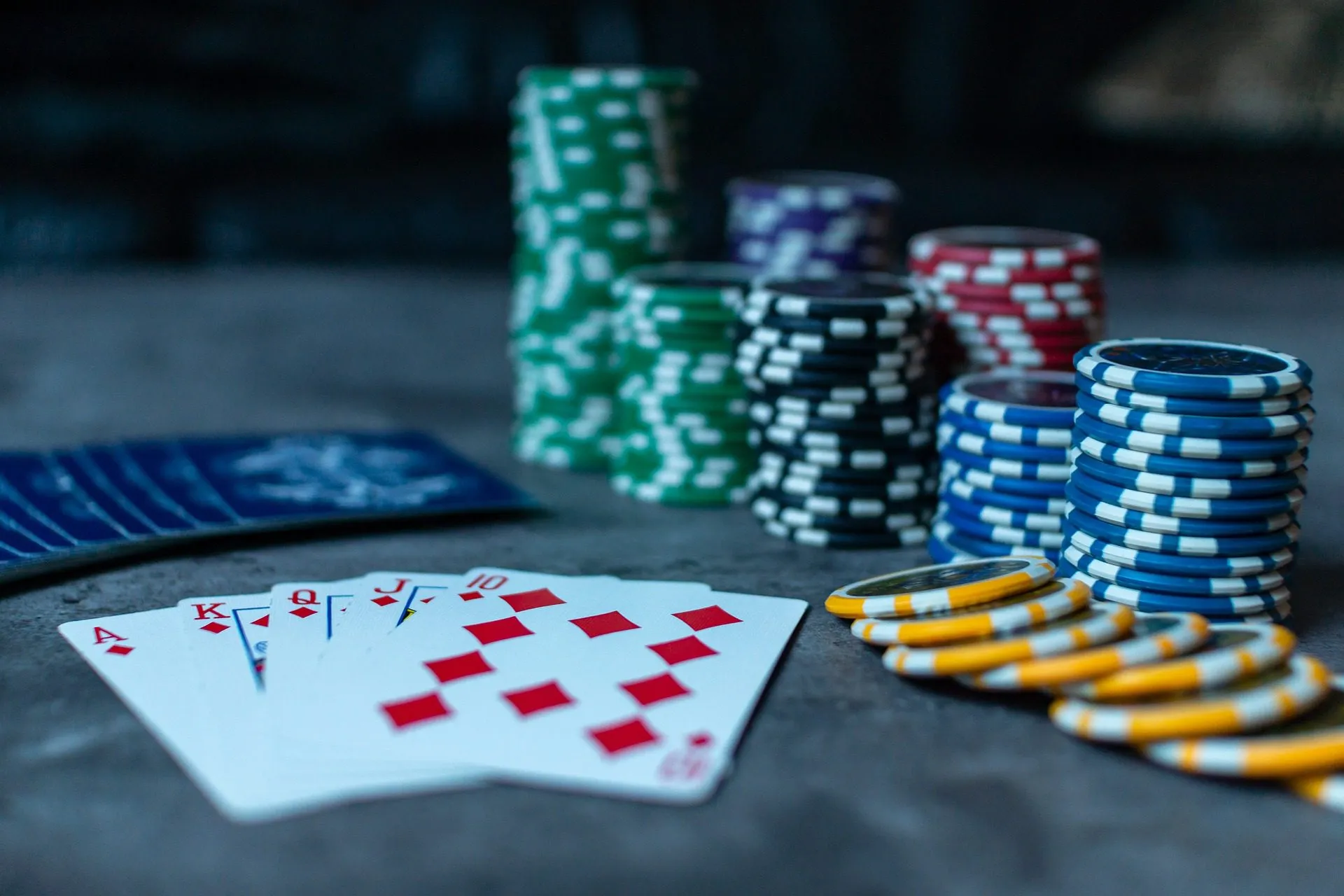
Why winter changes the way people play?
Winter pushes leisure toward convenience. That matters more than people admit.
In summer, free time competes with everything else. People go out more. Weekends fill up faster. In winter, the opposite often happens. People are home more, and they look for entertainment that starts fast and feels worth the time.
Poker fits that pattern because it scales well. It works as a long, serious session. It also works in smaller pieces. A player most definitely can sit down for an hour and still feel like the session was worth it, and that flexibility matters quite a lot during winter times, when routines tend to feel tighter and more home-based.
Less setup, more repetition
Board games need a group, a table, and a shared window of time. Poker is social as well, but it asks for less setup when people are scattered, tired, or staying in.
That lowers the barrier to play. And when the barrier drops, frequency often goes up. Winter does not always create bigger sessions. More often, it creates more regular ones.
Winter poker is often about rhythm, not just volume
A lot of people picture a winter poker spike as a dramatic rush. Sometimes it is. But often it looks more ordinary than that.
Players return to habits. They log in after dinner. They play one tournament on Sunday night. They keep a small weekday routine because the weather makes staying home feel normal instead of limiting. That kind of rhythm matters. Poker is a game where repeated decision-making builds comfort, and winter gives people more chances to repeat the same pattern.
This is also where player behavior shifts a bit.
Players tend to value calm, structure, and familiar formats
In colder months, many players lean toward what feels stable. They are less interested in spending half the night learning something new. They want a format they know, a clear pace, and an experience that feels smooth on a laptop or mobile.
That does not mean winter poker is boring. It means it often becomes more deliberate. People settle into known formats, manage their bankroll more carefully, and give more weight to comfort. A warm room, a reliable connection, and a predictable session length can matter almost as much as the cards.
Why Winter Brings More Players Back to the Table?
Recent data does not prove that every region sees the same winter jump in poker activity. That cannot be verified with certainty. Even so, current research supports a broader point: digital poker is increasingly built to fit everyday life.
Easier access, easier repeat play
Grand View Research noted that cross-platform interoperability, which allows players to switch between devices without losing access or continuity.
In practical terms, that makes poker easier to return to during winter, when play often happens in shorter stretches at home. That last connection is an inference from the report’s technology findings, not a direct statement in the report.
What cold-season players usually look for?
When winter poker picks up, the appeal is usually pretty simple:
- low setup
- flexible session length
- familiar rules
- steady pace
- easy return the next day
That combination is stronger than it looks. Poker can feel social without requiring a full social plan. It can feel competitive without demanding a whole evening, and it rewards attention, which makes it a really good fit for nights when people want something more engaging than just passive streaming or doom scrolling…
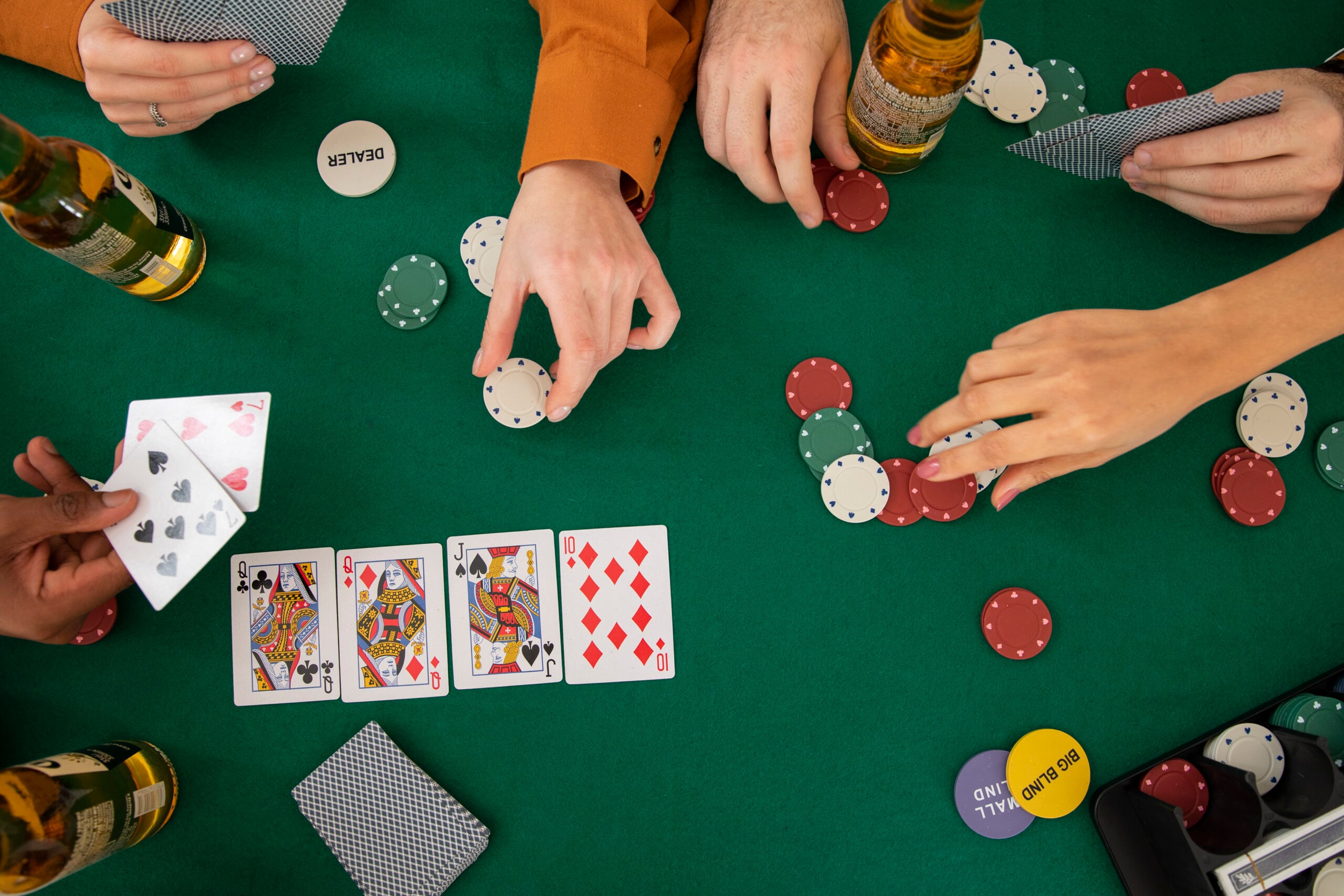
Why this also makes sense for board-game fans?
Winter is also the season when solo or low-friction card play gets more attractive, especially for evenings when gathering a full group is not realistic, and you still want a focused card-based challenge.
The cold-season edge is really about fit
Poker spikes in the cold season because winter changes the shape of free time.
People stay in more. They choose activities that start quickly. They come back to games that reward repetition. And poker fits those conditions better than a lot of other hobbies. It is strategic, flexible, and easy to revisit without much setup.
So the real story is not just the weather. It is fit. Winter gives poker the kind of environment where it makes immediate sense, and that is often enough to turn an occasional player into a regular one.
