What Makes a Cooperative Board Game Feel Fair for Every Player

Cooperative board games bring people together around a shared challenge. Players work as a team, making decisions and solving problems to achieve a common goal. A great cooperative game feels exciting because everyone plays a part in the outcome.
Fairness is essential in cooperative games. Each player should feel their actions matter, and balanced teamwork and challenge keep everyone engaged.
Transparent Mechanics and Trust in the Game System
Clear systems enable players to grasp game mechanics without confusion. When rules clarify how outcomes occur, players gain confidence in their choices. Trust grows as everyone understands what drives success during each round.
Many cooperative games introduce elements of chance. Designers use dice rolls, shuffled cards, or event decks to shape how the game world evolves. Players typically accept randomness when the rules specify precisely how those outcomes emerge.
As a game grows more complex, clarity becomes crucial. Players must understand how actions produce results to plan effectively together. A consistent rule system keeps the group focused on solving the challenge rather than questioning the game.
Digital game developers often apply the same design principles to their systems. They build mechanics that clearly show how rewards, progress, or events appear during play. Transparency keeps players engaged by making the experience predictable and fair.
Story-driven experiences often depend on this same structure. Many people notice this design approach in Grizzly’s Quest, where players follow clear progress steps as they explore a themed environment.
Games built around visible systems tend to keep players comfortable because each action leads to an understandable outcome.
Shared Goals That Encourage Team Play
Cooperative games work best when all players move toward the same objective. The group might need to solve a mystery, survive a difficult mission, or complete a shared task. A clear goal keeps the team focused on working together instead of competing with each other.
Group discussion is key. Players discuss options and suggest ideas before acting, keeping everyone involved in the process. Team goals also reduce the risk of a single player trying to control the whole game.
Everyone understands that success depends on shared effort. The game becomes more enjoyable when players combine their ideas rather than follow a single plan.
Role systems strengthen teamwork. One player may focus on planning while others manage resources or abilities. These differences make every participant feel useful.
Well-designed cooperative board games structure roles so that no single player becomes more important than the others. Each role solves a different problem the group faces. When these pieces work together, players see how teamwork moves the story forward.
Clear and Balanced Game Rules
Simple rules make cooperative games easy to enjoy because players can understand their turn without constant explanation. Clear instructions also help groups start quickly.
Consistency is key to fairness. The same action should yield the same result each time. This reliability lets players build strategies that the team can trust.
Balanced design prevents one tactic from solving every challenge. Good games encourage players to carefully consider each decision. Game situations change based on the cards drawn, resources used, or earlier choices.
Many cooperative games use step-based systems to guide play. Players follow a turn order that moves from planning to action and then to consequences. This structure keeps the game organised and easy to follow.
Clear rules also reduce frustration during difficult moments. A team might fail a mission or lose progress during the story. Players accept these setbacks more easily when the rules clearly show how the situation occurred.
Equal Opportunities for Player Decisions
Fair cooperative games enable each player to contribute. Every turn should present options that influence the outcome. Players stay engaged when their choices matter.
Games often use unique abilities to support participation. One player might handle movement, another manage resources, and another solve puzzles. These abilities help ensure each participant has a meaningful role in the team’s success.
Turn systems can also support equal participation. Many cooperative games rotate actions around the table so no one waits too long for their turn. This steady rhythm keeps attention focused on the game.
Group conversation remains central during turns. Players share ideas and discuss strategies before making a decision. Cooperation grows when every voice is heard.
Some games include challenges that require multiple players to solve. A puzzle may require one player’s ability and another player’s action. These collaborative mechanics help ensure that the outcome depends on group cooperation rather than individual control.
Reward Systems That Feel Fair to the Group
Rewards show progress in cooperative games. Many titles treat victory as a shared achievement rather than an individual one. The whole group wins or loses together.
Progress systems often appear through story events, unlocked abilities, or improved resources. Players notice their advancement as the game unfolds. Small milestones give the team a reason to keep pushing through difficult challenges.
Balanced reward systems also avoid favouring a single player. Everyone benefits when the group completes a goal or overcomes a challenge. This shared progress reinforces the game’s cooperative spirit.
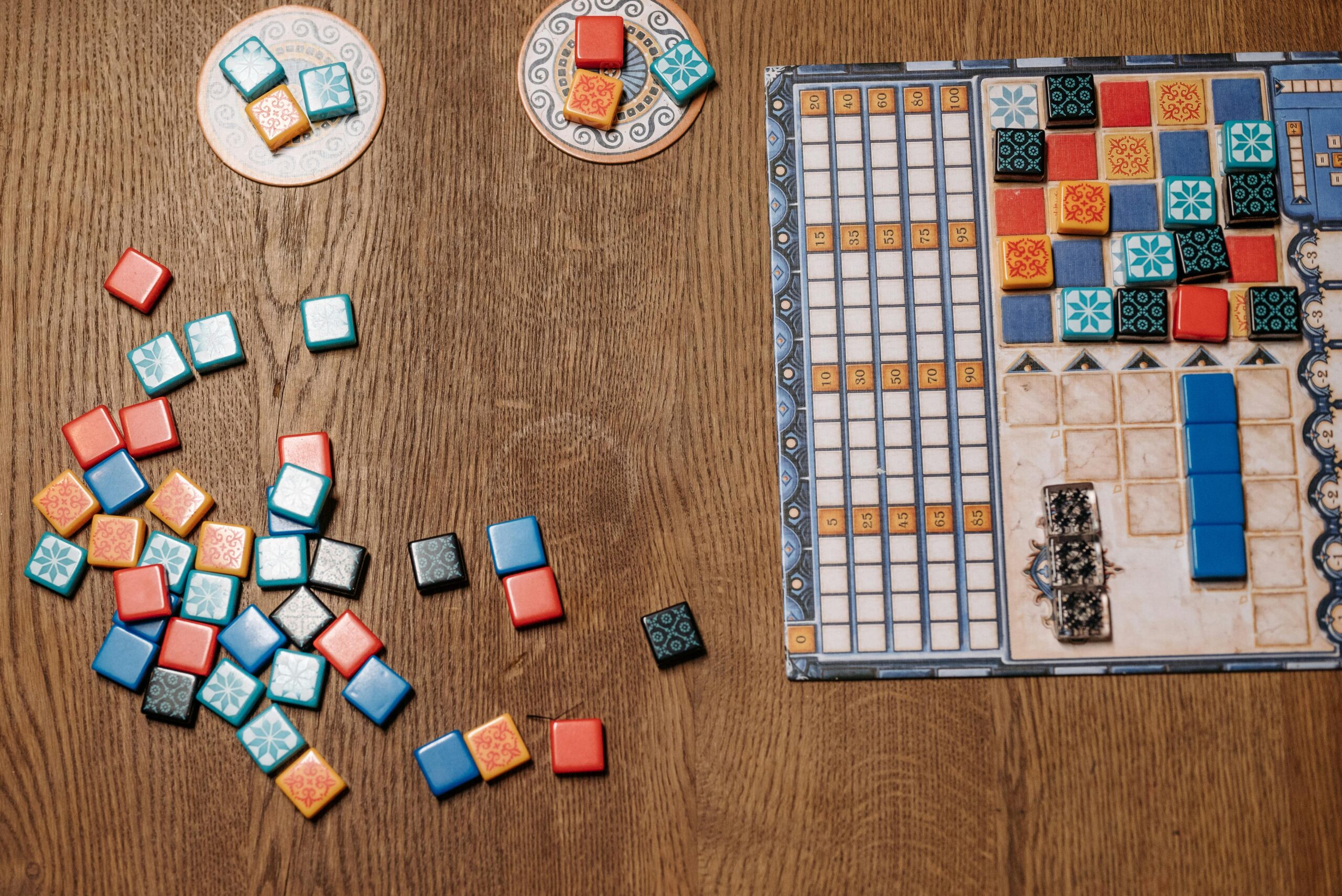
Some games track progress visibly. Boards, tokens, or cards represent team status. Players can quickly gauge progress toward success or failure.
Clear rewards maintain trust. When players see how progress appears, they gain confidence in the system. A fair structure keeps the focus on teamwork rather than competition.
Final Words
Fair cooperative games succeed because they include every player. Clear mechanics, shared goals, and balanced rules encourage teamwork.
Players return to games that give every participant meaningful influence while keeping challenges engaging. Well-designed cooperative games unite groups around a shared win or loss, making the journey memorable.
