
From Arcade Cabinets to Video Slots: How Retro Gaming Shaped Modern Slot Machines

Before gaming moved into living rooms and onto smartphones, arcades were cultural landmarks. Rows of glowing cabinets, coin slots clinking, and CRT screens flickering defined entertainment in the 70s and 80s. Slot machines often stood nearby, sharing the same coin-operated ecosystem that made arcade culture so iconic.
Though they served different purposes, arcade games and slot machines evolved side by side.
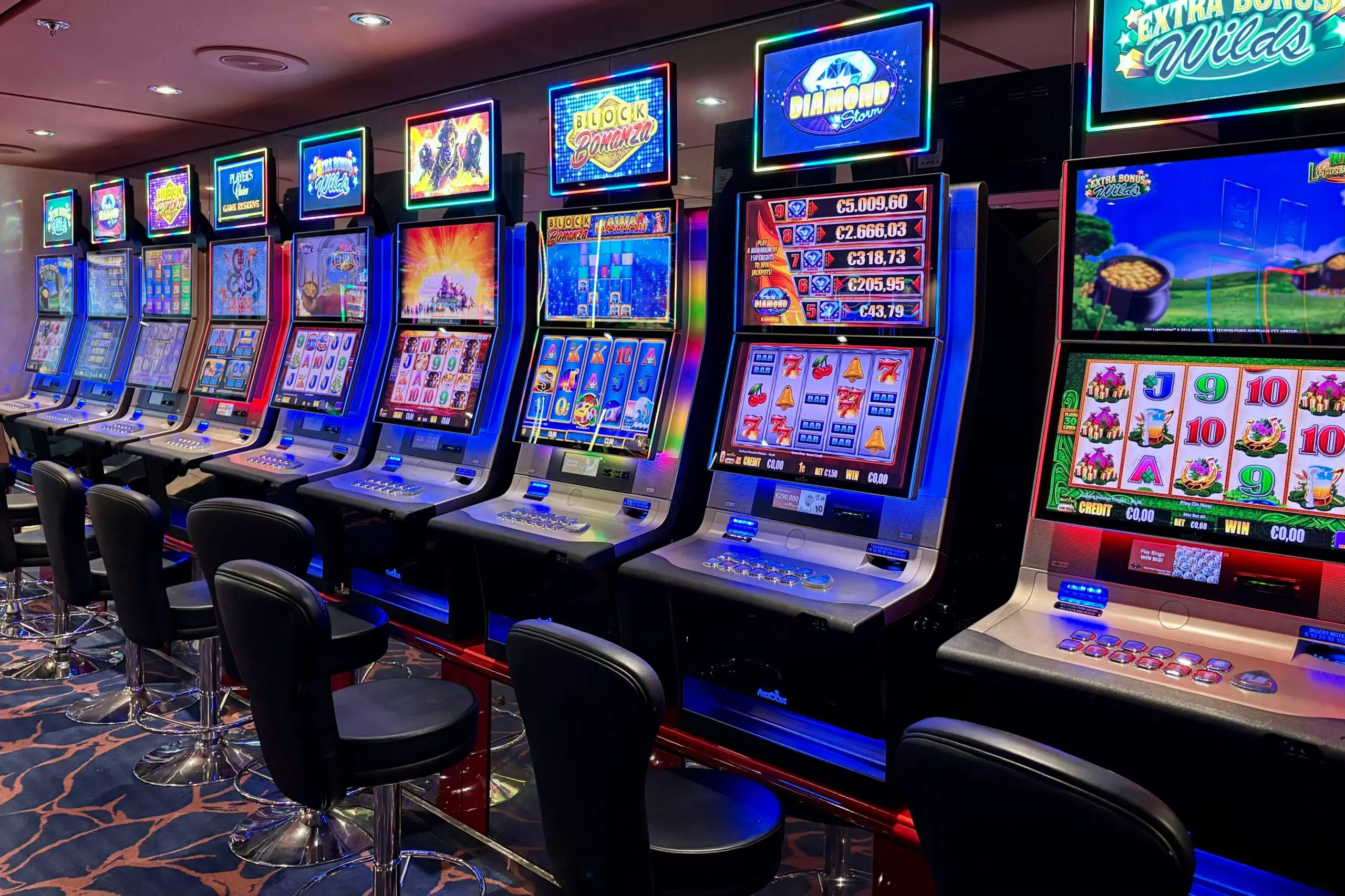
Early slot machines — often called fruit machines — were electromechanical. Pulling a lever physically spun metal reels, and the outcome was determined by gears and internal mechanisms.
The experience was tactile and rhythmic. Symbols like cherries, lemons, bells, and bars became instantly recognizable, much like the pixelated characters that dominated arcade screens.
As arcade games transitioned from mechanical amusements to fully electronic systems, slot machines underwent a similar transformation.
The Shift to Video Technology
By the late 1980s and 1990s, CRT monitors had replaced purely mechanical reels. Video slots allowed developers to simulate spinning reels digitally, opening the door to animated symbols, multiple paylines, and bonus features that physical hardware couldn’t support.
This mirrored what was happening in arcades. Games were becoming more visually dynamic, with layered sound effects and stronger thematic elements. Slot machines followed that path, adopting brighter graphics and more immersive audiovisual design.
The move from mechanical systems to software-driven experiences changed the industry permanently. Outcomes were no longer tied to physical reel strips but determined by programmed algorithms, giving designers greater flexibility.
Australia’s Influence on Modern Slot Design
One of the most influential players in this transition was Aristocrat, founded in Sydney in 1953. The company became a major force in developing electronic and video-based slot machines, helping to shape the format still used globally today.
Australian manufacturers were known for experimenting with feature-rich designs and distinctive mathematical models, influencing what are now widely recognized as modern Australian slot games. These titles often blended traditional reel mechanics with advanced bonus systems and bold visual presentation, building on decades of innovation.
While technology has continued to evolve, many core mechanics established during this era remain central to how slots function today.

From Cabinets to Digital Platforms
As gaming shifted online in the late 1990s, slot machines followed. The physical lever disappeared, replaced by digital interfaces, but the structure stayed familiar: spinning reels, symbol combinations, and suspenseful pauses before results lock in.
Even in today’s fully digital environment, retro aesthetics persist. Fruit symbols still appear. Classic “bar” icons remain common. Some modern releases deliberately echo the look of early video machines, drawing on nostalgia much like pixel-art indie games reference 8-bit classics.
Despite decades of technological advancement, slot machines retain the DNA of the arcade era. They evolved alongside video games, borrowing design principles built around rhythm, repetition, and visual feedback.
The cabinets may be gone, and the coins replaced by digital credits, but the experience — watching reels spin in anticipation — still carries a trace of arcade culture with it.
