How Cooperative Board Game Design Is Quietly Shaping the Best Digital Entertainment Platforms in 2026

If you play cooperative board games regularly, you already understand something most digital platform designers are just now figuring out.
The best experiences are not built around isolated players grinding alone. They are built around shared objectives, team based problem solving, and the feeling that everyone at the table contributes to whether the group wins or loses.
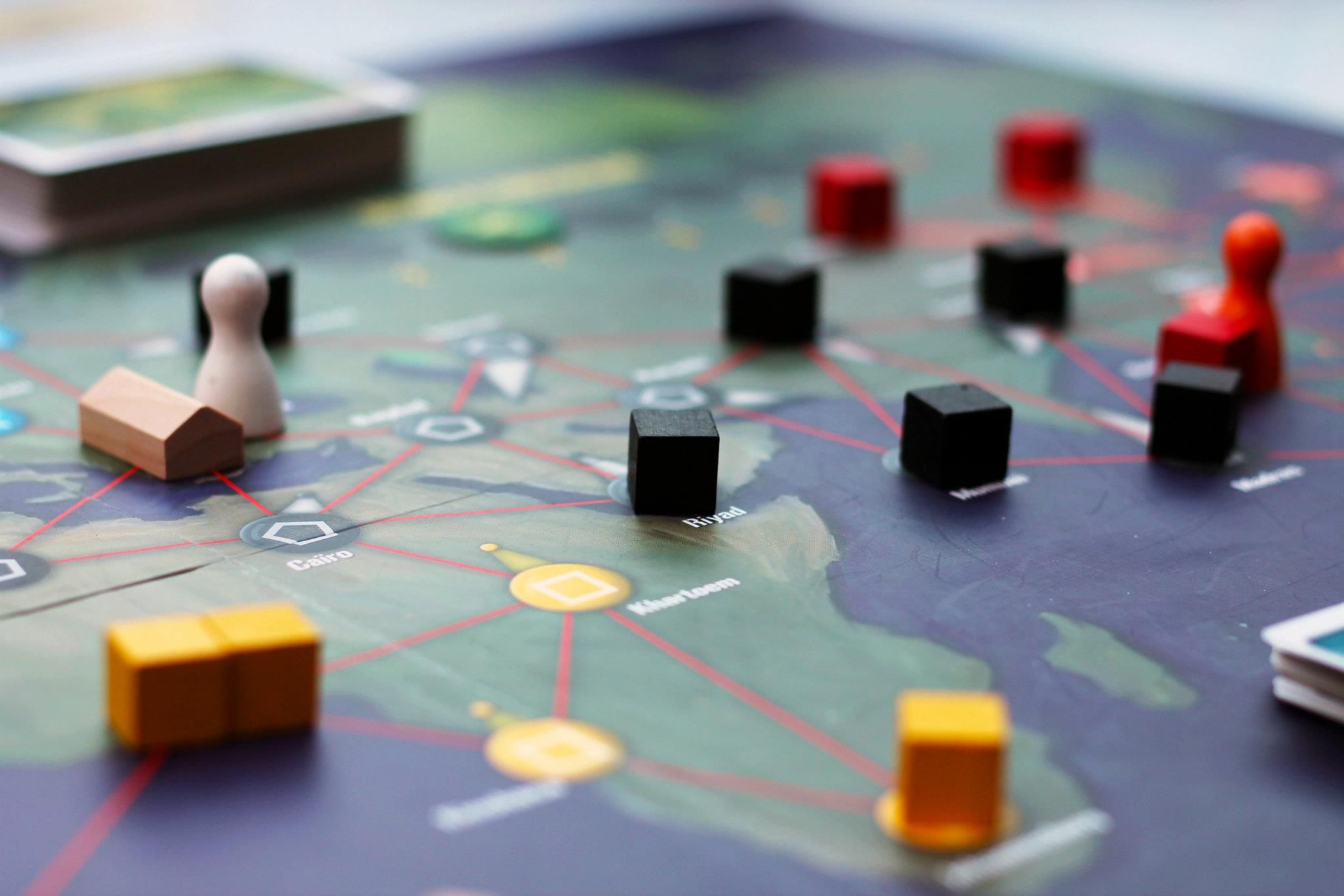
That design philosophy, which has driven the cooperative board game genre since Reiner Knizia’s Lord of the Rings in 2000 and Matt Leacock’s Pandemic in 2008, is now showing up across a new generation of digital entertainment platforms.
From crypto reward systems to multiplayer mobile apps to community-driven entertainment sites, the fingerprints of co-op game design are everywhere in 2026.
Reviewers at sites that evaluate digital entertainment alongside tabletop experiences, including those covering trusted crypto casino platforms and their community mechanics, have noted that the most engaging online platforms now borrow directly from the cooperative playbook.
This article looks at which cooperative board game mechanics have made the biggest jump into digital platforms, why they work so well outside the tabletop, and what it means for people who care deeply about good game design.
The Shared Objective Problem
Every cooperative board game starts with the same fundamental design question: how do you make a group of individual players feel like they are working toward one goal together?
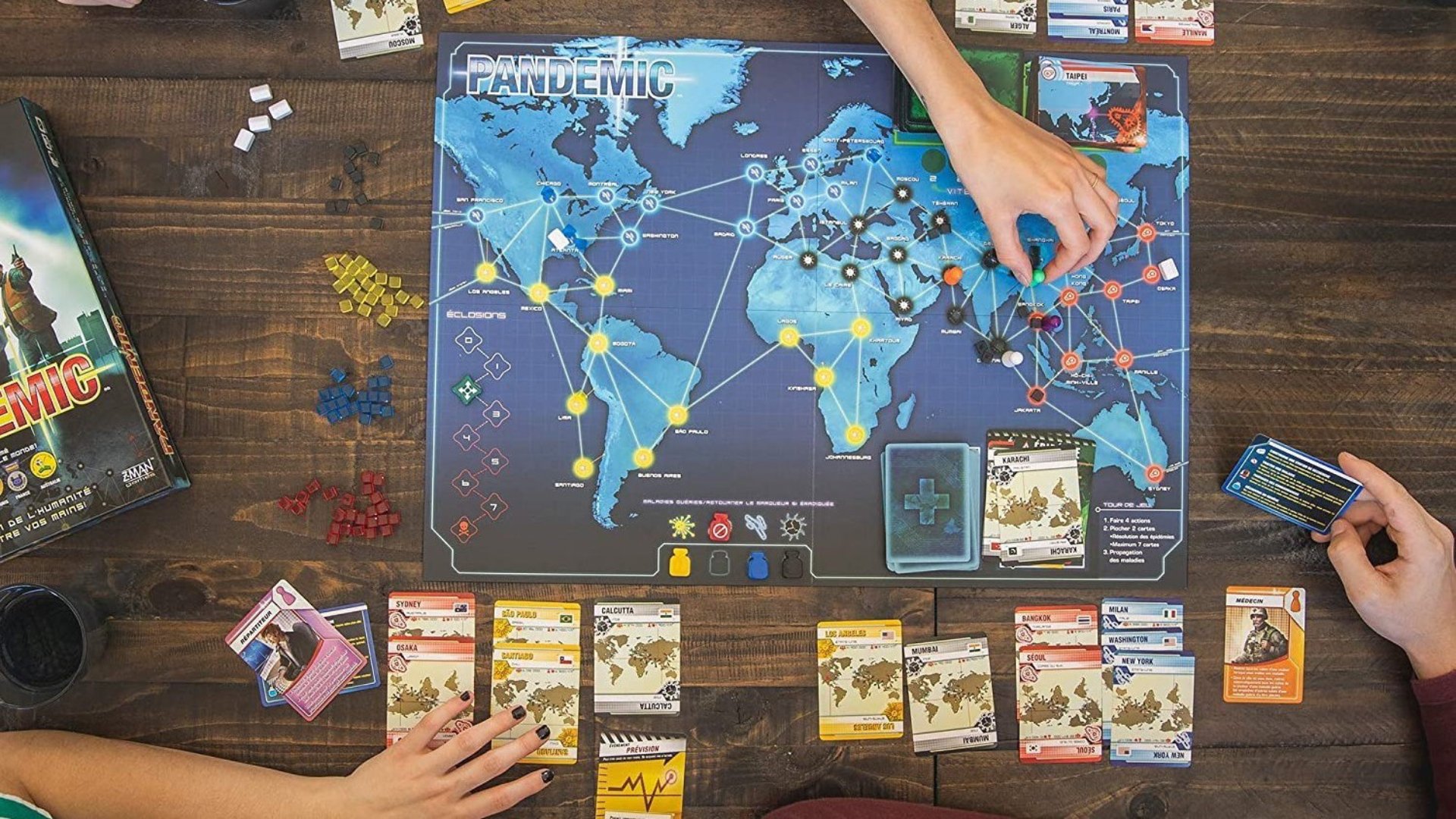
In Pandemic, the answer is a shared loss condition. If the disease spreads too far, everyone loses. In Spirit Island, the answer is a shared map.
Every spirit affects the same island, so your decisions directly impact your teammates. In Gloomhaven, the answer is scenario based objectives where personal goals exist alongside group goals, creating a tension that makes both matter.
The gamification industry has recognized this pattern. A peer reviewed study published in ScienceDirect titled “Gamification of Cooperation: A Framework, Literature Review and Future Research Agenda” found that 37.3% of gamified platforms using cooperative mechanics incorporated team based objectives, and that hybrid approaches combining individual and group goals were the most effective at sustaining long term engagement.
That finding mirrors what every co op board game designer already knows: the best games make you care about your own performance and your team’s outcome at the same time.
Asymmetric Roles in Digital Spaces
One of the most celebrated mechanics in modern cooperative board games is asymmetric player powers. In Spirit Island, every spirit has completely different abilities and plays by different rules.
In Aeon’s End, each mage has a unique set of starting cards and a special ability that changes how the whole group approaches the boss fight. In Gloomhaven, each character class has a distinct card pool that makes them excel at different aspects of combat.
This asymmetry is what makes co op games replayable. When every player brings something different to the table, the group dynamic shifts every time you change the lineup.
Digital entertainment platforms have adopted this principle through tiered progression and rank systems. On platforms that use ranked reward structures, different user levels unlock different bonuses, perks, and access privileges. A new user and a high level user are not having the same experience on the same platform.
They have different tools, different rewards, and different opportunities available to them. The platform creates asymmetry through progression rather than through character selection, but the effect on engagement is the same: every participant feels like their specific position in the ecosystem matters.
Yu kai Chou, a gamification researcher and author of “Actionable Gamification: Beyond Points, Badges, and Leaderboards,” identified this as the “Development and Accomplishment” core drive in his Octalysis framework.
His research shows that users who feel a sense of progression and differentiation from other users are significantly more likely to remain engaged over time.
That principle is identical to what makes asymmetric co op board games work. When you play a character that nobody else can play, you feel essential.
Progressive Difficulty and the Escalation Curve
Great cooperative board games get harder as you play. Pandemic’s infection rate increases. Spirit Island’s invaders push deeper into the island each round.
The Captain is Dead throws increasingly chaotic threats at your crew as the game progresses. This escalation curve is a core element of co-op design because it creates a rising tension arc that makes the final moments of the game the most intense.
This mechanic has a direct parallel in how digital platforms structure their reward and challenge systems. Platforms that use rank based progression systems make early levels easy to reach and later levels significantly harder. The rewards grow proportionally.
Early participation earns small bonuses. Sustained, skilled engagement over time earns access to larger prize pools, exclusive events, and higher-tier promotions.
According to a taxonomy of player progression systems published by IntechOpen in 2025, hybrid progression models that combine XP based advancement with item based and social rewards are the most effective at maintaining engagement across diverse player types.
The researchers specifically noted that progression systems work best when they “provide clear and satisfying feedback loops, reinforcing behaviors aligned with in game objectives.” That sentence could just as easily describe the escalation curve in a well designed cooperative board game.
The psychology behind this is well established. The concept of “flow,” first described by psychologist Mihaly Csikszentmihalyi, explains that people are most engaged when the challenge they face is slightly above their current skill level. Too easy and they get bored.
Too hard and they get frustrated. Cooperative board games manage this through scaling difficulty. Digital platforms manage it through tiered progression. The mechanic is the same. The medium is different.
Communication and Community
If there is one thing that separates cooperative board games from every other type of game, it is communication. You cannot win Pandemic without talking to your teammates about where to allocate resources.
You cannot beat a boss in Aeon’s End without coordinating your spell order. You cannot survive The Grizzled without reading the table and making sacrifices for the group.
This communication element is what makes co-op games feel fundamentally different from competitive games. You are not trying to outplay the person next to you. You are trying to solve a problem together.
The most successful digital entertainment platforms in 2026 have figured out that community features are not optional add ons. They are core design elements.
Platforms that build active communities around shared goals, leaderboard competitions, and group events retain users at significantly higher rates than platforms that treat each user as an isolated individual.
StudioKrew, a gamification development company, reported in 2025 that apps with social and community features see up to 40% higher retention rates compared to apps without them.
Their research found that guild systems, team based challenges, and shared progression mechanics are among the strongest retention drivers in digital entertainment today. These are the exact same mechanics that make cooperative board games work.
The Co-op Board Games blog itself has published articles exploring the overlap between cooperative tabletop gaming and digital entertainment communities.
Their piece on the interconnectedness of cooperative board game players and iGaming communities noted that both groups “thrive on games that involve risk and reward” and that “the social aspects of interacting with other players” drive engagement in both physical and digital settings.
The parallel is not accidental. Both communities are drawn to the same core experience: working with other people toward a shared goal.
What Board Game Designers Understood First?
The board game design community figured out several principles years before the digital entertainment industry caught up.
Cooperative play reduces toxicity. When everyone is working together, there is no incentive to attack other players. Board game designers understood this intuitively and built entire game systems around eliminating player versus-player conflict.
Digital platforms are now applying the same insight by emphasizing community events, shared prize pools, and group achievements over individual competition.
Variable difficulty keeps groups together. Games like Pandemic and Spirit Island let you adjust difficulty levels so that new players and experienced players can enjoy the same game.
Digital platforms use tiered systems that let casual users and power users coexist on the same platform without either group feeling alienated.
Loss conditions create stakes. In cooperative board games, the possibility of everyone losing together is what makes winning meaningful.
Digital platforms create stakes through time limited events, expiring bonuses, and prize pools that only active participants can access. The urgency is real because the opportunity is finite.
Roles create investment. When you choose a character in a co op game, you become that character for the duration of the session. You care about their abilities, their weaknesses, and their contribution to the team. Digital platforms create the same investment through profile progression, rank titles, and personalized reward paths that make your account feel like it belongs to you specifically.
The global gamification market reached an estimated $29.11 billion in 2025 according to Mordor Intelligence, with projections of growth to $112.32 billion by 2031 at a compound annual growth rate of 25.24%.
The fastest growing segments within that market are the ones that most closely resemble cooperative game design: team based engagement, community driven events, and hybrid individual collective reward systems.
That is not a coincidence. It is the digital industry catching up to what Reiner Knizia, Matt Leacock, Isaac Childres, and R. Eric Reuss figured out with cardboard, tokens, and rulebooks.
Where This Goes Next?
The cross pollination between cooperative board game design and digital platform design is only going to accelerate. Several trends are already visible.
AI driven adaptive difficulty is coming to both mediums. Board games are already experimenting with app assisted difficulty scaling (games like Mansions of Madness and Descent: Legends of the Dark use companion apps to manage game state).
Digital platforms are using AI to personalize the experience for each user based on their behavior. Mordor Intelligence reports that over 65% of gamification platforms now integrate AI for personalization. The result in both cases is a better tuned challenge curve.
Cross platform progression is emerging. Some digital platforms are beginning to connect reward systems across different apps and services. This mirrors the legacy and campaign mechanics in cooperative board games, where your decisions in one session carry forward into future sessions.
Gloomhaven pioneered this in tabletop with its branching campaign. Digital platforms are following the same model with persistent account progression that rewards long term engagement.
Community driven content is growing. Cooperative board games have always relied on community house rules, fan scenarios, and player created content. Digital platforms are building tools for users to create their own events, challenges, and content within the platform ecosystem.
When users become co creators, engagement deepens in the same way it does when a gaming group modifies a co op board game to fit their play style.
For anyone who has spent years around the cooperative board game table, none of this should feel unfamiliar. The mechanics that make Spirit Island absorbing, that make Aeon’s End replayable, and that make Pandemic a cultural touchpoint are the same mechanics that the most ambitious digital entertainment platforms are now building their entire user experiences around.
The tabletop community got there first. The rest of the world is finally catching up.
