Cooperative Lessons from Pokémon Go for Tabletop Game Nights

Board games and digital games are often placed in separate categories, yet both rely on structured interaction, shared objectives and evolving strategies.
Pokémon Go may be a mobile augmented reality title, but many of its cooperative systems reflect principles familiar to tabletop enthusiasts.
For readers at coopboardgames.com, examining these parallels offers useful insights into how cooperative mechanics translate across mediums.
Shared Objectives Drive Engagement
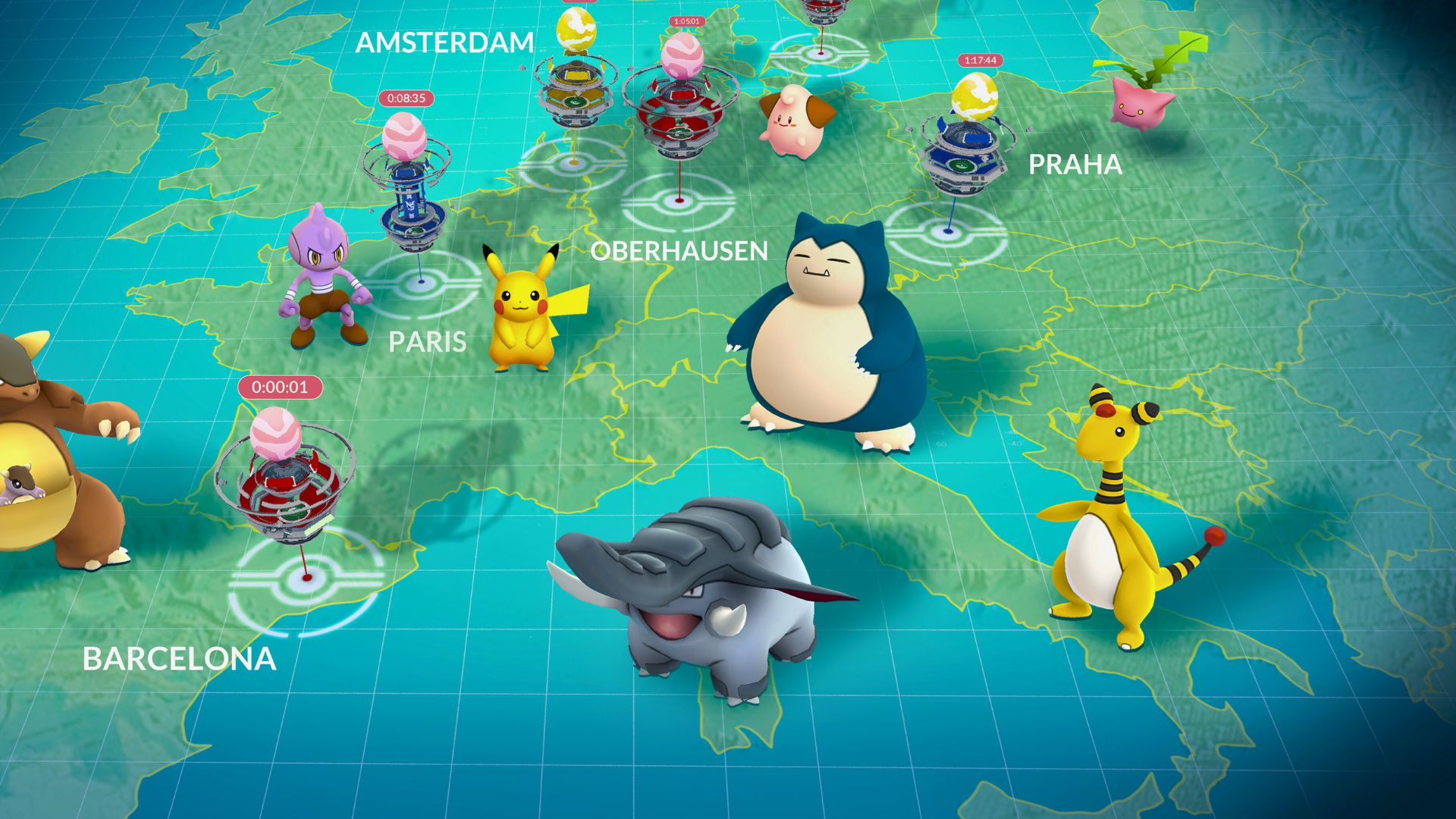
One of the most compelling aspects of cooperative board games is the alignment of goals. Whether defending a city from infection or surviving a dungeon crawl, players must collaborate to succeed. Pokémon Go replicates this structure through raid battles.
Raid encounters require multiple trainers to coordinate timing, team composition and resource management. Victory depends not on individual achievement but on collective effort.
Key cooperative similarities include
- Role differentiation based on team composition
- Resource allocation before high difficulty encounters
- Communication to maximize efficiency
- Shared rewards reinforcing group participation
These elements mirror classic cooperative tabletop design where teamwork overrides competition.
Resource Planning as Strategic Foundation
In both digital and physical cooperative games, preparation influences outcomes. In Pokémon Go, players manage items such as raid passes, potions and PokéCoins. Strategic planning before an event ensures smoother participation.
Some players explore ways to buy pokemon go pokecoins when preparing for extended raid sessions or community events. Platforms such as Eldorado exist within the broader digital ecosystem that surrounds virtual currencies, though players should always evaluate official policies and ensure secure transactions.
From a design perspective, resource management encourages forward thinking. The need to balance inventory space, healing items and premium currency parallels tabletop mechanics where limited actions and supplies shape strategic decisions.
Real World Interaction Enhances Cooperation
Unlike traditional digital titles, Pokémon Go encourages physical presence. Community days and raid meetups transform public spaces into collaborative environments.
This hybrid model combines digital mechanics with real world social interaction. Board games operate similarly by fostering face to face communication around a shared objective.
The cooperative dynamic in both settings includes
- Verbal coordination
- Shared risk and reward
- Collective problem solving
- Post event reflection and discussion
The experience becomes as important as the outcome.
Incremental Progression and Long Term Play
Many cooperative board games emphasize campaign systems. Progress unfolds over multiple sessions rather than a single evening. Pokémon Go mirrors this through seasonal research tasks and evolving raid rotations.
Players return regularly to pursue long term goals. This sustained engagement builds community familiarity and shared memory, much like campaign based tabletop systems.
The pacing encourages commitment rather than instant gratification.
Balancing Individual Contribution with Team Success
A core challenge in cooperative design is ensuring that each participant feels meaningful without overshadowing the group. Pokémon Go achieves this through damage contribution metrics and shared capture opportunities.
Each player contributes uniquely based on Pokémon selection and combat timing. However, success remains collective.
Board game designers often struggle to balance individual agency with group objectives. Pokémon Go demonstrates how transparent contribution tracking can maintain fairness while reinforcing teamwork.
Cooperation Beyond the Table
Pokémon Go may exist on smartphones rather than tabletops, yet its cooperative structures share clear parallels with board game design. Shared objectives, resource management and community interaction form the backbone of both experiences.
By analyzing how digital platforms implement cooperative mechanics, tabletop enthusiasts can gain fresh perspective on what makes collaborative play engaging. Whether around a table or outdoors during a raid, the principles of teamwork remain consistent.
