
Can Card Games Transition into Board Games? Exploring the Possibilities

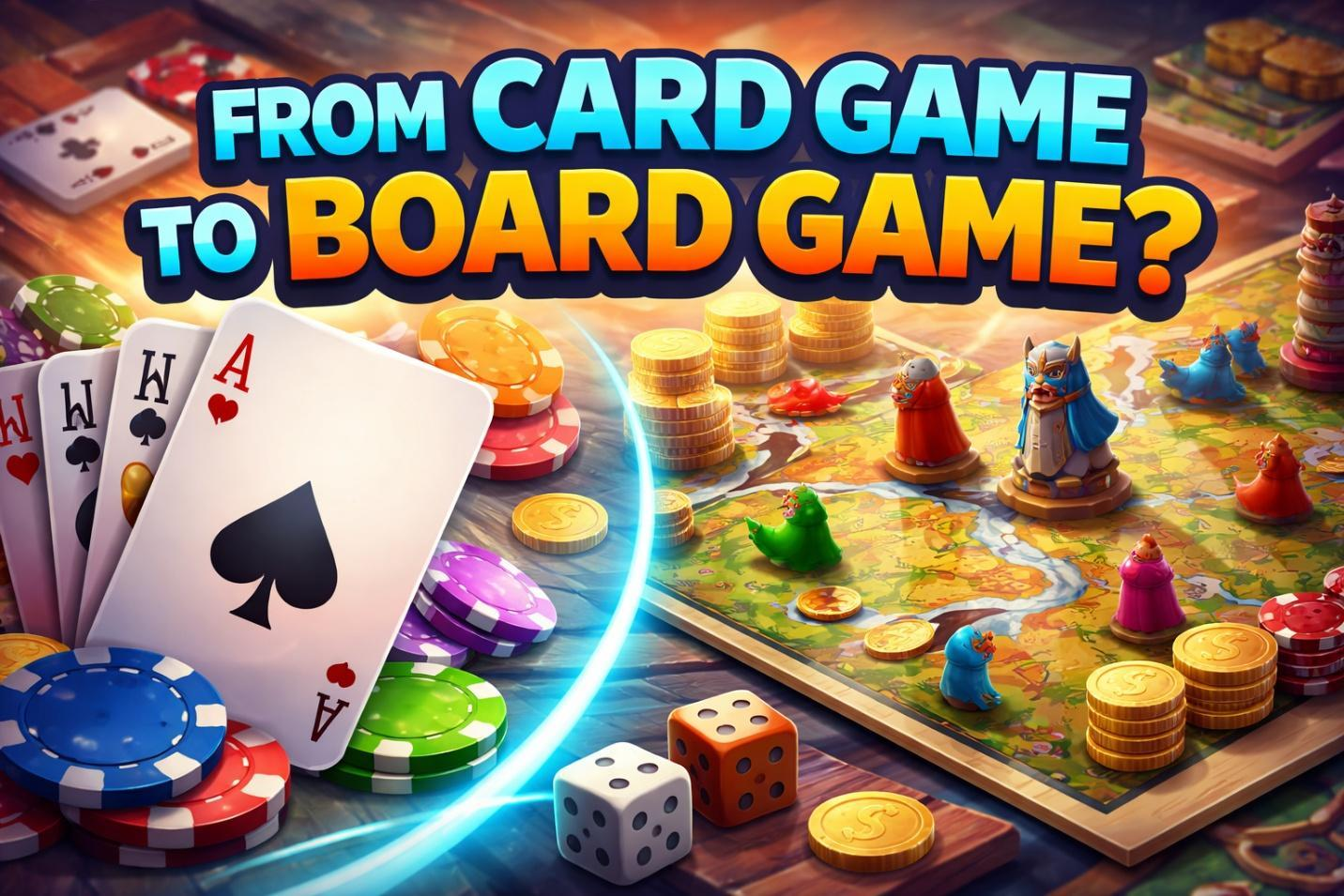
Card games have long been a staple of entertainment, from traditional classics like poker and solitaire to modern strategic games such as Magic: The Gathering and Uno. Their simplicity, portability, and depth have made them beloved worldwide.
But as gaming continues to evolve, a question emerges: Can card games like Tongits, Pusoy, Pusoy Dos and others transition into board games? This article explores the potential for this transition, analyzing design, gameplay, and cultural factors while offering insights for game developers and enthusiasts alike.
Understanding Card Games and Board Games
Before diving into the transition, it’s essential to understand the core differences between card games and board games.
Card games are primarily played with a deck of cards, either standard or custom-designed. They often rely on luck, strategic planning, or a combination of both. Examples include Bridge, Poker, Uno, Tongits, and collectible card games like Hearthstone. Key attributes of card games are
- Compact design and portability
- Fast gameplay, often in short rounds
- Focus on hand management and probability
- High replayability through variations of rules or deck customization
Board games, on the other hand, involve a physical game board, tokens, dice, or other components. They tend to offer spatial strategy, resource management, and immersive themes. Popular board games include Settlers of Catan, Ticket to Ride, and Monopoly. Board games are characterized by:
- Visual and tactile engagement through components
- Longer, more immersive gameplay sessions
- Strategic depth through positioning, resource allocation, and long-term planning
- Often cooperative or competitive multiplayer dynamics
The question of transitioning card games into board games requires analyzing how these core elements can merge without losing the essence of the original game.
Why Card Games Could Transition into Board Games?
- Enhanced Engagement through Physicality: Board games offer a tactile experience that card games sometimes lack. While cards provide strategic play, integrating them into a board environment—such as placing cards on a grid, map, or track—adds a new layer of engagement. For instance, card-based mechanics like combat or resource management can be enriched with physical tokens or spaces on a board, creating a more immersive experience.
- Expanded Strategic Depth: Card games often rely on probability and hand management, but their gameplay can be limited by the number of cards in play. Board games introduce spatial and resource-based strategies, allowing card mechanics to evolve. For example, a card representing a unit could move across a board with terrain advantages, adding depth to decision-making.
- Storytelling and Theme Integration: Board games excel in creating narrative experiences, something card games traditionally struggle with. Transitioning a card game into a board game allows designers to embed the game’s theme into physical elements. For example, a fantasy card game could include a modular board representing different regions, where players explore, conquer, or trade, making the story more interactive.
- Broader Audience Appeal: Some players prefer the visual and social interaction that board games provide. By transforming a card game into a board game, developers can attract audiences who may not be drawn to traditional card mechanics alone. This can expand the game’s reach and longevity in the market.
Examples of Successful Transitions
Several card games have successfully made the jump to board games, providing useful case studies:
- Dominion: Originally a deck-building card game, Dominion inspired board game variants where cards are placed on a central board for strategic acquisition, combining the card mechanic with spatial strategy.
- Magic: The Gathering Arena of the Planeswalkers: While MTG started as a card game, the Arena of the Planeswalkers board game uses miniatures and a board grid to incorporate positioning and terrain effects.
- Gloomhaven: Although primarily a board game, it integrates deck-building and card mechanics, illustrating how hybrid systems can create rich, strategic experiences.
These examples show that card games like Tongits na p’wede mo laruin dito sa GameZone can evolve without losing their identity, provided the transition is carefully designed.
Challenges in Transitioning
While the potential exists, transitioning card games into board games also comes with challenges:
- Balancing Luck and Strategy: Card games often rely on random draws, while board games emphasize planning and spatial strategy. Designers must carefully balance these elements to avoid frustrating players or diluting the original gameplay.
- Component Complexity and Cost: Board games typically require more components—boards, tokens, miniatures—which can increase production costs. Card games with minimal pieces may face logistical hurdles when scaling up to a board game format.
- Maintaining Replayability: Card games are naturally replayable due to deck variations and random draws. Translating this into a board game requires modular boards, variable setups, or multiple scenarios to retain freshness and prevent predictability.
- Player Expectations: Fans of the original card game may resist changes, particularly if the transition alters core mechanics or game pace. Communication and optional rule sets can help bridge expectations while offering new experiences.
Design Tips for a Smooth Transition
For developers considering the transition, certain strategies can facilitate success:
- Hybrid Mechanics: Combine the best of both worlds by keeping core card mechanics intact while integrating board elements like movement, resource tracks, or event spaces.
- Modular Board: Use a modular or customizable board to preserve replayability and adapt to different card combinations.
- Component Synergy: Ensure that cards, tokens, and board elements complement each other rather than competing for player attention.
- Gradual Complexity: Introduce board elements in phases, allowing players familiar with the card game to adapt without feeling overwhelmed.
- Theme Enhancement: Use the board as a storytelling tool, turning abstract card interactions into thematic experiences.
Market Potential and Cultural Trends
The gaming market shows strong demand for hybrid games that combine card and board elements. Modern players increasingly seek social, tactile, and strategic experiences that blend the accessibility of cards with the depth of board games.
Additionally, digital adaptations offer another avenue for transition. Card games can incorporate virtual boards, interactive maps, or AI-driven elements, providing a low-risk way to test hybrid mechanics before committing to physical production.
Conclusion
Card games have significant potential to transition into board games. By integrating physical components, spatial strategy, and thematic storytelling, designers can enhance player engagement and expand their audience.
Successful transitions require careful attention to balance, replayability, and component design, but the market appetite for hybrid experiences is evident.
For enthusiasts and developers alike, exploring the bridge between card and board games opens up exciting possibilities for innovation, immersion, and strategic depth.
Whether through physical or digital platforms, the marriage of card mechanics and board elements promises to redefine modern tabletop gaming.
