4 Gaming Monetization Trends Shaping Player Spending in 2026

Player spending across games no longer follows a single pattern. In 2026, budgets are split between subscriptions, seasonal content, and selective premium purchases that feel justified rather than impulsive.
That shift matters for co‑op and board game fans watching digital ecosystems influence expectations around value and fairness.

Intentional Spending Is Rising
What stands out is how spending is becoming more intentional. Players are less interested in owning everything and more focused on access, flexibility, and experiences that reward time invested. Live services, hybrid models, and community-driven design all play a role in that recalibration.
At the top end, premium behaviour still exists, but it looks more segmented than ever. Mainstream players are now learning from other niches where players want more from their games, such as iGaming. In online casinos, VIP members engaging in high roller games typically receive tailored perks such as progressive bonuses or games without limits.
That way, status-based rewards keep top-tier users engaged. This system encourages intentional spending, rather than hasty decisions.
The same goes for expenditure in other gaming niches – people simply want more flexibility and freedom in game access and asset management.
Live-Service Revenue Models
Live-service monetisation has shifted from experimental to foundational. Ongoing updates, rotating events, and seasonal content now carry as much weight as launch sales, especially for multiplayer and co‑op experiences that rely on long-term communities. This steady cadence gives players reasons to return without forcing immediate purchases.
The scale of that shift is visible in market data. A recent BCG report shows subscriptions and LiveOps accounting for nearly half of global mobile in-app purchase revenue in 2025, underscoring how post-launch engagement drives sustainable income. For developers, predictability has replaced spikes as the healthier goal.
Cosmetics And Battle Pass Data
Cosmetics and battle passes remain central, but their design has matured. Players are more willing to buy when rewards feel achievable through play rather than locked behind grind-heavy systems. Transparency around what a pass includes now matters as much as the items themselves.
Spending patterns also reveal a generational divide. Data reported by PC Gamer shows Gen Z spending on video games fell by nearly 25% between January and April 2025 compared with the previous year. That pullback is pushing studios to rethink pricing and progression to avoid alienating younger audiences.
Cross-Platform Spending Behaviour
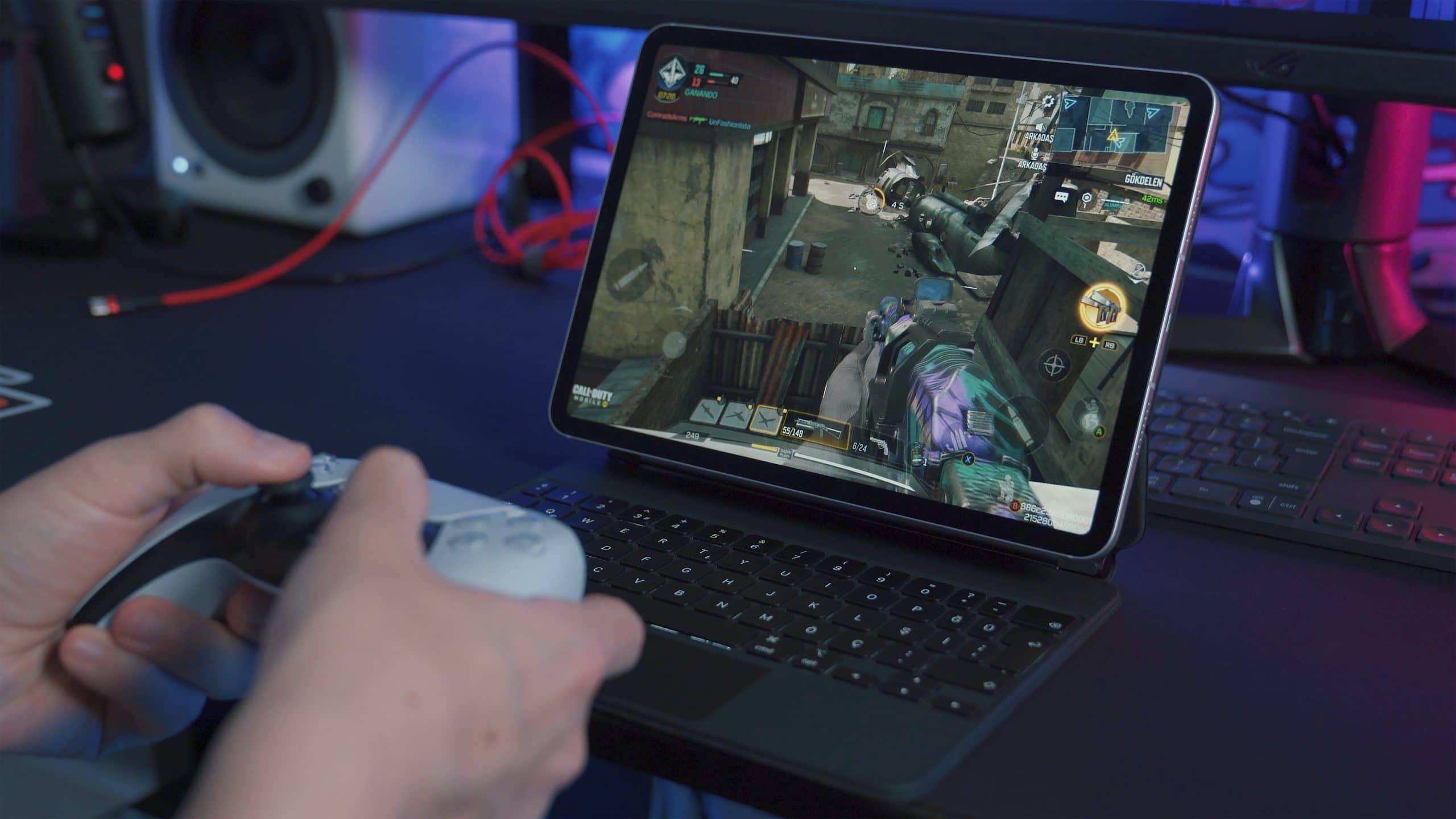
Cross-platform play has quietly reshaped monetisation expectations. Players want purchases to follow them across console, PC, and mobile, especially in social or co‑op titles where groups span devices. Fragmented wallets now feel outdated.
Payment data reflects that premium convenience. According to Newzoo‑Tebex research, average transaction values in North America rose from $30 in 2024 to $40 in 2025, with flexible payment methods outperforming traditional cards. Higher spend is tied to smoother experiences, not just stronger impulses.
Where Premium Players Spend More?
Across all models, premium players concentrate spending where time and identity intersect. Subscriptions that remove friction, cosmetic systems that signal mastery, and ecosystems that respect player investment consistently outperform one-off purchases.
For co‑op focused audiences, that often means spending to enhance shared experiences rather than individual advantage.
Taken together, these trends point to a more balanced monetisation landscape. Growth in 2026 is less about extracting maximum value quickly and more about designing systems players choose to support over time. For anyone watching the industry closely, that shift may be the most encouraging sign of all.
