
What Exactly Is Dropshipping — and Can You Still Make It Work in 2026

Sooner rather than later, practically everyone who wants to make money online full-time or as a side hustle will consider dropshipping. With good reason – the dropshipping market was valued at more than $365 million last year, and projections for its growth remain strong.
Finding success stories online is trivial, as is running into gurus who make more money off of selling courses than running actual online stores.
So, what is dropshipping anyway, and how does it work? More importantly, can it work for you in 2026? Here’s everything you need to know to get started.
Dropshipping Explained
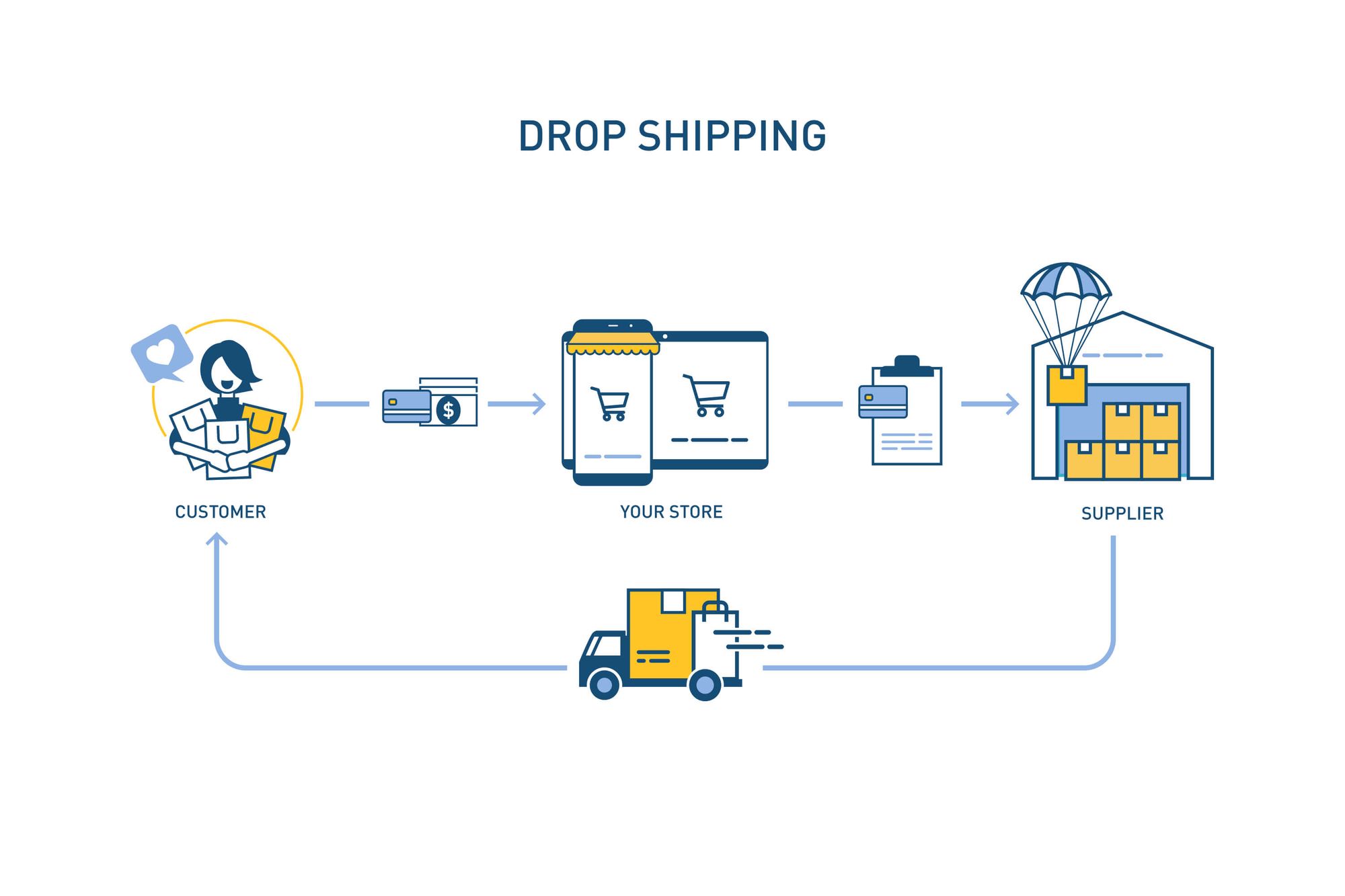
The first thing anyone hoping to get into dropshipping needs to understand is that dropshipping itself is just a fulfillment method. In other words, a means of handling and shipping products.
Rather than go through the hassle of maintaining inventory or doing R&D for new products, dropshipping businesses advertise and sell existing ones.
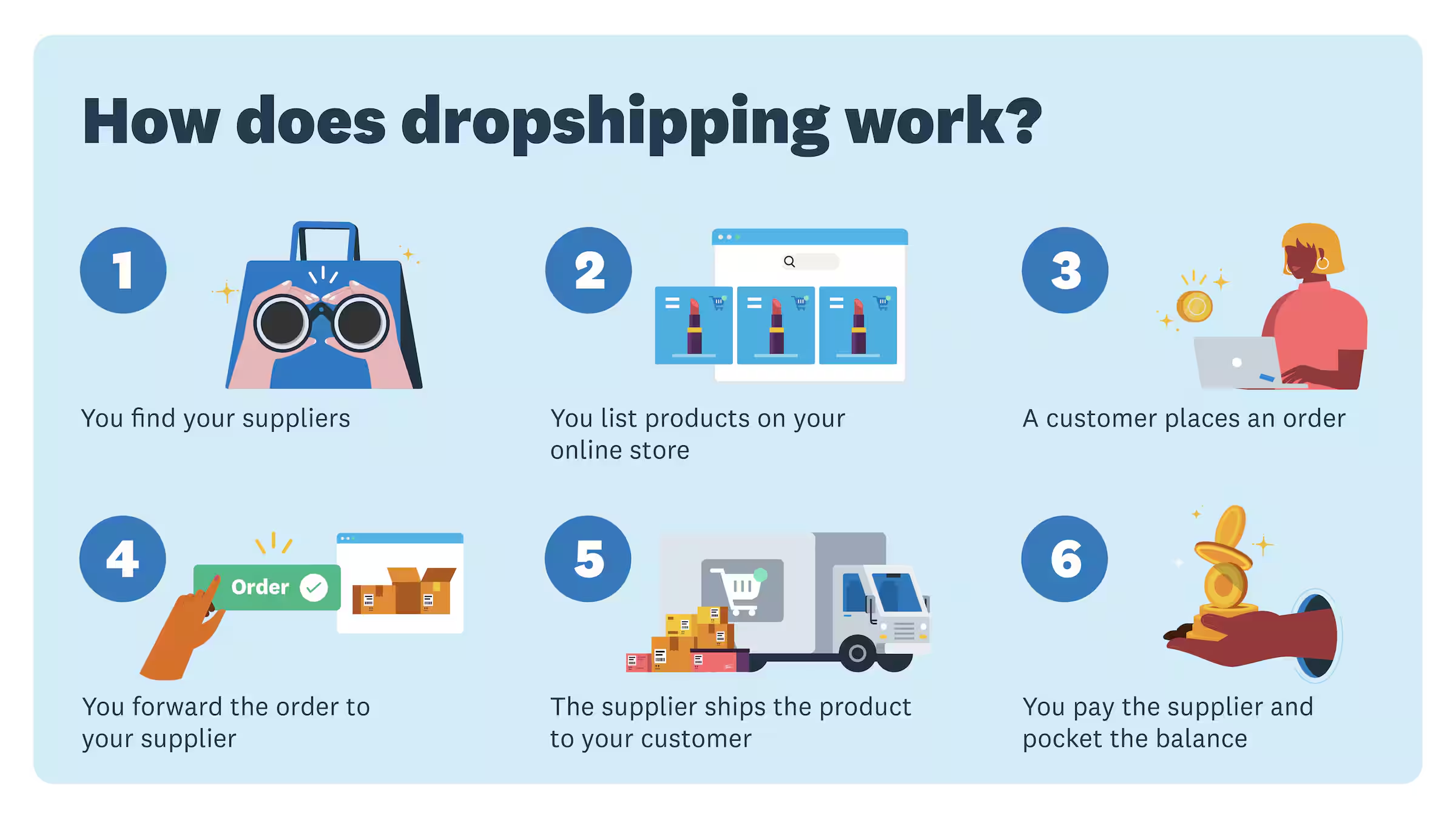
Customers place orders on their online stores, which dropshippers forward to manufacturers or suppliers they partner with. These are in charge of stocking, packaging, and sending the orders out.
Dropshippers act as middlemen in such transactions. They invest time and effort into building attractive stores, marketing their products, and partnering with influencers to promote these products to their audiences.
Dropshippers mark up their products so that they can still turn a profit once they pay the manufacturing, shipping, and advertising costs needed to get a product out to a customer.
What Are Dropshipping’s Pros and Cons?
Ease of access is by far the most attractive thing about dropshipping. You don’t need a large budget or in-depth understanding of logistics to set up a store and start selling. Conversely, a low entry barrier means stiff competition and lower margins as more dropshippers compete for the same audience.
Marketing drives dropshipping. Your chances of thriving go up if you know how to build and cultivate a brand, even if you’re essentially selling the same stuff as the competition.
Realize that this hands-off approach comes with the loss of control. You can do little about delayed shipments and faulty products, yet you are obliged to provide customer support.
Scaling a dropshipping business is straightforward since almost everything is automated. How well you do depends on your ability to reach the people your products satisfy.
However, you also have to provide protections like privacy and returns policies. Get too many customer complaints, and your e-commerce account may be in jeopardy.
Can You Still Operate a Successful Dropshipping Business in 2026?
Yes, provided you treat it like a genuine business and not a means of getting rich quickly.
For example, inexperienced dropshippers will often jump on bandwagons and want to sell the same popular products as everyone else without offering any unique value. Such attempts at “entrepreneurship” quickly lead to losses and frustration.
More than ever, it’s crucial to get into a niche healthy enough for steady sales yet not so stifled by competition that you’ll find it hard to attract a crowd. It helps if you have a hobby or uncommon interest you already know a lot about, since you’ll be aware of problems like-minded customers need solving.
Finding and vetting the right suppliers is equally important since they’re the ones responsible for quality control and inventory management.
Apps and marketplaces that connect dropshippers with suppliers make this easier. Still, you’ll want to make sure the supplier has an immaculate reputation and maintains consistent quality.
Never sell something without seeing a sample for yourself first. Ideally, do so as a regular customer since suppliers are known to treat dropshippers better.
Risks and responsibilities
Tariffs are a new and volatile risk factor to be aware of in 2026. It’s becoming increasingly harder to source products from manufacturing giants like China, and tariffs make them more expensive even then. You can either eat the cost yourself, resulting in lower margins, or pass them on to customers and get fewer sales.
Worldwide laws and regulations are focusing more on consumer protection and improved transparency. That means you may need to provide more information on products, like their point of origin, and you will need to make sure suppliers aren’t committing copyright infringement or other acts that could come back to haunt you.
Data safety
Data security is another issue to be mindful of. Your online storefront collects and processes sensitive personal and payment information along with data on business partners and suppliers. A comprehensive cyber defense needs to be in place to prevent data breaches and the corresponding fallout.
One-person operations can use the best password manager available. If you’re wondering what a good password manager is, then it’s worth it to compare providers yourself and discover the best options, like NordPass coupon or similar. This way, you can get the best one that suit your needs.
Choosing a good password manager is particularly important since it secures access to the site’s admin, your databases, and the myriad tools you need to run a dropshipping business by generating and securely storing strong, unique passwords for each.
More established businesses run by teams who handle a large customer base from multiple devices will need a stronger network security solution. A VPN provides secure remote access, encrypted data transmission, and centralized network protection across all devices.
Conclusion
Evolving challenges and uncertainties aside, dropshipping is still a viable income stream today. You can make it work, provided you’re aware of the market’s realities and pitfalls.
