Why Cooperative Games Are So Popular (The Psychology of Playing Together)

Modern board gaming no longer revolves around defeating friends. Many players now look for shared victories, meaningful interaction, and stories that unfold as a group.
Cooperative games tap into deeper emotional needs than competition ever could. They provide connection, purpose, and the simple pleasure of solving something together, which explains why this format keeps gaining devoted fans across every age group.
From Competition to Connection
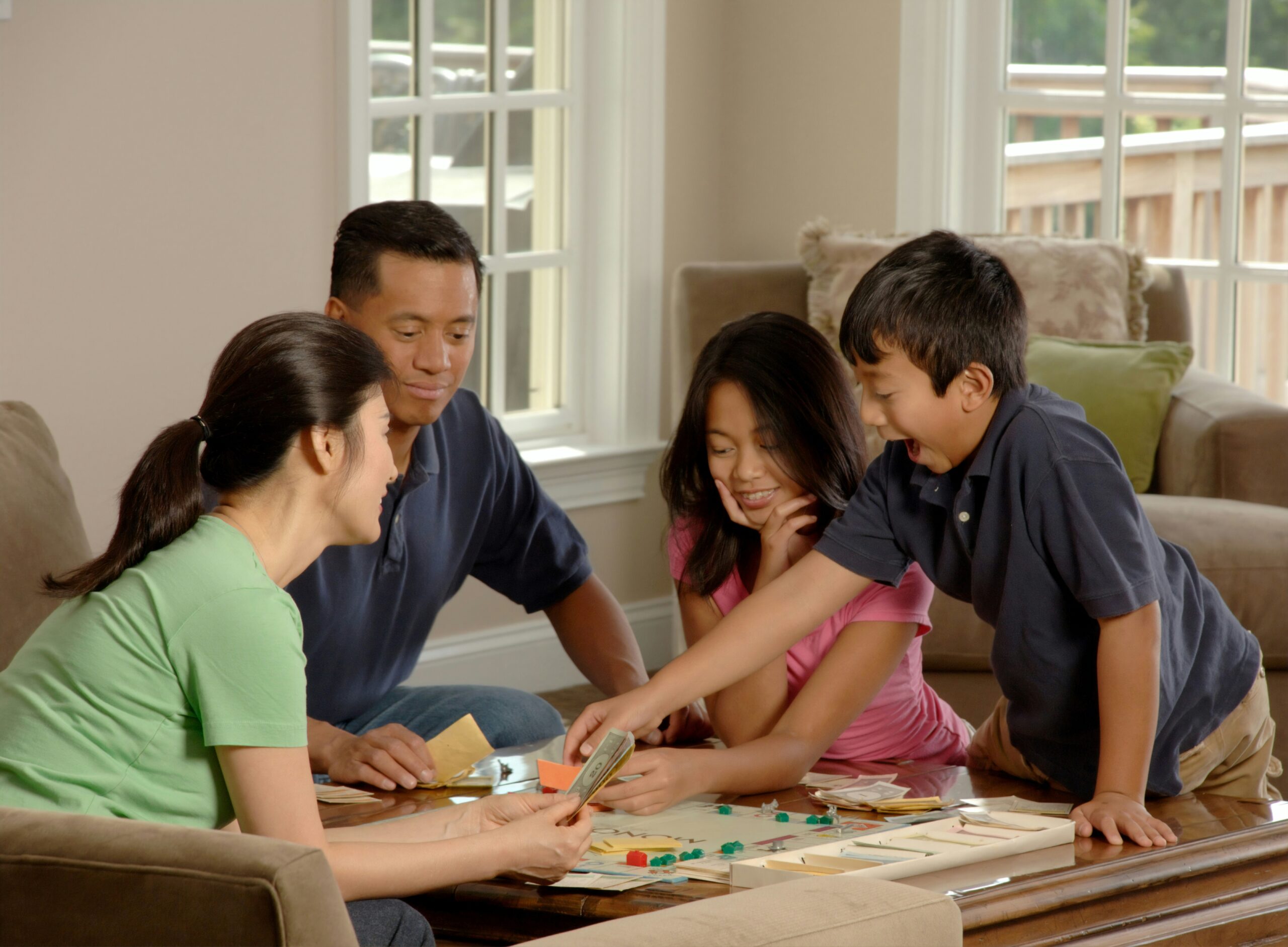
Traditional games put players on opposite sides, which adds tension and social pressure. Cooperative design replaces that with a shared goal built on communication and trust, so every player feels like part of the same team. The experience shifts from rivalry to connection.
A live casino game creates a similar effect by adding real interaction to what would otherwise feel solitary. Cooperative board games create the same result at the table, where every decision moves the group forward together.
The Brain Chemistry Behind Team Play
Human brains react strongly to teamwork. Solving problems together triggers dopamine, the reward chemical tied to motivation, and that response feels stronger when success belongs to the group. Collaboration also signals safety and belonging, which makes the experience more satisfying.
Oxytocin, the chemical linked to trust, rises during shared play. Cooperative games encourage communication and mutual support, which explains why people often leave the table feeling more connected to each other.
Why Cooperative Games Reduce Social Anxiety?
Many people avoid competitive formats because of the pressure to perform. The cooperative model removes that fear, which makes the experience far more welcoming.
No One Has to Be the “Bad Player”
In a cooperative format, there is no scoreboard that singles out mistakes. Everyone wins or loses together. A quiet player never has to worry about letting the team down in public. This safety net allows players to relax and focus on the experience instead of self-judgment.
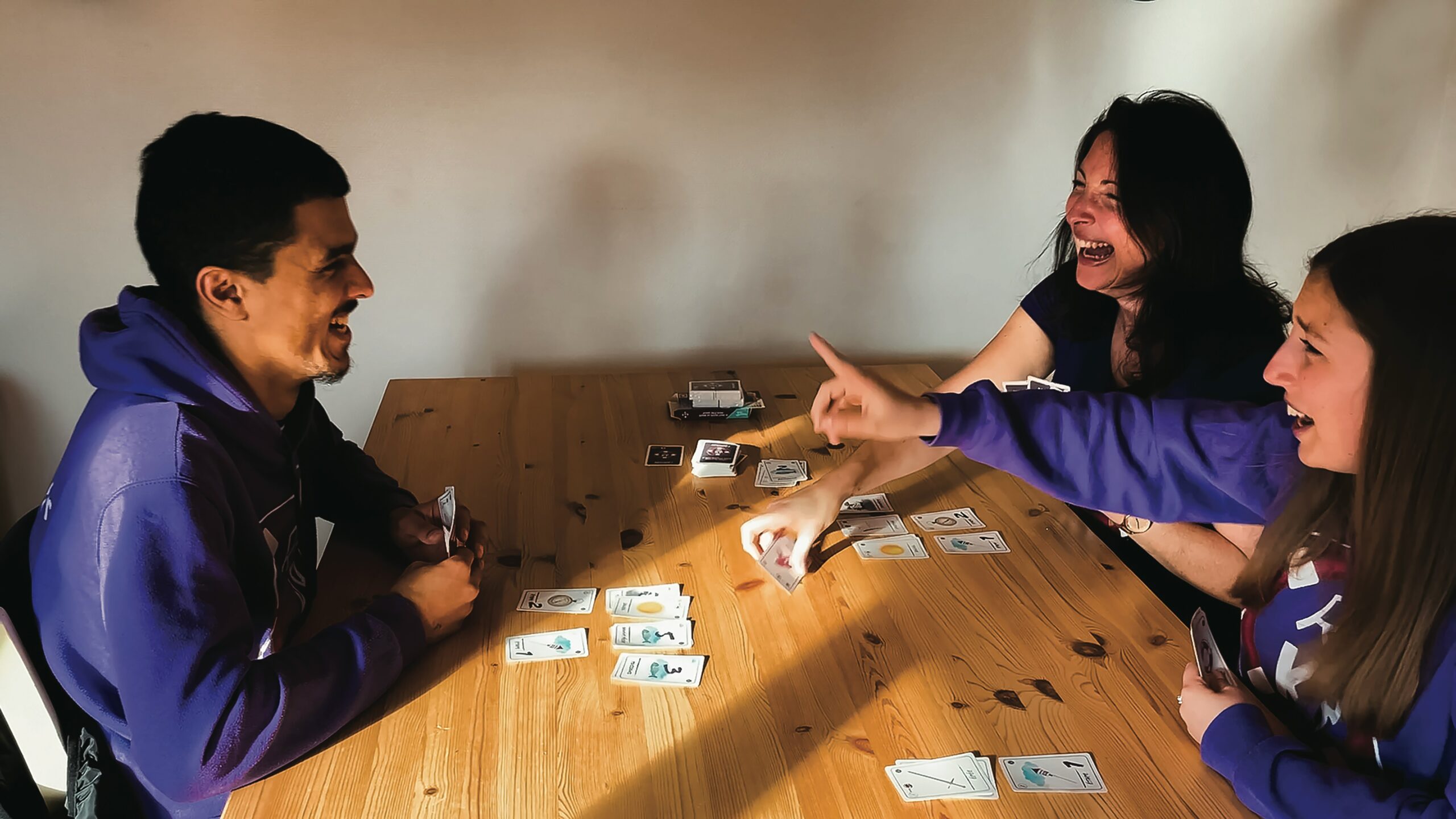
Mistakes Become Group Challenges
Errors do not create embarrassment in co-op games; they create puzzles. A wrong move becomes something the group solves together, which turns potential frustration into engagement. This approach builds confidence and keeps players involved even when things go wrong.
Cooperative Games Match Modern Social Habits
The way people socialize has changed. Many interactions now happen through apps, digital platforms, and online spaces. This collaborative format fits that pattern well.
Short Attention Spans and High Engagement
Co-op games hold attention because every turn matters to the whole group. No one waits long stretches for a personal move. Each decision affects the shared goal, which keeps players mentally present from start to finish.
Digital Culture and Shared Experiences
Multiplayer video games, streaming platforms, and online communities all center on shared moments. Cooperative board games mirror that culture at the table. Players talk, plan, and react together, which feels familiar to anyone who enjoys online teamwork.
Why Families and Mixed-Skill Groups Prefer Co-Op Games?
Families and groups with different experience levels often struggle with competitive formats. Cooperative games solve that problem by placing everyone on the same side. An expert player can guide a beginner without taking over, and children can contribute without fear.
| Group Type | How Co-Op Games Help |
| Families | Adults and children share goals instead of competing |
| Beginners | New players learn through teamwork |
| Mixed skill groups | Strong players support weaker ones |
| Social gatherings | No one gets left out |
This balance keeps everyone engaged and removes the tension that competition often creates.
Storytelling Is the Secret Weapon
Many co-op games feel more like shared adventures than rule-based contests. Players remember dramatic moments, clever escapes, and narrow victories long after the box goes back on the shelf. Those memories carry emotional weight because they belong to the group, not to one person.
Even a loss can feel satisfying when it comes with a story. A final stand, a risky decision, or a heroic sacrifice becomes part of a narrative that players retell later. This emotional residue explains why cooperative games create loyalty in a way few competitive titles can.
Where Play Becomes Belonging?
This format succeeds because it offers more than a path to victory. It supports connection, lowers social pressure, and creates stories people love to share.
The table becomes a place where players feel safe, valued, and involved. That emotional foundation explains why this format continues to grow and why so many people now choose to play together instead of against one another.
