
Top 20 Military Board Games 2026

What I actually look for in a military board game: decisions that feel consequential without requiring a spreadsheet to track, historical grounding (or at least thematic coherence that earns your suspension of disbelief), a play time that matches what the game is actually trying to do, and enough replay variation that it earns its shelf space after the third session. None of that is hard to find anymore. The genre has never had more good options across more complexity levels.
That said, this list has a specific lens. I excluded anything out of print, games that have been superseded by a better edition, and purely abstract titles where the “military” theming is basically decorative.
I also gave preference to games you can reasonably finish in one sitting — there are a few longer entries, but I tried to note when they’re asking a lot of you. Here are the twenty worth owning in 2026.
20. Quartermaster General (2nd Edition)
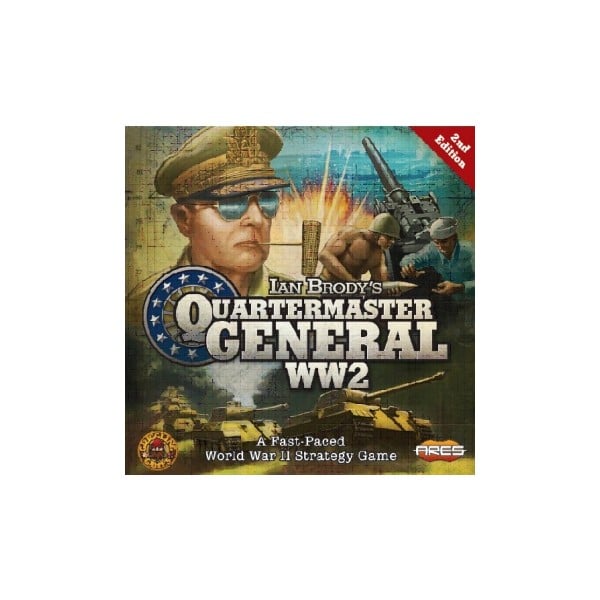
2–6 players | ~$45 | 2–3 hours | Medium difficulty
Quartermaster General is a WWII strategic game from Ares Games where each player controls one of the major Allied or Axis powers. The game is entirely card-driven: cards build armies and fleets, trigger attacks, and maintain supply lines.
There are no dice — supply status determines whether units survive, which creates surprisingly tense resource decisions for a game at this weight.
My group uses it as a warm-up for heavier wargames. Six-player sessions with a full Axis vs. Allied split run tense and fast, and the supply rules generate real strategic arguments about when to push and when to consolidate. It’s not deep by wargame standards, but it handles six players without becoming unmanageable, which is genuinely rare.
Get this if you want an accessible WWII game that works across a wide range of player counts and experience levels.
19. Memoir ’44
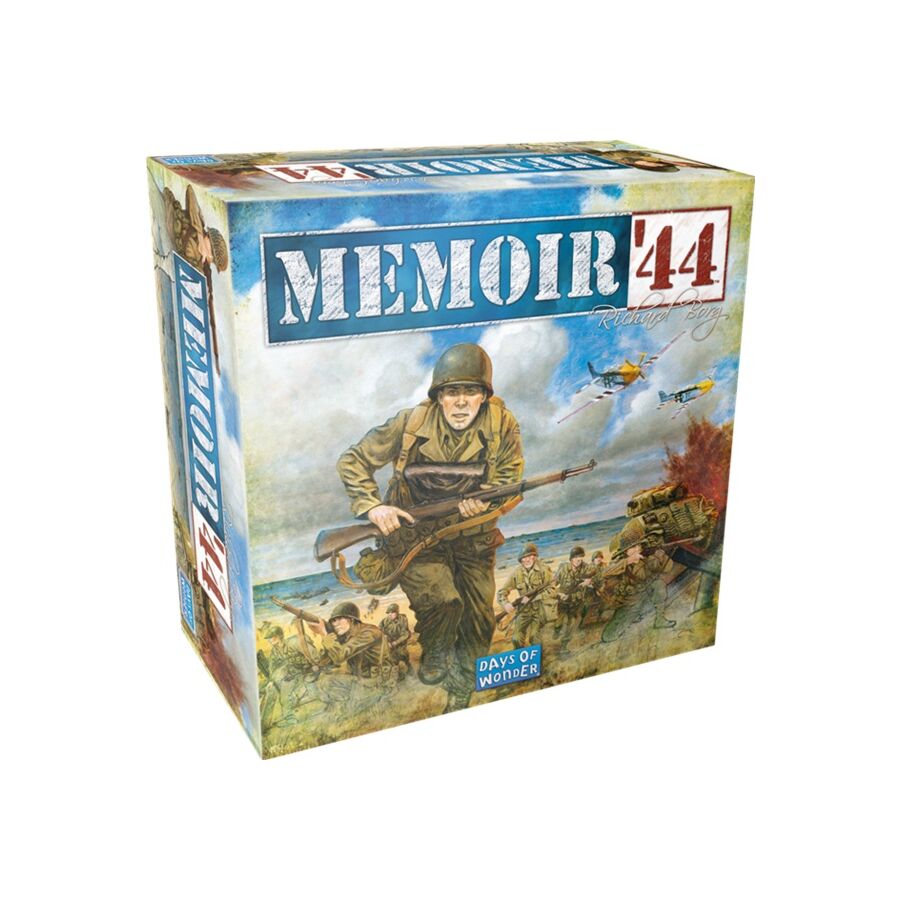
2 players (or 2 teams) | ~$40 | 45–60 minutes | Beginner difficulty
Memoir ’44 is Days of Wonder’s hex-and-counter WWII game built on Richard Borg’s Commands & Colors system. You play through historical scenarios on a hex grid, using command cards that activate specific sections of your battle line. Combat uses custom dice. The scenario book covers Normandy, the Pacific, and the Eastern Front.
I’ve introduced more people to wargaming through this game than any other. It teaches in ten minutes, the scenarios feel historically plausible even at high abstraction, and the Overlord rules scale it to eight players for a memorable evening. Don’t expect strategic depth — you won’t find it here — but as a first step into the genre, it still works.
Get this if you want a gateway wargame that works for casual groups, younger players, or anyone intimidated by rulebook complexity.
18. 1775: Rebellion
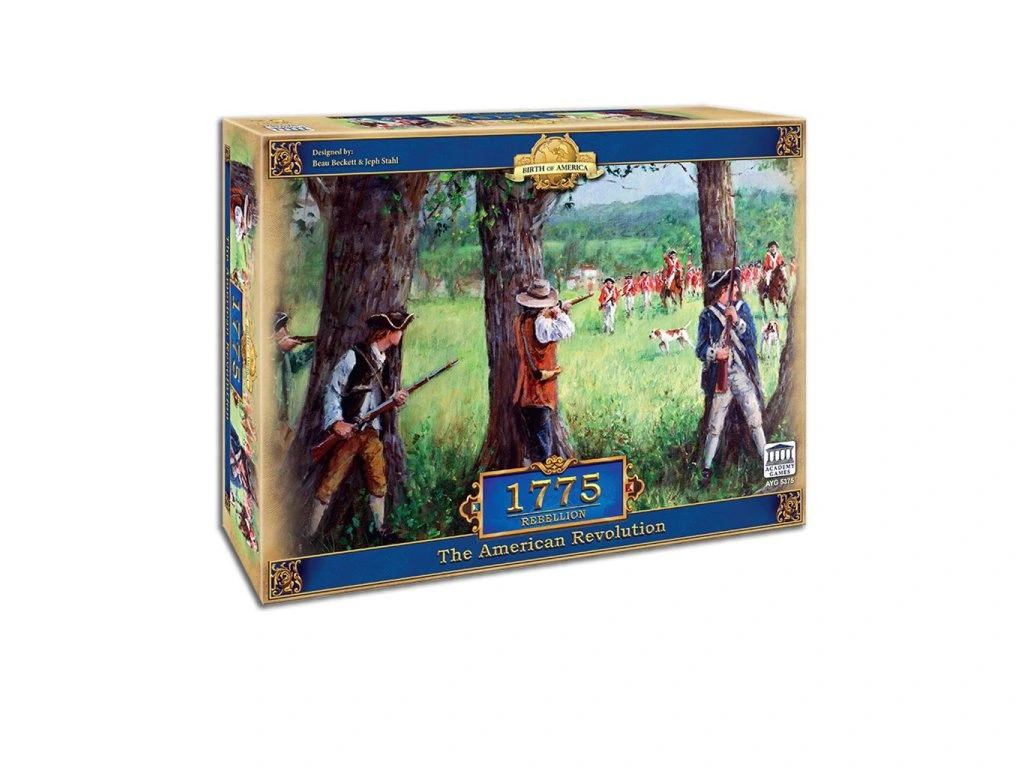
2–4 players | ~$40 | 1.5–2 hours | Beginner-medium difficulty
1775: Rebellion is an area-control wargame from Academy Games covering the American Revolutionary War. Four factions — Patriots, Loyalists, British Regulars, French Regulars — each have their own deck of movement and combat cards. Dice resolve battles, but the card-driven activation keeps turns from feeling random.
This one gets more table time than I’d expect given its weight. The asymmetric factions give each side a genuinely different feel, and the truce cards create a pressurized endgame where both sides are simultaneously trying to secure territory and run the deck down to zero. The historical framing is actually quite good, which helps if you’re playing with people who’d otherwise tune out.
Get this if you want a historically grounded game that works well with players who don’t normally gravitate toward wargames.
17. A War of Whispers (2nd Edition)
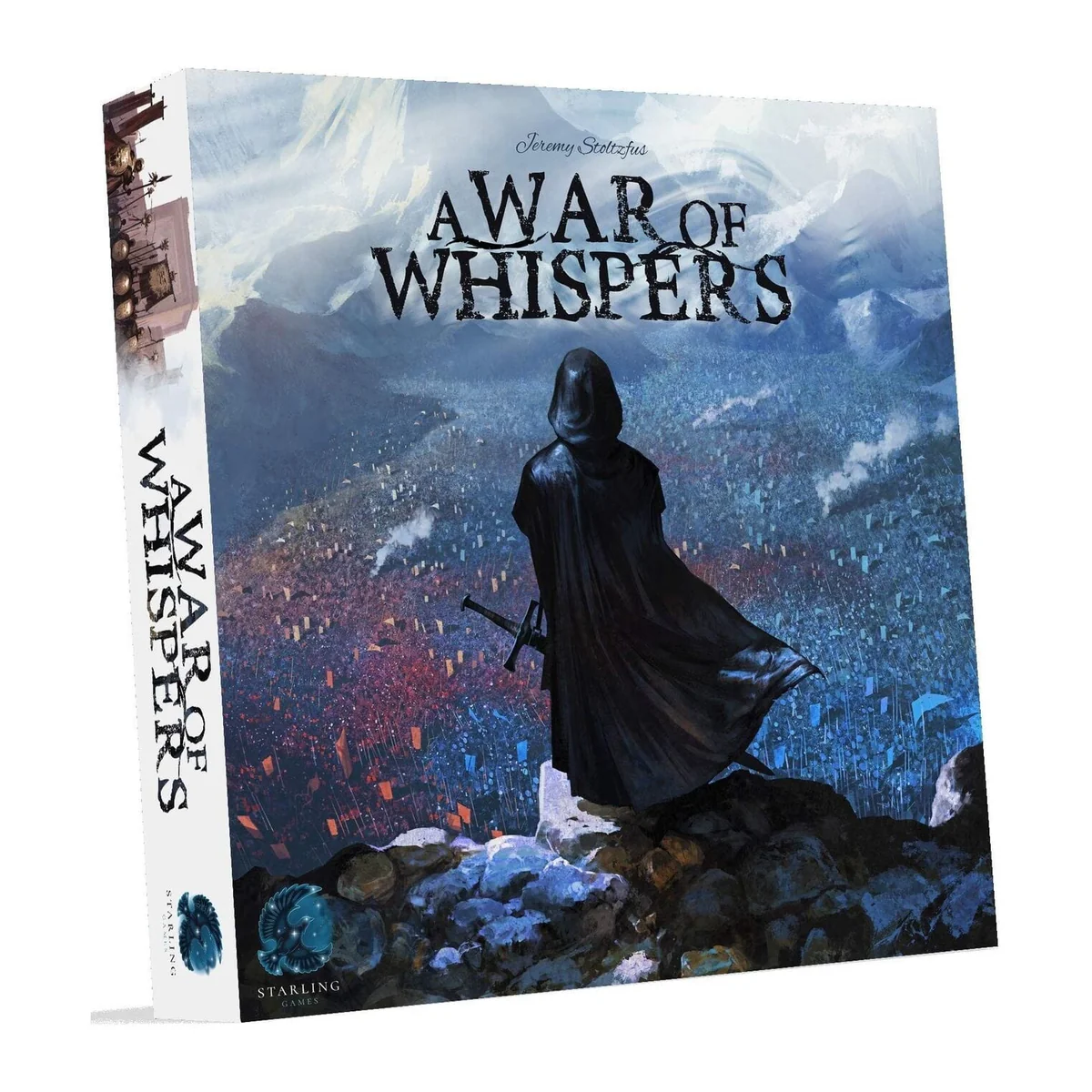
2–5 players | ~$40 | 1.5–2 hours | Medium difficulty
A War of Whispers is a political-military game where five empires fight for world domination, but you don’t directly control any of them.
Instead, you secretly back two empires with loyalty tokens, influence their armies through agent placement, and compete to back the winners at game end. The second edition cleaned up some rough edges in the original scoring system.
The hidden loyalty mechanic creates a genuinely paranoid atmosphere. Nobody is sure who’s backing whom until allegiances shift, and the best sessions are ones where two players end up accidentally working together toward the same imperial outcome before realizing they’re competing for the same points. It plays in under two hours, which is rare for something this socially complex.
Get this if you want something shorter and more politically charged than a traditional wargame, where military conflict is the engine rather than the focus.
16. Fort Sumter: The Secession Crisis, 1860–61
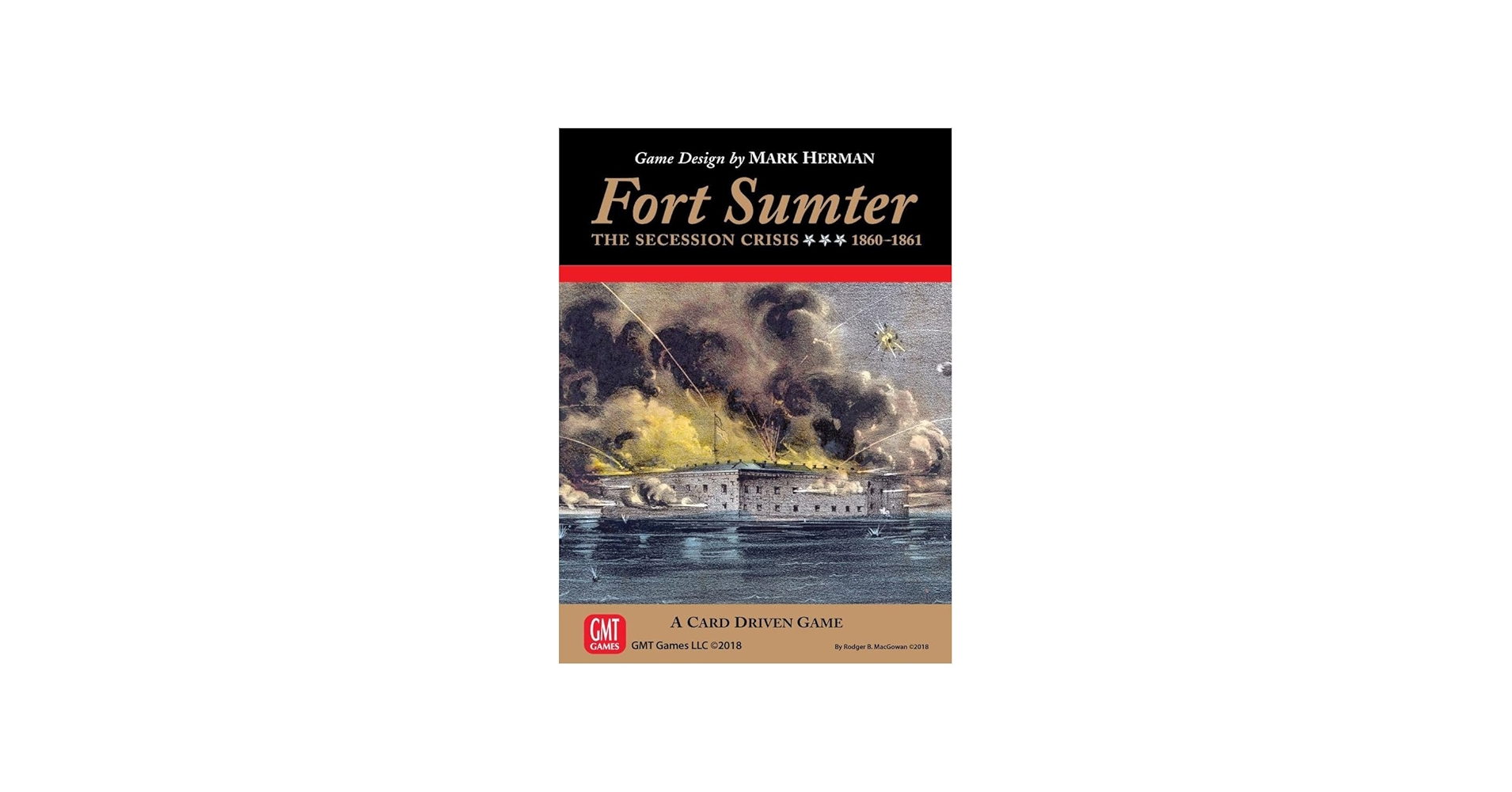
2 players | ~$25 | 30–45 minutes | Medium-light difficulty
Fort Sumter is a small-box card-driven game from GMT covering the political crisis leading to the Civil War. Players contest four spheres of influence — military, political, secession, and public opinion — across a short three-round structure. It uses a streamlined version of GMT’s CDG system with a point-to-point map of contested states.
This is one of the best 30-minute two-player games I own. The map’s spatial tension combines with hand management in a way that feels much larger than the box suggests.
It’s a solid entry point into GMT’s design language without the four-hour commitment of Paths of Glory or Twilight Struggle, and the catch-up mechanisms are subtle enough that it rarely feels decided early.
Get this if you want a genuinely strategic two-player game that fits inside a lunch break.
15. Valor & Victory
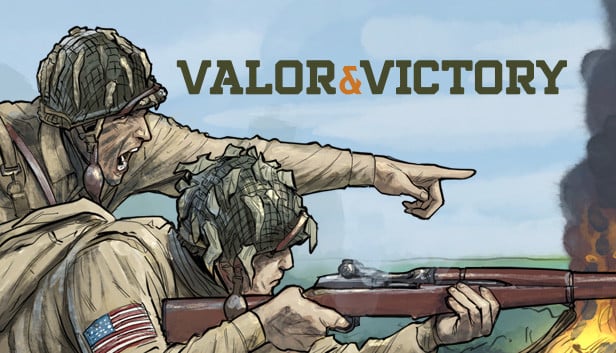
1–4 players | ~$38 | 1–2 hours per scenario | Medium difficulty
Valor & Victory is a WWII squad-level tactical game from GMT where small units — infantry, anti-tank guns, vehicles — fight over historical hex maps.
The card-driven activation system is the key design decision: you draw from a shared deck, and timing your card plays intelligently is usually more important than unit placement.
I was skeptical of another WWII tactical game, but the solitaire rules are excellent, and the card system creates believable uncertainty without the modifier-stacking of older hex-and-counter designs.
Scenarios across different theaters (North Africa, Pacific, Western Europe) have meaningfully different texture. It’s not as deep as Combat Commander, but the lower overhead makes it easier to get to the table.
Get this if you want a tactical WWII game that plays as well solo as it does with two players.
14. Commands & Colors: Ancients
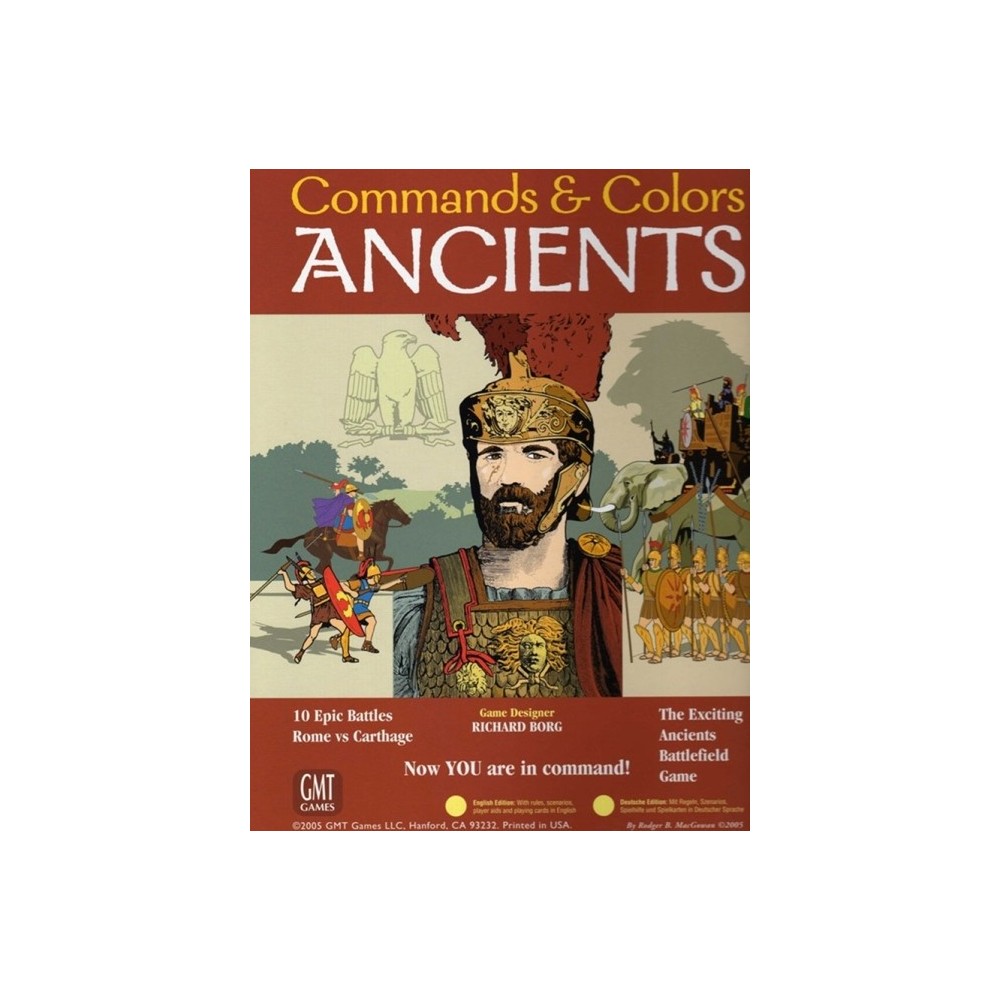
2 players | ~$60 | 45–75 minutes | Medium difficulty
Commands & Colors: Ancients covers ancient battles — Romans versus Carthaginians, Greeks versus Persians, and more — using GMT’s block system with Richard Borg’s C&C card-driven framework.
Units are wooden blocks that conceal casualty information from your opponent. Command cards activate sectors of your battle line, forcing you to respond to the crisis of the moment rather than execute a perfect plan.
The block system works particularly well for ancient combat, where managing your flanks while keeping your center intact captures something historically accurate.
My group works through the historical scenarios in order, and the variety across different ancient factions gives each battle its own character. The Punic Wars scenarios are still my favorites after dozens of plays.
Get this if you want a historically grounded ancient warfare game that rewards thinking about how actual ancient armies fought.
13. Undaunted: Normandy
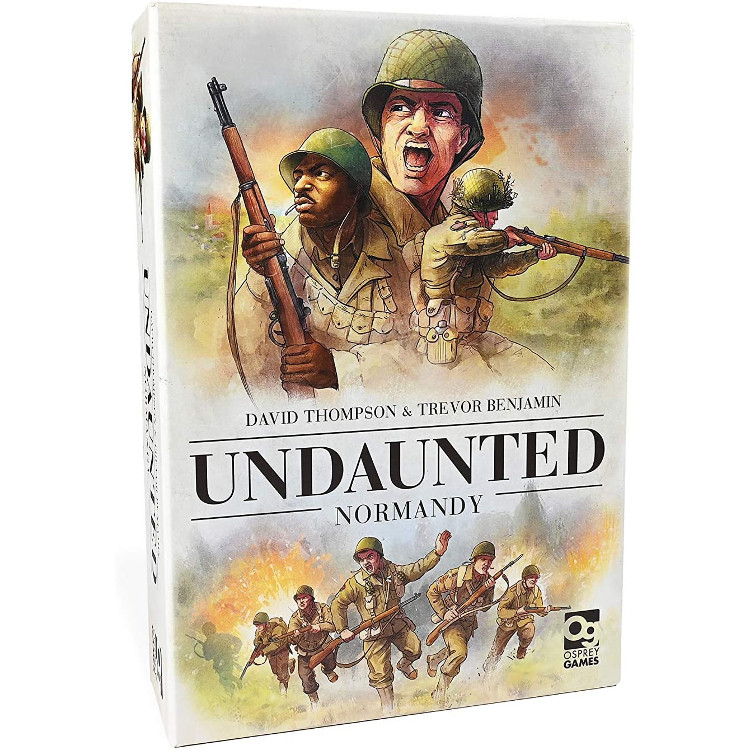
2 players | ~$33 | 45–75 minutes | Medium-light difficulty
Undaunted: Normandy is a WWII deck-building game from Osprey where American and German forces fight across a 16-scenario campaign in Normandy, 1944.
Each unit type in your force corresponds to cards in your deck, and you draw from that deck each turn to determine what you can activate. Units killed in battle remove their cards from your deck permanently.
The campaign structure is where the game earns its place on this list. Losses carry over between scenarios, so a badly managed firefight can create an attrition problem that persists for several subsequent engagements.
The deck-building creates an interesting tension between efficiency and depth — a small, tight deck can be devastated by a single unlucky engagement. It’s lighter than most wargames, but it has genuine stakes.
If the campaign appeals to you, Undaunted: Stalingrad (further down this list) takes the same core system considerably further.
Get this if you want a wargame that teaches itself through a narrative campaign without overwhelming you upfront.
12. Red Flag Over Paris
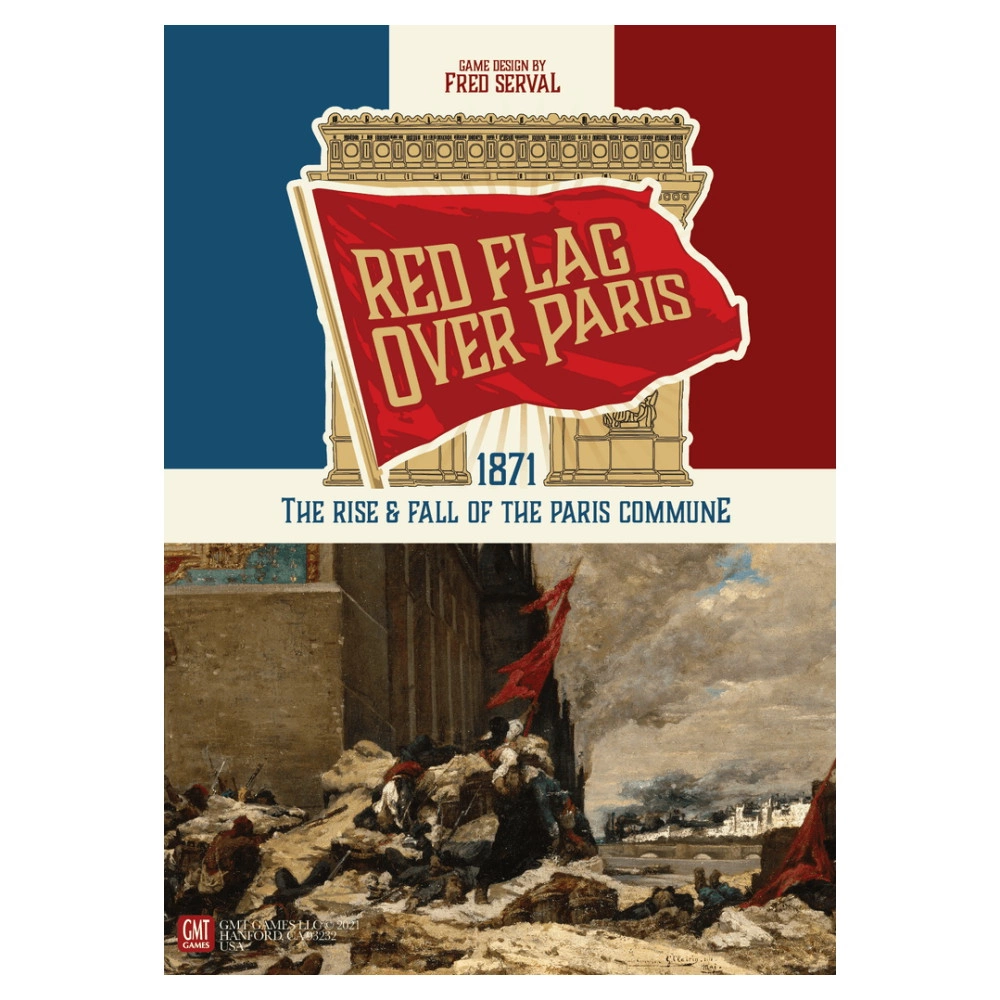
2 players | ~$30 | 60–90 minutes | Medium difficulty
Red Flag Over Paris is a small-box GMT card-driven game covering the 1871 Paris Commune. One player commands the Communards defending the city; the other commands the Versaillais seeking to retake it. The game uses a point-to-point map of Parisian arrondissements and alternating card play across three acts.
What makes it unusual for a CDG is the genuine asymmetry and the compact length. The Communard player manages barricades and contested districts while fighting internal political instability; the Versaillais methodically tightens their perimeter.
The three-act structure escalates pressure naturally rather than relying on a slow build. I won as the Communards once in twelve plays and was disproportionately pleased about it.
Get this if you want a short CDG with a historically obscure setting and enough asymmetry to feel like two different games depending on which side you play.
11. Conflict of Heroes: Awakening the Bear! (3rd Edition)
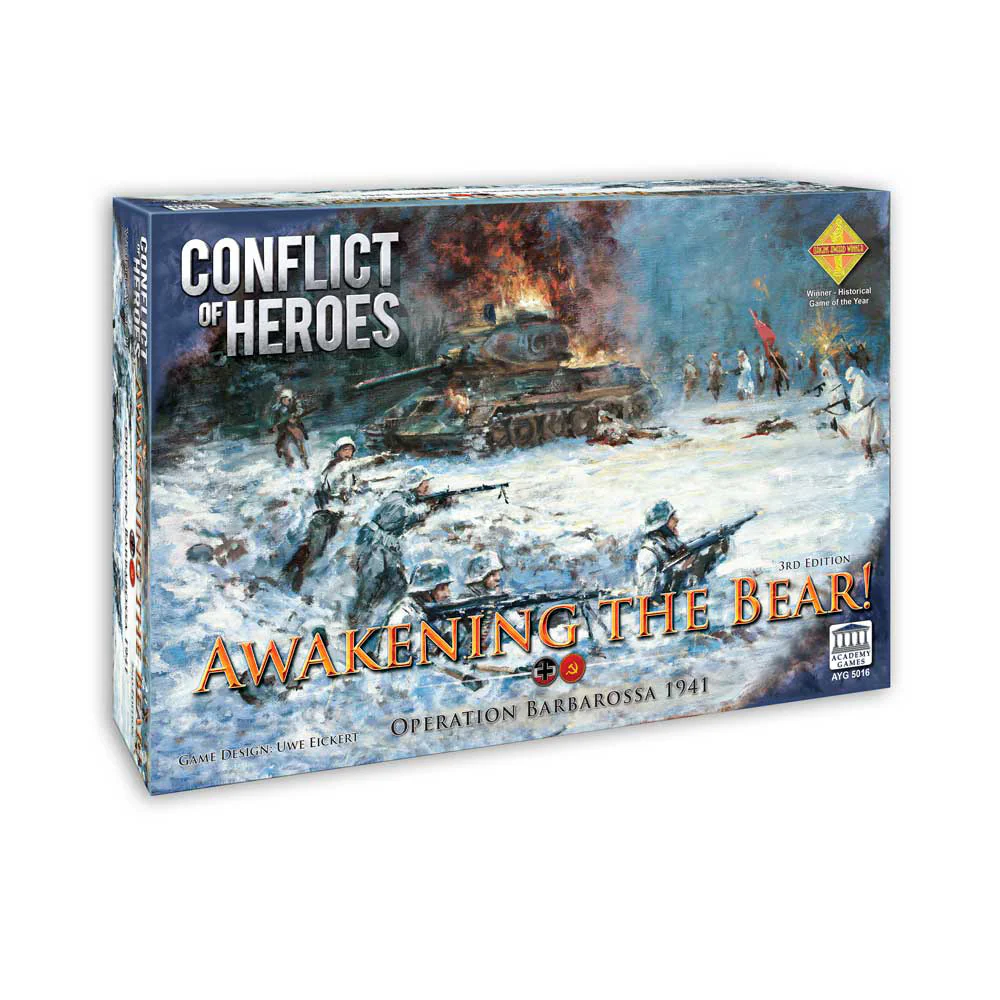
1–2 players | ~$60 | 1–2 hours per scenario | Medium-heavy difficulty
Conflict of Heroes covers squad-level WWII tactical combat on the Eastern Front, 1941, using an action point system that gives each unit a specific number of points to spend on movement, fire, and reaction. The 3rd edition from Academy Games improved component quality and rules clarity compared to earlier printings, and added a solo mode that holds up well.
The action point economy is the design’s backbone. Committing fully to an attack means you might not have reaction capability when your opponent moves, which creates decision pressure that feels accurate for the chaos of small-unit infantry combat.
The rulebook is better written than most tactical wargames, so the learning curve is steep but not punishing. Setup time drops sharply after a couple of sessions.
Get this if you want a serious tactical WWII game with genuine solo support that doesn’t sacrifice depth for accessibility.
10. Pax Pamir (2nd Edition)
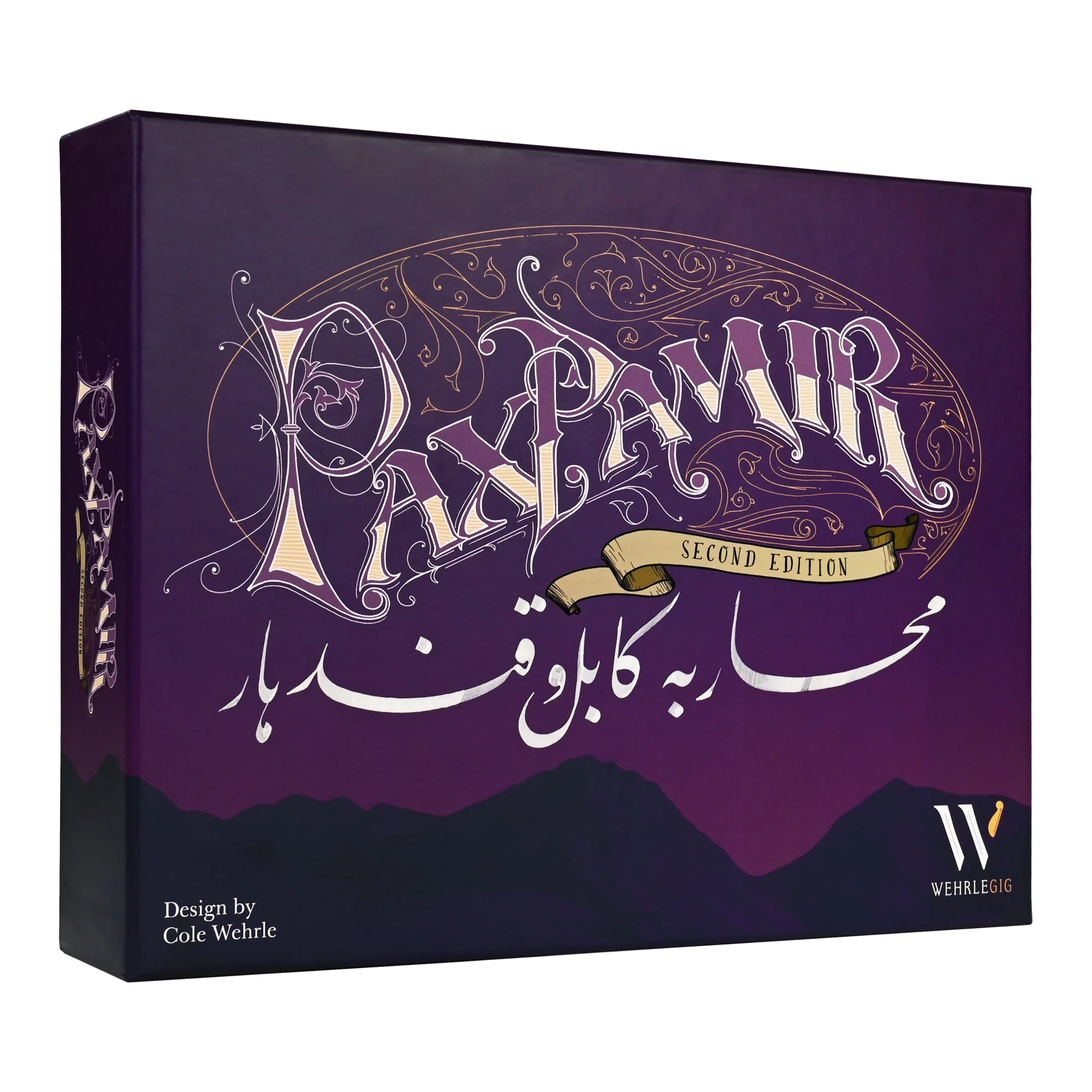
2–5 players | ~$80 | 60–120 minutes | Heavy difficulty
Pax Pamir covers Afghanistan during the 19th-century struggle between Britain, Russia, and the Afghan Coalition. Players build courts of influence, shift allegiances between the dominant powers, and compete for control in a game where indirect leverage often beats direct force. The 2nd edition from Wehrlegig Games has exceptional component quality and some rule refinements from the original.
The first play is disorienting — the favor currency, the shifting loyalty mechanics, the scoring triggers — but once it clicks, it’s one of the most replayable games in this category. My group argues about Pax Pamir more than any other title we own, which I take as a good sign.
The military conflict here emerges from political maneuvering rather than the other way around, which sets it apart from everything else on this list.
Get this if you want a heavy political-military game where building the right alliances at the right time matters more than fielding the largest army.
9. Labyrinth: The War on Terror, 2001–?
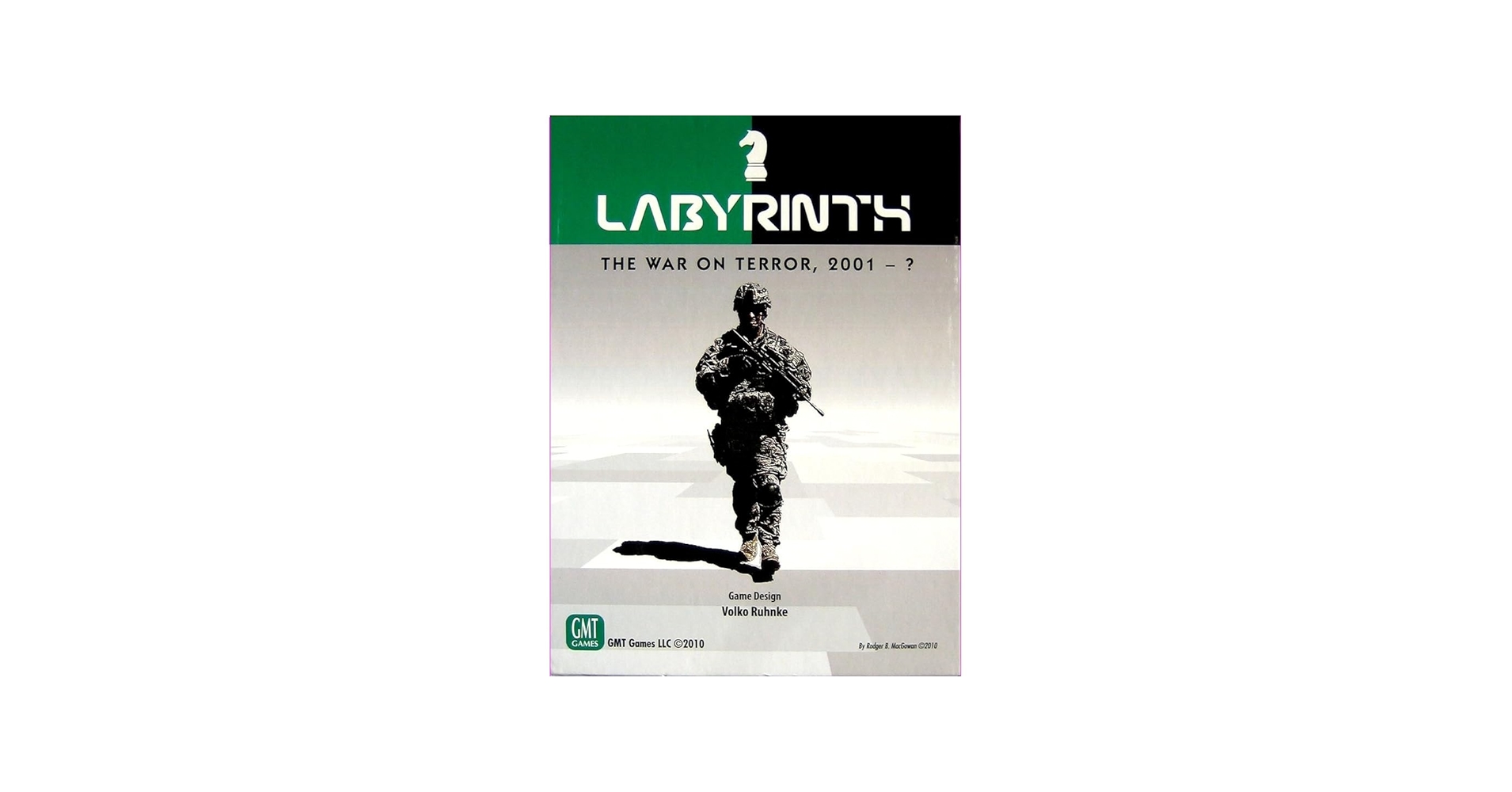
1–2 players | ~$55 | 2–4 hours | Heavy difficulty
Labyrinth is a GMT card-driven game covering the post-9/11 counterterrorism era. One player controls the US and its allies; the other (or an AI in solo mode) runs a jihadist network spreading ideology, recruiting cells, and executing plots across the Middle East and beyond.
Both players use the same event deck, which creates interesting decisions about when to use a card for its event versus its operations points.
The game has aged better than you’d expect. The US player can’t bomb their way to victory — governance, soft power, and regional stability all feed into the scoring.
The AI is one of the better solo implementations I’ve used in wargaming, and the dual-use card deck keeps even quiet turns meaningful.
It’s a difficult game to play well and an uncomfortable subject to sit with, which might be two ways of describing the same thing.
Get this if you want a contemporary conflict game where asymmetric strategy and political judgment matter more than military positioning.
8. Falling Sky: The Gallic Revolt Against Caesar
1–4 players | ~$65 | 3–4 hours | Heavy difficulty
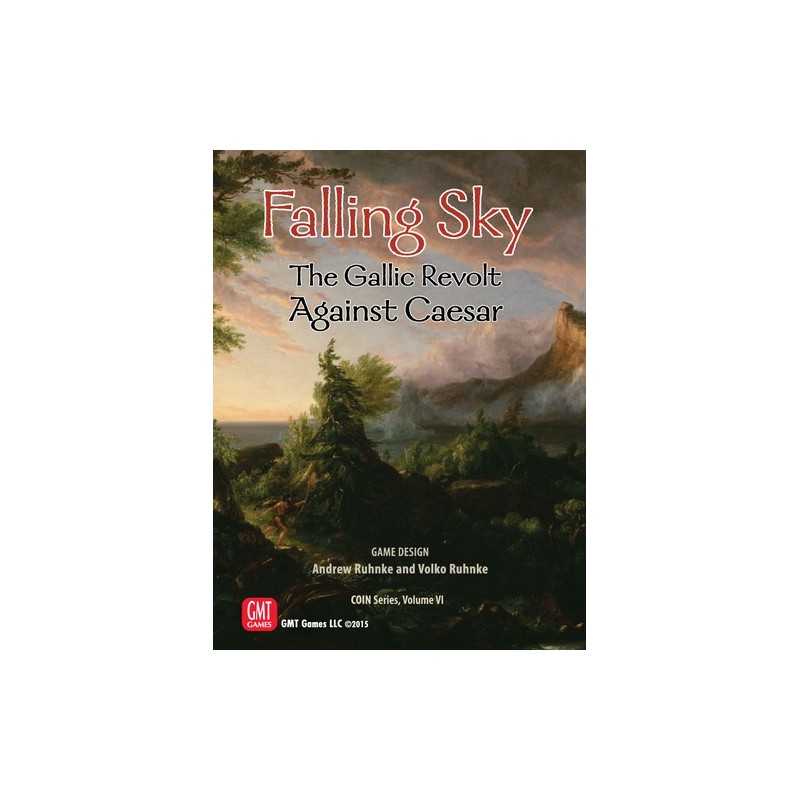
Falling Sky is a COIN series game from GMT covering Julius Caesar’s conquest of Gaul, 58–50 BC. Four factions compete — Rome, the Arverni, the Aedui, and the Belgae — each with completely different victory conditions, action options, and resource structures. Like all COIN games, it has well-developed bot rules for solitaire or partial-player sessions.
The historical setting gives the COIN mechanics a different texture than the series’ modern conflict entries. Rome plays like a machine: resource-rich, methodical, strategically flexible. The Arverni have to forge a unified Gallic identity from clans with competing interests.
Playing the Arverni against a skilled Rome player is one of the most interesting wargame experiences I’ve had. The four-faction dynamic creates shifting pressures that rarely resolve the same way twice.
If you’re new to COIN, a shorter entry in the series might be a better starting point before committing to Falling Sky’s full scope.
Get this if you want a multiplayer wargame where each faction plays completely differently and negotiated alliances fall apart at the worst possible moments.
7. Sekigahara: The Unification of Japan
2 players | ~$55 | 3–4 hours | Medium-heavy difficulty
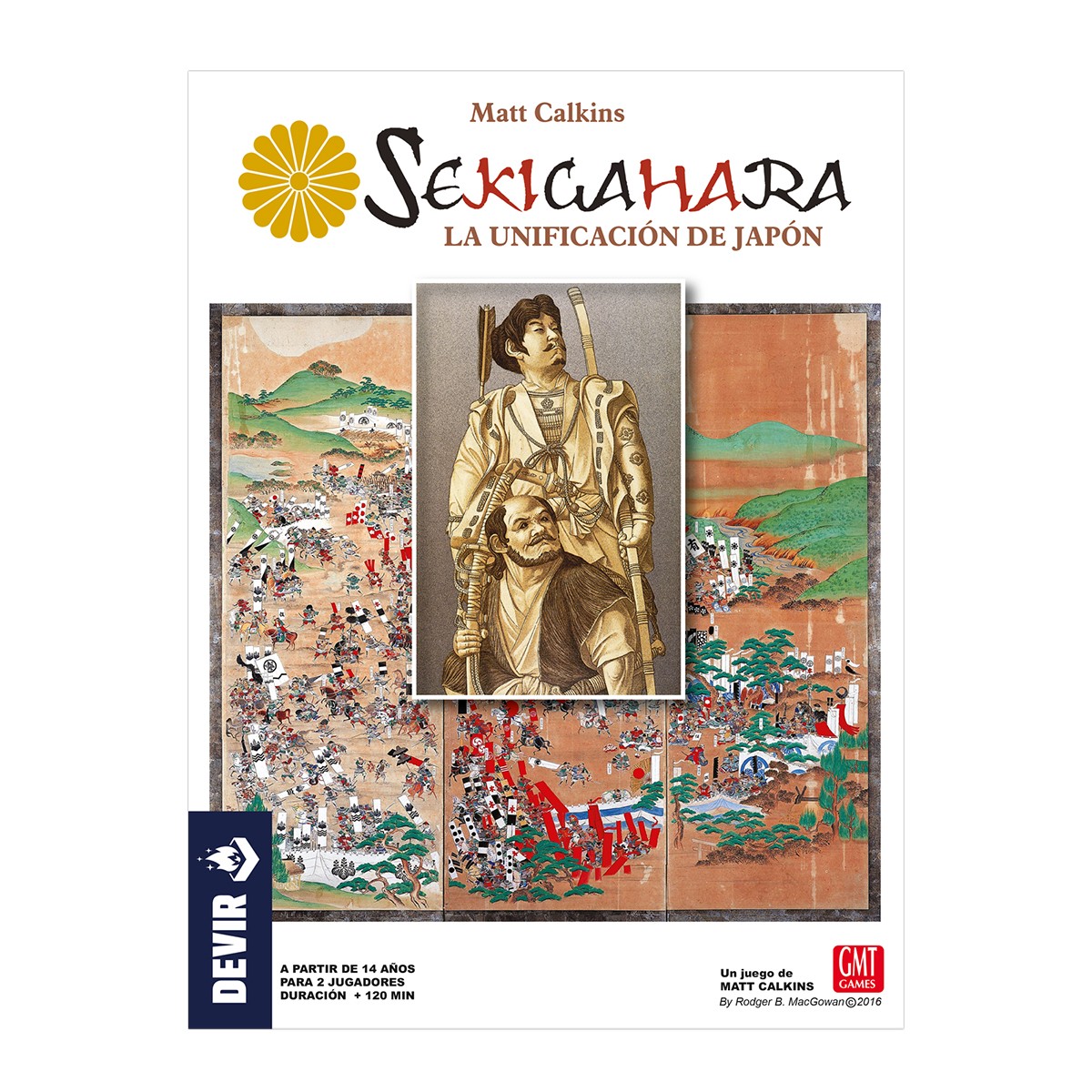
Sekigahara covers the 1600 Japanese civil war between the Tokugawa and Ishida clans. Armies are built from blocks representing different samurai clans, and those clans must be activated with matching cards from your hand during battle.
The catch: if you can’t play a clan’s card when it fights, that unit may refuse to commit — which means the army you assembled with such care might not actually show up.
The loyalty mechanic is the whole game. You build imposing forces, march them across the map to a critical battle — and then your hand lets you down and half your army won’t move.
I’ve had victories I had no right to win because an opponent couldn’t activate his key units at the wrong moment, and I’ve collapsed in the same way myself. Nothing else plays quite like it, and the Japanese setting gives it a texture that Western-focused wargames can’t replicate.
Get this if you want a two-player wargame where hidden information creates constant tension and the historical setting feels genuinely distinct.
6. Undaunted: Stalingrad
2 players | ~$50 | 2–3 hours per session | Medium difficulty
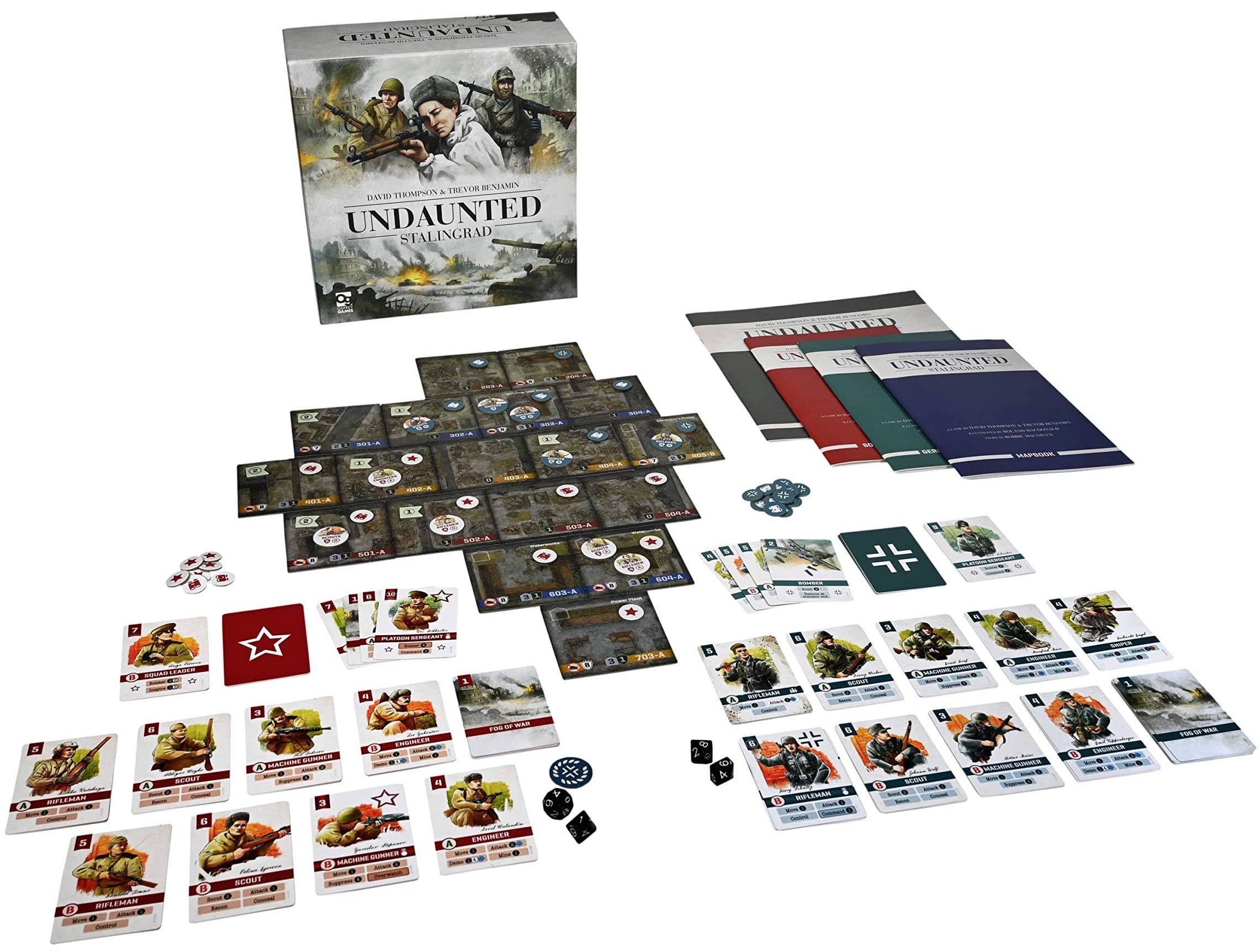
Undaunted: Stalingrad is a standalone game in the Osprey series covering the 1942–1943 battle for the city. Unlike Normandy’s disconnected scenario structure, Stalingrad uses a campaign map where strategic choices connect individual scenarios into a continuous narrative. Attrition and captured territory carry forward throughout the campaign.
This is the Undaunted system at its best. Losing key unit types in one scenario creates real problems in the next, and the campaign’s narrative text — uncommon for a wargame at this price point — gives each engagement genuine context.
My group played through a full German campaign and lost in a historically plausible way by the final scenarios, which felt like the right outcome. The modular map tiles also make setup faster than earlier entries in the series.
Get this if you want a WWII campaign that maintains stakes scenario to scenario and tells a coherent story through play.
5. Combat Commander: Europe
2 players | ~$65 | 2–3 hours per scenario | Heavy difficulty
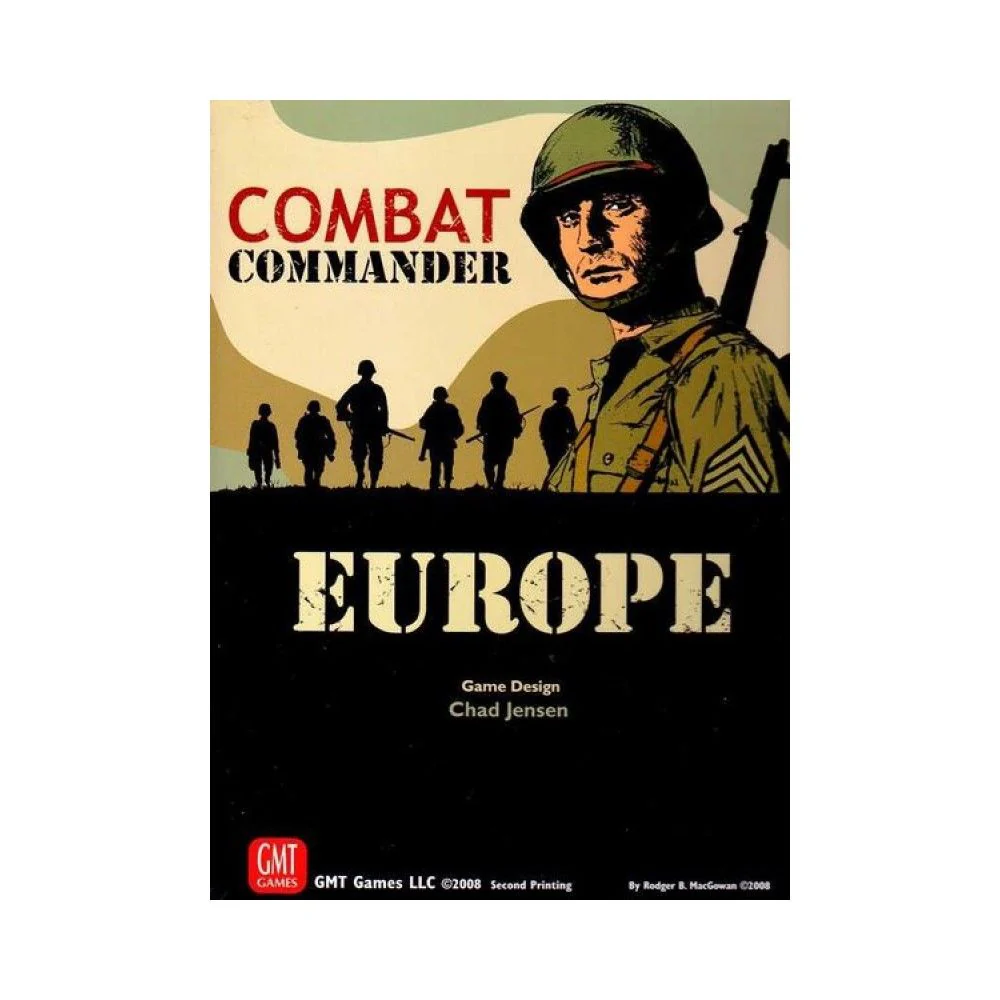
Combat Commander: Europe is a card-driven tactical WWII game from GMT covering infantry combat at the squad level. Units can’t act without orders, orders require cards, and the Fate deck fires random events — fire, panic, reinforcements — that disrupt plans constantly. There’s no true turn structure; initiative passes based on cards played.
This is my personal benchmark for WWII tactical games. The chaos is the point: infantry combat in the war was unpredictable and horrifying, and CC:E captures that without becoming a random event simulator. Breakthrough victories and last-minute collapses happen with enough regularity that no scenario feels solved.
The published scenario book and the large community-created scenario library extend its life almost indefinitely. It asks more of you than most games on this list, but the payoff is proportional.
Get this if you want a deep tactical WWII game where preparation matters but adaptability matters more.
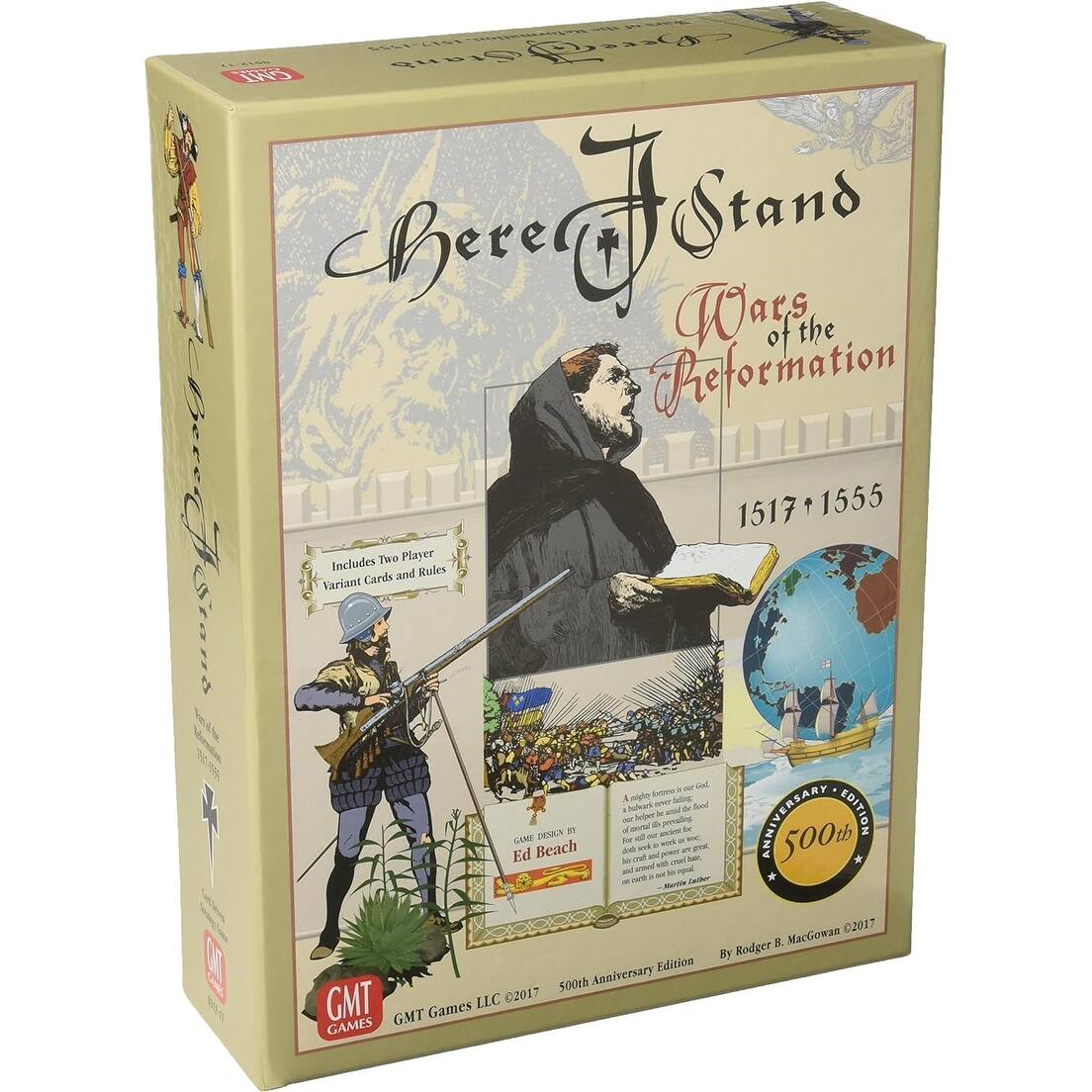
4. Here I Stand: Wars of the Reformation 1517–1555
2–6 players | ~$75 | 4–8 hours | Heavy difficulty
Here I Stand covers the first decades of the Protestant Reformation across an Europe where religious, political, and military conflict are completely entangled.
Six powers — Hapsburgs, Ottomans, Papacy, Protestants, French, English — compete on interlocking tracks covering theology, exploration, and military conquest. Each power has a different set of win conditions and a different toolkit.
It’s a commitment. A full six-player game runs long, and new players will lose badly the first time. But there’s no other game in a similar category for sheer historical scope.
The diplomatic negotiations before each round are the best political gaming I’ve found anywhere, and the asymmetry is so thorough that playing each faction once still feels like a new experience. If you can put six people in the same room for a day, it’s worth the effort — but this one demands a group that’s in it together.
Get this if you want the most complex and historically rich multiplayer experience on this list and have the right players to support it.
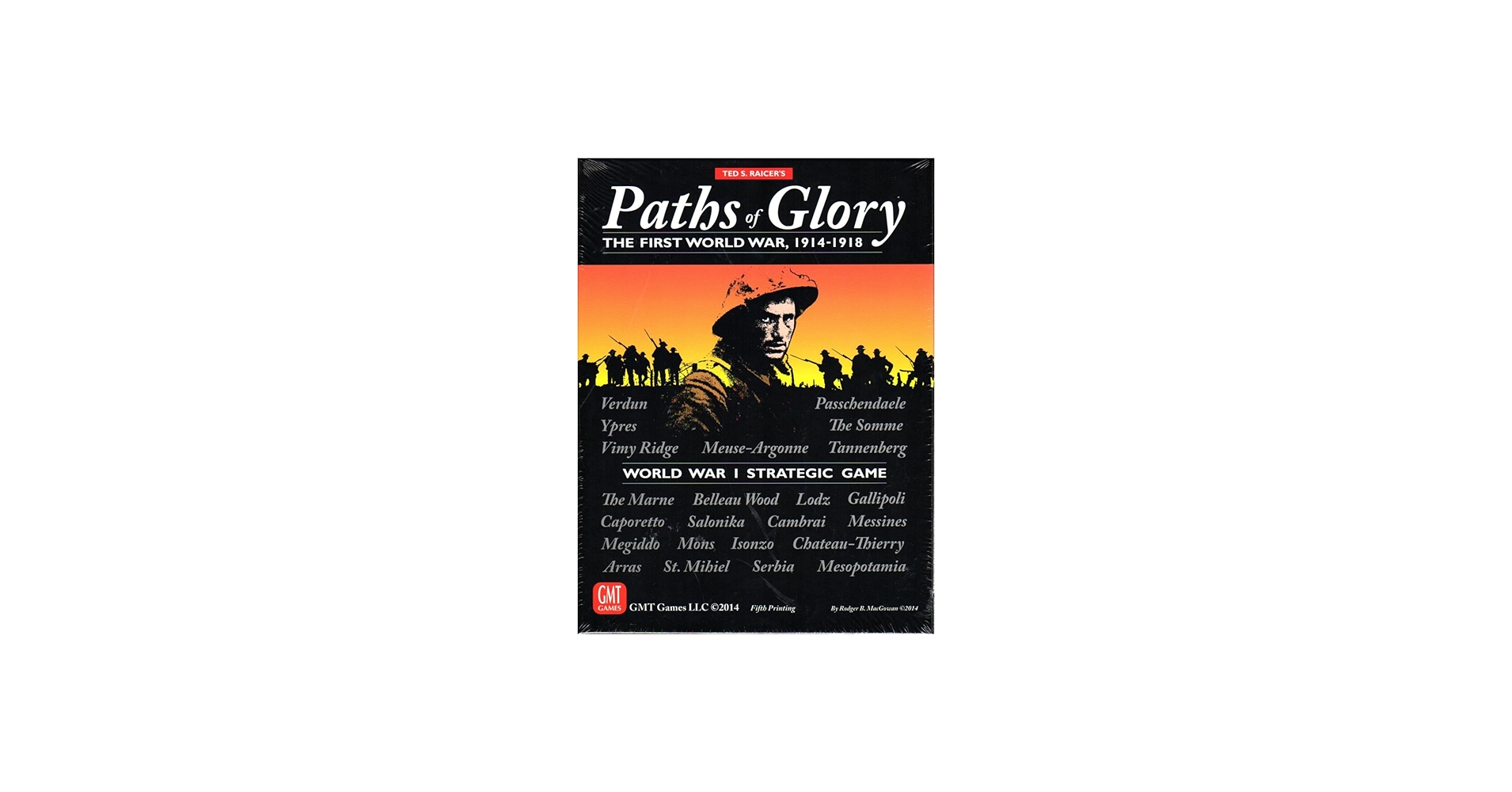
3. Paths of Glory
2 players | ~$60 | 4–6 hours | Heavy difficulty
Paths of Glory is GMT’s 1999 card-driven game covering World War I on both the Eastern and Western Fronts. One player commands the Central Powers, the other the Entente, managing offensives, political events, and resources across multiple years of the war. It remains one of the highest-rated wargames on BoardGameGeek after 25 years, which tells you something.
The card system forces painful choices between strategic necessity and opportunistic events. The Western Front often stalemates early, which shifts pressure to the East and the Middle East — exactly as the historical war developed.
I’ve played this a dozen times and never had the same campaign twice. For a game designed in the late 1990s, it has aged remarkably well against newer competition.
Get this if you want a classic CDG that rewards long-term strategic thinking and still holds up completely against anything released since.
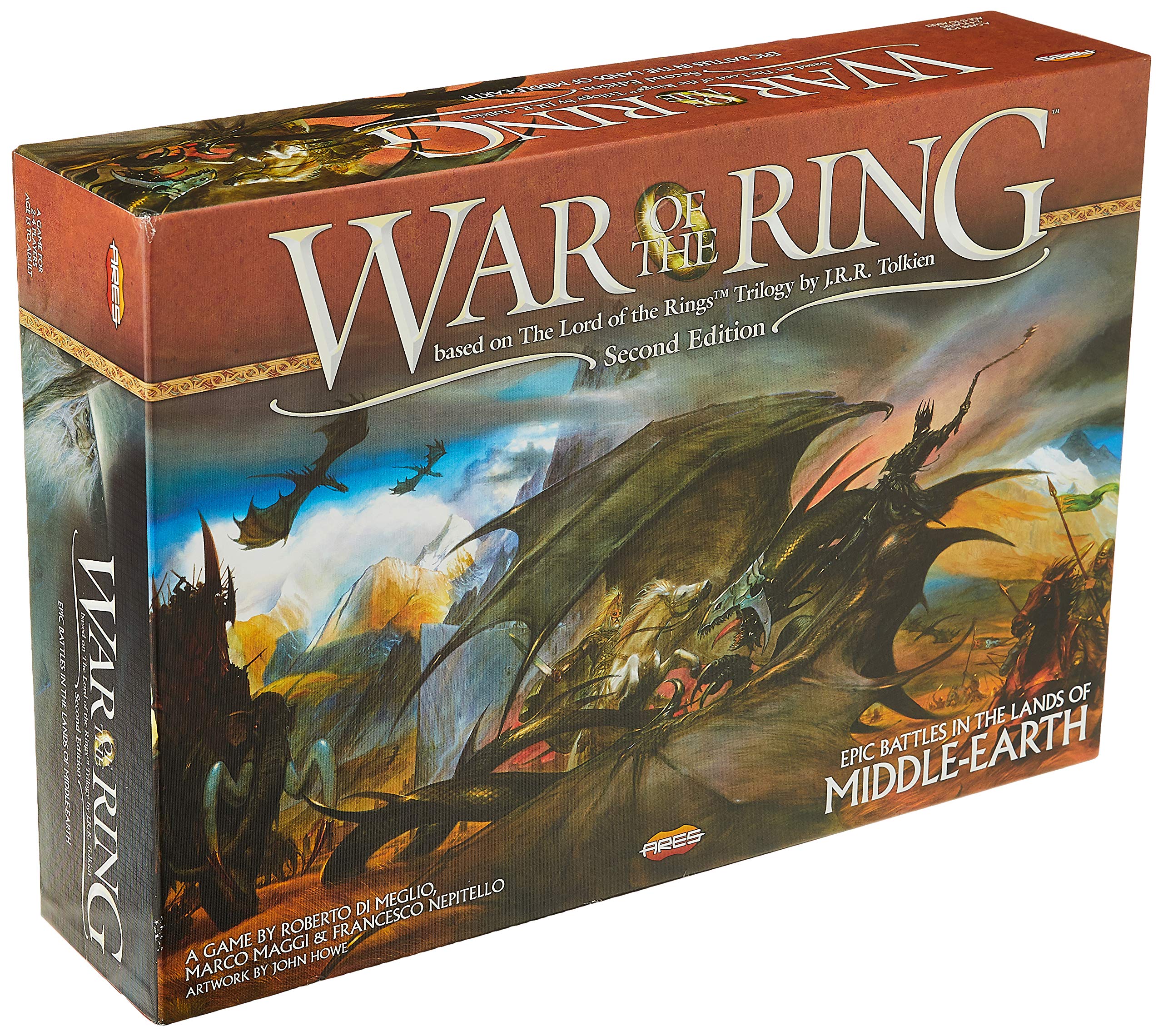
2. War of the Ring (2nd Edition)
2–4 players | ~$80 | 3–4 hours | Heavy difficulty
War of the Ring from Ares Games covers Sauron’s assault on Middle-earth and the Fellowship’s attempt to destroy the One Ring.
The Free Peoples player wins by destroying the Ring; the Shadow player wins by corrupting the Fellowship or conquering enough Free Peoples strongholds. Two simultaneous win conditions create sustained tension on completely different timescales.
This is the best adaptation of a literary work I’ve played, and I’d put it against any historical wargame for strategic depth. The asymmetry is extreme: the Shadow has overwhelming military force; the Free Peoples have to make every unit and every move count.
The corruption track on the Ring-bearers creates a clock that neither player can ignore while managing the wider war. My group has played both sides many times and still finds new angles in the opening moves.
Get this if you want a heavy two-player epic that combines genuine military strategy with real narrative tension in a setting you probably already know.
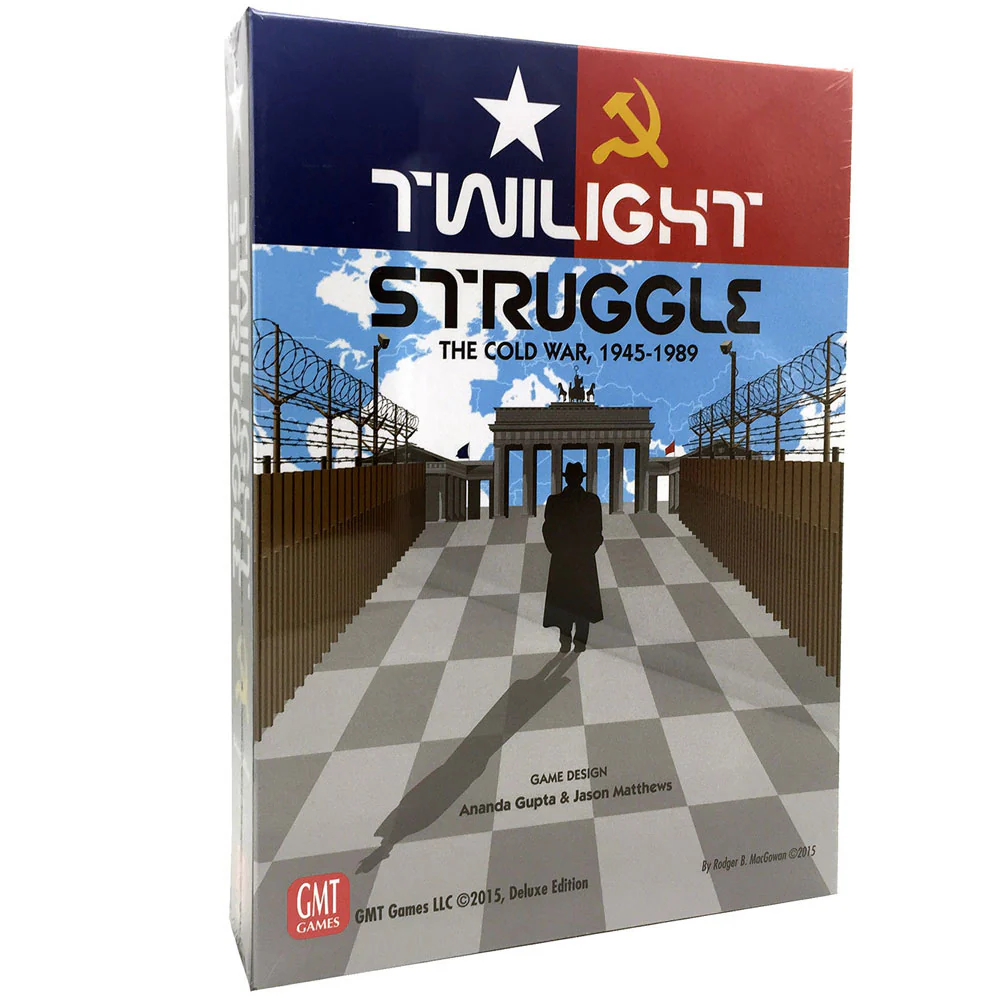
1. Twilight Struggle
2 players | ~$40 | 2–3 hours | Medium-heavy difficulty
Twilight Struggle is GMT’s Cold War card-driven game covering the US-Soviet competition from 1945 to 1989. Players use dual-purpose event cards to place influence, score regions, and trigger historical events across a world map.
Most cards can be played either for their printed event or for operations points — but if you play an opponent’s card for its ops, they still get the event. That single rule is responsible for most of the game’s depth.
This game is 20 years old and still one of the most-played two-player strategy games in the hobby. The dual-use card mechanism is one of the most elegant designs in the medium: every card your opponent holds is simultaneously a threat and a resource, and the sequencing decisions around which events to trigger (and which to bury in the Space Race) are endlessly interesting.
The historical events make Cold War history more legible than most textbooks, and the pacing — early, mid, and late war — captures the actual arc of the conflict. My win rate over forty-plus plays is roughly even, which means it’s either well-balanced or my opponents and I are equally flawed strategists.
Get this if you own one military board game.
Our Verdict
Twilight Struggle tops this list because it’s the rare game that’s both mechanically excellent and genuinely accessible to players without a wargaming background — the entry cost is low, and the strategic ceiling is high.
If you’re newer to strategy games generally, our list of cooperative board games for two players is worth bookmarking alongside it, since several entries there share similar weight and play time.
For everything else here, match complexity to your group: Fort Sumter for a lunch break, Here I Stand for a full Saturday with the right six people.
