
How Cooperative Board Games Turn Randomness Into Meaningful Team Decisions

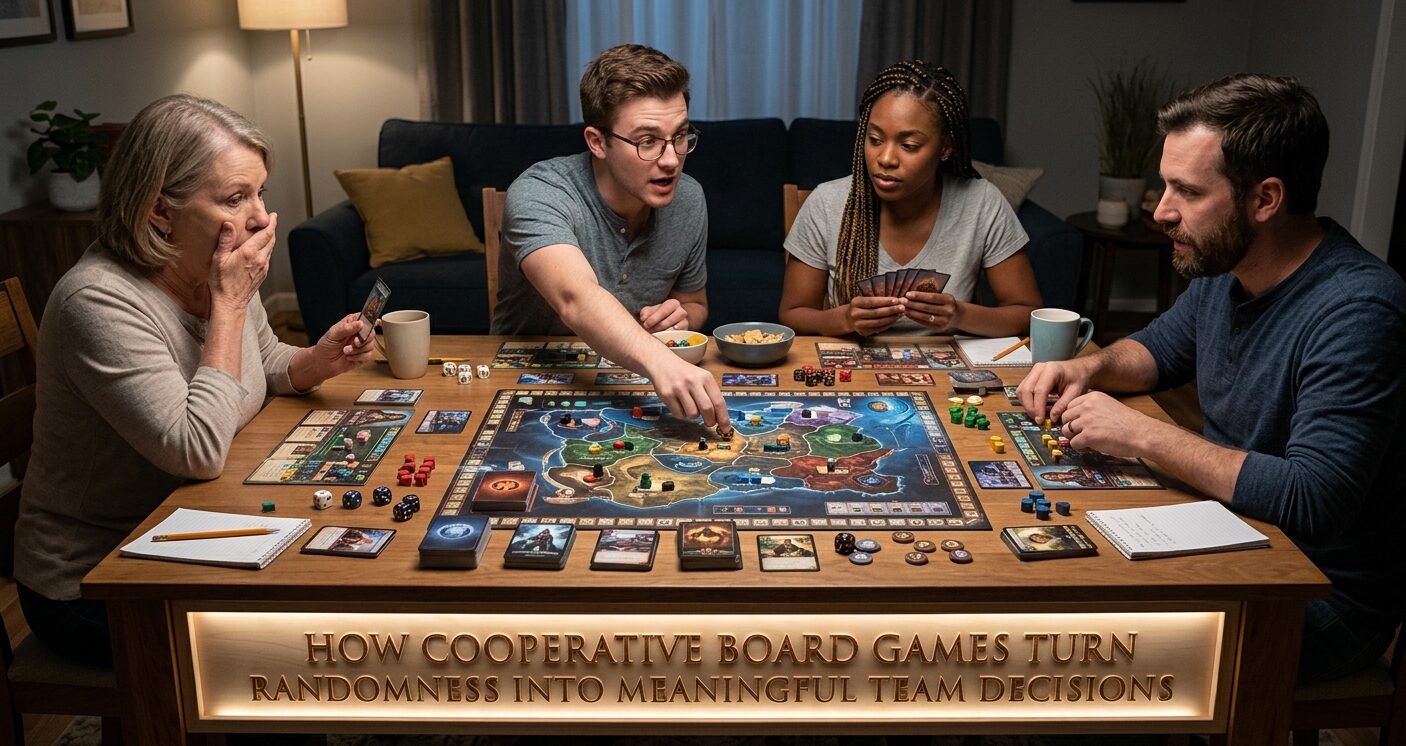
A card flips. Something goes wrong. The group pauses. This little sequence sits near the center of many cooperative board games.
While randomness creates the problem, the players still have to own the response. Because a bad draw may close a route, strengthen an enemy, or remove a resource everyone assumed would remain available. That’s why the result at times can feel unfair for a moment, but then the table starts working again.
And that is the real trick. Strong cooperative games rarely ask players to control uncertainty. They ask players to interpret it together.
Randomness Works Differently When Everyone Shares the Result
In a competitive game, an unlucky roll often belongs to one player and everyone else may benefit from it, quietly or otherwise.
Cooperative games, therefore, change the emotional math. A failed check or unexpected event becomes a shared complication rather than one person’s private setback.
Now, digital gaming products approach this uncertainty differently. For instance, Bet Panda Solana casino uses blockchain infrastructure to support digital ownership or platform-based interactions.
Now, this shift matters because players start discussing backup plans, acceptable losses, and possible sacrifices. While the random element hasn’t disappeared, its function has changed from deciding who gets ahead to testing whether the group can adapt before the entire system collapses.
| Random Element | Immediate Effect | Cooperative Response |
| Card draw | Introduces a new threat | Reassess priorities |
| Dice roll | Creates an uncertain outcome | Prepare alternatives |
| Hidden information | Limits perfect planning | Build trust |
| Variable setup | Changes the opening puzzle | Adjust roles early |
The better designs make failure feel connected to earlier choices. Maybe the roll was poor, sure, but the team also entered the encounter without enough protection. That distinction keeps chance from becoming an excuse for everything.
Good Decisions Still Need Imperfect Information
Perfect information sounds useful. On the table, though, it can make cooperation oddly mechanical. One experienced player calculates the strongest move, explains it, and everyone follows. The group technically wins together, but only one person is really making decisions.
Controlled uncertainty interrupts that pattern. Limited communication, concealed cards, simultaneous actions, and unpredictable events force players to contribute their own judgment.
Here, nobody has the entire picture. For instance, a quieter player may notice a risk the apparent table leader missed. Another may hold the one resource that completely changes the plan.
Uncertainty Can Reduce Quarterbacking
Quarterbacking happens when one player directs nearly every action. It is common in cooperative games with open information and clearly optimal moves. Now, randomness cannot solve the problem by itself, but it can make rigid control less effective.
That’s why a team that cannot predict the next event must distribute responsibility. Players need to manage their own roles and explain what they can realistically accomplish.
Resultantly, the discussion moves away from “take these exact actions” and toward “here is what we need covered.” It’s a small difference that makes big changes at the table.
The Best Systems Make Risk Visible
Meaningful randomness gives players something to evaluate before acting. They may know the possible outcomes, even if they cannot predict which one will occur. That creates risk management rather than blind hope.
Therefore, now, before committing to a dangerous move, a group can ask:
- What happens if this fails?
- Can another player recover the situation?
- Are we spending too many resources on one uncertain result?
- Is the safer option actually delaying a larger problem?
These questions create the tension people remember. Not the die, or the card, but the memorable part is the argument before the reveal, followed by either collective relief or that long silence when everybody realizes the backup plan was not much of a plan.
Too Much Randomness Weakens Team Strategy
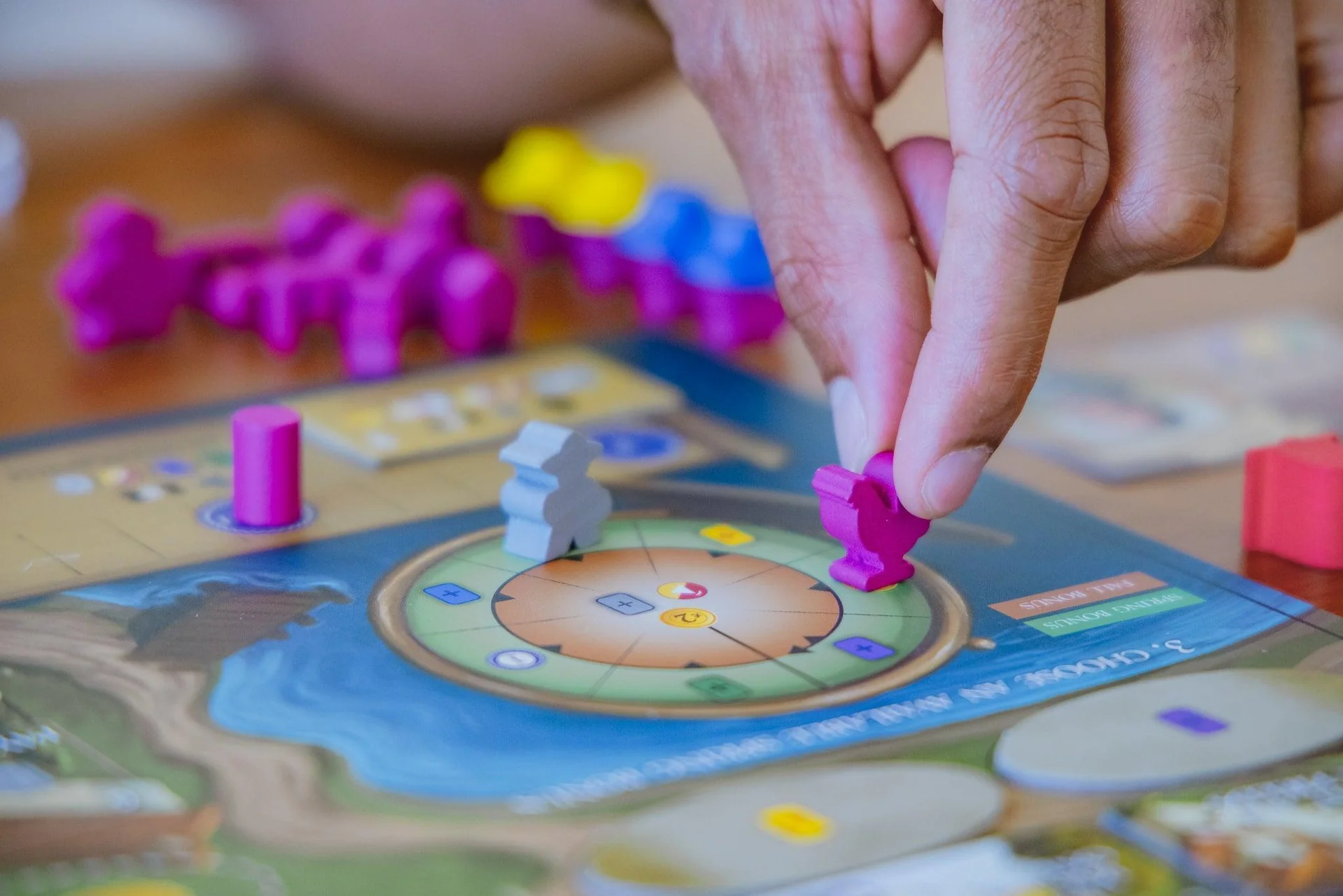
Now, there is a limit. When repeated random outcomes erase careful decisions, discussion starts feeling decorative. Players may still talk, but the system is doing most of the deciding.
A balanced cooperative game allows bad luck to hurt without making earlier choices irrelevant.
Yes, preparation can improve the odds, but smart positioning helps limit the damage. Similarly, specialized roles should offer ways to respond.
Even a loss should leave the group thinking, “We could handle that differently next time,” rather than, “Nothing we did mattered.”
Shared Uncertainty Is Where Cooperation Becomes Real
Cooperative board games are not compelling because every player agrees. They work because uncertainty exposes different priorities, habits, and tolerances for risk. One player protects resources while another pushes forward, and someone else always wants to draw one more card.
Randomness gives those instincts something to collide with. Good design then turns the collision into a decision. The outcome may still be uncertain, but the conversation belongs to the players, which is where cooperation stops being a theme printed on the box and becomes the actual experience.
