From Tabletop Tokens to Digital Rewards: What Board Game Design Can Teach Us About Sweepstakes Gaming

Ever argued over a board game rule halfway through a match? Digital games have their own little surprises, especially when coins and prizes enter the picture; then the rulebook gets interesting.
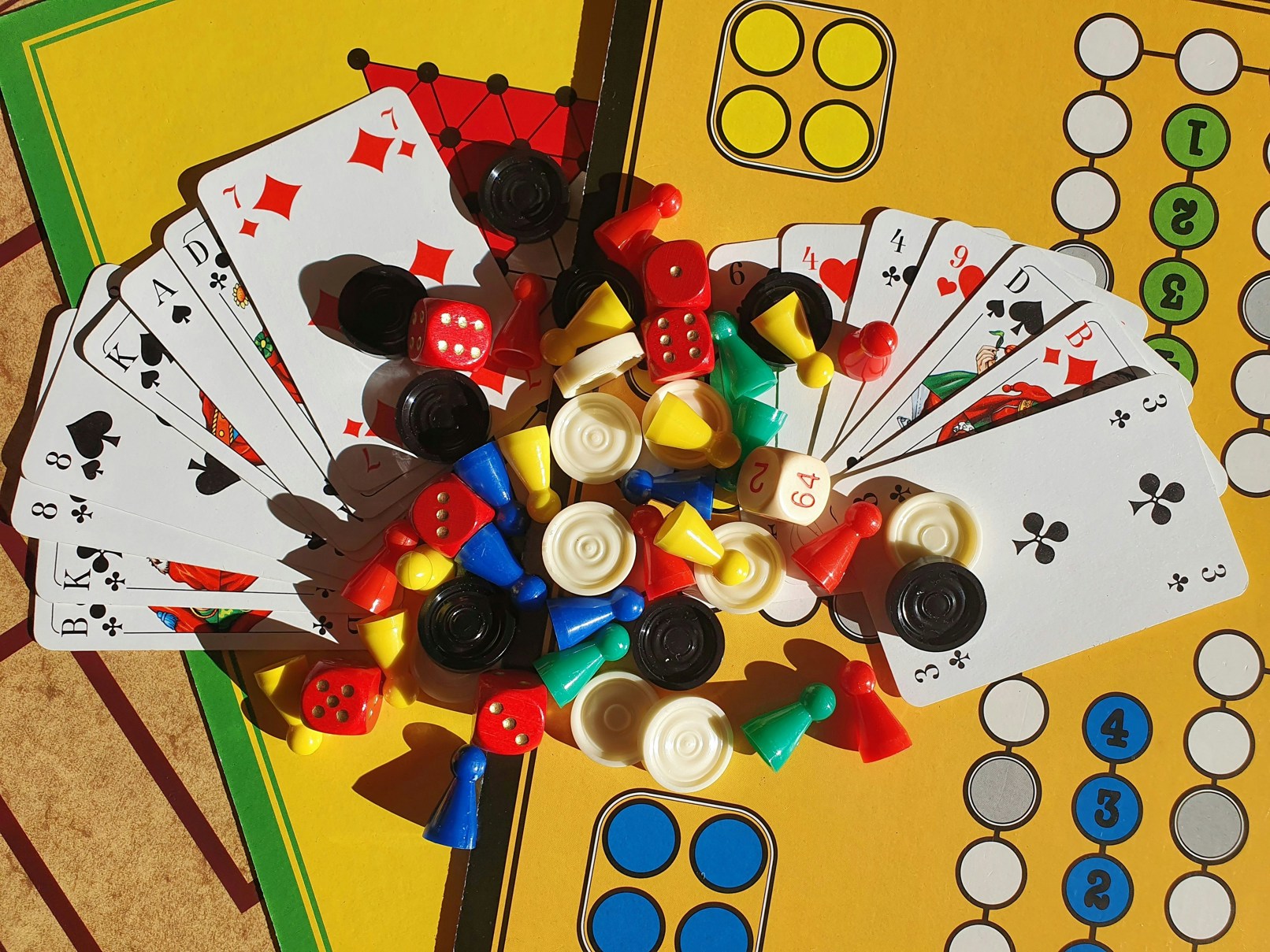
A good board game can turn a handful of cardboard tokens into something worth fighting over. Anyone who’s played Catan knows the frustration of having plenty of sheep when all you need is one lousy brick.
Digital sweepstakes games use a similar idea, with virtual coins replacing physical pieces. The interesting part is what those coins actually let you do, because that’s where the rules get important.
Tokens Only Have Value Because of the Rules
There’s a reason nobody gets excited about finding a spare Monopoly hotel under the sofa. Outside the game, it’s a little plastic building. Put it on Boardwalk, however, and your friends suddenly have a very good reason to avoid landing there.
Board games are full of ordinary objects that become valuable because of the rules. In Catan, a sheep token can help you buy a development card, but it won’t build a road without the right resources. You can have a magnificent collection of sheep and still be losing badly.
That’s part of what makes judging a board game’s design interesting. The pieces themselves are only half the story; what you can do with them determines whether collecting them is worthwhile.
Digital gaming takes that same idea and gives the tokens a different job.
Digital Coins Come With Different Conditions
Sweepstakes casinos have their own version of board game tokens, except the coins are digital and come with different rules.
Most use two currencies. Gold Coins let you play casino-style games without cash prize redemption. At the same time, Sweeps Coins can produce winnings eligible for prizes. The catch is that each operator sets its own conditions.
Free registration coins may sound straightforward, but daily rewards and playthrough requirements can vary widely between casinos. Even the minimum amount needed to redeem a prize can change.
The best rated sweepstakes style casino comparisons on Casino.org examine these differences in practical terms, covering virtual currencies, bonus rewards, game libraries, and prize redemption conditions. That makes the rules behind each reward system easier to understand before comparing the games themselves.
It’s much like checking a board game’s rulebook before collecting every token in sight. Knowing what those coins can buy is the useful part.
Rewards Give Players Another Reason to Keep Going
Ticket to Ride has a particularly sneaky way of keeping you interested. You finish one railway connection, collect your points and realise you’re only a couple of trains away from completing another destination ticket. Naturally, you want those points too.
That’s good game design. The next reward is close enough to tempt you, but it still takes a few decisions to get there.
Digital games use rewards in much the same way. Daily bonuses give participants a reason to return, while leaderboards add a competitive element. There’s something satisfying about seeing your name climb a ranking, even when the reward is relatively modest.
Researchers tested that idea in a 2026 study involving approximately 10,000 students using an educational reading app. During a competition featuring leaderboards and book prizes, participants completed 45% more stories. Even 12 weeks after the incentives ended, they completed 76% more stories than the control group.
Reading competitions and sweepstakes games are different activities, of course. Still, both demonstrate the appeal of having a reward worth pursuing.
Clear Rules Make Rewards Meaningful
Every board game group has that one friend who knows the rules better than everyone else. Or thinks they do. Sooner or later, somebody digs out the rulebook to settle an argument, usually after half the table has joined in.
Sweepstakes games have rules worth checking too. You might have enough Sweeps Coins to claim a prize, but there’s still a minimum redemption amount to consider, along with identity checks and restrictions on where you can play.
New Zealand’s Commerce Commission once dealt with a competition offering an NZ$1.5 million prize. The catch? The first winner had only a 1% chance of actually getting it. The organiser ended up with a conviction and a fine.
It’s a good reminder that board games help develop critical thinking. Reading the rules before making your move can save a lot of arguments later.
The Rules Still Decide What Winning Means
A game of Catan can leave you celebrating a settlement as though you’ve just acquired an actual piece of property. Five minutes later, you’re packing the little wooden houses back into their box.
That’s the fun of board games. Everyone agrees on what the pieces represent, and the rules give you something to work towards.
Digital sweepstakes games use the same basic principle, with the added consideration that some rewards may qualify for real prizes.
The cardboard pieces and virtual coins may be different, but the sensible approach hasn’t changed: understand the rules before deciding what a reward is worth.
